

 Visualizar na parede
 Compartilhar
 Compartilhar
 Detalhes

 Baixar imagem
 Semelhantes
 Raio X
 Slideshow
 Estatísticas
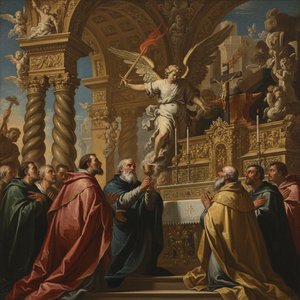
angel thurifer


 Ler mais
Giclée / Impressão de Arte
Impressão giclée ou em tela de qualidade de museu, com produção rápida e opções flexíveis de acabamento. ( Comprar pintura feita à mão Alternar para Imagem Digital)




P118B $10

P118H $10

P118W $10

P438Z $10

P508JH $12

P508YH $12

P805H $10

P805Z $10

P919BZ $10

P919G $10

P919XJ $10

P959ZH $10

P968JZ $12

W106C $8

W218G $10

W218JH $8

W218Y $10

W307PJ $10

W316G $10

W316PJ $8

W316Y $10

W398PJ $8

W4111J $10

W500HY $15

W500JH $15

W692G $12

W849H $8

W940BG $15

W953PJ $8




Escolha entre os nossos tamanhos pré-definidos que respeitam as proporções originais da obra de arte.

Você pode inserir suas próprias dimensões para se ajustar a uma moldura ou espaço específico. Se o tamanho selecionado não corresponder às proporções da imagem original, iremos recortar a obra de arte ou estender a imagem com uma borda espelhada ou preenchimento sólido. Um mockup digital será enviado para sua aprovação antes do início da produção.
Por favor, observe que a visualização na tela não reflete o recorte ou a extensão real. Apenas o mockup mostrará com precisão a composição final.
Embora tamanhos personalizados estejam disponíveis, recomendamos selecionar uma dimensão da lista predefinida para preservar as proporções originais.
Entrega mundial () em 2 semanas, em vez das 4/5 semanas padrão. (12 Setembro)

Envio expresso gratuito para todo o mundo

Tela de Linho de Alta Qualidade

Seguro de transporte completo

Garantia de Reembolso de Impostos Alfandegários

Garantia de Fidelidade Cromática

Política de Devolução de 100 Dias (Apenas Defeitos)

Garantia de reembolso de 100%

Oferta de desconto por quantidade
 A opção de vidro está disponível apenas para tamanhos inferiores a 110 cm

angel thurifer
Giclée / Impressão de Arte
Tamanho da Reprodução
-


Preço Total
$ 80
A Portrait of Serenity: Exploring Francisco de Zurbarán’s “Angel Thurifer”
The painting "Angel Thurifer," attributed to the Spanish Baroque master Francisco de Zurbarán, transcends mere visual representation; it embodies a profound spiritual contemplation captured with unparalleled precision and emotional resonance. Executed sometime around 1630-1640, this intimate portrait offers a glimpse into the contemplative heart of religious devotion during the Habsburg era—a period marked by fervent piety and artistic ambition.- Subject Matter: The central figure is an angel, depicted in solemn repose against a stark black background. This deliberate simplicity underscores Zurbarán’s commitment to conveying spiritual essence rather than opulent grandeur. Unlike many Baroque depictions of angels brimming with dynamism and celestial splendor, this angel exudes stillness—a palpable embodiment of divine tranquility.
- Style & Technique: Zurbarán's signature style is characterized by tenebrismo – a dramatic chiaroscuro technique that employs stark contrasts between light and dark to heighten emotional impact. The angel’s flesh tones are rendered with remarkable realism, achieved through meticulous observation and painstaking layering of glazes—a hallmark of Zurbarán’s masterful craftsmanship. Light emanates from an unseen source, illuminating the angel's face and hands while enveloping the rest of the composition in impenetrable darkness.
Historical Context: Faith and Majesty in Habsburg Spain
The painting emerged during a time when Catholicism reigned supreme in Spain—a nation deeply invested in asserting its spiritual authority on the European stage. Zurbarán’s patrons were often members of the nobility, eager to commission artworks that reflected their piety and affirmed their lineage's connection to divine grace. The Habsburg monarchs actively fostered artistic endeavors aimed at glorifying God and reinforcing royal prestige. “Angel Thurifer” stands as a testament to this cultural climate—a visual manifestation of the era’s preoccupation with moral virtue and spiritual contemplation.- Symbolism: The angel holds a lantern – a potent symbol of divine illumination and enlightenment – in one hand, while clutching a chain in the other. This juxtaposition speaks to the angel's role as protector and guide—representing both spiritual guidance and restraint. The gold crown atop his head signifies royal dignity and holiness, subtly elevating the angel’s status within the framework of Christian iconography.
- Emotional Impact: Viewing “Angel Thurbarán” evokes a feeling of profound serenity and introspection. The artist skillfully captures not just physical likeness but also an inner state—a quiet contemplation that invites viewers to consider themes of faith, humility, and divine grace. The darkness surrounding the angel serves as a foil to his radiant face, amplifying its expressive power and conveying a sense of solemn beauty.
Legacy & Reproduction Considerations
Zurbarán’s influence extends far beyond his own lifetime, establishing him as one of the most revered figures in Spanish Baroque art. His uncompromising dedication to realism and spiritual depth continues to inspire artists and collectors alike. OriginalUniqueArt offers meticulously crafted reproductions that faithfully capture the nuances of Zurbarán's original masterpiece—allowing admirers worldwide to experience its timeless beauty and contemplate its enduring message.Biografia do Artista
Early Life and Formation in Extremadura
Francisco de Zurbarán, born in Fuente de Cantos, Extremadura, Spain, in 1598, emerged from a region steeped in religious fervor and rural austerity—qualities that would profoundly shape his artistic vision. Though details of his earliest training remain somewhat elusive, we know he initially apprenticed with the local painter Alejandro de la Mina before moving to Seville to study under Alonso de Najera. It was within Najera’s workshop that Zurbarán began to absorb the burgeoning Baroque style, a dramatic departure from the more restrained artistic traditions of previous generations. Even in these formative years, a remarkable talent for capturing realistic detail and imbuing his subjects with emotional weight became apparent, hinting at the distinctive path he would forge as an artist. The stark landscapes and devout atmosphere of Extremadura instilled within him a sensibility that favored simplicity, solemnity, and a deep engagement with spiritual themes—characteristics that would define his mature work. His early exposure to the religious life of his region, coupled with the influence of Seville’s artistic environment, laid the foundation for his future success as a painter of religious subjects.The Seville Period: Establishing a Singular Style
By 1614, Zurbarán had established himself in Seville, a vibrant cultural hub and the gateway to Spain’s vast American colonies. He quickly rose to prominence, establishing a successful workshop and attracting numerous commissions, primarily for religious paintings intended for churches, monasteries, and private devotional use. This period witnessed the full flowering of his signature style—a compelling blend of stark realism and intense spirituality. His early works already showcased a masterful command of *tenebrism*, a technique borrowed from Caravaggio that employed dramatic contrasts between light and shadow to create a sense of drama and emphasize the emotional intensity of his subjects. He wasn’t merely replicating what he saw; he was striving to reveal an inner truth, a profound spiritual presence within each figure. His paintings weren't simply representations of saints or biblical scenes; they were invitations to contemplation, designed to evoke a visceral response in the viewer. The influence of earlier Spanish masters like Juan Sánchez Cotán, known for his austere still lifes and precise realism, is also evident in Zurbarán’s early work, as well as the sculptural traditions prevalent in Seville at the time.Master of Tenebrism and Religious Devotion
Zurbarán's artistic prowess lay in his ability to transform religious narratives into powerfully moving visual experiences. He became renowned for his depictions of monks, nuns, martyrs, and saints—figures often portrayed in moments of profound contemplation or suffering. His *Immaculate Conception* (c. 1635), housed in the Museo de Bellas Artes in Bilbao, exemplifies this mastery; the Virgin Mary is depicted with a serene dignity, bathed in ethereal light against a dark background, conveying both purity and divine grace. Similarly, his *Agnus Dei* (c. 1640), now part of the Metropolitan Museum of Art collection, presents a poignant image of Christ as the sacrificial lamb, radiating an aura of solemnity and sacrifice. The *Sudarium of St Veronica*, with its haunting depiction of the veil bearing the imprint of Christ’s face, showcases his exceptional control over tenebrism and emotional depth. He didn't shy away from portraying the physical realities of faith—the austerity of monastic life, the pain of martyrdom—but always infused these scenes with a sense of reverence and spiritual significance. His *St Francis Receiving the Stigmata* demonstrates his ability to depict profound spiritual experiences with remarkable sensitivity and realism. The series of paintings depicting Carthusian monks further exemplifies his skill in portraying austere religious life, capturing their quiet devotion and inner peace.Royal Patronage and Lasting Legacy
Around 1630, Zurbarán achieved a significant milestone in his career when he became a court painter to Philip IV. This appointment brought him increased recognition and access to royal commissions, further solidifying his reputation as one of Spain’s leading artists. However, despite this success, his popularity waned somewhat in later years with the rise of different artistic tastes. The economic hardships facing Spain during the mid-17th century also impacted his ability to secure large-scale projects. Nevertheless, Zurbarán continued to work diligently, adapting his style and exploring new themes. His influence on Spanish Baroque art is undeniable; his dramatic use of chiaroscuro and his focus on religious themes inspired generations of artists. A circle of followers, known as the “Zurbaranistas,” emerged, continuing to push the boundaries of tenebrism and explore the expressive possibilities of light and shadow. Though he passed away in 1664, Francisco de Zurbarán left behind a rich artistic legacy that continues to be celebrated today, securing his place as one of Spain’s most important Baroque painters—a master of religious art whose works continue to resonate with viewers centuries later.- Notable Works: Immaculate Conception (c. 1635), Agnus Dei (c. 1640), Sudarium of St Veronica, St Francis Receiving the Stigmata, Paintings of Carthusian Monks.
- Historical Significance: Zurbarán’s influence on Spanish Baroque is undeniable; his use of chiaroscuro and his focus on religious themes inspired generations of artists.

Francisco de Zurbarán
1598 - 1664 , Espanha
Dados Rápidos
- Artistic Movement Or Style: Barroco, Tenebrismo
- Artists Or Movements Influenced By This Artist: ['Caravaggio']
- Artists Who Influenced This Artist: ['Juan Sánchez Cotán']
- Date Of Birth: 1598
- Date Of Death: 1664
- Full Name: Francisco de Zurbarán
- Nationality: Espanhol
- Notable Artworks:
- Immaculate Conception
- Agnus Dei
- St Francis Receiving Stigmata
- Place Of Birth: Fuente de Cantos, Espanha
Artigos Relacionados

Celestial Messengers: A Comprehensive Exploration of Angelic Representation in Art History
Explore the captivating history of angels in art! Discover symbolism, iconic Renaissance masterpieces & renowned artists. Expert insights for art lovers & collectors at OriginalUniqueArt.

Francisco de Zurbarán: Mysticism, Realism & the Golden Age of Spanish Painting
Explore the captivating world of Francisco de Zurbarán, a master of Spanish Baroque painting. Discover his dramatic tenebrism, religious masterpieces like 'La Porciúncula,' and lasting influence on art history.
The Golden Age Reforged: Dramatic Realism & Religious Zeal in Spanish Baroque Art
Explore the dramatic world of Spanish Baroque art! Discover masters like Zurbarán & the powerful influence of religious zeal on painting techniques – a guide for collectors and enthusiasts.

Celestial Messengers: Angels in Painting – A Historical & Artistic Exploration
Explore the captivating history of angels in painting! Discover symbolism, iconic Renaissance & Byzantine masterpieces, and renowned artists. Expert insights for art lovers & collectors at OriginalUniqueArt.

The Dramatic Flourish: Exploring the Baroque Movement's Enduring Legacy in Art History
Explore the dramatic world of Baroque art! Discover iconic artists like Caravaggio & Rubens, defining techniques, and its lasting impact on art history. Expert insights for collectors & enthusiasts at OriginalUniqueArt.


