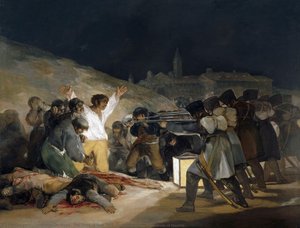
Visualizar em escala
 Enviar
 Compartilhar
 Ver detalhes
 Guia de Obras do Aluno

 Baixar imagem
 Semelhantes
 Raio X
 Apresentação de slides
 Estatísticas
Sabbath das Bruxas


 Ver mais
Giclée / Impressão de Arte
Impressão giclée ou em tela de qualidade de museu, com produção rápida e opções flexíveis de acabamento. ( Encomendar reprodução pintada à mão Ver Imagem Digital)




P118B €10

P118H €10

P118W €10

P438Z €10

P508JH €12

P508YH €12

P805H €10

P805Z €10

P919BZ €10

P919G €10

P919XJ €10

P959ZH €10

P968JZ €12

W106C €8

W218G €10

W218JH €8

W218Y €10

W307PJ €10

W316G €10

W316PJ €8

W316Y €10

W398PJ €8

W4111J €10

W500HY €15

W500JH €15

W692G €12

W849H €8

W940BG €15

W953PJ €8




Escolha entre os nossos tamanhos pré-definidos que respeitam as proporções originais da obra de arte.

Digite a largura e a altura de que necessita, para se ajustar à sua moldura ou à sua parede. Uma impressão só pode ser cortada, nunca ampliada além da imagem original, pelo que um tamanho com uma proporção diferente perderá parte da imagem. Enviamos-lhe uma maquete digital para aprovação antes de imprimirmos qualquer coisa. A imagem apresentada nesta página não mostra o corte real — apenas a maquete o faz.
Entrega mundial () em 2 semanas, em vez das 4/5 semanas padrão. (23 Outubro)

Envio expresso gratuito para todo o mundo

Tela de Linho Premium

Seguro de transporte total

Garantia de Reembolso de Impostos Alfandegários

Garantia de Fidelidade de Cor

Política de Devolução em 100 Dias (Apenas para Defeitos)

Garantia de reembolso de 100%

Desconto para múltiplas unidades
 A opção de vidro está disponível apenas para tamanhos inferiores a 110 cm

Sabbath das Bruxas
Giclée / Impressão de Arte
Dimensões da Reprodução
-


Preço Total
€ 70
Um Encontro Sombrio: A Visão Misteriosa de “A Ceia das Bruxas” de Goya
“A Ceia das Bruxas”, obra-prima perturbadora de Francisco de Goya, é muito mais do que uma simples pintura; é um portal para um mundo de mistério e terror. Criada em 1821, esta tela imponente nos convida a testemunhar um ritual profano, um banquete macabro onde a linha entre o real e o sobrenatural se dissolve. A composição frenética, com figuras envoltas em sombras densas e expressões carregadas de emoção, captura a essência do Dark Romanticismo – um movimento artístico que abraçava o lado sombrio da alma humana, explorando temas como a loucura, a morte e o oculto.
Goya, um artista profundamente influenciado pelas turbulências políticas e sociais de sua época, utilizou “A Ceia das Bruxas” para expressar seu descontentamento com a Inquisição espanhola e as crenças supersticiosas que permeavam a sociedade. A obra faz parte da série "Pinturas Negras", criada diretamente nas paredes de sua casa, a Quinta del Sordo, um refúgio pessoal onde ele mergulhou em suas angústias mais profundas. A atmosfera opressiva e a paleta de cores escura refletem o estado emocional do artista naquele período turbulento.
A Dança da Simbologia: Desvendando os Segredos da Pintura
Cada elemento da pintura é carregado de simbolismo, convidando à interpretação e à especulação. A figura central, envolta em vestes escuras e com um olhar penetrante, assume o papel de líder ou manipulador, possivelmente uma bruxa, uma feiticeira ou uma entidade mística. As demais figuras, com suas expressões variadas – medo, curiosidade, reverência – compõem um mosaico emocional complexo que evoca sentimentos intensos e perturbadores.
A figura do homem segurando o pássaro é particularmente intrigante. Frequentemente interpretado como um símbolo de liberdade ou, paradoxalmente, de insanidade, ele adiciona uma camada extra de ambiguidade à cena. A criança ajoelhada, em contraste com a atmosfera caótica ao seu redor, representa a inocência e a vulnerabilidade diante do horror. A composição geral sugere um confronto entre forças opostas: o poder das bruxas e a fragilidade da humanidade.
Técnica e Expressão: A Maestria de Goya na Tela
A técnica de Goya é inconfundível, marcada por pinceladas vigorosas e expressivas que conferem à pintura uma sensação de movimento e dinamismo. O uso dramático da luz e sombra – o contraste entre áreas iluminadas e escuras – intensifica a atmosfera de suspense e mistério. A aplicação generosa da tinta, com texturas ricas e impasto evidente, confere à obra uma qualidade tridimensional que parece saltar da tela.
A perspectiva achatada, característica do estilo de Goya, contribui para a sensação de claustrofobia e opressão, imergindo o espectador no centro da cena. As formas orgânicas, representando os corpos humanos, se fundem com as linhas sinuosas das vestes escuras, criando uma composição densa e complexa que exige atenção e contemplação. A pintura é um testemunho da habilidade técnica de Goya e sua capacidade de transmitir emoções profundas através da arte.
Uma Obra para Inspirar: Recreações em Alta Qualidade
“A Ceia das Bruxas” continua a fascinar e a perturbar o público até os dias de hoje, consolidando-se como uma das obras mais emblemáticas de Francisco de Goya. Se você busca uma peça que transcenda o tempo e o espaço, que instigue a imaginação e provoque reflexões profundas, uma reprodução em alta qualidade desta obra-prima é uma escolha excepcional.
Permita que a atmosfera sombria e misteriosa de “A Ceia das Bruxas” ilumine seus espaços, adicionando um toque de drama e sofisticação ao seu ambiente. Nossas reproduções meticulosamente elaboradas capturam a essência da obra original, garantindo que você possa desfrutar da beleza e do poder artístico desta pintura icônica em sua própria casa.
Perguntas e Respostas
A que fase do desenvolvimento de Francisco de Goya "Sabbath das Bruxas" pertence?
"Sabbath das Bruxas" pertence ao Late Period da carreira de Francisco de Goya. Esta classificação relaciona a obra ao desenvolvimento do artista.
Está disponível para download em alta resolução a obra "Sabbath das Bruxas"?
Uma imagem digital de "Sabbath das Bruxas" de Francisco de Goya pode ser adquirida em sua página de Imagem Digital: download de imagem digital em alta resolução.
Qual era a idade de Francisco de Goya quando "Sabbath das Bruxas" foi criada?
Quando "Sabbath das Bruxas" foi criada em 1821, Francisco de Goya — nascido(a) em 1746 — tinha 75 anos.
Biografia do Artista
The Spanish Soul: A Life Forged in Shadow and Light
Francisco José de Goya y Lucientes, a name that echoes through the corridors of art history, embodies a profound paradox – a man simultaneously rooted in the traditions of the Old Masters and a visionary who presaged the anxieties and expressive freedom of modern art. Born in 1746 in the unassuming village of Fuendetodos, Spain, Goya’s journey from a provincial artist to court painter, and ultimately, to a chronicler of human suffering and societal decay, is a testament to his extraordinary talent and the turbulent era he navigated. His early training began at fourteen under José Luzán y Martinez, laying a foundational understanding of classical techniques before he sought refinement in Madrid with Anton Raphael Mengs, then the dominant artistic force within the Spanish court. This initial period instilled in him a mastery of form and composition, vividly demonstrated in his early commissions – intricate designs for tapestries depicting lively scenes of everyday life, subtly infused with a distinctly Spanish realism that hinted at both Rococo elegance and a burgeoning critical eye. His marriage to Josefa Bayeu, sister to another painter within the royal circle, further solidified his position within the artistic establishment, providing access to influential patrons and opportunities for advancement. However, these early works, while technically proficient and aesthetically pleasing, offered little indication of the profound emotional depth and unsettling darkness that would characterize much of his later oeuvre.Ascension and Transformation: From Courtly Grace to Inner Turmoil
Goya’s ascent through the ranks of the Spanish court was a steady climb. He secured a position as a painter to the Royal Chamber in 1786, amassing a substantial commission portfolio from the aristocracy and royalty. These portraits are remarkable not merely for their technical brilliance – Goya possessed an uncanny ability to capture likeness with startling honesty – but also for their astute psychological insight. He didn’t simply paint what his sitters *looked* like; he revealed something of their character, their vulnerabilities, and often, their hidden anxieties. The Countess of Chinchón, for example, is not merely a beautiful woman adorned in elegant attire, but a figure radiating intelligence, perhaps tinged with melancholy – a subtle suggestion of the complexities beneath her outward composure. Yet, beneath this veneer of courtly success, a significant transformation was taking place within Goya’s soul. In 1793, a debilitating illness, likely a combination of syphilis and mercury poisoning, left him profoundly deaf, an event that irrevocably altered his perception of the world and consequently, his artistic vision. This affliction plunged him into a period of intense introspection and isolation, severing his connection to the social life he once enjoyed and forcing him inward, towards a darker, more subjective reality. The shift in his artistic style was dramatic – a deliberate departure from the bright colors and cheerful scenes that had defined his earlier work. He began to explore themes of madness, violence, and the irrational, foreshadowing the anxieties that would grip Europe during the tumultuous years ahead.The Dark Visions: Caprichos, Disasters, and Black Paintings
This period of artistic ferment culminated in some of Goya’s most iconic and unsettling works. Los Caprichos, a series of eighty etchings published in 1799, serve as a scathing satire of Spanish society – its follies, superstitions, and moral corruption laid bare with biting wit and unflinching irony. The images are often grotesque yet undeniably captivating, populated by witches, monstrous figures, and caricatures of the aristocracy, all rendered with a masterful command of etching techniques. However, it was The Disasters of War, created between 1810 and 1820, that truly cemented Goya’s reputation as a fearless chronicler of human suffering. These harrowing etchings depict the brutal realities of the Peninsular War – the atrocities committed by both sides, the starvation, the despair, and the utter devastation inflicted upon the Spanish people. They are not romanticized accounts of battle; they are unflinching portrayals of its horrors, devoid of any glorification or sentimentality. Perhaps most profoundly disturbing are The Black Paintings, a series of fourteen murals Goya painted directly onto the walls of his house, “Quinta del Sordo” (the Deaf Man’s Villa), between 1819 and 1823. These works – including the terrifying Saturn Devouring His Son and the haunting Asmodea – represent a descent into the darkest recesses of the human psyche, expressing themes of despair, madness, and existential dread with unparalleled intensity. They are a radical departure from traditional artistic conventions, anticipating the expressive power of abstract art and reflecting Goya’s own inner turmoil.Themes and Techniques
Throughout his career, several recurring themes emerge in Goya’s work. The exploration of human folly and societal corruption is prominent in Los Caprichos, while the horrors of war are brutally depicted in The Disasters of War. A fascination with darkness, superstition, and the irrational pervades much of his later output, culminating in the unsettling imagery of The Black Paintings. Technically, Goya was a master of various mediums. He excelled in portraiture, capturing not only physical likeness but also psychological depth. His use of color evolved over time, from the lighter palettes of his early works to the somber tones of his later paintings and etchings. He was particularly innovative in his printmaking techniques, utilizing aquatint to create tonal variations and dramatic effects.- Etching: Goya’s mastery of etching allowed him to create intricate details and expressive lines.
- Aquatint: This technique enabled him to achieve a range of tones and textures, enhancing the emotional impact of his prints.
- Brushwork: His loose and expressive brushwork, particularly in his later paintings, contributed to their sense of immediacy and emotional intensity.
A Legacy of Innovation and Influence
In 1824, disillusioned by political unrest in Spain, Goya sought exile in Bordeaux, France, where he continued to work until his death in 1828. His final years were marked by a renewed focus on printmaking, culminating in the La Tauromaquia series, which explored the spectacle and brutality of bullfighting. Francisco Goya’s legacy is immense and far-reaching. He stands as a pivotal figure in art history, bridging the gap between the Old Masters and the modern movement. His influence can be seen in the works of countless artists who followed – from Édouard Manet and Pablo Picasso to Francis Bacon – all drawn to his expressive brushwork, psychological depth, and willingness to confront uncomfortable truths. He challenged artistic conventions, embraced innovation, and dared to explore the darker aspects of human experience, leaving behind a body of work that continues to resonate with audiences today. Goya wasn’t merely painting pictures; he was holding up a mirror to society, forcing us to confront our own flaws and vulnerabilities, and reminding us of the enduring power – and fragility – of the human spirit.
Francisco de Goya
1746 - 1828 , Espanha
Informações Rápidas
- Artistic Movement Or Style: Romantismo
- Artists Or Movements Influenced By This Artist:
- Manet
- Picasso
- Artists Who Influenced This Artist:
- Mengs
- Luzán
- Date Of Birth: 30 Mar 1746
- Date Of Death: 16 Abr 1828
- Full Name: Francisco José de Goya y Lucientes
- Nationality: Espanhol
- Notable Artworks:
- Los Desastres de la Guerra
- Caprichos
- Saturno Devorando Seu Filho
- Place Of Birth: Fuendetodos, Espanha
Artigos Relacionados

Goya: As 25 Obras-Primas que Definem um Mestre da Arte Espanhola | OriginalUniqueArt
Descubra as 25 obras-primas de Francisco Goya, o mestre espanhol do Romantismo. Explore retratos icônicos, gravuras impactantes e a história por trás de 'Saturno Devorando seu Filho' e 'A Majas'. Encontre reproduções de arte exclusivas para decorar sua casa com OriginalUniqueArt.com.
Século XVIII na Arte: 10 Obras que Definem uma Era – OriginalUniqueArt
Descubra 10 obras-primas do Século XVIII! Explore a arte de David, Fragonard e Reynolds. Neoclassicismo, Rococó e retratos icônicos ganham vida. Encontre reproduções de alta qualidade para decorar sua casa com OriginalUniqueArt.com
Os 10 Grandes Mestres do Romantismo: Arte, Emoção e Decoração Inspiradora
Descubra os 10 maiores ícones do Romantismo! Explore a emoção, cores vibrantes e histórias por trás de Delacroix, Goya e Friedrich. Encontre reproduções de arte exclusivas para decorar sua casa com OriginalUniqueArt.com.
Francisco Goya: Darkness & Enlightenment – A Comprehensive Exploration of the Artist's Life, Works, and Enduring Legacy
Explore the life & works of Francisco Goya, Spain's Romantic master. Discover his evolution from court painter to a visionary chronicler of war and social injustice. A comprehensive guide for art enthusiasts.