
 Visualizar em escala
 Enviar
 Compartilhar
 Ver detalhes

 Baixar
 Semelhantes
 Raio X
 Apresentação de slides
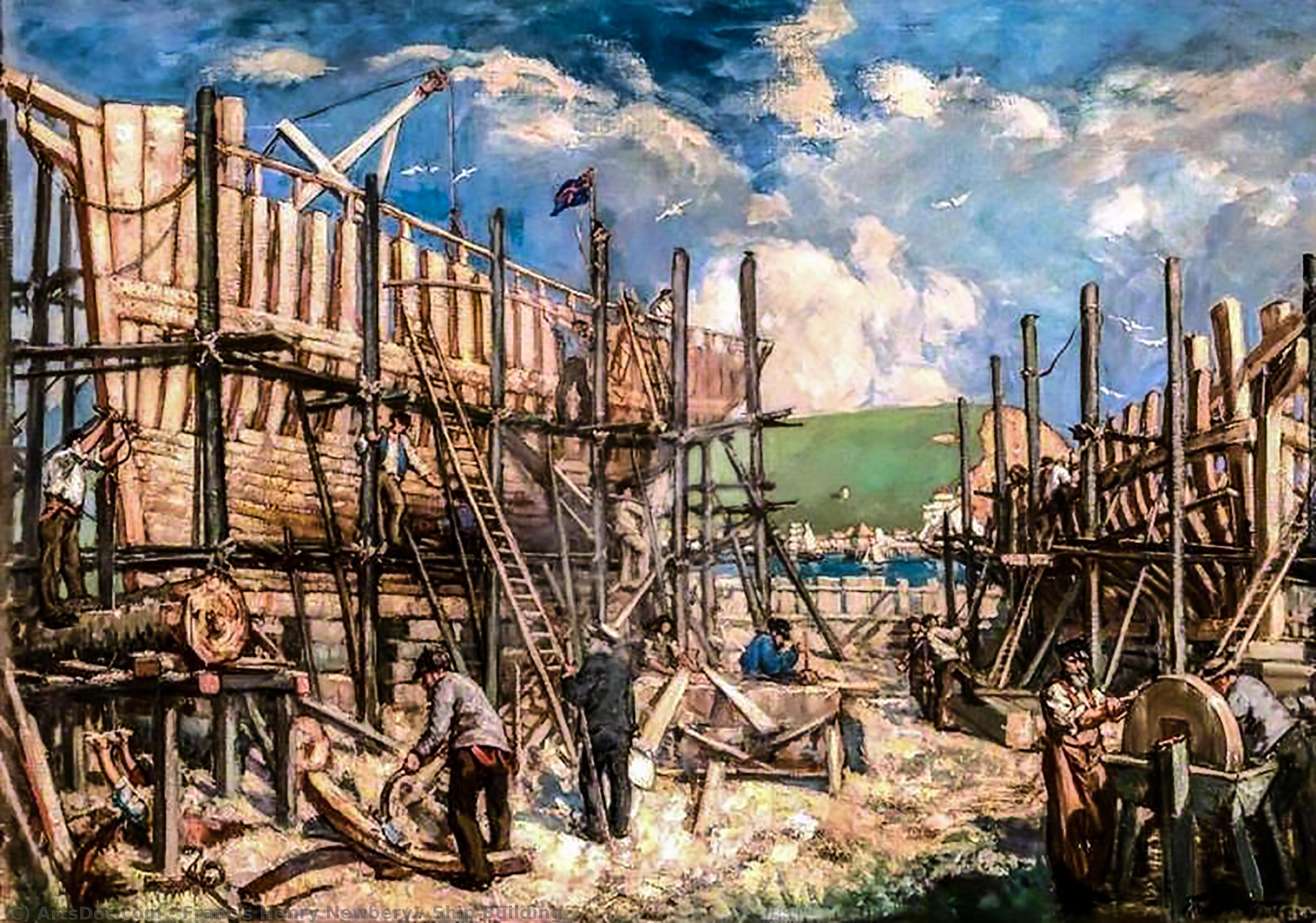
Ship Building
 1927
1927 120.0 x 170.0 cm
 Ver mais
Reprodução em Óleo Feita à Mão
Óleo sobre tela pintado à mão no seu tamanho e moldura, feito sob encomenda pelos nossos artistas. ( Encomendar impressão Comprar imagem em alta resolução)




































Escolha entre os nossos tamanhos pré-definidos que respeitam as proporções originais da obra de arte.

Pode inserir as suas próprias dimensões para se adequar a uma moldura ou espaço específico. Se o tamanho selecionado não corresponder às proporções da imagem original, iremos cortar a obra de arte ou estender a pintura com elementos adicionais pintados à mão. Um esboço digital será enviado para sua aprovação antes do início da produção.
Tenha em atenção que a pré-visualização no ecrã não reflete o corte ou extensão real. Apenas o esboço mostrará com precisão a composição final.
Embora tamanhos personalizados estejam disponíveis, recomendamos selecionar uma dimensão da lista predefinida para preservar as proporções originais.
Após o pedido, a equipa OriginalUniqueArt.com enviará um e-mail ao cliente para solicitar instruções e fornecer uma prévia do esboço.
Entrega mundial () em 3 a 4 semanas, em vez das 5 semanas padrão. (14 Agosto). Sem comprometer a qualidade.

Envio Expresso Gratuito para todo o Mundo

Tela de Linho Premium

Seguro de transporte total

Garantia de Reembolso de Impostos Alfandegários

Garantia de Fidelidade de Cor

Política de Devolução de 60 Dias (Apenas para Defeitos)

Garantia de reembolso de 100%

Desconto para múltiplas unidades
 A opção de vidro está disponível apenas para tamanhos inferiores a 110 cm

Ship Building
Técnica de Reprodução
Dimensões da Reprodução
-


Preço Total
$ 300
Biografia do Artista
Francis Henry Newbery: Shaping Scottish Art Through Visionary Leadership
Francis Henry Newbery (1855 – 1946) stands as a pivotal figure in the history of British art education and Glasgow Style painting, leaving an indelible mark on Scotland’s artistic landscape. Born in Devon to shoemaker William Newbery and Eliza (née Treloar), his early life instilled a grounding in craftsmanship alongside a burgeoning passion for visual arts—a duality that would profoundly shape his career trajectory. He pursued formal schooling in Bridport, Dorset, earning qualifications as both a teacher and an art master, experiences which honed his pedagogical skills and deepened his understanding of artistic principles. A scholarship to London’s Slade School of Art in 1881 propelled him into the heart of London’s artistic milieu where he cultivated connections with prominent artists like James Guthrie and John Lavery. These formative years nurtured his artistic sensibilities and solidified his commitment to fostering creativity within young minds. Recognizing the importance of practical training alongside theoretical knowledge, Newbery championed a revolutionary approach at Glasgow School of Art—establishing it as one of the first UK art schools to prioritize practising artists over certificated instructors. This bold decision fostered an environment where innovation thrived and encouraged students to explore their individual artistic voices. His leadership at Glasgow School of Art between 1885 and 1917 cemented his legacy as a transformative educator and visionary director. Crucially, he collaborated closely with Charles Rennie Mackintosh on the design of the school’s iconic building—a testament to his belief in architectural harmony and artistic collaboration. Mackintosh's influence extended beyond the physical structure; Newbery actively promoted Mackintosh’s distinctive Glasgow Style, nurturing a generation of artists who embraced its geometric forms and decorative motifs. Furthermore, he instituted craft workshops and introduced embroidery classes, recognizing the value of diverse artistic disciplines and empowering students to develop multifaceted skills. Newbery’s own painting style aligned with the Glasgow Boys movement—a group of young Scottish painters who championed Impressionism and plein air painting techniques. He produced evocative landscapes and portraits imbued with a sensitivity to light and color, reflecting his profound connection to the Dorset countryside where he resided in Corfe Castle during his retirement years. Continuing to paint until 1932, Newbery remained dedicated to artistic expression until his death on December 18, 1946. His contribution to art education and his role in shaping Glasgow Style—a movement that redefined British decorative arts—solidifies his place as a cornerstone of Scottish artistic heritage.- Notable Works: “The Lady of the Carnation,” “Herbert Fitton Stockdale,” “The Spirit of Bridport, Dorset”
- Influences: Whistler, Barbizon School, Impressionism
- Achievements: Director of Glasgow School of Art; Collaborator with Charles Rennie Mackintosh; Champion of Scottish Artists

francis henry newbery
1855 - 1946
Informações Rápidas
- Artistic Movement Or Style: Glasgow Style
- Artists Or Movements Influenced By This Artist: ['Mackintosh Designs']
- Artists Who Influenced This Artist:
- James Guthrie
- John Lavery
- Date Of Birth: 1855
- Date Of Death: 1946
- Full Name: Francis Henry Newbery
- Nationality: British
- Notable Artworks:
- The Lady of the Carnation
- Herbert Fitton Stockdale
- The Spirit of Bridport
- Place Of Birth: Devon, England

