Early Renaissance · 1442
The Annunciation (Fra Angelico, 1442)
Fra Angelico (1395–1455) criou The Annunciation. Data de 1442. Pertence ao movimento Early Renaissance. É feito em Fresco. Está conservada no Convento de San Marco, em Florença, Itália. Mede 230 × 321 cm.
- 1442
- Fresco
- 230 × 321 cm
- Convento de San Marco, Florença

 Pintura a Óleo Feita à Mão
 Compartilhar
 Compartilhar
 Ficha técnica


 Baixar imagem
 Semelhantes
 Ver diaporama
 Perguntas e Respostas

 Estatísticas
The Annunciation, em resumo
- Título
- The Annunciation
- Artista
- Fra Angelico (1395–1455)
- Artista nascido em
- Vicchio, Itália
- Data
- 1442
- Técnica
- Fresco
- Dimensões
- 230 × 321 cm
- Onde ver
- Convento de San Marco, Florença, Itália
- Movimento
- Early Renaissance
- Período
- Renaissance
- Tema
- annunciation, mary, gabriel, angel, fresco, medieval
O que The Annunciation retrata?
A Moment of Divine Revelation: Fra Angelico’s “The Annunciation”
Fra Angelico's "The Annunciation," painted in 1442, is more than just a depiction of a pivotal biblical event; it’s an immersion into a realm of serene spirituality and exquisite detail. This fresco, housed within the walls of a Dominican monastery (though its exact location has shifted over time), captures the profound moment when the Archangel Gabriel announces to Mary that she will conceive and bear the son of God. The painting immediately draws the viewer in with its carefully orchestrated composition – a sense of quiet grandeur achieved through the strategic placement of arches, benches, and the central figures themselves.
The scene unfolds within a room bathed in a soft, diffused light, characteristic of Fra Angelico’s signature style. Earth tones dominate the palette—ochres, siennas, and umbers—creating an aged, almost timeless quality that speaks to the enduring nature of faith. This deliberate use of color isn't merely decorative; it evokes the atmosphere of a monastic setting, reflecting the contemplative life of the Dominican order. Notice how the artist masterfully employs *sfumato*, a technique borrowed from Leonardo da Vinci, softening edges and creating an ethereal haze that contributes to the overall sense of otherworldly beauty.
The Dance of Figures: Composition and Symbolism
At the heart of the composition are Mary and Gabriel. Mary, kneeling in humble reverence, gazes upwards with a mixture of surprise and acceptance. Her posture is graceful yet grounded, embodying both vulnerability and strength. The angel, rendered with delicate wings outstretched, presents the news with an air of solemnity and divine authority. The subtle shift in their gestures—Mary’s downward tilt of her head versus Gabriel's raised hand—creates a dynamic interplay between them, illustrating the exchange of this momentous revelation.
Beyond the central figures, details abound that enrich the narrative. The two benches flanking the scene aren’t merely architectural elements; they represent the earthly realm and the setting for this divine encounter. The presence of a third figure, partially obscured within the architecture – often interpreted as John the Baptist or even an attendant – adds to the sense of a sacred space unfolding before our eyes. The lilies held by Gabriel are a potent symbol of purity and virginity, directly referencing Mary’s role in salvation history.
A Masterclass in Early Renaissance Technique
Fra Angelico's skill as a painter is immediately apparent in the meticulous detail of "The Annunciation." He was renowned for his painstaking preparation – often sketching numerous studies before committing to fresco. This dedication is evident in the rendering of Mary’s garments, the folds of her veil, and the intricate details of Gabriel’s wings. The artist's use of *tempera* on gesso—a technique common at the time—allowed for layering colors and achieving remarkable luminosity.
- Layered Fresco Technique: Fra Angelico employed a meticulous process, starting with a rough ground (gesso) and building up layers of color to create depth and vibrancy.
- Sfumato Effect: The subtle blurring of lines and edges, particularly around the figures’ faces, contributes to the painting's ethereal quality.
- Symbolic Color Palette: The earth tones evoke a sense of monastic austerity and spiritual contemplation.
Emotional Resonance and Timeless Beauty
"The Annunciation" transcends its biblical subject matter, offering a profound meditation on faith, humility, and divine grace. It’s a painting that invites quiet reflection, prompting viewers to consider the transformative power of belief. Fra Angelico's ability to capture such intense emotion with such understated elegance is what secures this work’s place as one of the most beloved and enduring images of the Early Renaissance. OriginalUniqueArt offers exceptional reproductions of this masterpiece, allowing you to bring its serene beauty into your home or office – a testament to the timeless artistry of Fra Angelico.
Em qual museu se encontra The Annunciation?
Convento de San Marco
Florença, Itália
Um Santuário de Fé e Arte O Convento de San Marco ergue-se como um testemunho singular do patrimônio artístico de Florença — um lugar onde o espírito do Renascimento se entrelaça com uma profunda devoção religiosa. Mais do que simplesmente abrigar obras-primas, ele oferece uma jornada imersiva de volta ao século XV, convidando os visitantes a contemplar o legado de Fra Angelico e Girolamo Savonarola dentro das paredes de um convento dominicano lindamente preservado. Estabelecido originalmente como um monastério valombrosiano no século XIII, a transformação de San Marco em um centro vibrante de pensamento humanista e inovação artística começou com o patrocínio de Cosimo de' Medici — um momento crucial que assegurou a chegada de uma ordem dominicana reformada e inaugurou uma era de criatividade sem precedentes.


Imagens em alta resolução de The Annunciation

Fra Angelico, The Annunciation (1442), Convento de San Marco. Domínio público.
Perguntas sobre The Annunciation respondidas
Em qual museu se encontra a obra original de "The Annunciation"?
A obra original "The Annunciation", de Fra Angelico encontra-se no Convento de San Marco, Florença, Itália. Uma reprodução permite que a obra seja exibida em sua casa.
Em que ano foi criado "The Annunciation"?
"The Annunciation" data de 1442. A data situa a obra na carreira de Fra Angelico e em sua época.
De que técnica é feita a obra "The Annunciation"?
A técnica de "The Annunciation", de Fra Angelico é Fresco. As reproduções visam reproduzir a aparência desta técnica.
Quais são as dimensões da obra original "The Annunciation"?
"The Annunciation" mede 230 x 321 cm em sua forma original. As dimensões originais são uma referência útil ao escolher o tamanho de uma reprodução.
Quais temas aparecem em "The Annunciation", de Fra Angelico?
"The Annunciation", de Fra Angelico retrata: annunciation, mary, gabriel, angel, fresco, medieval, spirituality, tuscan.
"The Annunciation", de Fra Angelico está em domínio público?
"The Annunciation", de Fra Angelico está em em domínio público — seus direitos autorais expiraram. Este status determina como a imagem da obra pode ser reproduzida.
Quem criou "The Annunciation"?
"The Annunciation" foi criado por Fra Angelico. As informações nesta página descrevem a obra original de Fra Angelico.
A qual estilo pertence "The Annunciation"?
"The Annunciation", de Fra Angelico pertence ao movimento Early Renaissance. Este movimento fornece o contexto estilístico da obra.
A que período da carreira de Fra Angelico pertence "The Annunciation"?
Dentro da trajetória de Fra Angelico, "The Annunciation" pertence ao período Early Renaissance. Esta fase permite compará-la com outras obras do artista.
Sobre o artista, Fra Angelico
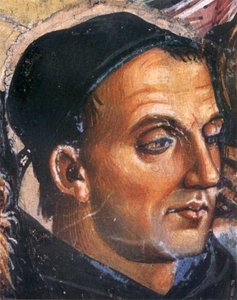
1395–1455, Itália
Fra Angelico
Vida Inicial e Formação Espiritual Nascido como Guido di Pietro no Mugello, o homem que viria a ser conhecido como Fra Angelico iniciou sua jornada nas colinas toscanas, próximas a Florença. Por volta de 1395, ele era conhecido como Giovanni da Fiesole. Seus primeiros anos foram moldados pela paisagem serena desta região, um cenário que parecia antecipar a espiritualidade de sua obra. Eventualmente, o jovem Giovanni ingressou na Ordem Dominicana em Fiesole, uma escolha que o conduziu da vida de um leigo para o ambiente disciplinado e contemplativo do mosteiro.
Também de Fra Angelico
 A Anunciação1430
 Madona com o Menino, Santos e Crucificação
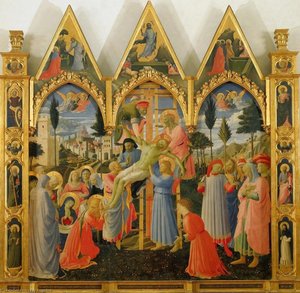 A Deposição
 Juízo Final1431
Ensaios sobre The Annunciation
 Divine Beauty: The 25 Most Iconic Masterpieces by Fra AngelicoJourney through the divine beauty of Fra Angelico's finest works. Explore 25 iconic Renaissance masterpieces, from ethereal frescoes to sac…
 The Enduring Legacy of Fresco: Technique, History & Artistic ExpressionExplore the rich history & enduring artistry of fresco painting. Discover techniques from Giotto to Michelangelo, conservation efforts, & m…
 Sacred Narratives: Decoding the Iconography and Artistry of the AnnunciationExplore the profound symbolism and mastery behind Renaissance Annunciation paintings. Discover the secrets of these sacred masterpieces now.