
 Visualizar na parede

 Compartilhar
 Compartilhar
 Detalhes
 Guia


 Baixar imagem
 Semelhantes
 Raio X
 Ver diaporama
 Perguntas e Respostas
 Estatísticas
Forest Landscape

- 111.0 x 99.0cm


 Ler mais
Giclée / Impressão de Arte
Impressão giclée ou em tela de qualidade de museu, com produção rápida e opções flexíveis de acabamento. ( Comprar pintura feita à mão Alternar para Imagem Digital)




































Escolha entre os nossos tamanhos pré-definidos que respeitam as proporções originais da obra de arte.

Insira a largura e a altura desejadas para se ajustarem à sua moldura ou parede. Uma impressão pode ser apenas cortada, nunca ampliada além da imagem original; portanto, um tamanho com proporções diferentes resultará na perda de parte da imagem. Enviamos uma maquete digital para sua aprovação antes de realizarmos a impressão. A imagem exibida nesta página não mostra o corte real — apenas a maquete o faz.
Entrega mundial () em 2 semanas, em vez das 4/5 semanas padrão. (19 Novembro)

Envio expresso gratuito para todo o mundo

Tela de Linho de Alta Qualidade

Seguro de transporte completo

Garantia de Reembolso de Impostos Alfandegários

Garantia de Fidelidade Cromática

Política de Devolução em 100 Dias (Apenas para Defeitos)

Garantia de reembolso de 100%

Oferta de desconto por quantidade
 A opção de vidro está disponível apenas para tamanhos inferiores a 110 cm

Forest Landscape
Giclée / Impressão de Arte
Tamanho da Reprodução
-


Preço Total
€ 72
Biografia do Artista
Teaching Career in Weimar
In 1871, Theodor Hagen arrived at the Weimar Saxon-Grand Ducal Art School. He had been summoned to take over the teaching of landscape painting, stepping into the position left by Max Schmidt. His presence at the school was initially a temporary arrangement, but by 1874, he had secured a permanent appointment. He spent many years within these walls, shaping how others approached the natural world through paint.
The administrative side of the school eventually took hold of his schedule. From 1876 to 1881, Theodor Hagen served as the head of the art department. This period required a different kind of focus, one centered on the management of the institution rather than the immediate observation of light and shadow. The duties of leadership grew heavy, and he eventually found himself weary of the administrative responsibilities that came with the role.
He chose to step away from the desk and the formal oversight of the department. He returned to the simple, direct work of teaching, focusing his energy back on the practice of painting. This shift allowed him to move away from the complexities of school management and return to the studio and the classroom, where his primary interest lay.
Artistic Style and Movements
The brushwork reveals a shift away from the rigid structures of his early training toward the open air. He found a sense of purpose in the plein-air methods used by the French Barbizon School, moving his easel into the elements to catch the shifting atmosphere. This approach allowed for a more direct engagement with the natural world, focusing on how light and colour interact in a specific moment. His canvases often capture the way light settles upon the surface of the water or filters through a heavy sky.
Much of his focus remained on the coast. He spent significant time painting the harbor and the North Sea, seeking to translate the movement of the tides and the weight of the maritime air onto the canvas. This interest in the immediate effects of light and atmosphere helped establish him as one of the founders of German Impressionism. Rather than seeking idealized landscapes, he looked for the subtle, unembellished truth of the scenery, often working closely with the changing weather to find the right tone for a scene.
Affiliations, Pupils and Death
His influence extended through the hands of those who sat in his classroom. Among his most notable students were Christian Rohlfs, Hanns Diehl, and Franz Bunke. These men learned under his guidance, carrying forward the lessons of landscape and light that he had refined through his own practice.
As his career progressed, he became part of the shifting circles of German art. He joined the Munich Secession in 1893 and later became a member of the Berlin Secession in 1902. These affiliations placed him at the center of the evolving artistic landscape in Germany during the turn of the century.
He spent his final years in Weimar. He died there on 12 February 1919. His presence in the city remains marked by a street named the Theodor-Hagen-Weg and his former home at Trierer Straße 36, which is preserved as a municipal monument.

Theodor Hagen
1842 - 1919 , Germany
Dados Rápidos
- Artistic Movement Or Style: Impressionism
- Artists Or Movements Influenced By This Artist:
- Christian Rohlfs
- Hanns Diehl
- Franz Bunke
- Artists Who Influenced This Artist:
- Oswald Achenbach
- Barbizon School
- Full Name: Theodor Joseph Hagen
- Nationality: German
- Place Of Birth: Düsseldorf, Germany
- Date Of Birth: 1842
- Date Of Death: 1919
Artigos Relacionados

Masterpieces of Munich: Top 25 Artworks in the Bavarian State Painting Collections
Explore 25 iconic masterpieces from Munich's Bavarian State Painting Collections. Discover timeless art on OriginalUniqueArt.com.

Masterpieces of Munich: Top 25 Artworks in the Bavarian State Painting Collections
Explore 25 iconic masterpieces from Munich's Bavarian State Painting Collections. Discover timeless art on OriginalUniqueArt.com.
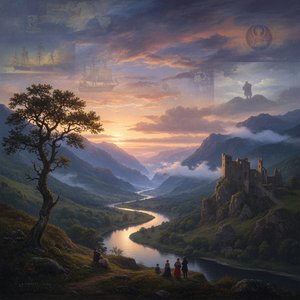
Os 10 Mestres da Paisagem Romântica: Arte para Inspirar a Sua Casa
Descubra os 10 quadros mais emblemáticos da Paisagem Romântica! Explore a história de Turner, Friedrich e outros mestres. Encontre reproduções de arte exclusivas para inspirar sua decoração em OriginalUniqueArt.com.

Golden Splendor: The Top 25 Masterpieces by Gustav Klimt
Immerse yourself in the golden splendor of Gustav Klimt. Explore 25 iconic masterpieces from the Vienna Secession, featuring breathtaking Art Nouveau textures and symbolism. Find inspiration for museum-quality art reproductions and decor. Discover all masterpieces on OriginalUniqueArt.com.
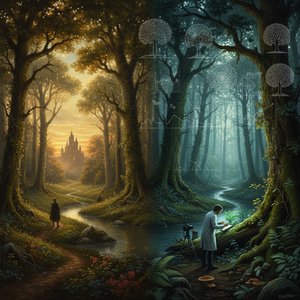
The Enchanted Canopy: Exploring Forests in Art History – From Romantic Idealization to Ecological Consciousness
Explore the rich history of forests in art! Discover Romantic masterpieces by Friedrich & Monet, Symbolist depths, and contemporary visions. Find inspiration & quality reproductions at OriginalUniqueArt.