
 Visualizar na parede
 Compartilhar
 Compartilhar
 Detalhes
 Guia
Guia

 Baixar imagem
 Semelhantes
 Raio X
 Ver diaporama
 Q&A
Q&A Estatísticas
The Penitent St Jerome

- 47.0 x 34.0 cm


 Ler mais
Giclée / Impressão de Arte
Impressão giclée ou em tela de qualidade de museu, com produção rápida e opções flexíveis de acabamento. ( Comprar pintura feita à mão Alternar para Imagem Digital)




P118B €10

P118H €10

P118W €10

P438Z €10

P508JH €12

P508YH €12

P805H €10

P805Z €10

P919BZ €10

P919G €10

P919XJ €10

P959ZH €10

P968JZ €12

W106C €8

W218G €10

W218JH €8

W218Y €10

W307PJ €10

W316G €10

W316PJ €8

W316Y €10

W398PJ €8

W4111J €10

W500HY €15

W500JH €15

W692G €12

W849H €8

W940BG €15

W953PJ €8




Escolha entre os nossos tamanhos pré-definidos que respeitam as proporções originais da obra de arte.

Insira a largura e a altura desejadas para se ajustarem à sua moldura ou parede. Uma impressão pode ser apenas cortada, nunca ampliada além da imagem original; portanto, um tamanho com proporções diferentes resultará na perda de parte da imagem. Enviamos uma maquete digital para sua aprovação antes de realizarmos a impressão. A imagem exibida nesta página não mostra o corte real — apenas a maquete o faz.
Entrega mundial () em 2 semanas, em vez das 4/5 semanas padrão. (2 Novembro)

Envio expresso gratuito para todo o mundo

Tela de Linho de Alta Qualidade

Seguro de transporte completo

Garantia de Reembolso de Impostos Alfandegários

Garantia de Fidelidade Cromática

Política de Devolução em 100 Dias (Apenas para Defeitos)

Garantia de reembolso de 100%

Oferta de desconto por quantidade
 A opção de vidro está disponível apenas para tamanhos inferiores a 110 cm

The Penitent St Jerome
Giclée / Impressão de Arte
Tamanho da Reprodução
-


Preço Total
€ 71
The Penitent St Jerome: A Renaissance Echo of Spiritual Struggle
Filippino Lippi’s “The Penitent St Jerome,” painted in 1485, is more than just a depiction of a biblical figure; it's a profound meditation on faith, remorse, and the arduous path to redemption. The painting immediately draws the viewer into a world of stark contrasts – the cool, shadowed depths of the cave against the warm glow emanating from the central figure, the rough texture of the stone juxtaposed with the delicate folds of his robe. It’s a scene steeped in emotional intensity, rendered with the meticulous detail and psychological insight characteristic of the Florentine Renaissance.
Lippi masterfully employs perspective to create an immersive experience. The viewer is positioned as if observing St Jerome from a slightly elevated vantage point, peering into the darkness of his refuge. The receding cityscape in the background—a hazy, almost dreamlike vision of Florence—suggests both earthly constraints and the promise of spiritual transcendence. This architectural backdrop isn’t merely decorative; it subtly reinforces the theme of isolation and the struggle between the material world and divine grace.
A Masterclass in Renaissance Technique
The painting is executed primarily in oil on panel, a medium that allowed Lippi to achieve an extraordinary level of realism and luminosity. Note the subtle gradations of color – the deep blues and purples of the shadows, the earthy browns and ochres of the stone, and the rich crimson of the saint’s robe. Lippi's brushwork is remarkably controlled, yet imbued with a sense of movement and dynamism. The texture of the rock face is rendered with astonishing accuracy, inviting the viewer to almost feel its rough surface beneath their fingertips. This attention to detail extends to the folds of the fabric, which appear both weighty and fluid, conveying the saint’s physical suffering.
The pyramidal composition—a hallmark of Renaissance art—anchors the scene and directs the eye towards St Jerome. The figure dominates the center, radiating a quiet intensity that speaks volumes about his inner turmoil. The use of chiaroscuro – the dramatic interplay of light and shadow – further emphasizes this sense of drama and psychological depth. Lippi doesn’t simply depict a saint; he captures the very essence of his struggle.
Symbolism and Spiritual Resonance
“The Penitent St Jerome” is rich in symbolic meaning. The cave itself represents both physical isolation and spiritual retreat, a place where the saint can confront his past sins and seek forgiveness. The stone he uses to beat his chest is a potent symbol of self-flagellation – a practice associated with penance and repentance. The small lion, traditionally an attribute of St Jerome, is barely visible in the background, perhaps suggesting the fading power of earthly dominion and the triumph of spiritual authority.
The presence of the crucifix—a subtle but crucial element—underscores the central theme of redemption through sacrifice. St Jerome’s posture – hunched over, his face etched with sorrow – conveys a profound sense of humility and devotion. The painting isn't merely about suffering; it’s about transformation, about the possibility of finding solace and grace amidst pain and regret.
A Timeless Meditation on Faith
“The Penitent St Jerome” remains a powerfully evocative work of art, offering viewers a glimpse into the complexities of faith, repentance, and the human condition. It’s a testament to Lippi's artistic skill and his profound understanding of the spiritual themes he explored. Reproductions of this masterpiece capture not only its visual beauty but also the emotional weight and timeless resonance of its message – a reminder that even in our darkest moments, redemption is always within reach.
Perguntas e Respostas
Qual é a intensidade das cores de "The Penitent St Jerome", de Filippino Lippi?
A intensidade de cor de "The Penitent St Jerome" é Monochromatic. A intensidade descreve o quão vibrantes as cores parecem ser.
Posso ver "The Penitent St Jerome", de Filippino Lippi sob diferentes luzes?
A visualização em Raio-X de "The Penitent St Jerome", de Filippino Lippi está disponível na página Raio X da obra: um exame interativo da imagem através de onze camadas ópticas.
Qual é a atmosfera geral de "The Penitent St Jerome", de Filippino Lippi?
"The Penitent St Jerome" possui uma atmosfera Dramatic.
Biografia do Artista
Os Primeiros Anos e a Formação de um Mestre
Filippino Lippi nasceu em Prato, Itália, em abril de 1457, fruto de uma união não oficial entre o renomado pintor Fra Filippo Lippi e Lucrezia Buti. Sua origem, embora marcada pela irregularidade, lançou-o desde cedo no vibrante universo da arte renascentista florentina. A figura paterna exerceu uma influência primordial em sua formação inicial, transmitindo-lhe os fundamentos da técnica pictórica e o apreço pela beleza idealizada. O jovem Filippino absorveu a sensibilidade do pai, mas logo demonstraria um talento singular, capaz de transcender as convenções e imprimir sua própria marca nas telas. A infância e juventude foram dedicadas ao estudo minucioso das formas, cores e composições, preparando-o para os desafios artísticos que o aguardavam.A Evolução do Estilo e a Busca pela Expressividade
O percurso artístico de Filippino Lippi pode ser dividido em fases distintas, cada uma revelando um amadurecimento progressivo de seu estilo. Nos primeiros trabalhos, datados entre 1475 e 1480, suas Madonnas exibem uma certa ingenuidade e falta de refinamento, sendo inicialmente atribuídas a um artista anônimo conhecido como “amico di Sandro”. Contudo, logo se delineia uma personalidade mais forte, com obras como as *Jornadas de Tobias* (1480-1485) demonstrando uma abordagem mais pessoal e eficaz na representação das figuras e narrativas. A partir de 1485, Filippino atinge a maturidade plena, dominando os princípios da Alta Renascença e criando obras-primas como *A Aparição de Cristo à Virgem*, que sintetizam a graça, o dinamismo e a expressividade características de sua arte.Colaborações Prestigiosas e Obras Emblemáticas
A carreira de Filippino Lippi foi marcada por colaborações com alguns dos maiores artistas de seu tempo, como Perugino, Ghirlandaio e Botticelli. Juntos, eles decoraram os afrescos da villa de Lorenzo de’ Medici, um importante mecenas das artes florentinas. Um dos seus feitos mais notáveis foi a conclusão da decoração inacabada da Capela Brancacci, iniciada por Masaccio, ao lado de Masolino. Essa empreitada representou um desafio considerável, mas Filippino demonstrou sua habilidade e sensibilidade ao integrar suas obras às existentes, criando uma narrativa visual coerente e impactante. Entre seus trabalhos mais célebres destacam-se *A Coroação da Virgem*, *Tobias e o Anjo*, *São Jerônimo* e *Cena da Vida de São Tomás de Aquino*, cada um revelando sua maestria na composição, no uso da cor e na representação das emoções humanas.Influências Artísticas e a Singularidade do seu Traço
Filippino Lippi absorveu as influências de diversos artistas, mas soube criar um estilo próprio e inconfundível. Sandro Botticelli e Fra Filippo Lippi foram figuras importantes em sua formação inicial, transmitindo-lhe o apreço pela beleza idealizada e a elegância das formas. No entanto, Filippino logo desenvolveu uma linguagem visual mais dinâmica e expressiva, caracterizada por traços animados, cores vibrantes, paisagens detalhadas e figuras com forte carga emocional. Sua incursão no estudo de antiguidades romanas durante sua estadia em Roma também deixou sua marca em suas obras, incorporando elementos da arte clássica à sua produção. A combinação desses diversos elementos resultou em um estilo único, que o consagrou como um dos principais expoentes da pintura renascentista florentina.Legado Histórico e a Perpetuação de uma Arte Inesquecível
Filippino Lippi deixou um legado duradouro na história da arte italiana, sendo considerado um dos principais representantes da tradição dos grandes ciclos de afrescos florentinos. Sua influência na Alta Renascença é inegável, inspirando gerações de artistas com sua técnica apurada e sua sensibilidade expressiva. Suas obras podem ser admiradas em museus de todo o mundo, incluindo a Galeria Uffizi em Florença, onde se encontram alguns de seus trabalhos mais emblemáticos. Filippino Lippi é lembrado como um artista que soube conciliar as tradições renascentistas com as novas tendências estéticas, abrindo caminho para uma nova era na história da arte. Sua capacidade de transmitir emoção e beleza através das cores e formas continua a encantar e inspirar admiradores em todo o mundo, perpetuando sua memória como um dos grandes mestres da pintura italiana. Um artista que soube pintar não apenas imagens, mas também sentimentos.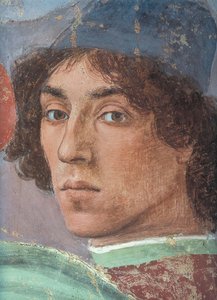
Filippino Lippi
1457 - 1504 , Itália
Dados Rápidos
- Artistas Influenciados: ['Raffaellino del Garbo']
- Artistas Que O Influenciaram:
- Fra Filippo Lippi
- Sandro Botticelli
- Data Da Morte: Abril de 1504
- Data De Nascimento: Abril de 1457
- Local De Nascimento: Prato, Itália
- Movimento Artístico: Alto Renascimento
- Nacionalidade: Italiano
- Nome Completo: Filippino Lippi
- Obras Notáveis:
- Coroação da Virgem
- Jornadas de Tobias
- São Jerônimo
Artigos Relacionados

Filippino Lippi: Renaissance Innovation Bridging Faith & Humanism
Explore the captivating world of Filippino Lippi, a Renaissance master bridging faith & humanism through innovative art. Discover his key works, influences, and lasting legacy with OriginalUniqueArt.

Oil on Canvas: A Historical & Technical Exploration of a Timeless Artistic Medium
Explore the rich history & enduring techniques of oil painting on canvas. Discover the science behind its longevity, conservation practices, and contemporary relevance. Expert insights for art enthusiasts.

The Enduring Power of Painting: A Historical & Contemporary Exploration of Form and Emotion
Explore the rich history & enduring techniques of oil painting with OriginalUniqueArt. Discover masterpieces, learn about art collecting, and find authentic handmade reproductions crafted by skilled artists.
Filippo Lippi: Bridging Renaissance Devotion & Artistic Innovation
Explore the life & revolutionary art of Filippo Lippi, a pivotal Renaissance painter. Discover his masterpieces, influence on Botticelli, and investment potential. Expert analysis at OriginalUniqueArt.

The Enduring Legacy of Oil on Canvas: Technique, History & Aesthetic Impact
Explore the rich history & techniques of oil painting – from Renaissance masters to Impressionism. Discover pigments, layering methods, and why this timeless medium endures. Expert insights for artists & art enthusiasts.
