Boterismo
oranges (Fernando Botero)
Fernando Botero (1932–2023) criou oranges. Pertence ao movimento Boterismo. É feito em Oil.
- Oil

 Visualizar na parede

 Pintura a Óleo Feita à Mão
 Compartilhar
 Compartilhar
 Ficha técnica


 Baixar imagem
 Semelhantes
 Raio X
 Ver diaporama
 Perguntas e Respostas

 Estatísticas
oranges, em resumo
- Título
- oranges
- Artista
- Fernando Botero (1932–2023)
- Artista nascido em
- Medellín, Colômbia
- Técnica
- Oil
- Movimento
- Boterismo
- Período
- Contemporary
- Tema
- oranges, bread, fruit, table, still life
O que oranges retrata?
The Sensual Geometry of Still Life
In the vibrant world of Fernando Botero, even the simplest objects undergo a profound transformation. His painting, oranges, invites the viewer into a tactile universe where volume and color reign supreme. At first glance, the composition presents a classic still life: a collection of citrus fruits and a rustic loaf of bread resting upon a table. However, through Botero's inimitable lens, these are not merely foodstuffs; they are sculptural entities. The oranges, rendered with a magnificent sense of weight and roundness, command the center of the canvas, their skins glowing with an inner warmth that seems to radiate against the more muted tones of the background. The presence of the bread adds a grounded, earthy texture to the scene, creating a delicious tension between the juicy, bright acidity of the fruit and the dry, porous crust of the baked good.
The technique employed here is a masterclass in what has come to be known globally as Boterismo. Rather than focusing on the delicate, fleeting light found in Impressionism, Botero utilizes smooth, deliberate brushwork to emphasize mass and substance. There is an almost architectural quality to the way the oranges are placed; they possess a gravity that makes them feel permanent and monumental. This exaggerated volume does not distort reality so much as it celebrates the essence of form. For the collector or interior designer, this piece offers a striking visual anchor, providing a sense of abundance and stability that can breathe life and a sophisticated, playful energy into any curated space.
A Celebration of Form and Vitality
Beyond the surface level of fruit and bread, oranges serves as a meditation on the beauty of abundance. Botero’s work often carries an underlying sense of joy and a celebration of life's sensory pleasures. The way the light catches the curves of the citrus creates a rhythmic movement across the table, guiding the eye from the large, central fruit to the smaller, scattered pieces that populate the periphery. This arrangement suggests a bountiful harvest, evoking feelings of comfort, prosperity, and the simple delights of the domestic sphere. It is an art piece that does not demand intellectual struggle but rather offers an emotional embrace.
For those looking to integrate fine art into a modern or classical interior, this reproduction serves as a versatile masterpiece. Its bold color palette—dominated by warm oranges, yellows, and deep ochres—complements a wide variety of decor styles, from contemporary minimalist settings to more traditional, opulent rooms. The painting acts as a window into a world where everything is larger than life, encouraging the viewer to slow down and appreciate the magnificent weight of the everyday. Owning such a piece is not just about decoration; it is about inviting a sense of exuberant vitality and timeless Colombian artistry into one's personal sanctuary.
Imagens em alta resolução de oranges

Protegido por direitos de autor: estes ficheiros são para referência pessoal, não constituem uma licença para republicação.
Fernando Botero, oranges.
Perguntas sobre oranges respondidas
De que técnica é feita a obra "oranges"?
Fernando Botero utilizou a técnica de Oil para "oranges". A técnica define a natureza material da obra original.
O que "oranges", de Fernando Botero retrata?
Os temas de "oranges" são oranges, bread, fruit, table, still life.
A imagem de "oranges", de Fernando Botero pode ser reproduzida livremente?
"oranges", de Fernando Botero está em ainda protegido por direitos autorais. Este status determina como a imagem da obra pode ser reproduzida.
A qual artista "oranges" é atribuída?
O artista por trás de "oranges" é Fernando Botero. A obra está catalogada sob o nome de Fernando Botero.
A qual estilo pertence "oranges"?
"oranges", de Fernando Botero pertence ao movimento Boterismo. Este movimento fornece o contexto estilístico da obra.
A que fase da trajetória de Fernando Botero "oranges" pertence?
"oranges" representa o Mature Period de Fernando Botero.
"oranges", de Fernando Botero, está em domínio público? E por quê?
"oranges", de Fernando Botero, está em ainda protegido por direitos autorais. Os termos de direitos autorais são calculados a partir do falecimento do artista, e Fernando Botero faleceu em 2023.
Como "oranges" se insere na trajetória artística de Fernando Botero?
Na produção de Fernando Botero, "oranges" insere-se no estilo Boterismo, acompanhando os temas de baroque splendor influence, boterismo voluminous style, vibrant still life, exploration of form, latin american art history.
"oranges" é típico do que Fernando Botero costumava criar?
"oranges" retrata oranges, bread, fruit, table, still life, enquanto os temas recorrentes de Fernando Botero são baroque splendor influence, boterismo voluminous style, vibrant still life, exploration of form, latin american art history. A comparação entre ambos revela como a obra se relaciona com os temas habituais do artista.
Sobre o artista, Fernando Botero

1932–2023, Colômbia
Fernando Botero
Primeiros Anos, Família e Formação Fernando Botero nasceu em 19 de abril de 1932, em Medellín, Colômbia. Seus primeiros anos foram moldados pelos ritmos tranquilos e constantes de um lar que lutava para garantir o sustento. Seu pai, David Botero, ganhava a vida como vendedor, muitas vezes viajando a cavalo para alcançar seus clientes. Sua mãe, Flora Angulo, trabalhava como costureira, provendo o apoio necessário para a família.
Também de Fernando Botero
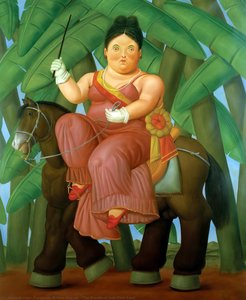 O Presidente e a Primeira-Dama
 la collectionneuse
 la famille
 scene de famille
Ensaios sobre oranges
 25 Masterpieces by Francisco de Zurbarán: The King of Spanish Baroque TenebrismImmerse yourself in the dramatic world of Francisco de Zurbarán. Explore 25 iconic Spanish Baroque masterpieces defined by intense tenebris…
 Citrus on Canvas: The Evolution of Orange Tones from Dutch Stilleven to ImpressionismExplore the evolution of citrus tones from Dutch masters to Impressionism. Trace this chromatic history through expert art analysis.
 Fernando Botero: Celebrating Volume, Form & Colombian IdentityExplore the captivating world of Fernando Botero! Discover his iconic 'Boterismo' style, Colombian influences, investment potential & lasti…