

 Visualizar em escala
 Enviar
 Compartilhar
 Ver detalhes
 Guia
Guia

 Baixar imagem
 Semelhantes
 Raio X
 Apresentação de slides
 Estatísticas
Ethnographic drawing - yoke
 Drawing
- WallArt
- Ethnographic Realism
 1900
1900- 19th Century
 61.0 x 43.0 cm
 National Museum of Ethnology
 Ver mais
Reprodução em Óleo Feita à Mão
Óleo sobre tela pintado à mão no tamanho e moldura de sua escolha, feito sob encomenda pelos nossos artistas. ( Alternar para Impressão Ver Imagem Digital)




P118B $10

P118H $10

P118W $10

P438Z $10

P508JH $12

P508YH $12

P805H $10

P805Z $10

P919BZ $10

P919G $10

P919XJ $10

P959ZH $10

P968JZ $12

W106C $8

W218G $10

W218JH $8

W218Y $10

W307PJ $10

W316G $10

W316PJ $8

W316Y $10

W398PJ $8

W4111J $10

W500HY $15

W500JH $15

W692G $12

W849H $8

W940BG $15

W953PJ $8




Escolha entre os nossos tamanhos pré-definidos que respeitam as proporções originais da obra de arte.

Pode inserir as suas próprias dimensões para se adequar a uma moldura ou espaço específico. Se o tamanho selecionado não corresponder às proporções da imagem original, iremos cortar a obra de arte ou estender a pintura com elementos adicionais pintados à mão. Um esboço digital será enviado para sua aprovação antes do início da produção.
Tenha em atenção que a pré-visualização no ecrã não reflete o corte ou extensão real. Apenas o esboço mostrará com precisão a composição final.
Embora tamanhos personalizados estejam disponíveis, recomendamos selecionar uma dimensão da lista predefinida para preservar as proporções originais.
Após o pedido, a equipa OriginalUniqueArt.com enviará um e-mail ao cliente para solicitar instruções e fornecer uma prévia do esboço.
Entrega mundial () em 3 a 4 semanas, em vez das 5 semanas padrão. (21 Setembro). Sem comprometer a qualidade.

Envio expresso gratuito para todo o mundo

Tela de Linho Premium

Seguro de transporte total

Garantia de Reembolso de Impostos Alfandegários

Garantia de Fidelidade de Cor

Política de Devolução em 100 Dias (Apenas para Defeitos)

Garantia de reembolso de 100%

Desconto para múltiplas unidades
 A opção de vidro está disponível apenas para tamanhos inferiores a 110 cm

Ethnographic drawing - yoke
Técnica de Reprodução
Dimensões da Reprodução
-


Preço Total
$ 300
A Window into a Vanished World
In the delicate, monochromatic strokes of Fernando Barbedo Galhano’s Ethnographic drawing - yoke, we are transported back to the turn of the twentieth century, a time when the rhythm of life was dictated by the strength of animals and the seasonal cycles of the earth. This exquisite drawing serves as more than just a technical study; it is a profound temporal bridge. Through his meticulous use of fine lines and subtle shading, Galhano captures the rugged texture of a wooden yoke and the powerful presence of horses harnessed in preparation for labor. The composition breathes with the quiet energy of a historical moment, where every carved detail on the wood and every fold in the surrounding landscape tells a story of human perseverance and cultural heritage.
The artistry lies in Galhano’s ability to blend the precision of an ethnographer with the soul of a fine artist. As a researcher and illustrator, his hand was guided by a deep respect for the traditional Portuguese life he sought to document. In this piece, the interplay of light and shadow creates a sense of three-dimensional depth, making the heavy timber of the yoke feel tangible to the viewer. The presence of figures scattered throughout the scene adds a layer of narrative complexity, suggesting a communal event or a shared moment of agricultural ritual. For the discerning collector, this work offers a rare glimpse into the intricate social fabric of a bygone era, rendered with a clarity that feels both intimate and monumental.
The Elegance of Historical Detail
For interior designers and lovers of classical aesthetics, this drawing presents a sophisticated opportunity to introduce historical gravity into a contemporary space. The monochromatic palette allows the piece to integrate seamlessly into various decor styles—from the minimalist elegance of a modern gallery-inspired room to the warm, textured layers of a rustic manor. The artwork does not merely decorate a wall; it anchors a room with its profound sense of history and quiet dignity. Its fine linework provides a rhythmic visual interest that complements high-quality textures like linen, dark wood, or stone.
Beyond its aesthetic versatility, the emotional impact of Galhano’s work is found in its reverence for the past. There is a certain nostalgia embedded in the ink, a longing for the tactile connection between man, beast, and tool. Owning a reproduction of this ethnographic masterpiece means preserving a fragment of cultural memory. It serves as a conversation piece that invites contemplation on the evolution of technology and the enduring spirit of tradition. Whether placed in a private study or a grand living area, Ethnographic drawing - yoke brings an atmosphere of scholarly depth and timeless grace to any environment.
Biografia do Artista
fernando barbedo galhano, um artista português, deixou uma marca indelével no mundo da arte e da etnografia. Nascido no Porto em 1904 e falecido em 1995, a vida de Galhano foi um testemunho dos seus talentos multifacetados como pintor, investigador, ilustrador e etnógrafo.
Primeiros anos e formação
A jornada artística de Galhano teve início sob a tutela do mestre Artur Loureiro, no Porto. Esta formação fundamental não só aperfeiçoou as suas competências na pintura, mas também lhe instilou um profundo apreço pelas nuances culturais de Portugal. A sua participação nas exposições do Salão Silva Porto, em 1937, 1943, 1946, 1951 e 1954, consolidou ainda mais a sua presença na comunidade artística portuguesa.
Contribuições para a etnografia
Como parte do Centro de Estudos de Etnografia Peninsular em 1948, Galhano colaborou com figuras notáveis como Jorge Dias, Ernesto Veiga de Oliveira e Benjamim Pereira. Este envolvimento marcou um marco significativo na sua carreira, estabelecendo-o como um dos principais ilustradores etnográficos do seu tempo. O seu trabalho abrange um vasto espectro de temas, incluindo:
- carros de bois: um testemunho do transporte tradicional português.
- arquitetura popular: documentando a essência da arquitetura vernácula em Portugal.
- ferramentas agrícolas: realçando os instrumentos que moldaram a paisagem agrícola do país.
- sistemas de transporte, cestaria, cerâmica, tecnologia têxtil e sistemas de moagem: proporcionando uma visão abrangente das diversas práticas culturais de Portugal.
- pesca: capturando a essência da cultura marítima portuguesa.
Legado e impacto
O legado de Galhano estende-se muito além do seu próprio tempo. Como um dos fundadores do Museu Nacional de Etnologia, em Lisboa, desempenhou um papel crucial na preservação do património cultural de Portugal. Os seus milhares de desenhos não só documentam vários aspetos da cultura portuguesa, como também servem de janela para as antigas colónias do país.
- A obra de Galhano é um tesouro para investigadores e entusiastas da arte, oferecendo perspetivas sobre as complexidades da vida portuguesa.
- As suas contribuições para a etnografia foram reconhecidas mundialmente, cimentando o seu estatuto como um dos artistas mais influentes da sua era.
- O legado de Galhano continua a inspirar novas gerações de artistas, investigadores e etnógrafos.
Conclusão
A vida de fernando barbedo galhano foi uma rica tapeçaria de arte, investigação e etnografia. Através do seu trabalho, deixou uma marca indelével no mundo da arte e continua a inspirar aqueles que seguem os seus passos.
- Explore mais obras de Galhano em https://OriginalUniqueArt.com/@/fernando-barbedo-galhano
- Descubra o Museu Nacional de Etnologia em Lisboa e a sua história de fundação em https://OriginalUniqueArt.com/@@/museu-nacional-de-etnologia-lisbon-portugal
- Saiba mais sobre a ilustração etnográfica e a sua importância no mundo da arte em https://en.wikipedia.org/wiki/ethnographic_illustration
Referências:
- fernando barbedo galhano, wikipedia.
- museu nacional de etnologia, lisboa, portugal - https://OriginalUniqueArt.com/@@/museu-nacional-de-etnologia-lisbon-portugal
- centro de estudos de etnografia peninsular, portugal - https://OriginalUniqueArt.com/@/centro-de-estudos-de-etnografia-peninsular
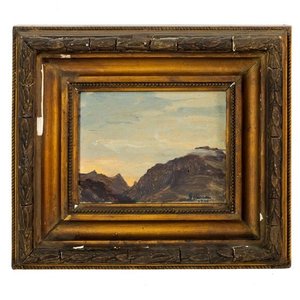
Fernando Barbedo Galhano
1904 - 1995 , Portugal
Artigos Relacionados

As 10 Pinturas Mais Famosas Dominadas pelo Preto: Arte, História e Decoração
Descubra as 10 pinturas mais icônicas dominadas pelo preto! Explore a história, técnica e emoção por trás de obras-primas do Romantismo, Realismo e Expressionismo. Encontre reproduções de arte exclusivas na OriginalUniqueArt.com.

Mastering the Line: A Comprehensive Expert Guide to Technical Precision and Expressive Depth in Drawing
Elevate your artistic practice with this expert guide to mastering the line. Discover advanced techniques in graphite, charcoal, and contour drawing designed for art students seeking technical precision and expressive depth in their fine art studies.
The Nuances of Graphite: Exploring Emotional Depth & Technical Mastery in Pencil Drawing
Explore the captivating world of graphite drawing! Discover its rich history, master essential techniques like chiaroscuro, and learn how artists evoke emotion through this timeless medium. Expert insights for art enthusiasts.
Mestres do Preto: 10 Pinturas Famosas e a Elegância da Lamp Black | OriginalUniqueArt
Descubra 10 pinturas famosas dominadas pelo elegante tom 'lamp black'. Explore a história, artistas como Rembrandt e Caravaggio, e o poder do preto na arte clássica. Encontre reproduções de alta qualidade para sua decoração em OriginalUniqueArt.com!
As 10 Obras Mais Famosas Dominadas pelo Preto Marsala: Arte e Decoração
Descubra as 10 pinturas mais icônicas dominadas pelo preto marsala! Explore a história, artistas e técnicas por trás de obras-primas do barroco ao expressionismo. Encontre reproduções de arte exclusivas para decorar seu lar com elegância em OriginalUniqueArt.com.