
 Visualizar na parede
 Compartilhar
 Compartilhar
 Detalhes
 Guia
Guia

 Baixar imagem
 Semelhantes
 Raio X
 Ver diaporama
 Perguntas e Respostas
 Estatísticas
Ethnographic drawing

- 43.0 x 30.0 cm


 Ler mais
A obra de arte exibida nesta página é protegida por leis de direitos autorais, o que significa que não podemos criar ou vender legalmente uma reprodução idêntica. Esta proteção é aplicada por meio de acordos internacionais, tais como a Convenção de Berna e pelas leis nacionais, incluindo as estabelecidas por Lei de Direitos Autorais dos EUA - Título 17.
Este método cumpre plenamente as regulamentações de direitos autorais, pois não envolve a cópia ou duplicação da obra protegida. Em vez disso, trata-se de uma reinterpretação criativa — uma nova pintura que é influenciada pela original, mas não idêntica a ela.
Giclée / Impressão de Arte
Impressão giclée ou em tela de qualidade de museu, com produção rápida e opções flexíveis de acabamento. ( Comprar pintura feita à mão Alternar para Imagem Digital)




P118B €10

P118H €10

P118W €10

P438Z €10

P508JH €12

P508YH €12

P805H €10

P805Z €10

P919BZ €10

P919G €10

P919XJ €10

P959ZH €10

P968JZ €12

W106C €8

W218G €10

W218JH €8

W218Y €10

W307PJ €10

W316G €10

W316PJ €8

W316Y €10

W398PJ €8

W4111J €10

W500HY €15

W500JH €15

W692G €12

W849H €8

W940BG €15

W953PJ €8




Escolha entre os nossos tamanhos pré-definidos que respeitam as proporções originais da obra de arte.

Insira a largura e a altura desejadas para se ajustarem à sua moldura ou parede. Uma impressão pode ser apenas cortada, nunca ampliada além da imagem original; portanto, um tamanho com proporções diferentes resultará na perda de parte da imagem. Enviamos uma maquete digital para sua aprovação antes de realizarmos a impressão. A imagem exibida nesta página não mostra o corte real — apenas a maquete o faz.
Entrega mundial () em 2 semanas, em vez das 4/5 semanas padrão. (6 Novembro)

Envio expresso gratuito para todo o mundo

Tela de Linho de Alta Qualidade

Seguro de transporte completo

Garantia de Reembolso de Impostos Alfandegários

Garantia de Fidelidade Cromática

Política de Devolução em 100 Dias (Apenas para Defeitos)

Garantia de reembolso de 100%

Oferta de desconto por quantidade
 A opção de vidro está disponível apenas para tamanhos inferiores a 110 cm

Ethnographic drawing
Giclée / Impressão de Arte
Tamanho da Reprodução
-


Preço Total
€ 72
A Window into Cultural Heritage
In the delicate lines of Fernando Barbedo Galhano’s Ethnographic Drawing, we find more than just a mere sketch; we encounter a profound moment frozen in time. Created around 1900, this evocative black and white illustration serves as a silent witness to a bygone era of ritual and tradition. The composition centers on a figure seated with quiet dignity upon a stool, legs crossed in a posture of focused intent, cradling a large drum that seems to pulse with the phantom rhythms of a distant ceremony. Through Galhano’s masterful hand, the viewer is transported into a narrative space where the boundaries between observer and subject blur, inviting us to contemplate the deep-seated customs of the people depicted.
The scene is populated by a subtle choreography of figures that add layers of social complexity to the work. A companion stands nearby, perhaps an apprentice or a fellow musician, while distant silhouettes suggest a larger community gathered in the periphery. The inclusion of domestic elements, such as the simple chairs positioned within the frame, grounds this ethnographic study in a tangible reality, suggesting a space where the sacred and the everyday coexist. This interplay of figures creates a sense of depth and movement, guiding the eye through a meticulously detailed landscape of human connection.
The Mastery of Line and Shadow
Technically, this piece is a triumph of monochromatic precision. Galhano utilizes the stark contrast between light and shadow to sculpt form out of emptiness. The fine, rhythmic linework characteristic of early 20th-century ethnographic illustration allows for an incredible level of detail—from the texture of the drum's surface to the heavy folds of traditional garments. There is a deliberate, almost scientific clarity in his technique, yet it never sacrifices the soul of the subject. Each stroke feels purposeful, contributing to a sense of weight and presence that makes the two-dimensional medium feel remarkably three-dimensional.
For the discerning collector or interior designer, this drawing offers a sophisticated aesthetic that transcends mere decoration. Its monochromatic palette provides a timeless elegance, making it an ideal centerpiece for a gallery wall or a subtle accent in a minimalist study. The artwork carries an intellectual weight, appealing to those who appreciate the intersection of fine art and historical documentation. As a high-quality reproduction, it retains the soulful essence of Galhano’s original vision, offering a way to bring the rich, storied atmosphere of the National Museum of Ethnology into a contemporary living space.
An Emotional Resonance of Memory
Beyond its historical value, the Ethnographic Drawing evokes a powerful emotional response. There is a certain melancholy in its stillness—a sense of longing for the preservation of traditions that are often lost to the march of progress. The drawing acts as a bridge across time, allowing us to feel the gravity of the ritual and the shared humanity of the figures portrayed. It is an invitation to slow down, to observe, and to respect the intricate tapestry of human culture.
Whether you are drawn to it for its academic significance, its exquisite graphic quality, or its ability to spark conversation about our global heritage, this piece remains a captivating treasure. It is an investment in storytelling, providing any curated space with a sense of depth, wisdom, and enduring beauty.
Perguntas e Respostas
Quais são as dimensões da obra original "Ethnographic drawing", de Fernando Barbedo Galhano?
A obra original "Ethnographic drawing", de Fernando Barbedo Galhano mede 43 x 30 cm.
As cores de "Ethnographic drawing", de Fernando Barbedo Galhano são saturadas ou suaves?
As cores de "Ethnographic drawing", de Fernando Barbedo Galhano possuem uma saturação Balanced Soft. A saturação descreve o quão vívidas ou suaves são as cores.
Onde posso comprar uma imagem digital de "Ethnographic drawing", de Fernando Barbedo Galhano?
Para obter uma versão digital de "Ethnographic drawing", de Fernando Barbedo Galhano, peça download de imagem digital em alta resolução em sua página Imagem Digital de Alta Resolução.
Biografia do Artista
fernando barbedo galhano, um artista português, deixou uma marca indelével no mundo da arte e da etnografia. Nascido no Porto em 1904 e falecido em 1995, a vida de Galhano foi um testemunho dos seus talentos multifacetados como pintor, investigador, ilustrador e etnógrafo.
Primeiros anos e formação
A jornada artística de Galhano teve início sob a tutela do mestre Artur Loureiro, no Porto. Esta formação fundamental não só aperfeiçoou as suas competências na pintura, mas também lhe instilou um profundo apreço pelas nuances culturais de Portugal. A sua participação nas exposições do Salão Silva Porto, em 1937, 1943, 1946, 1951 e 1954, consolidou ainda mais a sua presença na comunidade artística portuguesa.
Contribuições para a etnografia
Como parte do Centro de Estudos de Etnografia Peninsular em 1948, Galhano colaborou com figuras notáveis como Jorge Dias, Ernesto Veiga de Oliveira e Benjamim Pereira. Este envolvimento marcou um marco significativo na sua carreira, estabelecendo-o como um dos principais ilustradores etnográficos do seu tempo. O seu trabalho abrange um vasto espectro de temas, incluindo:
- carros de bois: um testemunho do transporte tradicional português.
- arquitetura popular: documentando a essência da arquitetura vernácula em Portugal.
- ferramentas agrícolas: realçando os instrumentos que moldaram a paisagem agrícola do país.
- sistemas de transporte, cestaria, cerâmica, tecnologia têxtil e sistemas de moagem: proporcionando uma visão abrangente das diversas práticas culturais de Portugal.
- pesca: capturando a essência da cultura marítima portuguesa.
Legado e impacto
O legado de Galhano estende-se muito além do seu próprio tempo. Como um dos fundadores do Museu Nacional de Etnologia, em Lisboa, desempenhou um papel crucial na preservação do património cultural de Portugal. Os seus milhares de desenhos não só documentam vários aspetos da cultura portuguesa, como também servem de janela para as antigas colónias do país.
- A obra de Galhano é um tesouro para investigadores e entusiastas da arte, oferecendo perspetivas sobre as complexidades da vida portuguesa.
- As suas contribuições para a etnografia foram reconhecidas mundialmente, cimentando o seu estatuto como um dos artistas mais influentes da sua era.
- O legado de Galhano continua a inspirar novas gerações de artistas, investigadores e etnógrafos.
Conclusão
A vida de fernando barbedo galhano foi uma rica tapeçaria de arte, investigação e etnografia. Através do seu trabalho, deixou uma marca indelével no mundo da arte e continua a inspirar aqueles que seguem os seus passos.
- Explore mais obras de Galhano em https://OriginalUniqueArt.com/@/fernando-barbedo-galhano
- Descubra o Museu Nacional de Etnologia em Lisboa e a sua história de fundação em https://OriginalUniqueArt.com/@@/museu-nacional-de-etnologia-lisbon-portugal
- Saiba mais sobre a ilustração etnográfica e a sua importância no mundo da arte em https://en.wikipedia.org/wiki/ethnographic_illustration
Referências:
- fernando barbedo galhano, wikipedia.
- museu nacional de etnologia, lisboa, portugal - https://OriginalUniqueArt.com/@@/museu-nacional-de-etnologia-lisbon-portugal
- centro de estudos de etnografia peninsular, portugal - https://OriginalUniqueArt.com/@/centro-de-estudos-de-etnografia-peninsular
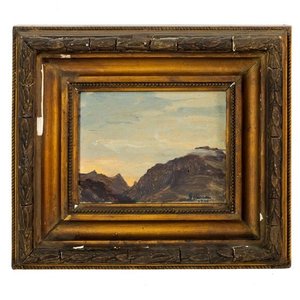
Fernando Barbedo Galhano
1904 - 1995 , Portugal
Artigos Relacionados
Mestres do Preto: 10 Pinturas Famosas e a Elegância da Lamp Black | OriginalUniqueArt
Descubra 10 pinturas famosas dominadas pelo elegante tom 'lamp black'. Explore a história, artistas como Rembrandt e Caravaggio, e o poder do preto na arte clássica. Encontre reproduções de alta qualidade para sua decoração em OriginalUniqueArt.com!

As 10 Pinturas Mais Famosas Dominadas pelo Preto: Arte, História e Decoração
Descubra as 10 pinturas mais icônicas dominadas pelo preto! Explore a história, técnica e emoção por trás de obras-primas do Romantismo, Realismo e Expressionismo. Encontre reproduções de arte exclusivas na OriginalUniqueArt.com.
The Nuances of Graphite: Exploring Emotional Depth & Technical Mastery in Pencil Drawing
Explore the captivating world of graphite drawing! Discover its rich history, master essential techniques like chiaroscuro, and learn how artists evoke emotion through this timeless medium. Expert insights for art enthusiasts.
As 10 Obras Mais Famosas Dominadas pelo Preto Marsala: Arte e Decoração
Descubra as 10 pinturas mais icônicas dominadas pelo preto marsala! Explore a história, artistas e técnicas por trás de obras-primas do barroco ao expressionismo. Encontre reproduções de arte exclusivas para decorar seu lar com elegância em OriginalUniqueArt.com.
Mestres do Preto e Branco: 10 Pinturas Icônicas que Definem a Elegância Sombria
Descubra 10 pinturas icônicas dominadas pelo preto e branco, de Rembrandt a Goya. Explore a história, técnica e emoção por trás dessas obras-primas atemporais. Encontre reproduções de arte exclusivas em OriginalUniqueArt.com!