
 Visualizar na parede
 Compartilhar
 Compartilhar
 Detalhes
 Guia
Guia

 Baixar imagem
 Semelhantes
 Raio X
 Ver diaporama
 Perguntas e Respostas
 Estatísticas
Still Life with Gladioli


 Ler mais
Giclée / Impressão de Arte
Impressão giclée ou em tela de qualidade de museu, com produção rápida e opções flexíveis de acabamento. ( Comprar pintura feita à mão Alternar para Imagem Digital)




P118B €10

P118H €10

P118W €10

P438Z €10

P508JH €12

P508YH €12

P805H €10

P805Z €10

P919BZ €10

P919G €10

P919XJ €10

P959ZH €10

P968JZ €12

W106C €8

W218G €10

W218JH €8

W218Y €10

W307PJ €10

W316G €10

W316PJ €8

W316Y €10

W398PJ €8

W4111J €10

W500HY €15

W500JH €15

W692G €12

W849H €8

W940BG €15

W953PJ €8




Escolha entre os nossos tamanhos pré-definidos que respeitam as proporções originais da obra de arte.

Insira a largura e a altura desejadas para se ajustarem à sua moldura ou parede. Uma impressão pode ser apenas cortada, nunca ampliada além da imagem original; portanto, um tamanho com proporções diferentes resultará na perda de parte da imagem. Enviamos uma maquete digital para sua aprovação antes de realizarmos a impressão. A imagem exibida nesta página não mostra o corte real — apenas a maquete o faz.
Entrega mundial () em 2 semanas, em vez das 4/5 semanas padrão. (4 Novembro)

Envio expresso gratuito para todo o mundo

Tela de Linho de Alta Qualidade

Seguro de transporte completo

Garantia de Reembolso de Impostos Alfandegários

Garantia de Fidelidade Cromática

Política de Devolução em 100 Dias (Apenas para Defeitos)

Garantia de reembolso de 100%

Oferta de desconto por quantidade
 A opção de vidro está disponível apenas para tamanhos inferiores a 110 cm

Still Life with Gladioli
Giclée / Impressão de Arte
Tamanho da Reprodução
-


Preço Total
€ 72
A Moment Frozen in Time: Exploring the Elegance of Vallotton’s Still Life
Félix Vallotton's "Still Life with Gladioli" (1924) isn’t merely a depiction of flowers and a book; it’s a carefully constructed tableau, a distilled essence of late 19th-century Parisian aesthetics. The painting immediately draws the eye into its intimate space – a small, shadowed room dominated by the vibrant hues of gladioli and the rich red of a draped cloth. Vallotton masterfully employs a muted palette, relying on subtle gradations of color and carefully placed highlights to create an atmosphere of quiet contemplation. The composition is deceptively simple: a vase overflowing with pink and crimson blossoms sits atop a table beside a book, yet within this apparent stillness lies a complex interplay of light, shadow, and implied narrative.
Vallotton’s style during this period – often categorized as Nabis or Post-Impressionist – is characterized by an almost photographic realism combined with a deliberate rejection of overt emotionalism. He wasn't interested in grand gestures or dramatic displays; instead, he sought to capture the fleeting beauty of everyday objects and moments with remarkable precision. His technique involved layering thin washes of paint, building up color gradually to achieve a velvety texture and a luminous quality. Notice how the light seems to emanate from an unseen source, bathing the scene in a soft, diffused glow – a hallmark of Vallotton’s approach.
The Fin de Siècle and the Intimate Interior
To understand "Still Life with Gladioli," it's crucial to situate it within the context of the *fin de siècle*—the late 19th century. This was a period of profound social, political, and artistic upheaval in Europe, marked by anxieties about modernity, rapid industrialization, and the decline of traditional values. Artists like Vallotton responded to these uncertainties by turning inward, exploring themes of domesticity, intimacy, and the ephemeral nature of beauty. The painting reflects this trend – a retreat from the external world into the quiet sanctuary of the home.
Vallotton’s fascination with interiors is evident in many of his works during this time, particularly the “Intimités” series. These paintings often depict scenes of domestic life—a couple sharing a meal, a woman reading, or a man and woman engaged in a charged exchange – presented without explicit narrative. The ambiguity invites viewers to project their own interpretations onto the scene, creating a deeply personal connection with the artwork. The inclusion of the book suggests a moment of respite, perhaps a shared intellectual pursuit or a private reflection.
Symbolism and the Language of Flowers
Beyond its formal qualities, "Still Life with Gladioli" is rich in symbolism. The gladioli themselves are potent emblems of remembrance and mourning – their vibrant color often associated with funerals and cemeteries. Their presence here could be interpreted as a subtle acknowledgment of mortality or perhaps a celebration of life’s fleeting beauty. The red cloth, draped over the table, adds to this sense of solemnity, while simultaneously hinting at luxury and indulgence. The muted tones throughout the painting create a feeling of melancholy, suggesting that even in moments of apparent tranquility, there is an underlying current of sadness or longing.
A Legacy of Quiet Elegance
Félix Vallotton’s “Still Life with Gladioli” stands as a testament to his remarkable ability to capture the essence of beauty and emotion within seemingly simple forms. It's a painting that rewards careful observation, inviting viewers to linger over its subtle details and contemplate its layered meanings. Reproductions of this work offer a chance to bring this moment of quiet elegance into your own space, serving as a reminder of the enduring power of art to evoke feeling and inspire reflection. The piece’s continued appeal lies in its ability to resonate with our deepest human experiences – our appreciation for beauty, our awareness of mortality, and our longing for connection.
Perguntas e Respostas
"Still Life with Gladioli" possui uma prévia em realidade aumentada?
"Still Life with Gladioli" possui uma prévia em realidade aumentada: a página de Prévia em RA da obra permite visualizá-la no seu próprio espaço através de um dispositivo compatível.
Qual uso e espaço são recomendados para "Still Life with Gladioli", de Félix Vallotton?
"Still Life with Gladioli" é sugerida para Reflective, e o espaço recomendado é um(a) Living Room.
Qual é a intensidade das cores em "Still Life with Gladioli", de Félix Vallotton?
As cores em "Still Life with Gladioli", de Félix Vallotton possuem uma intensidade Balanced.
Biografia do Artista
Um Artista Entre o Suíss e a Paris: A Vida e a Obra de Félix Vallotton
Félix Édouard Vallotton, nascido em Lausanne, na Suíça, em 1865, foi um artista cuja obra encapsula o espírito complexo do *fin de siècle*. Ele navegou entre suas raízes suíças e o vibrante ambiente artístico de Paris, tornando-se finalmente uma figura fundamental no desenvolvimento da arte moderna. Sua vida inicial, imersa nos valores protestantes conservadores de sua família—seu pai um farmacêutico, posteriormente um chocolatier—contrastava fortemente com o mundo boêmio que ele abraçaria como artista. Embora inicialmente direcionado aos estudos clássicos no Collège Cantonal, a paixão de Vallotton por expressão visual o levou a Paris em 1882, onde se matriculou na Academia Julian. Isso marcou não apenas uma mudança geográfica, mas também uma profunda transformação de perspectiva, imergindo-o no coração da inovação artística e do fermento intelectual.
Sua formação acadêmica forneceu uma base sólida em técnica, mas foi seus encontros com círculos vanguardistas emergentes que realmente acenderam seu caminho criativo. A influência dos artistas japoneses, particularmente a estética das estampas *ukiyo-e*, desempenhou um papel crucial na formação de sua visão única. Vallotton absorveu essas influências, mas as filtraria através de sua própria sensibilidade, caracterizada por um distanciamento frio e realismo implacável.
Os Nabis e a Linguagem da Intimidade
A evolução artística de Vallotton tomou uma reviravolta decisiva quando ele se associou aos *Nabis*—um grupo de jovens artistas, incluindo Pierre Bonnard, Édouard Vuillard e Maurice Denis—em 1892. Embora frequentemente considerado um outsider dentro do grupo, sua filiação provou ser crucial na formação de seu estilo distinto. Os Nabis buscavam infundir a arte com uma qualidade espiritual, explorando simbolismo e estética decorativa. Vallotton absorveu essas influências, mas as filtraria através de sua própria sensibilidade, caracterizada por um distanciamento frio e realismo implacável. Essa característica é mais fortemente expressa em sua série de gravuras, particularmente *Intimités* (1898). Essas dez cenas interiores são notáveis por sua intensidade psicológica, retratando encontros carregados entre homens e mulheres com uma estranha honestidade. Eles não são narrativas de romance ou paixão, mas sim explorações da tensão, das dinâmicas de poder e das complexidades ocultas dentro da vida doméstica. Os contrastes bruscos de preto e branco em suas gravuras—um nodinho deliberado para as estampas japonesas *ukiyo-e*—aumentam a sensação de inquietação e escrutínio psicológico.
Mestre de Gravura e Nuances Pictóricas
A maestria de Vallotton se estendeu além do reino da pintura; ele é amplamente celebrado como um virtuoso da gravura, revitalizando o meio com suas técnicas inovadoras. Ele abraçou a simplicidade e a diretividade da forma, empregando linhas ousadas e contrastes nítidos para criar imagens que eram tanto visualmente impressionantes quanto emocionalmente ressonantes. Suas gravuras não eram meros ilustrações, mas obras de arte independentes, frequentemente satíricas em sua natureza, comentando sobre as convenções sociais e questões políticas. Simultaneamente, Vallotton continuou a desenvolver seu estilo de pintura, afastando-se de abordagens puramente acadêmicas em direção a uma expressão mais pessoal. Ele habilmente equilibrou o realismo com sutis elementos simbólicos, criando retratos, paisagens e naturezas-mortas que possuem uma qualidade enigmática. Suas pinturas posteriores demonstram uma técnica refinada, caracterizada por cores moduladas com cuidado e renderização precisa da forma. Frequentemente pintava *paysages composés* (“paisagens compostas”), construídas a partir de memória e observação, imbuídas de um senso de quietude e melancolia.
Legado e Influência Duradoura
O legado de Félix Vallotton ressoou ao longo do início do século XX, impactando artistas tão diversos quanto Edvard Munch e Ernst Ludwig Kirchner. Sua visão implacável, sua exploração de temas psicológicos e seu uso inovador da gravura abriram caminho para novas expressões artísticas. Ele morreu em Paris em 1925, deixando um corpo de trabalho que continua a cativar e desafiar os espectadores hoje. Sua arte serve como uma reflexão pungente das ansiedades e contradições do *fin de siècle*, oferecendo um vislumbre de um mundo à beira de mudanças profundas. Sua obra permanece um testemunho da capacidade de Vallotton de capturar a complexidade da experiência humana com honestidade, inteligência e uma sensação duradoura de mistério.

Félix Vallotton
1865 - 1925 , Suíça
Dados Rápidos
- Artistic Movement Or Style: Pós-Impressionismo, Simbolismo
- Artists Or Movements Influenced By This Artist:
- Munch
- Vuillard
- Artists Who Influenced This Artist:
- Holbein
- Ingres
- Xilogravuras
- Date Of Birth: 28 de Dezembro de 1865
- Date Of Death: 29 de Dezembro de 1925
- Full Name: Félix Edouard Vallotton
- Nationality: Suíço/Francês
- Notable Artworks:
- Intimités
- Banhistas
- Paisagens
- Place Of Birth: Lausana, Suíça
Artigos Relacionados

Silent Narratives: Exploring the Enduring Appeal of Still Life Painting Across Centuries
Explore the rich history of still life painting with OriginalUniqueArt. Discover Dutch Masters, decode vanitas symbolism & learn about collecting timeless art. Expert insights and museum-quality reproductions.
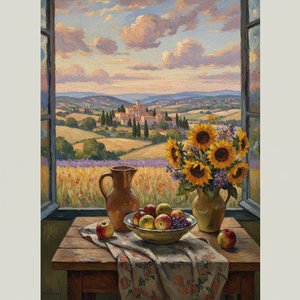
Bernard Cathelin: A Poetic Realist's Exploration of Still Life and the French Landscape
Explore the captivating world of Bernard Cathelin, a master of French Poetic Realism. Discover his stunning still lifes & landscapes, and learn about his legacy with OriginalUniqueArt.
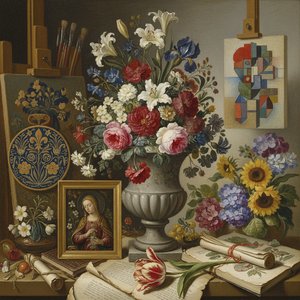
Blossoming Symbolism: A Historical Journey Through Flowers in Western Painting
Explore the rich history of flower symbolism in Western painting! Discover how artists from the Renaissance to Modernism used blossoms to convey meaning, emotion & beauty. Learn about iconic artworks and movements.
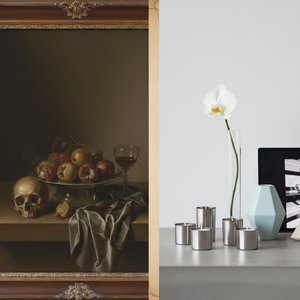
The Enduring Appeal of Still Life: A Historical & Contemporary Exploration
Explore the rich history & symbolism of still life painting with OriginalUniqueArt. Discover masterpieces from the Dutch Golden Age, learn about vanitas art, and find expert guidance for collecting timeless artworks.

Blossoms of Time: A Historical Journey Through Flower Painting
Explore the captivating history of flower painting! Discover Dutch masters, symbolic meanings, & botanical art. Expert insights & high-quality reproductions at OriginalUniqueArt.

