
 Visualizar na parede
 Compartilhar
 Compartilhar
 Detalhes
 Guia
Guia

 Baixar imagem
 Semelhantes
 Raio X
 Ver diaporama
 Perguntas e Respostas
 Estatísticas
A Manhã

- 34.0 x 26.0 cm


 Ler mais
Giclée / Impressão de Arte
Impressão giclée ou em tela de qualidade de museu, com produção rápida e opções flexíveis de acabamento. ( Comprar pintura feita à mão Alternar para Imagem Digital)




P118B €10

P118H €10

P118W €10

P438Z €10

P508JH €12

P508YH €12

P805H €10

P805Z €10

P919BZ €10

P919G €10

P919XJ €10

P959ZH €10

P968JZ €12

W106C €8

W218G €10

W218JH €8

W218Y €10

W307PJ €10

W316G €10

W316PJ €8

W316Y €10

W398PJ €8

W4111J €10

W500HY €15

W500JH €15

W692G €12

W849H €8

W940BG €15

W953PJ €8




Escolha entre os nossos tamanhos pré-definidos que respeitam as proporções originais da obra de arte.

Insira a largura e a altura desejadas para se ajustarem à sua moldura ou parede. Uma impressão pode ser apenas cortada, nunca ampliada além da imagem original; portanto, um tamanho com proporções diferentes resultará na perda de parte da imagem. Enviamos uma maquete digital para sua aprovação antes de realizarmos a impressão. A imagem exibida nesta página não mostra o corte real — apenas a maquete o faz.
Entrega mundial () em 2 semanas, em vez das 4/5 semanas padrão. (5 Novembro)

Envio expresso gratuito para todo o mundo

Tela de Linho de Alta Qualidade

Seguro de transporte completo

Garantia de Reembolso de Impostos Alfandegários

Garantia de Fidelidade Cromática

Política de Devolução em 100 Dias (Apenas para Defeitos)

Garantia de reembolso de 100%

Oferta de desconto por quantidade
 A opção de vidro está disponível apenas para tamanhos inferiores a 110 cm

A Manhã
Giclée / Impressão de Arte
Tamanho da Reprodução
-


Preço Total
€ 72
Uma Jornada à Luz e Sensibilidade: Uma Análise da Obra “A Manhã” de Felix Ivo Leicher
Thomas Gainsborough, um nome que ressoa com elegância e maestria na história da pintura inglesa do século XVIII, deixou uma marca indelével no panorama artístico da época. Sua trajetória artística, iniciada em Sudbury, Suffolk, em 1727, testemunhou uma transformação notável desde o trabalho inicial como silversmith até a colaboração significativa com Hubert Gravelot, um ilustrador francês influenciado pelas tradições de Watteau e pelo espírito do Rococo. Essa conexão proporcionou Gainsborough uma compreensão profunda das técnicas refinadas e da beleza delicada que caracterizam este movimento artístico, elementos que ele incorporaria em suas obras posteriores para criar imagens verdadeiramente excepcionais. Sua origem familiar modesta – seu pai um comerciante de lã – impulsionou sua busca por reconhecimento profissional, exigindo que estabelecesse uma carreira sólida como pintor retrato e paisagista.- Artista: Felix Ivo Leicher
- Ano da Criação: 1780
- Dimensões: 34 x 26 cm
- Localização Atual: Szépmûvészeti Múzeum, Budapeste
Estilo e Técnica: Uma Sinfonia de Luz e Cor
A obra “A Manhã”, pintada por Felix Ivo Leicher em 1780, apresenta um estilo caracterizado pela suavidade e pelo lirismo típicos do Rococo vienense. O artista empregou uma meticulosa aplicação de óleo sobre tela, buscando capturar a atmosfera suave da manhã com uma atenção excepcional à luz natural e às nuances cromáticas. A técnica utilizada demonstra domínio da perspectiva atmosférica, criando uma sensação de profundidade que convida o observador a entrar no espaço representado pela pintura. Os pinceladas são leves e fluidas, enfatizando a textura da tela e transmitindo uma sensação de movimento delicado.Contexto Histórico: O Refúgio da Elegância Austríaca
“A Manhã” reflete o espírito da época em que foi criada – o reinado de Leopoldo II, primeiro imperador da Áustria e Hungria. O Rococo, como movimento artístico dominante na corte imperial vienense, buscava escapar das rígidas normas da arte barroca anterior, privilegiando a beleza idealizada, o prazer sensorial e uma estética inspirada na natureza. Esta obra encontra seu lugar em um período marcado pela busca por equilíbrio entre razão e emoção, onde artistas como Gainsborough exploravam temas relacionados à vida cotidiana e à contemplação da beleza natural.Simbolismo e Significado Emocional: Uma Expressão de Serenidade
A figura feminina representada na pintura transmite uma sensação de calma e introspecção. Sua postura relaxada, cruzando os membros e olhando para fora da janela, simboliza um desejo por liberdade e uma conexão com o mundo exterior. O ambiente doméstico acolhedor – a cama, o tecido leve das cortinas e o espaço vazio ao redor – reforça essa atmosfera de serenidade e tranquilidade. A obra convida o espectador à reflexão sobre temas como beleza, natureza e o poder da contemplação silenciosa, elementos que permanecem relevantes até os dias atuais.Uma Reprodução Inspiradora para Ambientes Elegantes
Uma reprodução de alta qualidade desta obra pode trazer um toque de sofisticação e poesia para qualquer espaço interior. Sua paleta suave de cores e sua composição equilibrada criam uma sensação de calma e bem-estar, proporcionando uma experiência estética enriquecedora. Além disso, a obra representa um marco na história da pintura vienense e demonstra o talento excepcional de Felix Ivo Leicher como artista comprometido com a beleza e a expressão emocional.Perguntas e Respostas
Para que uso é sugerida a reprodução de "A Manhã", de Felix Ivo Leicher?
O uso sugerido para "A Manhã", de Felix Ivo Leicher é Ponto de cor, podendo também ser utilizado para outros fins.
Qual é a luminosidade de "A Manhã", de Felix Ivo Leicher?
As cores de "A Manhã" apresentam uma luminância Sombra Suave.
Existe uma ficha informativa sobre "A Manhã", de Felix Ivo Leicher para estudantes?
Uma página de Ficha informativa está disponível para "A Manhã", de Felix Ivo Leicher: uma ficha informativa imprimível sobre a obra, projetada para estudantes e uso em sala de aula.
Biografia do Artista
The Formative Years of a Silesian Talent
The story of Felix Ivo Leicher begins in the Silesian town of Bílovec, where a path that initially seemed destined for manual labor took an unexpected and luminous turn toward the fine arts. Before he was recognized as a master of the brush, his early life was marked by diverse apprenticeships; he first learned the intricate craft of weaving and later pursued the study of cutlery at school. However, the spark of true vocation ignited when he entered a local painter's workshop under Francis Andrew Schaffer. It was here that the foundations of his technique were laid, and a passion for painting took hold, eventually becoming the singular focus of his entire existence.
His journey from a provincial apprentice to an established figure in the Habsburg Empire was propelled by academic rigor and institutional support. Moving to Vienna, Leicher sought higher training and became a pupil at the Academy of Fine Arts Vienna. His talent was quickly validated on the academic stage; in 1754, he secured second prize in a prestigious competition for his work Anointing Saul the King. This achievement not only brought him recognition but also ensured the support of the Academy, setting the stage for a career that would span much of Central Europe.
Artistic Mastery and the Influence of the Masters
Leicher’s artistic identity was deeply intertwined with the great masters of his era, most notably Franz Anton Maulbertsch. Working closely with Maulbertsch, Leicher shared in the creation of grand frescoes and paintings for various churches, a collaboration that left a lasting imprint on his style. While the influence of his mentor is unmistakable in his use of light and composition, Leicher developed a distinct voice. His approach was often characterized by a softer, more delicate touch than the dramatic vitality of Maul-bertsch, favoring a gentler handling of form and a more subtle atmospheric quality.
His repertoire was remarkably diverse, ranging from monumental altarpieces to intimate secular works. As his career progressed through the latter part of the 18th century, he devoted himself to creating smaller cabinet paintings that explored secular themes with great sensitivity. His ability to navigate both the sacred and the profane allowed his work to permeate the religious and aristocratic landscapes of Austria, Bohemia, Moravia, Silesia, and Hungary. This versatility is beautifully captured in works such as The Evening and The Morning, where he demonstrates a masterful command of light and a profound ability to evoke serene, contemplative atmospheres.
Legacy and the Hidden Hand of Leicher
One of the most fascinating aspects of Leicher’s legacy is the historical challenge of attribution. For many years, several of his significant works were mistakenly attributed to Maulbertsch, as the stylistic similarities between teacher and pupil were so profound. It is only through recent scholarship that many of these pieces have been reclaimed and identified as the true products of Leicher's hand. This revelation has shed new light on the breadth of his contribution to the Rococo movement, revealing a painter of immense skill whose works continue to grace various churches and private collections.
The historical significance of Felix Ivo Leicher lies not only in his technical proficiency but in his role as a vital contributor to the visual culture of the Habsburg Empire. His paintings, often characterized by their graceful compositions and effective use of light, serve as windows into the aesthetic sensibilities of the 18th century. Whether through the grand scale of a church altarpiece or the quiet intimacy of a domestic scene, Leicher’s art remains a testament to a life dedicated to capturing the beauty, grace, and subtle emotions of his time.

Felix Ivo Leicher
1727 - 1812 , Czech Republic
Dados Rápidos
- Artistic Movement Or Style: Rococo
- Artists Who Influenced This Artist:
- Franz Anton Maulbertsch
- Rubens
- Pittoni
- Full Name: Felix Ivo Leicher
- Nationality: Czech-Austrian
- Notable Artworks:
- The Evening
- The Morning
- Place Of Birth: Bilovec, Czech Republic
- Date Of Birth: 1727
- Date Of Death: 1812
Artigos Relacionados

The Elegance of Rococo: A Journey Through Pastel Dreams and Ornate Splendor
Embark on an elegant journey through the Rococo era. Discover the delicate beauty of pastel masterpieces, the intricate artistry of 18th-century French masters, and how this era of ornate splendor continues to inspire timeless luxury in fine art collecting.

Rococó: 10 Obras-Primas que Definiram um Movimento Artístico Elegante | OriginalUniqueArt.com
Descubra as 10 obras-primas do Rococó! Explore a elegância de Fragonard, Boucher e Watteau. A arte do século XVIII ganha vida com cores pastel e detalhes luxuosos. Encontre reproduções de alta qualidade em OriginalUniqueArt.com.
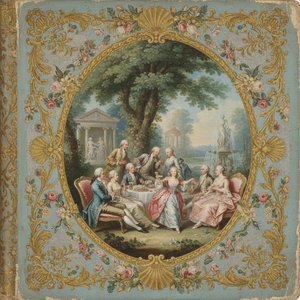
The Rococo Style: Aristocratic Leisure & the Pursuit of Delight in 18th-Century Art
Explore the opulent world of Rococo art! Discover Watteau, Boucher & Nattier's masterpieces. Expert insights for collectors seeking museum-quality reproductions and custom portraits at OriginalUniqueArt.

Illuminating the Enlightenment: A Comprehensive Exploration of 18th-Century Painting
Explore the captivating world of 18th-century painting! Discover Rococo's playful elegance & Neoclassicism’s Enlightenment ideals with expert insights into Fragonard, David, and more. A comprehensive guide for art enthusiasts.

The Rococo Aesthetic: Opulence, Rebellion & the Pursuit of Pleasure in 18th-Century Art
Explore the opulent world of Rococo art! Discover its origins, key artists like Watteau & Boucher, and lasting influence on design. Expert insights for collectors & enthusiasts.
