Visualizar em escala
 Enviar
 Compartilhar
 Ver detalhes
 Guia de Obras do Aluno

 Baixar imagem
 Semelhantes
 Raio X
 Apresentação de slides
 Estatísticas
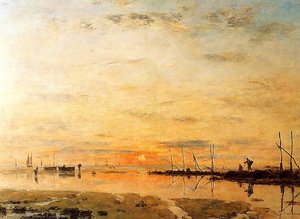
Le Havre, Sunset at Low Tide


 Ver mais
Giclée / Impressão de Arte
Impressão giclée ou em tela de qualidade de museu, com produção rápida e opções flexíveis de acabamento. ( Encomendar reprodução pintada à mão Ver Imagem Digital)




P118B $10

P118H $10

P118W $10

P438Z $10

P508JH $12

P508YH $12

P805H $10

P805Z $10

P919BZ $10

P919G $10

P919XJ $10

P959ZH $10

P968JZ $12

W106C $8

W218G $10

W218JH $8

W218Y $10

W307PJ $10

W316G $10

W316PJ $8

W316Y $10

W398PJ $8

W4111J $10

W500HY $15

W500JH $15

W692G $12

W849H $8

W940BG $15

W953PJ $8




Escolha entre os nossos tamanhos pré-definidos que respeitam as proporções originais da obra de arte.

Você pode inserir suas próprias dimensões para se ajustar a uma moldura ou espaço específico. Se o tamanho selecionado não corresponder às proporções da imagem original, iremos recortar a obra de arte ou estender a imagem com uma borda espelhada ou preenchimento sólido. Um mockup digital será enviado para sua aprovação antes do início da produção.
Por favor, observe que a visualização na tela não reflete o recorte ou a extensão real. Apenas o mockup mostrará com precisão a composição final.
Embora tamanhos personalizados estejam disponíveis, recomendamos selecionar uma dimensão da lista predefinida para preservar as proporções originais.
Entrega mundial () em 2 semanas, em vez das 4/5 semanas padrão. (27 Setembro)

Envio expresso gratuito para todo o mundo

Tela de Linho Premium

Seguro de transporte total

Garantia de Reembolso de Impostos Alfandegários

Garantia de Fidelidade de Cor

Política de Devolução em 100 Dias (Apenas para Defeitos)

Garantia de reembolso de 100%

Desconto para múltiplas unidades
 A opção de vidro está disponível apenas para tamanhos inferiores a 110 cm

Le Havre, Sunset at Low Tide
Giclée / Impressão de Arte
Dimensões da Reprodução
-


Preço Total
$ 80
Le Havre, Sunset at Low Tide: A Symphony of Light and Memory
The Eugène Louis Boudin painting, Le Havre, Sunset at Low Tide, is more than just a depiction of a coastal scene; it’s an embodiment of Impressionism's core philosophy—capturing the fleeting essence of experience rather than striving for photographic realism. Created in 1884 during Boudin’s formative years as an artist, this oil on canvas piece resides within the Musée des Beaux-Arts in Saint-Lo, France, serving as a poignant reminder of a pivotal moment in artistic history and a testament to Boudin's unparalleled ability to translate atmospheric conditions onto canvas.Composition and Technique: Embracing the Ephemeral
Boudin’s masterful technique is immediately apparent upon observation. He eschewed meticulous blending and layering—methods favored by academic painters—opting instead for loose brushstrokes that prioritize capturing the diffused glow of the setting sun over precise detail. The scene unfolds with a tranquil dynamism, dominated by nine boats scattered across the low tide waters. These vessels aren’t merely objects within the landscape; they are active participants in the unfolding drama of light and color. Boudin skillfully utilizes warm hues—burnt orange, crimson, and golden yellow—to convey the intensity of the sunset's radiance, casting long shadows that dance upon the water surface. The artist’s deliberate disregard for traditional perspective contributes to a sense of immediacy, inviting viewers into the very heart of the moment.Historical Context: Boudin and the Dawn of Impressionism
Eugène Louis Boudin stands as one of the pioneers of plein air painting—the practice of working outdoors directly from nature—a revolutionary approach that challenged the conventions of the Salon system prevalent in Paris during the Belle Époque. Boudin’s early exposure to the sea, fostered by his father's profession as a harbor pilot, profoundly shaped his artistic sensibilities and fueled his unwavering devotion to portraying the natural world with honesty and sensitivity. He was deeply influenced by Claude Monet and Frédéric Bazille, fellow Impressionists who championed similar techniques and aesthetic ideals. Le Havre, Sunset at Low Tide exemplifies this burgeoning movement—a deliberate rejection of idealized representations in favor of capturing the palpable atmosphere of a specific place and time.Symbolism: Reflections of Tranquility and Passage
Beyond its technical brilliance, the painting resonates with symbolic significance. The boats themselves represent journeys—both literal and metaphorical—suggesting themes of exploration, aspiration, and perhaps even impermanence. The subdued palette—characterized by dominant shades of brown, grey, and ochre—contrasts sharply with the vibrant sunset colors, symbolizing the inevitable decline of beauty and vitality as time progresses. However, the overall mood is one of profound serenity, mirroring Boudin’s own belief in the restorative power of nature and offering a contemplative glimpse into the sublime grandeur of the coastal landscape.Emotional Impact: A Moment Frozen in Time
Le Havre, Sunset at Low Tide succeeds in transporting viewers back to 1884—capturing not just what the eye sees but also what it feels. The painting evokes a sense of nostalgia for simpler times, inviting contemplation on the beauty of fleeting moments and the enduring legacy of artistic innovation. It’s a piece that speaks to our innate desire to connect with the natural world and to appreciate the transformative power of art—a timeless masterpiece that continues to inspire awe and wonder generations later.- Artist: Eugène Louis Boudin
- Born Year: 1824
- Death Year: 1898
- Birth City: Honfleur
- Birth Country: France
To learn more about Boudin and his artistic journey, visit Eugène Boudin - Wikipedia.
Explore high-quality reproductions of Le Havre, Sunset at Low Tide on OriginalUniqueArt.com.
Biografia do Artista
Early Life and Artistic Beginnings
Eugène Louis Boudin, born in the picturesque coastal town of Honfleur, France, in 1824, was destined to be inextricably linked to the sea from his very first breath. His father, a skilled harbor pilot, instilled within him an early and profound appreciation for the ever-changing moods, the dramatic shifts in light, and the captivating beauty of the maritime world—a fascination that would become the bedrock of Boudin’s artistic vision. Unlike many of his contemporaries who pursued formal academic training, young Eugène embarked on a more unconventional path, beginning his working life at the tender age of ten as a cabin boy aboard a steamboat traversing between Le Havre and Honfleur. It was during these voyages—amongst the rhythmic creaks of the ship and the endless expanse of water—that he first felt an irresistible compulsion to capture those fleeting, ephemeral impressions of light and water with quick sketches in the margins of his books – the nascent stirrings of a lifelong passion that would ultimately define his artistic legacy. The family’s subsequent move to Le Havre, where his father established a successful stationery shop and picture framing business, further immersed Boudin within an environment rich with artistic potential. He diligently worked alongside his father, eventually branching out to establish his own small shop, which provided him with invaluable opportunities to interact with and learn from local artists such as Constant Troyon and Jean-François Millet—men who recognized his burgeoning talent and generously encouraged his artistic pursuits, steering him away from the confines of commerce and towards a dedicated life devoted entirely to painting.Developing a Unique Style: Plein Air Painting and Influences
Boudin’s artistic development was profoundly shaped by a confluence of influential figures and techniques. A pivotal moment in his career arrived with his introduction to Johan Jongkind, a Dutch painter who championed the revolutionary practice of *en plein air*—painting directly from nature outdoors. This groundbreaking approach, which prioritized capturing the immediacy and authenticity of light and atmosphere, fundamentally altered Boudin’s artistic sensibilities. He embraced this technique wholeheartedly, rapidly developing an exceptional ability to render the subtle nuances of sky, sea, and shoreline with breathtaking precision and sensitivity. His style was further enriched by a deep admiration for the 17th-century Dutch masters—artists like Rembrandt and Vermeer—whose meticulous attention to detail, masterful use of atmospheric perspective, and profound understanding of light and shadow resonated deeply within his artistic soul. Boudin’s early pastel works, characterized by their delicate textures, luminous colors, and evocative depictions of coastal scenes, quickly garnered recognition among the Parisian art community. Notably, in 1858, he met Claude Monet, then a young aspiring artist, who was profoundly influenced by Boudin's dedication to *en plein air* painting and his ability to capture the fleeting effects of light. This encounter proved to be a crucial turning point, laying the foundation for Monet’s own revolutionary approach to Impressionism.The Normandy Coast: A Lifelong Muse
Boudin’s artistic heart belonged unequivocally to the rugged beauty of the Normandy coast—particularly his hometown of Honfleur and its surrounding villages. He spent countless hours exploring the coastline, meticulously observing the interplay between land and sea, the shifting patterns of light, and the ever-changing moods of the weather. This intimate connection with his surroundings fueled his artistic creativity, resulting in a vast body of work that celebrates the region’s distinctive character—its dramatic cliffs, sandy beaches, quaint harbors, and vibrant fishing communities. His paintings are not merely representations of landscapes; they are imbued with a palpable sense of atmosphere, capturing the very essence of Normandy's spirit. Boudin’s ability to convey this feeling – the salty tang of the air, the warmth of the sun on his skin, the rhythmic crash of waves against the shore – is what truly sets his work apart. He was particularly drawn to painting during dawn and dusk, when the light takes on a magical quality, casting long shadows and creating an ethereal glow over the landscape.Recognition and Legacy
Despite his undeniable talent and growing reputation, Boudin’s artistic career was marked by a certain degree of modesty and self-deprecation. He remained remarkably humble throughout his life, often downplaying his achievements and expressing reservations about his own abilities. However, his work gradually gained recognition, culminating in a third-place medal at the Paris Salon in 1881 and a gold medal at the Exposition Universelle of 1889—a testament to his enduring contribution to French art. Eugène Boudin was knighted into the Légion d’honneur in 1892, an honor bestowed upon him for his artistic merit and influence on contemporary artists. He continued to paint prolifically until his death in 1898 at Deauville, overlooking the English Channel—a fitting end for a man whose life and art were inextricably intertwined with the sea. Today, Eugène Boudin is remembered as a pioneering figure in French landscape painting, a key influence on Impressionism, and a master of capturing the beauty and atmosphere of the Normandy coast. His works are celebrated in museums around the world, serving as a poignant reminder of his artistic vision and enduring legacy.Major Works
Some of Boudin’s most notable paintings include: *Still Life with Lobster on a White Tablecloth*, *Honfleur, the Saint Catherine Market Place*, *The Beach at Trouville*, *The Port of Honfleur*, *The Cliffs of Étretat*, and numerous pastel studies of coastal scenes. These works exemplify his mastery of light, color, and composition, as well as his deep understanding of the Normandy landscape.
Eugène Louis Boudin
1824 - 1898 , França
Informações Rápidas
- Artistic Movement Or Style: Impressionismo
- Artists Or Movements Influenced By This Artist:
- Claude Monet
- Impressionismo
- Artists Who Influenced This Artist:
- Johan Jongkind
- Masters holandeses
- Date Of Birth: 12 Jul 1824
- Date Of Death: 8 Aug 1898
- Full Name: Eugène Louis Boudin
- Nationality: Francês
- Notable Artworks:
- Natureza morta com lagosta
- Paisagem sol poente
- Retrato de menina
- Place Of Birth: Honfleur, França
Artigos Relacionados
Capturing Ephemeral Light: A Comprehensive Exploration of Plein Air Painting's History & Enduring Legacy
Explore the rich history of plein air painting, from its origins to Impressionism & beyond. Discover key artists, techniques, and the enduring legacy of capturing light in landscape art. Find museum-quality reproductions at OriginalUniqueArt.
Capturing Ephemeral Light: A Comprehensive Exploration of Plein Air Painting's History & Enduring Legacy
Explore the rich history of plein air painting, from its origins with Constable & Corot to Impressionism's revolution. Discover techniques, key artists, and the enduring legacy of capturing light outdoors. Learn more at OriginalUniqueArt.

The Enduring Legacy of Oil on Canvas: Technique, History & Aesthetic Impact
Explore the rich history & techniques of oil painting – from Renaissance masters to Impressionism. Discover pigments, layering methods, and why this timeless medium endures. Expert insights for artists & art enthusiasts.

Barcos na Arte: 10 Obras-Primas para Inspirar sua Decoração
Descubra 10 obras de arte icônicas que celebram barcos! Explore a história, técnica e emoção por trás de Monet, Van Gogh, Hokusai e outros mestres. Encontre reproduções de alta qualidade para inspirar sua decoração em OriginalUniqueArt.com.
Capturing Ephemeral Light: Plein Air Painting from Impressionism to Today
Explore the history of plein air painting, from its origins with the Barbizon school to Impressionism's revolution & contemporary practice. Discover techniques, artists like Monet & Renoir, and find museum-quality reproductions at OriginalUniqueArt.