

 Visualizar na parede
 Compartilhar
 Compartilhar
 Detalhes

 Baixar imagem
 Semelhantes
 Raio X
 Slideshow
 Estatísticas
The First Communion
 Oil On Canvas
- WallArt
- Symbolism
 1896
1896- 19th Century
 65.0 x 53.0 cm
 Museu Metropolitano de Arte
 Ler mais
Reprodução em Óleo Feita à Mão
Óleo sobre tela pintado à mão no tamanho e moldura de sua escolha, feito sob encomenda pelos nossos artistas. ( Alternar para Impressão Alternar para Imagem Digital)




P118B $10

P118H $10

P118W $10

P438Z $10

P508JH $12

P508YH $12

P805H $10

P805Z $10

P919BZ $10

P919G $10

P919XJ $10

P959ZH $10

P968JZ $12

W106C $8

W218G $10

W218JH $8

W218Y $10

W307PJ $10

W316G $10

W316PJ $8

W316Y $10

W398PJ $8

W4111J $10

W500HY $15

W500JH $15

W692G $12

W849H $8

W940BG $15

W953PJ $8




Escolha entre os nossos tamanhos pré-definidos que respeitam as proporções originais da obra de arte.

Pode inserir as suas próprias dimensões para se adequar a uma moldura ou espaço específico. Se o tamanho selecionado não corresponder às proporções da imagem original, iremos cortar a obra de arte ou estender a pintura com elementos adicionais pintados à mão. Um esboço digital será enviado para sua aprovação antes do início da produção.
Tenha em atenção que a pré-visualização no ecrã não reflete o corte ou extensão real. Apenas o esboço mostrará com precisão a composição final.
Embora tamanhos personalizados estejam disponíveis, recomendamos selecionar uma dimensão da lista predefinida para preservar as proporções originais.
Após o pedido, a equipa OriginalUniqueArt.com enviará um e-mail ao cliente para solicitar instruções e fornecer uma prévia do esboço.
Entrega mundial () em 3 a 4 semanas, em vez das 5 semanas padrão. (12 Setembro). Sem comprometer a qualidade.

Envio expresso gratuito para todo o mundo

Tela de Linho de Alta Qualidade

Seguro de transporte completo

Garantia de Reembolso de Impostos Alfandegários

Garantia de Fidelidade Cromática

Política de Devolução de 100 Dias (Apenas Defeitos)

Garantia de reembolso de 100%

Oferta de desconto por quantidade
 A opção de vidro está disponível apenas para tamanhos inferiores a 110 cm

The First Communion
Técnica de Reprodução
Tamanho da Reprodução
-


Preço Total
$ 300
The Haunting Beauty of "The First Communion": A Symbolist Portrait of Innocence
Eugène Anatole Carrière’s “The First Communion,” painted in 1896, isn't merely a depiction of a religious ceremony; it’s a profoundly evocative exploration of childhood innocence, spiritual yearning, and the subtle anxieties that lie beneath the surface of faith. This masterpiece, now housed within the collections of art institutions worldwide, exemplifies Carrière’s signature style – a near-monochrome palette dominated by muted browns and greys, creating an atmosphere of ethereal mystery and quiet melancholy. The painting immediately draws the viewer into a dreamlike space, where reality seems to soften and blur at the edges.
Carrière's artistic journey was deeply influenced by his time as a prisoner in Dresden during the Franco-Prussian War. Exposure to the works of Peter Paul Rubens, with their rich, glowing colors and dramatic lighting, left an indelible mark on his approach to painting. This influence is subtly present in “The First Communion,” though Carrière ultimately developed his own distinctive style – one characterized by a deliberate reduction of color to its most essential tones, emphasizing mood and atmosphere over precise representation. The use of brown creates a sense of timelessness, suggesting that the scene unfolds outside of specific time or place, existing instead within a realm of spiritual contemplation.
A Study in Symbolism: Veil, Light, and Shadow
The central figure of the painting – a young girl receiving communion – is enveloped in a veil, a potent symbol of purity, concealment, and nascent faith. The veil isn’t simply an article of clothing; it acts as a visual barrier, hinting at the mysteries surrounding religious initiation and the vulnerability inherent in entering into a sacred tradition. The lighting within the painting is equally significant. A diffused light source casts long shadows across the girl's face and gown, contributing to the overall sense of solemnity and introspection. The interplay of light and shadow creates a visual metaphor for the spiritual journey – a movement from darkness towards enlightenment.
Carrière’s technique is notable for its meticulous layering of paint and subtle blending. He eschews sharp outlines and bold brushstrokes, opting instead for a fluid, almost watercolor-like application that lends the scene an ethereal quality. The smooth texture of the canvas, combined with the delicate gradations of color, creates a sense of translucence, as if the girl herself is partially obscured by a veil of spiritual mist. The simplified forms and flattened perspective further enhance this dreamlike effect, distancing the viewer from a realistic portrayal and inviting them to contemplate the painting’s symbolic meaning.
Historical Context and Artistic Legacy
"The First Communion" was created during the late 19th century, a period of profound social and artistic change. The Symbolist movement, which Carrière embraced, sought to express subjective emotions and spiritual experiences through art, often rejecting the realism and materialism of earlier artistic traditions. This painting aligns perfectly with the Symbolist aesthetic – it’s not about depicting a literal event but rather conveying a complex range of feelings associated with religious initiation and the transition from childhood innocence to adult faith.
Carrière's work had a significant impact on subsequent generations of artists, particularly Pablo Picasso. The influence of Carrière’s monochrome palette and his exploration of psychological themes can be seen in Picasso’s Blue Period, demonstrating the enduring legacy of this enigmatic French artist. “The First Communion” remains a powerful testament to Carrière's artistic vision – a hauntingly beautiful portrayal of faith, innocence, and the mysteries of the human spirit.
Collecting a Timeless Masterpiece: Reproductions and Beyond
OriginalUniqueArt offers high-quality reproductions of “The First Communion,” allowing art lovers worldwide to experience the beauty and emotional depth of this iconic painting. Whether you’re seeking a stunning addition to your home or office, or simply want to connect with the artistic legacy of Eugène Carrière, our meticulously crafted reproductions capture the essence of the original while offering exceptional value. Explore our collection today and bring this evocative masterpiece into your world.
Biografia do Artista
Early Life and Training
Eugène Anatole Carrière, born January 16, 1849, in Gournay-sur-Marne, France, embarked on his artistic journey at a young age. He pursued his studies diligently at the École des Beaux-Arts in Paris, absorbing the foundational principles of classical art while simultaneously nurturing an inclination towards more expressive styles. His formative years under Cabanel instilled within him a meticulous attention to detail and a mastery of anatomical representation—skills that would prove invaluable throughout his prolific career.Artistic Style and Influences
Carrière’s distinctive artistic style is immediately recognizable by its pervasive brown monochrome palette, a deliberate choice that has captivated critics and collectors alike. This unconventional aesthetic wasn't born in isolation; it resonated deeply with the spirit of Symbolism, an artistic movement characterized by its preoccupation with psychological states and spiritual themes.A pivotal influence on Carrière’s oeuvre was Peter Paul Rubens—a Flemish Baroque painter whose dynamic compositions and luminous color harmonies captivated him during his formative years. Exposure to Rubens's work fostered a fascination for theatrical lighting and the depiction of emotion, elements that would permeate Carrière’s canvases.
The Young Mother (1879)
One of Carrière’s earliest masterpieces, “The Young Mother,” exemplifies the artist’s signature domestic themes. Executed in 1879, this poignant portrait captures a moment of quiet intimacy—a mother tenderly gazing upon her child.Displayed prominently at the Musée des Beaux-Arts de Rouen, "The Young Mother" established Carrière's reputation as a painter of profound emotional depth and technical virtuosity. It signaled the beginning of his exploration into portraying human experience with sensitivity and nuance.
Notable Works and Exhibitions
Carrière’s artistic output spanned numerous exhibitions throughout his lifetime, notably those organized by the Société Nationale des Beaux-Arts, where he served as a respected member and influential educator.Among his most celebrated paintings are “The Sick Child,” depicting a vulnerable infant bathed in soft light; “First Communion,” portraying a solemn religious ceremony with meticulous detail; and “Portrait of Louis-Henri Devillez,” which showcases Carrière’s exceptional ability to convey character and psychological complexity.
Legacy and Influence on Modern Art
Eugène Carrière's monochrome style exerted considerable influence on subsequent generations of artists, particularly Pablo Picasso during his Blue Period. This stylistic kinship underscores Carrière’s enduring legacy as a pioneer of French Symbolism—a movement that sought to transcend mere representation and delve into the realm of inner experience.His unwavering commitment to exploring human emotion through restrained color palettes continues to inspire artists today, cementing Carrière's place as a cornerstone of modern art history.

Eugène Anatole Carrière
1849 - 1906 , França
Dados Rápidos
- Artistic Movement Or Style: Simbolismo, Monocromático
- Artists Or Movements Influenced By This Artist: ['Picasso (azul)']
- Artists Who Influenced This Artist: ['Rubens']
- Date Of Birth: 16 jan. 1849
- Date Of Death: 27 mar. 1906
- Full Name: Eugène Anatole Carrière
- Nationality: Francês
- Notable Artworks:
- O Filho Doente
- A Primeira Comunhão
- Place Of Birth: Gournay-sur-Marne, França
Artigos Relacionados
Sacred Narratives Embodied: A Comprehensive Exploration of Religious Iconography in Art History
Explore the rich history of religious iconography in art! Discover symbolism, movements & masterpieces from Byzantine to Renaissance periods. Expert insights for collectors and enthusiasts at OriginalUniqueArt.
Charles Le Brun: Master of French Baroque Classicism & His Enduring Legacy
Explore the life & art of Charles Le Brun, master of French Baroque Classicism. Discover his royal commissions, influence on Versailles, and enduring legacy through detailed analysis & stunning artworks.
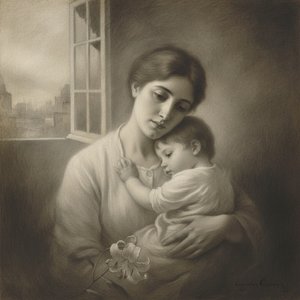
Eugène Carrière: The 'Peintre d'Âme' & Symbolist Portraiture’s Intimate Vision
Explore the haunting world of Eugène Carrière, a pivotal French Symbolist artist known for his deeply intimate portraits & 'peinture d'âme'. Discover his life, style, and lasting influence on modern masters like Picasso. Shop high-quality reproductions at OriginalUniqueArt.
Sacred Narratives on Canvas: Exploring Religious Painting Through History
Explore the rich history of religious painting with OriginalUniqueArt.com! Discover iconic artworks, symbolism & techniques from antiquity to the Renaissance. Enhance your art appreciation today.

Simon Vouet: A Baroque Master's Journey from Italian Influence to French Classicism
Explore the life & art of Simon Vouet, a pivotal French Baroque painter who introduced Italian styles to France. Discover his masterpieces and lasting influence on 17th-century art.