

 Visualizar na parede
 Compartilhar
 Compartilhar
 Detalhes
 Guia
Guia

 Baixar imagem
 Semelhantes
 Raio X
 Ver diaporama
 Estatísticas
Maternity


 Ler mais
Giclée / Impressão de Arte
Impressão giclée ou em tela de qualidade de museu, com produção rápida e opções flexíveis de acabamento. ( Comprar pintura feita à mão Alternar para Imagem Digital)




P118B €10

P118H €10

P118W €10

P438Z €10

P508JH €12

P508YH €12

P805H €10

P805Z €10

P919BZ €10

P919G €10

P919XJ €10

P959ZH €10

P968JZ €12

W106C €8

W218G €10

W218JH €8

W218Y €10

W307PJ €10

W316G €10

W316PJ €8

W316Y €10

W398PJ €8

W4111J €10

W500HY €15

W500JH €15

W692G €12

W849H €8

W940BG €15

W953PJ €8




Escolha entre os nossos tamanhos pré-definidos que respeitam as proporções originais da obra de arte.

Insira a largura e a altura desejadas para se ajustarem à sua moldura ou parede. Uma impressão pode ser apenas cortada, nunca ampliada além da imagem original; portanto, um tamanho com proporções diferentes resultará na perda de parte da imagem. Enviamos uma maquete digital para sua aprovação antes de realizarmos a impressão. A imagem exibida nesta página não mostra o corte real — apenas a maquete o faz.
Entrega mundial () em 2 semanas, em vez das 4/5 semanas padrão. (26 Outubro)

Envio expresso gratuito para todo o mundo

Tela de Linho de Alta Qualidade

Seguro de transporte completo

Garantia de Reembolso de Impostos Alfandegários

Garantia de Fidelidade Cromática

Política de Devolução em 100 Dias (Apenas para Defeitos)

Garantia de reembolso de 100%

Oferta de desconto por quantidade
 A opção de vidro está disponível apenas para tamanhos inferiores a 110 cm

Maternity
Giclée / Impressão de Arte
Tamanho da Reprodução
-


Preço Total
€ 70
A Portrait of Maternal Reverence: Eugène Carrière’s Maternity
Eugène Anatole Carrière stands apart from his contemporaries—Monet, Degas, Cézanne—not merely in stylistic preference but in a profound philosophical commitment to capturing the essence of human experience. Born in 1849 in Gournay-sur-Marne, France, he embarked on an artistic journey marked by unwavering dedication to exploring themes of spirituality and domestic tranquility. His formative years were shaped by exposure to Rubens’s luminous palette and the crucible of imprisonment in Dresden, experiences that instilled within him a sensitivity to light and color—though he would ultimately abandon them for a distinctive monochrome aesthetic. This singular approach cemented his reputation as “the painter of Breast-Feeding,” a genre he pursued with fervent conviction throughout his prolific career. ### The Monochrome Palette: A Symbol of Inner Light Carrière’s artistic signature is undeniably his masterful manipulation of color—or rather, the deliberate absence thereof. Rejecting the Impressionist obsession with capturing fleeting moments of visual sensation, he sought to distill emotion into its purest form: a subdued brown hue that permeated nearly all his canvases. This stylistic choice wasn't simply an aesthetic preference; it represented a deeply held belief in the primacy of inner contemplation and spiritual illumination. As Edmond de Goncourt eloquently observed during Carrière’s lifetime, “This Carrière really is the painter of Breast-Feeding.” He meticulously studied gestures and expressions, striving to convey not just what he saw but what he felt—a palpable resonance with the viewer's own emotional landscape. The monochromatic palette served as a conduit for conveying profound psychological depth, mirroring the stillness and serenity of domestic life. ### Maternity: A Study in Tender Gestures and Spiritual Resonance “Maternity,” completed in 1890, exemplifies Carrière’s artistic vision at its zenith. This evocative portrait depicts a woman cradling her infant child, bathed in soft light emanating from an unseen source—a deliberate allusion to divine grace and nurturing compassion. The composition is strikingly simple yet powerfully expressive: the woman's gaze directs upwards, suggesting contemplation of something beyond the immediate physical realm; her hands are outstretched, conveying warmth and protection. Two figures flank the central scene, adding depth and subtly hinting at the broader context of familial devotion. Véronique Milin Dumesnil, Carrière’s granddaughter, recounted that the models for Maternity were his wife and one of their seven children—Jean René or Leon—underscoring the artist's personal connection to the subject matter. ### Technique and Historical Context: Embracing Rubensian Influence Carrière’s technique is characterized by meticulous detail and painstaking layering of paint—a testament to his unwavering commitment to capturing nuanced textures and tonal variations. He achieved this remarkable effect through a process of gradual buildup, applying thin glazes over thicker underlayers to create an illusion of depth and luminosity despite the absence of color. This approach harkens back to Rubens’s masterful use of chiaroscuro—the dramatic interplay between light and shadow—a technique that Carrière adopted with unwavering fidelity. The painting emerged during a period marked by growing interest in Symbolism, a movement that sought to transcend mere representation and delve into realms of psychological and spiritual significance. Like many Symbolist artists, Carrière aimed to evoke emotion rather than depict reality objectively, inviting viewers to contemplate the profound mysteries of human existence. ### Legacy and Emotional Impact: A Timeless Expression of Maternal Love “Maternity” remains a captivating masterpiece—a testament to Carrière’s artistic genius and his unwavering belief in the transformative power of art. Its enduring appeal lies not only in its exquisite craftsmanship but also in its ability to resonate deeply with audiences across generations. The painting captures the essence of maternal tenderness, conveying a sense of serenity and spiritual contemplation that transcends time and culture. It serves as an inspiring reminder of the beauty and significance of familial bonds—a timeless expression of love, compassion, and faith.Perguntas e Respostas
De qual país é a obra do Symbolist Art "Maternity"?
A obra do Symbolist Art "Maternity" foi criada por um artista nascido em França.
Qual paleta de cores é utilizada em "Maternity", de Eugène Anatole Carrière?
"Maternity", de Eugène Anatole Carrière utiliza uma paleta de cores Earthy. A paleta sintetiza o caráter cromático geral da obra.
A que fase da trajetória de Eugène Anatole Carrière "Maternity" pertence?
"Maternity" representa o Mature Period de Eugène Anatole Carrière.
Biografia do Artista
Early Life and Training
Eugène Anatole Carrière, born January 16, 1849, in Gournay-sur-Marne, France, embarked on his artistic journey at a young age. He pursued his studies diligently at the École des Beaux-Arts in Paris, absorbing the foundational principles of classical art while simultaneously nurturing an inclination towards more expressive styles. His formative years under Cabanel instilled within him a meticulous attention to detail and a mastery of anatomical representation—skills that would prove invaluable throughout his prolific career.Artistic Style and Influences
Carrière’s distinctive artistic style is immediately recognizable by its pervasive brown monochrome palette, a deliberate choice that has captivated critics and collectors alike. This unconventional aesthetic wasn't born in isolation; it resonated deeply with the spirit of Symbolism, an artistic movement characterized by its preoccupation with psychological states and spiritual themes.A pivotal influence on Carrière’s oeuvre was Peter Paul Rubens—a Flemish Baroque painter whose dynamic compositions and luminous color harmonies captivated him during his formative years. Exposure to Rubens's work fostered a fascination for theatrical lighting and the depiction of emotion, elements that would permeate Carrière’s canvases.
The Young Mother (1879)
One of Carrière’s earliest masterpieces, “The Young Mother,” exemplifies the artist’s signature domestic themes. Executed in 1879, this poignant portrait captures a moment of quiet intimacy—a mother tenderly gazing upon her child.Displayed prominently at the Musée des Beaux-Arts de Rouen, "The Young Mother" established Carrière's reputation as a painter of profound emotional depth and technical virtuosity. It signaled the beginning of his exploration into portraying human experience with sensitivity and nuance.
Notable Works and Exhibitions
Carrière’s artistic output spanned numerous exhibitions throughout his lifetime, notably those organized by the Société Nationale des Beaux-Arts, where he served as a respected member and influential educator.Among his most celebrated paintings are “The Sick Child,” depicting a vulnerable infant bathed in soft light; “First Communion,” portraying a solemn religious ceremony with meticulous detail; and “Portrait of Louis-Henri Devillez,” which showcases Carrière’s exceptional ability to convey character and psychological complexity.
Legacy and Influence on Modern Art
Eugène Carrière's monochrome style exerted considerable influence on subsequent generations of artists, particularly Pablo Picasso during his Blue Period. This stylistic kinship underscores Carrière’s enduring legacy as a pioneer of French Symbolism—a movement that sought to transcend mere representation and delve into the realm of inner experience.His unwavering commitment to exploring human emotion through restrained color palettes continues to inspire artists today, cementing Carrière's place as a cornerstone of modern art history.

Eugène Anatole Carrière
1849 - 1906 , França
Dados Rápidos
- Artistic Movement Or Style: Simbolismo, Monocromático
- Artists Or Movements Influenced By This Artist: ['Picasso (azul)']
- Artists Who Influenced This Artist: ['Rubens']
- Date Of Birth: 16 jan. 1849
- Date Of Death: 27 mar. 1906
- Full Name: Eugène Anatole Carrière
- Nationality: Francês
- Notable Artworks:
- O Filho Doente
- A Primeira Comunhão
- Place Of Birth: Gournay-sur-Marne, França
Artigos Relacionados

The Evocative Realm of Symbolism: Exploring Meaning & Mysticism in Late 19th-Century Art
Explore the captivating world of Symbolism art! Discover key artists, defining themes & its lasting influence on modern movements. A deep dive into late 19th-century masterpieces.

Monochrome Visions: Exploring the Aesthetic & Historical Significance of Black & White Photography
Explore the rich history & artistic power of black and white photography. From early techniques to iconic masters like Ansel Adams, discover why monochrome continues to captivate art lovers today. Expert insights for collectors.
The Subtleties of Shade: Exploring Monochrome's Enduring Power in Art History & Contemporary Practice
Explore the captivating world of monochrome painting! Discover its rich history, from Renaissance chiaroscuro to contemporary minimalism. Uncover the emotional power and artistic techniques behind this enduring art form.
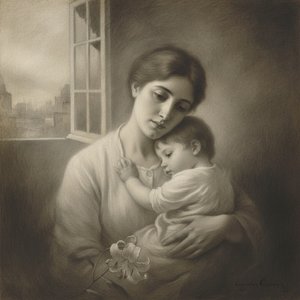
Eugène Carrière: The 'Peintre d'Âme' & Symbolist Portraiture’s Intimate Vision
Explore the haunting world of Eugène Carrière, a pivotal French Symbolist artist known for his deeply intimate portraits & 'peinture d'âme'. Discover his life, style, and lasting influence on modern masters like Picasso. Shop high-quality reproductions at OriginalUniqueArt.
Late Medieval Masterpieces: 10 Artworks That Defined an Era | OriginalUniqueArt
Journey through 10 defining Late Medieval masterpieces – from Giotto's frescoes to Jan van Eyck’s realism. Explore the stories, techniques & vibrant colors of Gothic art. Find museum-quality reproductions and elevate your home decor with OriginalUniqueArt.com! Discover all masterpieces on OriginalUniqueArt.com