
 Visualizar na parede
 Compartilhar
 Compartilhar
 Detalhes
 Guia
Guia

 Baixar imagem
 Semelhantes
 Raio X
 Ver diaporama
 Perguntas e Respostas
 Estatísticas
Countryside - Esteban Vicente


 Ler mais
A obra de arte exibida nesta página é protegida por leis de direitos autorais, o que significa que não podemos criar ou vender legalmente uma reprodução idêntica. Esta proteção é aplicada por meio de acordos internacionais, tais como a Convenção de Berna e pelas leis nacionais, incluindo as estabelecidas por Lei de Direitos Autorais dos EUA - Título 17.
Este método cumpre plenamente as regulamentações de direitos autorais, pois não envolve a cópia ou duplicação da obra protegida. Em vez disso, trata-se de uma reinterpretação criativa — uma nova pintura que é influenciada pela original, mas não idêntica a ela.
Giclée / Impressão de Arte
Impressão giclée ou em tela de qualidade de museu, com produção rápida e opções flexíveis de acabamento. ( Comprar pintura feita à mão Alternar para Imagem Digital)




P118B €10

P118H €10

P118W €10

P438Z €10

P508JH €12

P508YH €12

P805H €10

P805Z €10

P919BZ €10

P919G €10

P919XJ €10

P959ZH €10

P968JZ €12

W106C €8

W218G €10

W218JH €8

W218Y €10

W307PJ €10

W316G €10

W316PJ €8

W316Y €10

W398PJ €8

W4111J €10

W500HY €15

W500JH €15

W692G €12

W849H €8

W940BG €15

W953PJ €8




Escolha entre os nossos tamanhos pré-definidos que respeitam as proporções originais da obra de arte.

Insira a largura e a altura desejadas para se ajustarem à sua moldura ou parede. Uma impressão pode ser apenas cortada, nunca ampliada além da imagem original; portanto, um tamanho com proporções diferentes resultará na perda de parte da imagem. Enviamos uma maquete digital para sua aprovação antes de realizarmos a impressão. A imagem exibida nesta página não mostra o corte real — apenas a maquete o faz.
Entrega mundial () em 2 semanas, em vez das 4/5 semanas padrão. (4 Novembro)

Envio expresso gratuito para todo o mundo

Tela de Linho de Alta Qualidade

Seguro de transporte completo

Garantia de Reembolso de Impostos Alfandegários

Garantia de Fidelidade Cromática

Política de Devolução em 100 Dias (Apenas para Defeitos)

Garantia de reembolso de 100%

Oferta de desconto por quantidade
 A opção de vidro está disponível apenas para tamanhos inferiores a 110 cm

Countryside - Esteban Vicente
Giclée / Impressão de Arte
Tamanho da Reprodução
-


Preço Total
€ 72
Esteban Vicente: Uma Ponte Entre o Patrimônio Espanhol e a Expressão Abstrata
O pintor espanhol Esteban Vicente Pérez (1903-2001) representa uma figura fundamental na história da arte moderna, particularmente dentro do influente Grupo Novo York. Sua trajetória artística iniciou-se em meio ao cenário de uma crescente avant-garde europeia e consolidou seu lugar como uma das vozes mais distintas desse movimento – um artista que conseguiu harmonizar tradições ibéricas com a experimentação radical da expressão abstrata. Embora suas obras tenham sido inicialmente consideradas vanguardistas, Vicente carregava consigo uma profunda conexão com o legado artístico espanhol, refletindo em suas composições características. Um olhar atento à paisagem rural espanhola inspirou muitas de suas pinturas mais emblemáticas. Vicente buscava capturar a beleza simples e poderosa da natureza, utilizando técnicas inovadoras que desafiavam as convenções tradicionais da pintura acadêmica. Sua abordagem combinava elementos figurativos com áreas de cor pura, criando imagens vibrantes e carregadas de emoção – uma estética que prenunciava o desenvolvimento da abstração nos anos seguintes. A influência do Grupo Novo York é evidente em suas obras posteriores, onde Vicente explorou formas geométricas e cores intensas para transmitir estados emocionais profundos. Essas pinturas não apenas celebram a beleza visual, mas também convidam à reflexão sobre questões filosóficas e existenciais. Vicente acreditava que a arte deveria ser capaz de comunicar ideias complexas e despertar o espírito crítico do espectador – uma visão que permanece relevante até hoje. Além da estética inovadora, suas obras são marcadas por uma atenção meticulosa aos detalhes técnicos. Vicente dominava diversas técnicas pictóricas, incluindo óleo sobre tela, pastel seco e aquarela, utilizando materiais de alta qualidade para garantir a autenticidade e durabilidade de suas pinturas. Sua maestria na aplicação da tinta e seu conhecimento profundo da composição artística refletem um compromisso com o trabalho artesanal e uma busca constante pela perfeição estética. Em suma, Esteban Vicente Pérez deixou um legado artístico significativo que transcende os limites do tempo e do espaço. Sua obra continua a inspirar artistas contemporâneos e colecionadores apaixonados, demonstrando como uma profunda compreensão da história da arte pode enriquecer nossa percepção do mundo e promover o diálogo entre diferentes culturas. Uma verdadeira ponte entre o patrimônio espanhol e as ideias vanguardistas da expressão abstrata, Vicente permanece um artista cuja voz ecoa através das gerações futuras.- Esteban Vicente Pérez (1903-2001): Um pintor pioneiro na arte moderna espanhola.
- Influência do Grupo Novo York: Uma busca pela inovação estética e filosófica.
- Paisagens rurais como fonte de inspiração: Técnicas pictóricas que celebram a beleza da natureza.
- Dominínio técnico: Uso de materiais de alta qualidade para garantir a autenticidade e durabilidade das obras.
Perguntas e Respostas
Como é construída a composição cromática de "Countryside - Esteban Vicente", de Esteban Vicente?
A composição cromática de "Countryside - Esteban Vicente", de Esteban Vicente combina um contraste Sereno com uma harmonia Forte unidade cromática.
"Countryside - Esteban Vicente", de Esteban Vicente é uma obra de arte conhecida?
"Countryside - Esteban Vicente" é classificada como Reconhecido.
"Countryside - Esteban Vicente" é típico do que Esteban Vicente costumava criar?
Os temas recorrentes de Esteban Vicente incluem vicente’s expressionist roots, spanish tradition & color, nature’s tranquility & calm, symbolic imagery & vision, legacy of iberian art; "Countryside - Esteban Vicente" foca em landscape, rural scene, boat, birds, color field, abstraction, spanish art, vicente painter.
Biografia do Artista
The Lyrical Soul of Abstract Expressionism
Esteban Vicente stands as a profound bridge between the classical traditions of Europe and the radical, transformative energy of the New York School. Born in 1903 in the quiet Spanish town of Turégano, his early life was shaped by a deep connection to the cultural richness of Spain. Under the guidance of his father, an amateur painter, Vicente’s formative years were spent wandering the halls of the Museo del Prado, where the masters of the past instilled in him a foundational respect for light, form, and composition. This classical training at the Real Academia de Bellas Artes de San Fernando provided the structural discipline that would later allow him to navigate the boundless realms of abstraction with unparalleled grace.
As the shadows of the Spanish Civil War loomed over his homeland, Vicente’s journey took a decisive turn toward New York City in 1936. This migration was more than a mere change of geography; it was an immersion into the epicenter of a burgeoning modernism. In the vibrant artist colonies of Manhattan, he found himself amidst a circle of luminaries including Jackson Pollock, Willem de Kooning, and Mark Rothko. Yet, while many of his contemporaries embraced the raw, spontaneous ferocity of Action Painting, Vicente carved out a distinctively meditative path. His work became a reflective counterpoint to the era's more aggressive gestures, focusing instead on a lyrical abstraction that sought to capture the intangible relationships within the natural world.
A Symphony of Color and Light
The true essence of Vicente’s mastery lies in his ability to manipulate color as if it were a living, breathing entity. Unlike the automatic, impulsive creation favored by some of his peers, Vicente approached his canvases with a painstaking, layered precision. He explored the delicate interplay between tonal harmonies and geometric forms, creating works that felt both expansive and deeply intimate. His technique often involved the careful layering of paint and even the inventive use of cut-and-torn paper in collages, resulting in textures that invite the viewer into a state of quiet contemplation.
His aesthetic evolution can be viewed through several key artistic pillars:
- Color Field Exploration: A profound focus on how hues interact to create depth and atmosphere without the need for representational subjects.
- Biomorphic Influence: A subtle nod to Surrealism, where organic, fluid shapes emerge from the abstract landscape.
- Meditative Composition: The use of light and form to evoke emotional responses, moving away from narrative toward pure sensation.
In his later years, particularly after establishing a refuge in Bridgehampton, Long Island, his work continued to refine this dialogue between the physical and the ethereal. Whether through oil on canvas or intricate paper works, Vicente’s art remained a testament to the power of chromatic resonance—the idea that color alone can communicate the complexities of human experience.
A Lasting Legacy in Modern Art
The historical significance of Esteban Vicente extends far beyond his individual canvases. He represents the successful synthesis of two worlds: the academic rigor of the Spanish tradition and the experimental freedom of American Post-War art. His career, spanning eight decades and two continents, serves as a vital link in the evolution of modernism, proving that abstraction could be both intellectually rigorous and deeply poetic.
Today, his legacy is preserved in some of the world's most prestigious institutions, ensuring that his quiet revolution of color continues to inspire. His works are held in permanent collections at:
- The Museum of Modern Art (MoMA), New York
- The Metropolitan Museum of Art, New York
- The Art Institute of Chicago
- The National Gallery of Art, Washington, D.C.
- The Bilbao Fine Arts Museum, Spain
Through his ability to find the universal in the abstract, Esteban Vicente remains a pivotal figure whose art does not merely demand to be seen, but invites the soul to linger within its luminous depths.

Esteban Vicente
1903 - 2001 , Spain
Dados Rápidos
- Full Name: Esteban Vicente Pérez
- Nationality: Spanish American
- Date Of Birth: 1903
- Date Of Death: 2001
- Place Of Birth: Turégano, Spain
- Notable Artworks:
- Countryside
- Untitled, from the portfolio Peace Portfolio I
- Spring
- Artistic Movement Or Style: Abstract Expressionism
- Artists Or Movements Influenced By This Artist: ['New York School']
Artigos Relacionados
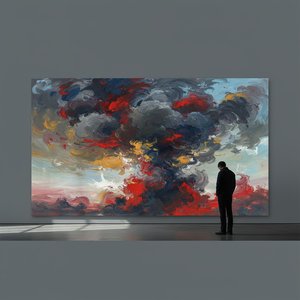
Beyond Representation: Exploring the Emotional Landscape of Abstract Expressionism
Explore the profound emotional world of Abstract Expressionism with OriginalUniqueArt. Discover key artists like Pollock & Rothko, learn about collecting, and find museum-quality reproductions to inspire your space.

Top 10 Obras-Primas do Expressionismo Abstrato: Arte para Decorar e Inspirar | OriginalUniqueArt.com
Descubra as 10 obras-primas do Expressionismo Abstrato com Jackson Pollock, Mark Rothko e mais! Explore a história, técnica e emoção por trás de cada pintura. Encontre reproduções de arte exclusivas para decorar sua casa em OriginalUniqueArt.com.
Beyond the Brush: The Raw Emotion and Power of Abstract Expressionism
Explore the profound emotional depth of Abstract Expressionism. From the visceral energy of Action Painting to the serene beauty of Color Field, discover the history and mastery behind this transformative movement for the discerning art collector.
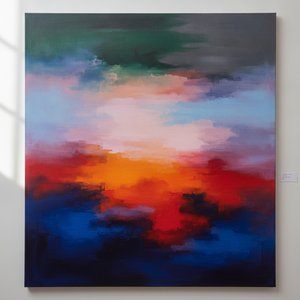
Color Field Painting: The Emotional Power of Pure Abstraction and Chromatic Depth
Explore the profound emotional depth of Color Field painting. Discover the history of mid-century abstraction, from Rothko to Newman, and learn how pure color transforms the viewer's experience through our expert art history guide.
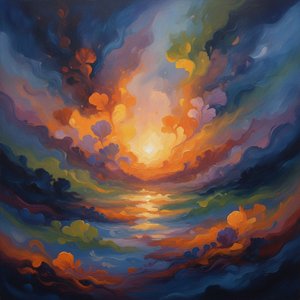
The Soul of Color: A Journey into the Emotional Resonance of Lyrical Abstraction
Embark on a cultural journey through Lyrical Abstraction. Explore how masters like Kandinsky used color and motion to translate emotion into visual poetry. Discover the profound beauty of abstract expressionism and learn to curate emotional resonance in your own art collection.
