

 Visualizar em escala
 Enviar
 Compartilhar
 Ver detalhes
 Guia de Obras do Aluno

 Baixar imagem
 Semelhantes
 Raio X
 Apresentação de slides
 Estatísticas
Two Men Talking in the Street, Ystrad
 Oil On Canvas
- WallArt
- Contemporary Realism
 1950
1950- Modern
 91.0 x 61.0 cm
 University of South Wales Art Collection Museum
 Ver mais
Giclée / Impressão de Arte
Impressão giclée ou em tela de qualidade de museu, com produção rápida e opções flexíveis de acabamento. ( Encomendar reprodução pintada à mão Ver Imagem Digital)




P118B $10

P118H $10

P118W $10

P438Z $10

P508JH $12

P508YH $12

P805H $10

P805Z $10

P919BZ $10

P919G $10

P919XJ $10

P959ZH $10

P968JZ $12

W106C $8

W218G $10

W218JH $8

W218Y $10

W307PJ $10

W316G $10

W316PJ $8

W316Y $10

W398PJ $8

W4111J $10

W500HY $15

W500JH $15

W692G $12

W849H $8

W940BG $15

W953PJ $8




Escolha entre os nossos tamanhos pré-definidos que respeitam as proporções originais da obra de arte.

Você pode inserir suas próprias dimensões para se ajustar a uma moldura ou espaço específico. Se o tamanho selecionado não corresponder às proporções da imagem original, iremos recortar a obra de arte ou estender a imagem com uma borda espelhada ou preenchimento sólido. Um mockup digital será enviado para sua aprovação antes do início da produção.
Por favor, observe que a visualização na tela não reflete o recorte ou a extensão real. Apenas o mockup mostrará com precisão a composição final.
Embora tamanhos personalizados estejam disponíveis, recomendamos selecionar uma dimensão da lista predefinida para preservar as proporções originais.
Entrega mundial () em 2 semanas, em vez das 4/5 semanas padrão. (26 Setembro)

Envio expresso gratuito para todo o mundo

Tela de Linho Premium

Seguro de transporte total

Garantia de Reembolso de Impostos Alfandegários

Garantia de Fidelidade de Cor

Política de Devolução em 100 Dias (Apenas para Defeitos)

Garantia de reembolso de 100%

Desconto para múltiplas unidades
 A opção de vidro está disponível apenas para tamanhos inferiores a 110 cm

Two Men Talking in the Street, Ystrad
Giclée / Impressão de Arte
Dimensões da Reprodução
-


Preço Total
$ 80
A Window into Post-War Wales: The Soul of Ystrad
In the quiet, evocative strokes of Ernest Zobole’s 1950 masterpiece, Two Men Talking in the Street, YSBAD, we are transported to a pivotal moment in Welsh history. This oil on canvas is far more than a mere depiction of an urban corner; it is a poignant window into the social fabric of post-war Wales. The painting captures a fleeting, intimate moment between two men engaged in deep conversation, their proximity suggesting a shared history or perhaps the weight of communal news. As they stand anchored in the frame, the surrounding street hums with the subtle energy of life: figures drifting through the background, dogs wandering the pavement, and the quiet presence of a fire hydrant that grounds the scene in its industrial, urban reality.
Zobole, a native of the Rhondda Valleys, possessed a rare ability to transmute the grit of mining communities into something profoundly poetic. In this work, he utilizes a sophisticated monochromatic palette that lends the piece an air of timelessness. By stripping away the distraction of vibrant color, Zobole forces the viewer to confront the textures of the street and the raw emotion of the human connection. The interplay of light and shadow creates a sense of depth, making the street feel like a living, breathing character in its own right, echoing the resilience and the quiet dignity of the people who inhabited it.
Masterful Technique and Impressionistic Spirit
While the subject matter is rooted in the stark reality of mid-20th-century life, Zobole’s technique breathes a vibrant, almost electric energy into the canvas. The artist employs a loose, impressionistic style characterized by bold, confident brushstrokes that suggest movement and spontaneity. There is a rhythmic quality to his application of oil, where the paint seems to dance across the surface, capturing the "fleeting moment" so central to the Impressionist tradition. This dynamic approach prevents the scene from feeling static or archival; instead, it feels as though the viewer has just turned a corner and stumbled upon a private, living vignette.
For the discerning collector or interior designer, this painting offers a magnificent balance of structural strength and atmospheric softness. The composition is expertly balanced, with the central figures providing a focal point that draws the eye inward, while the scattered elements of the streetscape lead the gaze through the urban landscape. The texture of the oil on canvas adds a tactile dimension that is particularly striking in high-quality reproductions, allowing the light to catch the ridges of the paint and bring the historical narrative to life within a modern living space.
A Timeless Addition to the Curated Home
Beyond its historical significance as part of the University of South Wales Art Collection, Two Men Talking in the Street, Ystrad serves as an evocative piece of storytelling for any curated collection. It carries a profound emotional weight—a sense of nostalgia for a vanished world and a celebration of the beauty found in the mundane. The artwork does not merely decorate a wall; it invites contemplation on themes of community, connection, and the enduring spirit of the working class.
Whether placed in a sophisticated gallery setting or as a centerpiece in a contemporary study, this reproduction brings with it the authentic soul of the Rhondda. It is an ideal choice for those who appreciate art that possesses both a strong historical pedigree and a commanding visual presence. To own a piece of Zobole’s vision is to hold a fragment of Welsh heritage, rendered with a mastery that transcends time and geography.
Biografia do Artista
Ernest Zobole: Capturando a Alma de Rhondda
Ernest Zobole (1927-1999) permanece como uma voz singular na história da arte galesa, um artista cujas telas respiravam com a crueza e a beleza dos vales de Rhondda durante os anos crepusculares da Grã-Bretanha industrial. Embora amplamente desconhecido fora do País de Gales, sua contribuição para documentar este período crucial é substancial, oferecendo aos espectadores vislumbres de um mundo desaparecido, visto através de uma lente imbuída de profunda emoção.
Nascido em Tylorstown, Rhondda Cynon Taf, os anos formativos de Zobole foram mergulhados na atmosfera das comunidades mineradoras. Seu pai era minerador, e Zobole absorveu em primeira mão os ritmos da vida operária – a camaradagem, as dificuldades e, acima de tudo, a profunda conexão com a terra.
As primeiras inclinações artísticas manifestaram-se durante seu tempo na Cardiff School of Art (posteriormente Glyndŵr University), onde aperfeiçoou suas habilidades em aquarela e pintura a óleo. No entanto, o verdadeiro salto na carreira de Zobole veio com seu envolvimento no Rhondda Group – um coletivo de artistas dedicados a retratar as realidades do País de Gales industrial.
O Rhondda Group, composto por artistas como Gwyneth Roberts e David Davies, buscava ir além da mera representação topográfica. Eles visavam algo mais profundo: uma expressão de sentimento, capturando não apenas o que era visto, mas como isso era sentido. As pinturas de Zobole exemplificam esse ethos perfeitamente. Suas paisagens não são simplesmente representações de minas de carvão e pilhas de rejeitos; elas estão imbuídas de um sentido palpável de melancolia, resiliência e do espírito duradouro do povo de Rhondda.
O estilo distinto de Zobole – caracterizado por pinceladas audaciosas, paletas de cores vibrantes e uma qualidade quase alucinatória – bebia fortemente de influências expressionistas. Artistas como Edvard Munch e Franz Marc serviram como modelos para sua abordagem de transmitir emoção através da imagem visual. Ele evitava o detalhe meticuloso em favor da captura da essência de uma cena, priorizando a atmosfera e o impacto emocional.
Suas obras mais celebradas incluem uma série de pinturas que retratam a paisagem industrial do Vale Rhondda – particularmente a área de Ystrad – conhecidas coletivamente como “As Pinturas de Ystrad”. Estas telas capturam a beleza desoladora das encostas cobertas pela poeira do carvão, as chaminés imponentes expelindo fumaça ao céu e os rostos dos mineiros marcados por anos de trabalho árduo. Não são representações celebratórias; pelo contrário, transmitem uma consciência pungente de declínio e perda.
Apesar de suas conquistas artísticas, Zobole permaneceu em grande parte autodidata e evitou exposições formais. Seu trabalho ganhou reconhecimento principalmente através de encomendas privadas e do boca a boca dentro da comunidade de Rhondda. No entanto, suas pinturas continuam a ressoar tanto em colecionadores quanto em estudiosos que apreciam sua visão intransigente e sua capacidade de transformar paisagens comuns em declarações poderosas sobre a experiência humana.
O legado de Ernest Zobole reside não apenas em sua produção artística, mas também em seu compromisso inabalável em documentar um modo de vida que está desaparecendo. Ele garantiu que o espírito de Rhondda – suas dificuldades, seus triunfos e sua conexão duradoura com o mundo natural – perdurasse além de sua própria existência.

Ernest Zobole
1927 - 1999 , País de Gales
Informações Rápidas
- Artistic Movement Or Style: Expressionismo
- Artists Or Movements Influenced By This Artist: ['Romantismo']
- Artists Who Influenced This Artist: ['George Stubbs']
- Date Of Death: 1999
- Full Name: Ernest Zobole
- Nationality: Galês
- Notable Artworks: ['Pinturas de Ystrad']
- Place Of Birth: Vale de Rhondda, País de Gales
Artigos Relacionados
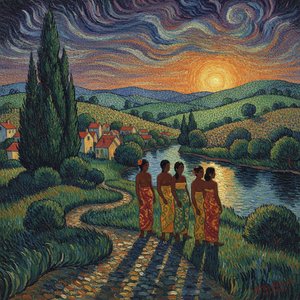
Beyond Impressionism: Exploring the Emotional Depth and Vibrant Mastery of Post-Impressionist Art
Discover the profound evolution of art beyond Impressionism. Explore the emotional depth, vibrant colors, and revolutionary techniques of Post-Impressionist masters like Van Gogh and Cézanne in this expert guide to art history's most expressive movement.

The Enduring Legacy of Oil on Canvas: Technique, History & Aesthetic Impact
Explore the rich history & techniques of oil painting – from Renaissance masters to Impressionism. Discover pigments, layering methods, and why this timeless medium endures. Expert insights for artists & art enthusiasts.
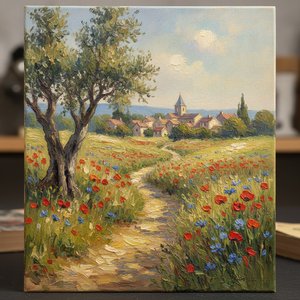
The Timeless Beauty of Oil on Panel: Capturing Light and Texture through the Impressionist Lens
Discover the exquisite depth of oil on panel. Explore how Impressionist masters captured light and texture through tactile brushwork, and learn how to bring these museum-quality, hand-painted masterpieces into your home with expert curation.

Oil on Board: A Historical Survey of Technique, Aesthetic Qualities & Enduring Appeal
Explore the rich history of oil on board painting! Discover techniques, aesthetic qualities & enduring appeal from early masters to modern practice. Expert insights for collectors and art enthusiasts.

Beyond Impressionism: Exploring the Emotional Depth and Vibrant Textures of Post-Impressionist Landscapes
Discover the profound emotional depth of Post-Impressionist landscapes. Explore how masters like Van Gogh revolutionized art through vibrant color, textured impasto, and symbolic expression in this expert guide to the movement that redefined modern art history.