
 Visualizar na parede
 Compartilhar
 Compartilhar
 Detalhes
 Guia
Guia

 Baixar imagem
 Semelhantes
 Raio X
 Ver diaporama
 Perguntas e Respostas
 Estatísticas
Washington Bridge, Harlem River


 Ler mais
Giclée / Impressão de Arte
Impressão giclée ou em tela de qualidade de museu, com produção rápida e opções flexíveis de acabamento. ( Comprar pintura feita à mão Alternar para Imagem Digital)




P118B €10

P118H €10

P118W €10

P438Z €10

P508JH €12

P508YH €12

P805H €10

P805Z €10

P919BZ €10

P919G €10

P919XJ €10

P959ZH €10

P968JZ €12

W106C €8

W218G €10

W218JH €8

W218Y €10

W307PJ €10

W316G €10

W316PJ €8

W316Y €10

W398PJ €8

W4111J €10

W500HY €15

W500JH €15

W692G €12

W849H €8

W940BG €15

W953PJ €8




Escolha entre os nossos tamanhos pré-definidos que respeitam as proporções originais da obra de arte.

Insira a largura e a altura desejadas para se ajustarem à sua moldura ou parede. Uma impressão pode ser apenas cortada, nunca ampliada além da imagem original; portanto, um tamanho com proporções diferentes resultará na perda de parte da imagem. Enviamos uma maquete digital para sua aprovação antes de realizarmos a impressão. A imagem exibida nesta página não mostra o corte real — apenas a maquete o faz.
Entrega mundial () em 2 semanas, em vez das 4/5 semanas padrão. (5 Novembro)

Envio expresso gratuito para todo o mundo

Tela de Linho de Alta Qualidade

Seguro de transporte completo

Garantia de Reembolso de Impostos Alfandegários

Garantia de Fidelidade Cromática

Política de Devolução em 100 Dias (Apenas para Defeitos)

Garantia de reembolso de 100%

Oferta de desconto por quantidade
 A opção de vidro está disponível apenas para tamanhos inferiores a 110 cm

Washington Bridge, Harlem River
Giclée / Impressão de Arte
Tamanho da Reprodução
-


Preço Total
€ 72
A Moment Suspended in Light
The river flows with a quiet, heavy grace under an overcast sky, its surface catching the soft, diffused light of a day caught between shadows. In this view of the Harlem River, the water moves through a landscape where the boundaries between earth and air seem to blur. The Washington Bridge rises in the distance, its golden hue acting as a steady anchor amidst the shifting greens and browns of the foreground. Trees and rocks cling to the riverbanks, rendered with thick, mosaic-like strokes that give the scene a palpable texture. There is a sense of stillness here, as if the wind has momentarily ceased its movement, leaving only the slow pulse of the water and the hazy expanse of the sky above.
The atmosphere feels heavy with moisture, suggesting a cool, damp afternoon where the light does not strike so much as it settles. Every brushstroke contributes to this sense of weight and depth, building layers of color that mimic the way light filters through a mist. The composition draws the eye upward from the dark, organic shapes of the shoreline toward the structural presence of the bridge, creating a silent dialogue between the natural world and the hand of man.
The Language of Impressionism
The technique relies on visible, broken strokes that reject precise lines in favor of pure sensation. This approach captures the ephemeral quality of the atmosphere, using color to suggest form rather than hard outlines. Muted greens and deep browns ground the foreground, while the sky and water reflect a palette of cool tones, punctuated by the warmth of the bridge. The way the paint sits upon the canvas creates a rugged, tactile surface that mirrors the uneven textures of the riverbank itself.
This method reflects the influence of the Impressionist movement, where the goal is to record a fleeting impression of light and weather. By prioritizing the subjective experience of the scene, the work captures the way the eye perceives a landscape in flux. The bridge, though a massive feat of engineering, becomes part of the natural rhythm of the river, its presence softened by the hazy, atmospheric perspective that pushes the distant hills into a soft, blue-tinted blur.
Connections Between Nature and Progress
There is a quiet tension held within this landscape, a subtle meeting point between the wildness of the river and the encroaching reach of urban life. The bridge acts as a physical link between two shores, but symbolically, it represents the intersection of civilization and the natural environment. As the early 20th century brings rapid change to the surrounding landscape, this painting captures a sense of peace that feels fragile, as if the tranquility of the Harlem River is being observed in a rare moment of respite from the expansion of the city.
The emotional weight of the piece lies in this very stillness. It invites a slow, contemplative gaze, encouraging anyone who looks to find a sense of calm within the textured layers of paint. The scene does not demand attention through loud colors or dramatic action; instead, it offers a quiet space for reflection, where the simple beauty of light hitting water and stone remains the central focus.
Perguntas e Respostas
Qual cor predomina na composição de "Washington Bridge, Harlem River", de Ernest Lawson?
A cor que mais se destaca em "Washington Bridge, Harlem River" é Phthalo Green (#282c2c). A cor dominante é útil ao combinar uma obra de arte com um ambiente interno.
A que época pertence "Washington Bridge, Harlem River"?
O período histórico de "Washington Bridge, Harlem River", de Ernest Lawson é Modern. Esta classificação situa a obra na história da arte.
Quais são os direitos de reprodução de "Washington Bridge, Harlem River" no High Museum of Art?
A obra original "Washington Bridge, Harlem River" encontra-se no High Museum of Art, e a obra está em em domínio público — seus direitos autorais expiraram.
Biografia do Artista
primeira infância e formação
ernest lawson, uma figura proeminente no movimento impressionista americano, nasceu em 22 de março de 1873, em halifax, nova scotia, canadá. em 1888, ele mudou-se para os estados unidos, estabelecendo-se em kansas city, e mais tarde, em 1891, seguiu para nova york, onde se matriculou em aulas na art students league. sob a tutela de john twachtman, lawson foi introduzido ao impressionismo, que influenciaria significativamente seus anos formativos.desenvolvimento artístico e influências
o estilo de lawson, caracterizado por uma fusão entre o impressionismo e o realismo, foi moldado por suas interações com diversos artistas. ele estudou na académie julian, em paris, em 1893, onde conheceu jean-joseph benjamin-constant e jean-paul laurens. suas experiências com a pintura ao ar livre no sul da frança e em moret-sur-loing, onde encontrou alfred sisley, um impressionista inglês, enriqueceram ainda mais sua perspectiva artística.os oito e exposições notáveis
em 1908, lawson juntou-se ao grupo the eight (os oito), um coletivo de artistas que protestava contra os gostos estreitos e as políticas de exposição restritivas da national academy of design. essa associação levou a uma exposição crucial nas macbeth galleries, em nova york, que atraiu grande atenção da mídia e desencadeou debates sobre a diversidade de estilos e temas na arte americana.- city suburbs, uma das obras notáveis de lawson, faz parte atualmente da phillips collection em washington, d.c., exibindo sua mistura única de impressionismo e realismo. (ver na OriginalUniqueArt)
- approaching storm, outra peça também presente na phillips collection, demonstra a maestria de lawson em capturar a essência das paisagens americanas. (ver na OriginalUniqueArt)
- para saber mais sobre ernest lawson e suas contribuições ao impressionismo americano, visite sua página na OriginalUniqueArt.
legado e impacto
o estilo contido, porém vibrante, de lawson — descrito pelo crítico de arte james gibbons huneker como originário de uma "paleta de joias trituradas" — deixou uma marca indelével na arte americana. sua participação no grupo os oito e sua abordagem artística singular o tornaram uma figura memorável na história do impressionismo. pontos principais:* nascido: 22 de março de 1873, halifax, nova scotia, canadá
* falecido: 18 de dezembro de 1939
* obras notáveis: city suburbs, approaching storm
* influências: john twachtman, jean-joseph benjamin-constant, alfred sisley
* associação: os oito
* estilo: fusão de impressionismo e realismo

Ernest Lawson
1873 - 1939 , Canadá
Dados Rápidos
- Artistic Movement Or Style: Impressionism
- Artists Or Movements Influenced By This Artist:
- Claude Monet
- Camille Pissarro
- Artists Who Influenced This Artist:
- John Twachtman
- Jean-Joseph Benjamin-Constant
- Alfred Sisley
- Date Of Birth: March 22, 1873
- Full Name: Ernest Lawson
- Nationality: Canadian
- Notable Artworks:
- City suburbs
- Approaching storm
- Place Of Birth: Halifax, Nova Scotia
Artigos Relacionados

Frederick Childe Hassam: American Impressionism's Chronicler of Light & Modern Life
Explore the captivating world of Frederick Childe Hassam, a pioneer of American Impressionism. Discover his iconic paintings capturing light, urban life & coastal beauty. Learn about his legacy and influence on American art history.
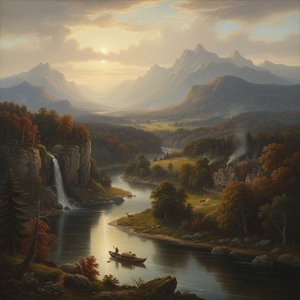
Capturing the American Spirit: A Journey Through Iconic Landscapes and the Legacy of the Hudson River School
Explore the profound beauty of American art history. From the Hudson River School to iconic landscapes, discover a curated journey through the masterpieces that defined a nation's spirit and the enduring legacy of American Romanticism.
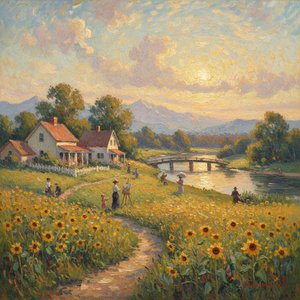
Capturing a Nation's Light: Exploring the American Impressionist Movement
Explore the captivating world of American Impressionism! Discover key artists, techniques & its lasting impact on art history. Find museum-quality reproductions and expert guidance at OriginalUniqueArt.
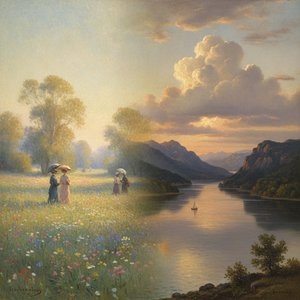
Capturing the Light: A Journey Through the Soul of American Impressionism and the Hudson River School
Explore the luminous beauty of American Impressionism and the Hudson River School. Discover a curated journey through light, landscape, and history, celebrating the enduring legacy of masters through exquisite, hand-painted oil reproductions for the discerning art lover.
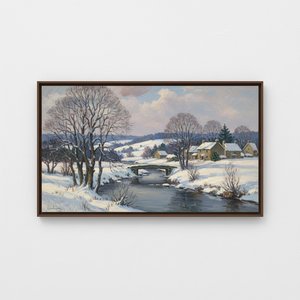
Ernest Lawson: A Pioneer of American Impressionism & His Vision of the Rural Landscape
Explore the life & art of Ernest Lawson, a pivotal figure in American Impressionism. Discover his evocative landscapes, influences, and lasting legacy with OriginalUniqueArt.