
 Visualizar na parede
 Compartilhar
 Compartilhar
 Detalhes

 Baixar imagem
 Semelhantes
 Raio X
 Slideshow
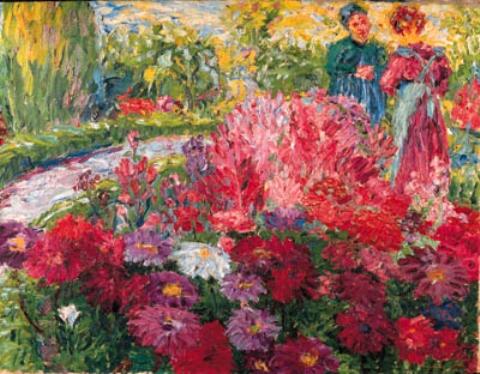
Flowergarden 1

 Ler mais
Reprodução em Óleo Feita à Mão
Óleo sobre tela pintado à mão no tamanho e moldura de sua escolha, feito sob encomenda pelos nossos artistas. ( Comprar impressão Comprar imagem)




P118B $10

P118H $10

P118W $10

P438Z $10

P508JH $12

P508YH $12

P805H $10

P805Z $10

P919BZ $10

P919G $10

P919XJ $10

P959ZH $10

P968JZ $12

W106C $8

W218G $10

W218JH $8

W218Y $10

W307PJ $10

W316G $10

W316PJ $8

W316Y $10

W398PJ $8

W4111J $10

W500HY $15

W500JH $15

W692G $12

W849H $8

W940BG $15

W953PJ $8




Escolha entre os nossos tamanhos pré-definidos que respeitam as proporções originais da obra de arte.

Pode inserir as suas próprias dimensões para se adequar a uma moldura ou espaço específico. Se o tamanho selecionado não corresponder às proporções da imagem original, iremos cortar a obra de arte ou estender a pintura com elementos adicionais pintados à mão. Um esboço digital será enviado para sua aprovação antes do início da produção.
Tenha em atenção que a pré-visualização no ecrã não reflete o corte ou extensão real. Apenas o esboço mostrará com precisão a composição final.
Embora tamanhos personalizados estejam disponíveis, recomendamos selecionar uma dimensão da lista predefinida para preservar as proporções originais.
Após o pedido, a equipa OriginalUniqueArt.com enviará um e-mail ao cliente para solicitar instruções e fornecer uma prévia do esboço.
Entrega mundial () em 3 a 4 semanas, em vez das 5 semanas padrão. (5 Setembro). Sem comprometer a qualidade.

Envio expresso gratuito para todo o mundo

Tela de Linho de Alta Qualidade

Seguro de transporte completo

Garantia de Reembolso de Impostos Alfandegários

Garantia de Fidelidade Cromática

Política de Devolução em 60 Dias (Apenas para Defeitos)

Garantia de reembolso de 100%

Oferta de desconto por quantidade
 A opção de vidro está disponível apenas para tamanhos inferiores a 110 cm

Flowergarden 1
Técnica de Reprodução
Tamanho da Reprodução
-


Preço Total
$ 325
A Symphony of Blossoms: Exploring Emil Nolde’s “Flowergarden 1”
- Subject and Composition: “Flowergarden 1” is an immersive depiction of a flourishing garden, bursting with the vibrant energy of countless red and pink flowers. Nolde doesn't present a neatly arranged botanical study; instead, he offers a dynamic, almost overwhelming abundance. The composition feels deliberately crowded, creating a sense of overflowing life and untamed natural beauty. Two figures are subtly placed in the background, grounding the scene and hinting at humanity’s connection to this vibrant landscape.
- Style & Technique: This artwork exemplifies Nolde's distinctive approach within German Expressionism. While echoes of Impressionism – particularly Monet – can be detected in the focus on light and color, Nolde pushes beyond mere representation. His technique is characterized by loose, broken brushstrokes that build up a textured surface, almost like a mosaic. The intense saturation of colors—layered reds, pinks, and greens—and the energetic application of paint create a palpable sense of movement, as if the flowers are swaying in a gentle breeze. This isn’t about precise detail; it's about capturing the *feeling* of being enveloped by a flower garden.
Emil Nolde and the Expressionist Impulse
- Historical Context: Emil Nolde (1867-1956) was a pivotal figure in early 20th-century art, co-founding the influential group *Die Brücke* (“The Bridge”). This artistic collective sought to break away from traditional academic styles and express inner emotional experiences through bold colors and distorted forms. Nolde’s work, though often rooted in nature, was deeply personal and reflected his spiritual connection to the world around him. Despite facing censorship during the Nazi regime due to his art being deemed “degenerate,” he remained a prolific and innovative artist throughout his life.
- Symbolism & Emotional Impact: The flower garden itself is rich with symbolism. Flowers traditionally represent beauty, joy, transience, and the cycle of life. Nolde’s intensely colored blossoms evoke feelings of exuberance and vitality, but also a sense of fleeting moments – capturing the ephemeral nature of beauty. The painting isn't simply *of* a garden; it aims to convey the emotional experience of being within one—the warmth of sunlight, the heady fragrance, the sheer joy of color.
A Piece for the Discerning Eye
- Interior Design & Collectibility: “Flowergarden 1” is a captivating piece that would bring vibrancy and emotional depth to any interior. Its bold color palette makes it a statement artwork, particularly well-suited to modern or eclectic spaces. The painting’s energy can enliven living rooms, dining areas, or even bedrooms, creating a focal point that sparks conversation. As a work by a major Expressionist artist, Nolde's “Flowergarden 1” holds significant collectibility and artistic value.
Biografia do Artista
Early Life and Artistic Beginnings
Emil Nolde, a name synonymous with vibrant expressionism, was born Hans Emil Hansen on August 7, 1867, in the small village of Nolde, nestled within Schleswig-Holstein, Germany. His origins were deeply rooted in rural life—a landscape shaped by farming traditions and a strong connection to religious beliefs. This formative environment would profoundly influence his artistic vision, imbuing it with a sense of both groundedness and spiritual intensity. Despite initial reservations from his parents, who envisioned a more conventional path for their son – perhaps as a craftsman or merchant – Nolde’s unwavering passion for art ultimately prevailed. He began his artistic journey not in formal academies, but through practical experience, initially working as a wood carver and furniture decorator. This early exposure to craftsmanship instilled a meticulous attention to detail, which would later inform his distinctive painting style. It was only in his late twenties that Nolde finally dedicated himself fully to the pursuit of art, embarking on a path marked by self-education and relentless experimentation.Artistic Development and Influences
Nolde’s artistic evolution unfolded through a process of constant exploration and absorption of diverse influences. He embarked on extensive travels, immersing himself in cultures and artistic traditions far removed from his native Germany. These journeys proved to be transformative, exposing him to the raw power of primitive art – particularly masks and carvings—and sparking an enduring fascination with their symbolic depth. The works of Vincent van Gogh and Paul Gauguin served as crucial touchstones, demonstrating the expressive potential of color and form. Van Gogh’s turbulent brushstrokes and Gauguin's bold use of tropical hues ignited a desire within Nolde to break free from academic constraints and prioritize emotional impact over strict representation. Initially experimenting with Realism and Impressionism, he quickly recognized that these styles lacked the intensity needed to convey his inner world. This realization led him towards a more subjective and emotionally charged approach, laying the foundation for his signature Expressionist style.Die Brücke and Expressionist Breakthrough
In 1905, Nolde played a pivotal role in co-founding Die Brücke (The Bridge), a groundbreaking group of German Expressionist artists. This collective represented a radical departure from the established art world, seeking to dismantle traditional conventions and express profound inner emotions through unrestrained experimentation. Nolde’s contribution to Die Brücke was nothing short of transformative; his audacious use of color—often jarringly bright and intensely saturated—and his distorted forms pushed the boundaries of representation to their limits. However, despite his significant contributions, Nolde maintained a somewhat independent trajectory within the group, frequently diverging in subject matter and stylistic approach. He remained deeply committed to exploring themes that resonated with his own spiritual convictions, often depicting scenes from biblical narratives and delving into the darker aspects of human experience.Key Themes and Artistic Style
Nolde’s artistic output is characterized by a remarkable consistency in recurring themes: religious scenes imbued with profound symbolism, evocative landscapes capturing the raw beauty of nature, dramatic seascapes reflecting the power of the ocean, and poignant portraits revealing glimpses into the human psyche. A particularly compelling aspect of his work lies in his fascination with masks—both as tangible objects and potent symbols representing primal emotions and hidden identities. His artistic style is immediately recognizable by several key elements: a vibrant palette dominated by yellows, reds, and blues; distorted forms that prioritize emotional expression over realistic accuracy; and an impasto technique – the application of thick layers of paint creating a tactile surface brimming with energy. Nolde’s paintings are not merely depictions of reality; they are visceral expressions of inner experience, inviting viewers to confront their own emotions and grapple with profound questions about life, death, and spirituality.Notable Works and Historical Significance
Throughout his prolific career, Emil Nolde created a vast body of work that continues to captivate audiences worldwide. Some of his most celebrated paintings include Masks (1906-1907), a powerful exploration of primitive symbolism; The Mocking of Christ (1909), a deeply unsettling depiction of religious suffering; and the evocative Autumn Sea (1908). His series *The Legend of St. Maria Aegyptica* (1912) is particularly noteworthy for its erotic intensity and disturbing imagery. Despite facing criticism and censorship during the rise of Nazism – his work was deemed “degenerate” and removed from museums – Nolde remained steadfast in his artistic convictions, continuing to paint in secret. His legacy as a pioneering Expressionist artist endures, inspiring generations of artists with his bold experimentation, emotional intensity, and unwavering commitment to expressing the complexities of the human experience. He remains a central figure in the history of German art, celebrated for his unique vision and enduring influence.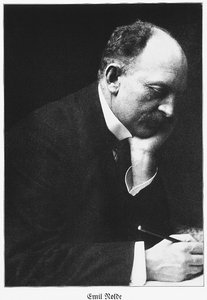
Emil Nolde
1867 - 1956 , Alemanha
Dados Rápidos
- Artistic Movement Or Style: Expressionismo, Die Brücke
- Artists Or Movements Influenced By This Artist: ['Die Brücke']
- Artists Who Influenced This Artist:
- Van Gogh
- Gauguin
- Date Of Birth: 7 de Agosto de 1867
- Date Of Death: 15 de Abril de 1956
- Full Name: Emil Nolde (Hans Emil Hansen)
- Nationality: Alemão-Dinamarquês
- Notable Artworks:
- O Profeta
- Mocionamento de Cristo
- Jardim de Flores
- Place Of Birth: Nolde, Alemanha
Artigos Relacionados
As 10 Pinturas Mais Famosas em Tons de Rosa Claro: Uma Ode à Luz e Cor
Descubra as 10 pinturas mais famosas em tons de rosa claro, de Monet a Renoir! Explore a história, técnica e beleza atemporal dessas obras-primas. Encontre reproduções de arte exclusivas e ideias para decoração com cores pastel na OriginalUniqueArt.com.
Beyond the Brush: How Post-Impressionism Recharged Modern Art with Bold Color and Raw Emotion
Dive into the high-energy revolution of Post-Impressionism. Discover how masters like Cézanne and Van Gogh traded fleeting light for bold colors and raw emotion, forever recharging modern art with the vibrant, structural intensity that defines today's most iconic visual aesthetics.
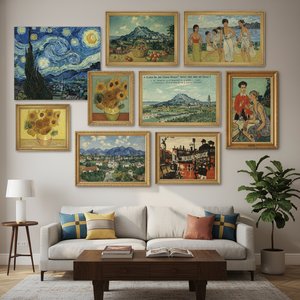
Os 10 Mestres do Pós-Impressionismo: Obras que Transformaram a Arte e Decoram o Lar
Descubra os 10 quadros pós-impressionistas que revolucionaram a arte! Explore Van Gogh, Monet e Cézanne. Encontre reproduções de alta qualidade para decorar sua casa com obras atemporais em OriginalUniqueArt.com.

Além da Luz e Cor: Impressionismo vs. Pós-Impressionismo para o Colecionador Exigente
Descubra as nuances entre Impressionismo e Pós-Impressionismo! Guia completo para colecionadores exigentes, com artistas, história e dicas de investimento. Explore o legado da arte moderna.
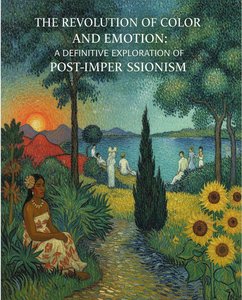
The Revolution of Color and Emotion: A Definitive Exploration of Post-Impressionism
Explore the profound revolution of Post-Impressionism. Delve into the history, techniques, and emotional depth of masters like Van Gogh and Seurat. Discover how to transform your space with museum-quality, hand-painted oil reproductions of these iconic masterpieces.



