
 Visualizar em escala
 Enviar
 Compartilhar
 Ver detalhes
 Guia de Obras do Aluno

 Baixar imagem
 Semelhantes
 Raio X
 Apresentação de slides
 Estatísticas
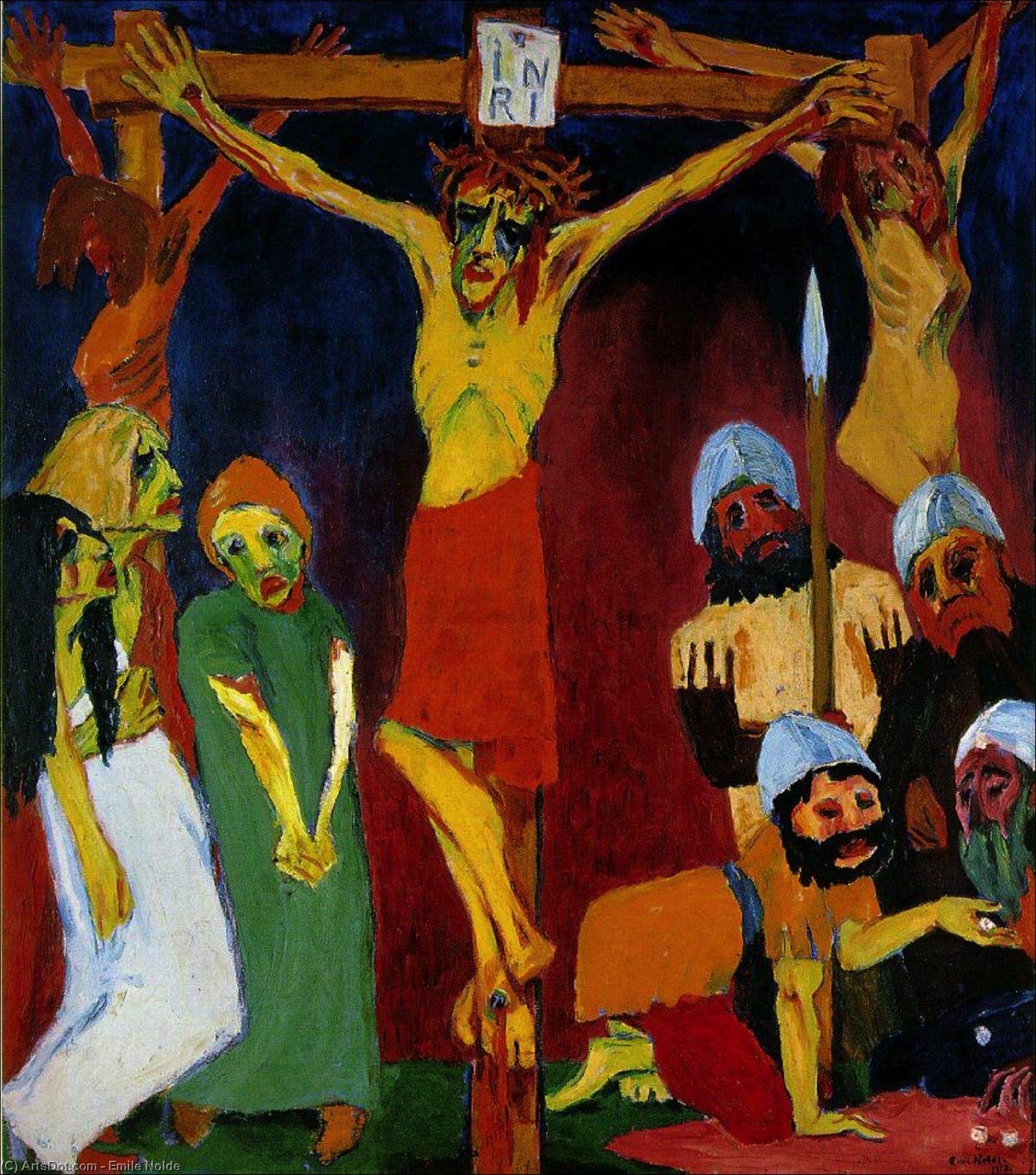
Crucifixion,
 Acrylic On Canvas
- WallArt
- Expressionist Symbolism
 1912
1912- 19th Century
 221.0 x 194.0 cm
 Ver mais
Reprodução em Óleo Feita à Mão
Óleo sobre tela pintado à mão no tamanho e moldura de sua escolha, feito sob encomenda pelos nossos artistas. ( Alternar para Impressão Ver Imagem Digital)




P118B €10

P118H €10

P118W €10

P438Z €10

P508JH €12

P508YH €12

P805H €10

P805Z €10

P919BZ €10

P919G €10

P919XJ €10

P959ZH €10

P968JZ €12

W106C €8

W218G €10

W218JH €8

W218Y €10

W307PJ €10

W316G €10

W316PJ €8

W316Y €10

W398PJ €8

W4111J €10

W500HY €15

W500JH €15

W692G €12

W849H €8

W940BG €15

W953PJ €8




Escolha entre os nossos tamanhos pré-definidos que respeitam as proporções originais da obra de arte.

Type the width and the height you need, to fit your frame or your wall. This is hand-painted, so for a size with a different shape the artist can paint a bit more around the picture, or cut a bit — you choose. We send you a digital mockup to approve before the painting starts. The picture shown on this page does not show the real result — only the mockup does.
Após o pedido, a equipa OriginalUniqueArt.com enviará um e-mail ao cliente para solicitar instruções e fornecer uma prévia do esboço.
Entrega mundial () em 3 a 4 semanas, em vez das 5 semanas padrão. (14 Outubro). Sem comprometer a qualidade.

Envio expresso gratuito para todo o mundo

Tela de Linho Premium

Seguro de transporte total

Garantia de Reembolso de Impostos Alfandegários

Garantia de Fidelidade de Cor

Política de Devolução em 100 Dias (Apenas para Defeitos)

Garantia de reembolso de 100%

Desconto para múltiplas unidades
 A opção de vidro está disponível apenas para tamanhos inferiores a 110 cm

Crucifixion,
Técnica de Reprodução
Dimensões da Reprodução
-


Preço Total
€ 260
A Profound Meditation on Suffering: Emil Nolde's Crucifixion (1912)
Emil Nolde’s Crucifixion, painted in 1912, is not merely a depiction of a biblical event; it’s a visceral exploration of human suffering and faith rendered with an arresting intensity. Measuring 221 x 194 cm, this canvas immediately commands attention with its dramatic composition and the artist's signature use of bold, expressive color. Nolde, deeply influenced by the works of Van Gogh and Gauguin, alongside a fascination with primitive art forms – particularly the raw emotion conveyed through masks and carvings – sought to bypass representational accuracy in favor of conveying profound spiritual truths. The painting’s power resides not just in its subject matter but in the artist's ability to translate complex emotions onto the canvas with remarkable directness.
Subject Matter and Composition
The scene is unequivocally the crucifixion of Christ, a cornerstone event in Christian theology. Nolde meticulously portrays Jesus on the cross, his body contorted in agony, arms outstretched in a gesture both vulnerable and defiant. The surrounding figures – a solitary figure to the left and another to the right, along with a throng gathered around the base of the cross – are not simply observers; they are participants in this monumental drama. Their postures, expressions, and spatial arrangement contribute to the painting’s dynamic tension, reflecting the emotional weight of the moment. Notably, the inclusion of a knife adds an element of unsettling ambiguity, perhaps symbolizing betrayal or the inherent violence within human nature.
Technique and Color – A Language of Emotion
- Impasto Technique: Nolde employs a thick impasto technique, layering paint with considerable texture. This creates a palpable sense of physicality, emphasizing the roughness of the wood, the vulnerability of Christ’s body, and the raw emotion conveyed through the figures' expressions.
- Bold Color Palette: The artist utilizes a vibrant, almost jarring color palette – deep reds, blues, and yellows – to heighten the emotional impact. These colors are not used realistically but rather expressively, amplifying the sense of suffering and spiritual intensity.
- Simplified Forms: Nolde simplifies forms, reducing figures to their essential shapes, further intensifying the painting’s symbolic power. This stylistic choice aligns with his broader interest in exploring primal emotions and spiritual truths through a non-naturalistic lens.
Symbolism and Historical Context
Painted during a period of significant artistic experimentation and religious questioning, Crucifixion reflects the anxieties and spiritual searches of early 20th-century Europe. The painting’s raw emotionality speaks to a desire for authentic experience beyond traditional religious dogma. The scene itself is laden with symbolism – Christ's sacrifice representing redemption, faith, and hope amidst despair. Nolde’s deliberate rejection of academic conventions aligns him with the Expressionist movement, which sought to convey subjective emotions rather than objective reality. The painting was created in 1912, a year marked by social unrest and political upheaval, suggesting a deeper engagement with themes of human suffering and injustice.
Emotional Impact and Artistic Legacy
Crucifixion remains a profoundly moving work of art. Its power lies in its ability to evoke empathy and contemplation, prompting viewers to confront the fundamental questions of faith, suffering, and redemption. Nolde’s masterful use of color, texture, and composition creates an unforgettable image that continues to resonate with audiences today. This hand-painted reproduction offers a unique opportunity to experience the full force of Nolde's artistic vision – a testament to his enduring legacy as one of Germany’s most important Expressionist painters.
Perguntas e Respostas
Qual é a tonalidade predominante de "Crucifixion," de Emil Nolde?
Um tom Golden Yellow Range percorre "Crucifixion," de Emil Nolde.
Qual disposição melhor se adapta ao formato de "Crucifixion," de Emil Nolde?
O formato (Portrait) e o espaço recomendado (Living Room) são os dois detalhes de posicionamento registrados para "Crucifixion," de Emil Nolde.
As cores de "Crucifixion," de Emil Nolde são vibrantes ou suaves?
"Crucifixion," de Emil Nolde é registrado com uma saturação Clear Color Presence e uma intensidade Balanced.
Biografia do Artista
Early Life and Artistic Beginnings
Emil Nolde, a name synonymous with vibrant expressionism, was born Hans Emil Hansen on August 7, 1867, in the small village of Nolde, nestled within Schleswig-Holstein, Germany. His origins were deeply rooted in rural life—a landscape shaped by farming traditions and a strong connection to religious beliefs. This formative environment would profoundly influence his artistic vision, imbuing it with a sense of both groundedness and spiritual intensity. Despite initial reservations from his parents, who envisioned a more conventional path for their son – perhaps as a craftsman or merchant – Nolde’s unwavering passion for art ultimately prevailed. He began his artistic journey not in formal academies, but through practical experience, initially working as a wood carver and furniture decorator. This early exposure to craftsmanship instilled a meticulous attention to detail, which would later inform his distinctive painting style. It was only in his late twenties that Nolde finally dedicated himself fully to the pursuit of art, embarking on a path marked by self-education and relentless experimentation.Artistic Development and Influences
Nolde’s artistic evolution unfolded through a process of constant exploration and absorption of diverse influences. He embarked on extensive travels, immersing himself in cultures and artistic traditions far removed from his native Germany. These journeys proved to be transformative, exposing him to the raw power of primitive art – particularly masks and carvings—and sparking an enduring fascination with their symbolic depth. The works of Vincent van Gogh and Paul Gauguin served as crucial touchstones, demonstrating the expressive potential of color and form. Van Gogh’s turbulent brushstrokes and Gauguin's bold use of tropical hues ignited a desire within Nolde to break free from academic constraints and prioritize emotional impact over strict representation. Initially experimenting with Realism and Impressionism, he quickly recognized that these styles lacked the intensity needed to convey his inner world. This realization led him towards a more subjective and emotionally charged approach, laying the foundation for his signature Expressionist style.Die Brücke and Expressionist Breakthrough
In 1905, Nolde played a pivotal role in co-founding Die Brücke (The Bridge), a groundbreaking group of German Expressionist artists. This collective represented a radical departure from the established art world, seeking to dismantle traditional conventions and express profound inner emotions through unrestrained experimentation. Nolde’s contribution to Die Brücke was nothing short of transformative; his audacious use of color—often jarringly bright and intensely saturated—and his distorted forms pushed the boundaries of representation to their limits. However, despite his significant contributions, Nolde maintained a somewhat independent trajectory within the group, frequently diverging in subject matter and stylistic approach. He remained deeply committed to exploring themes that resonated with his own spiritual convictions, often depicting scenes from biblical narratives and delving into the darker aspects of human experience.Key Themes and Artistic Style
Nolde’s artistic output is characterized by a remarkable consistency in recurring themes: religious scenes imbued with profound symbolism, evocative landscapes capturing the raw beauty of nature, dramatic seascapes reflecting the power of the ocean, and poignant portraits revealing glimpses into the human psyche. A particularly compelling aspect of his work lies in his fascination with masks—both as tangible objects and potent symbols representing primal emotions and hidden identities. His artistic style is immediately recognizable by several key elements: a vibrant palette dominated by yellows, reds, and blues; distorted forms that prioritize emotional expression over realistic accuracy; and an impasto technique – the application of thick layers of paint creating a tactile surface brimming with energy. Nolde’s paintings are not merely depictions of reality; they are visceral expressions of inner experience, inviting viewers to confront their own emotions and grapple with profound questions about life, death, and spirituality.Notable Works and Historical Significance
Throughout his prolific career, Emil Nolde created a vast body of work that continues to captivate audiences worldwide. Some of his most celebrated paintings include Masks (1906-1907), a powerful exploration of primitive symbolism; The Mocking of Christ (1909), a deeply unsettling depiction of religious suffering; and the evocative Autumn Sea (1908). His series *The Legend of St. Maria Aegyptica* (1912) is particularly noteworthy for its erotic intensity and disturbing imagery. Despite facing criticism and censorship during the rise of Nazism – his work was deemed “degenerate” and removed from museums – Nolde remained steadfast in his artistic convictions, continuing to paint in secret. His legacy as a pioneering Expressionist artist endures, inspiring generations of artists with his bold experimentation, emotional intensity, and unwavering commitment to expressing the complexities of the human experience. He remains a central figure in the history of German art, celebrated for his unique vision and enduring influence.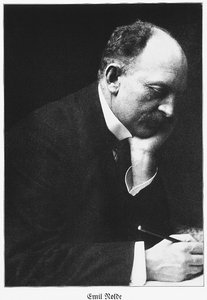
Emil Nolde
1867 - 1956 , Alemanha
Informações Rápidas
- Artistic Movement Or Style: Expressionismo, Die Brücke
- Artists Or Movements Influenced By This Artist: ['Die Brücke']
- Artists Who Influenced This Artist:
- Van Gogh
- Gauguin
- Date Of Birth: 7 de Agosto de 1867
- Date Of Death: 15 de Abril de 1956
- Full Name: Emil Nolde (Hans Emil Hansen)
- Nationality: Alemão-Dinamarquês
- Notable Artworks:
- O Profeta
- Mocionamento de Cristo
- Jardim de Flores
- Place Of Birth: Nolde, Alemanha
Artigos Relacionados

Expressionismo Alemão: 10 Obras-Primas que Moldaram a Arte Moderna | OriginalUniqueArt
Descubra as 10 obras-primas do Expressionismo Alemão que revolucionaram a arte moderna. Explore a paixão de Munch, Kirchner e Kandinsky! Reproduções de museu em OriginalUniqueArt.com. Explore a coleção online.

Giclée Prints: Archival Quality & Aesthetic Nuances for the Discerning Collector
Explore the world of giclée prints with OriginalUniqueArt. Learn about archival quality, aesthetic nuances & investment potential. Expert guidance for discerning art collectors seeking museum-quality reproductions and lasting value.

The Enduring Legacy of Fine Art Prints: Technique, History & Aesthetic Impact
Explore the rich history & techniques of fine art prints. Discover investment potential, assess authenticity, and learn how to preserve your collection with expert guidance. Trusted insights for discerning collectors.

Echoes of Time: Exploring the Enduring Appeal & Historical Context of Vintage Art Prints
Explore the captivating world of vintage art prints! Discover their history, collecting tips & enduring appeal. Expert insights on chromolithography and building a legacy collection with OriginalUniqueArt.

Top 10 Obras de Arte Audazes para Decorar com Impacto | OriginalUniqueArt.com
Descubra 10 obras de arte audazes que inspiram e transformam! Explore a história por trás de Van Gogh, Picasso, Monet e outros mestres. Encontre reproduções de alta qualidade para decorar sua casa com impacto. OriginalUniqueArt.com: Arte para todos os estilos.

