
 Visualizar na parede
 Compartilhar
 Compartilhar
 Detalhes
 Guia
Guia

 Baixar imagem
 Semelhantes
 Raio X
 Ver diaporama
 Perguntas e Respostas
 Estatísticas
Christ among the Children


 Ler mais
Giclée / Impressão de Arte
Impressão giclée ou em tela de qualidade de museu, com produção rápida e opções flexíveis de acabamento. ( Comprar pintura feita à mão Alternar para Imagem Digital)




P118B €10

P118H €10

P118W €10

P438Z €10

P508JH €12

P508YH €12

P805H €10

P805Z €10

P919BZ €10

P919G €10

P919XJ €10

P959ZH €10

P968JZ €12

W106C €8

W218G €10

W218JH €8

W218Y €10

W307PJ €10

W316G €10

W316PJ €8

W316Y €10

W398PJ €8

W4111J €10

W500HY €15

W500JH €15

W692G €12

W849H €8

W940BG €15

W953PJ €8




Escolha entre os nossos tamanhos pré-definidos que respeitam as proporções originais da obra de arte.

Insira a largura e a altura desejadas para se ajustarem à sua moldura ou parede. Uma impressão pode ser apenas cortada, nunca ampliada além da imagem original; portanto, um tamanho com proporções diferentes resultará na perda de parte da imagem. Enviamos uma maquete digital para sua aprovação antes de realizarmos a impressão. A imagem exibida nesta página não mostra o corte real — apenas a maquete o faz.
Entrega mundial () em 2 semanas, em vez das 4/5 semanas padrão. (7 Novembro)

Envio expresso gratuito para todo o mundo

Tela de Linho de Alta Qualidade

Seguro de transporte completo

Garantia de Reembolso de Impostos Alfandegários

Garantia de Fidelidade Cromática

Política de Devolução em 100 Dias (Apenas para Defeitos)

Garantia de reembolso de 100%

Oferta de desconto por quantidade
 A opção de vidro está disponível apenas para tamanhos inferiores a 110 cm

Christ among the Children
Giclée / Impressão de Arte
Tamanho da Reprodução
-


Preço Total
€ 72
Emil Nolde's 'Christ Among the Children': A Symphony of Emotion and Primitive Power
Emil Nolde’s “Christ Among the Children” is not merely a depiction of a biblical scene; it’s an immersive experience, a visceral outpouring of emotion rendered with the raw energy characteristic of his mature style. This large-scale painting captures a moment of profound intimacy – Christ surrounded by children – yet it vibrates with a primal intensity that speaks to the core of human connection and faith. The photograph reveals a bustling gathering, a tableau vivant brimming with life, where the central figure, Christ, is not presented as a distant deity but as a compassionate presence deeply engaged with the innocent faces around him. The figures are arranged in a dynamic composition, suggesting movement and interaction, further amplifying the sense of immediacy.
Expressionist Roots and Bold Color
- Style: Nolde’s work firmly resides within the Expressionist movement, a reaction against the perceived superficiality of Impressionism. He sought to convey subjective emotions and experiences rather than objective reality.
- Color Palette: The painting is immediately striking for its audacious use of color. Nolde employed vibrant, often clashing hues – deep reds, blues, and yellows – reminiscent of primitive folk art and the works of Van Gogh and Gauguin. This deliberate departure from traditional academic color theory contributes significantly to the work’s emotional impact.
- Brushwork: His brushstrokes are thick, impastoed, and deliberately uneven, adding a tactile quality to the canvas and intensifying the sense of movement and energy within the scene.
Symbolism and Narrative Depth
The composition itself is laden with symbolic weight. The gathering of children around Christ immediately evokes images of the Nativity, but Nolde elevates this familiar narrative by presenting it as a moment of profound equality. Children, representing innocence and vulnerability, are depicted as Christ’s equals, suggesting a radical democratization of faith. The inclusion of figures dressed in formal attire hints at the societal constraints placed upon religious belief, further emphasizing Christ's message of liberation and acceptance. Nolde’s use of simplified forms and distorted perspectives aligns with his interest in exploring primal emotions and spiritual truths – echoing the expressive power of primitive masks and carvings that profoundly influenced his artistic development.
Historical Context and Artistic Legacy
Created during a period of significant social and political upheaval in Germany, “Christ Among the Children” reflects Nolde’s own anxieties and spiritual searching. Born in 1867, Nolde navigated a rapidly changing world, embracing both traditional religious themes and innovative artistic techniques. His work gained recognition within the Expressionist circle, though he often faced criticism for his unconventional methods and bold aesthetic choices. Despite these challenges, Nolde remained a fiercely independent artist, producing a remarkably prolific body of work that continues to captivate viewers with its raw emotion and enduring power. This painting stands as a testament to Nolde’s unique vision – a powerful synthesis of religious faith, artistic innovation, and the expressive potential of color.
Perguntas e Respostas
"Christ among the Children", de Emil Nolde utiliza contrastes fortes ou harmonias suaves?
Em "Christ among the Children", um Serene contraste une-se a uma Discordant Palette harmonia.
"Christ among the Children" é mais claro ou mais escuro no geral?
"Christ among the Children", de Emil Nolde apresenta um brilho de deep_shadow, com uma luminância de Dark.
"Christ among the Children", de Emil Nolde está em domínio público?
Informação de direitos autorais para "Christ among the Children", de Emil Nolde: a obra está em em domínio público — seus direitos autorais expiraram. Isso determina se reproduções da imagem podem ser feitas livremente.
Biografia do Artista
Early Life and Artistic Beginnings
Emil Nolde, a name synonymous with vibrant expressionism, was born Hans Emil Hansen on August 7, 1867, in the small village of Nolde, nestled within Schleswig-Holstein, Germany. His origins were deeply rooted in rural life—a landscape shaped by farming traditions and a strong connection to religious beliefs. This formative environment would profoundly influence his artistic vision, imbuing it with a sense of both groundedness and spiritual intensity. Despite initial reservations from his parents, who envisioned a more conventional path for their son – perhaps as a craftsman or merchant – Nolde’s unwavering passion for art ultimately prevailed. He began his artistic journey not in formal academies, but through practical experience, initially working as a wood carver and furniture decorator. This early exposure to craftsmanship instilled a meticulous attention to detail, which would later inform his distinctive painting style. It was only in his late twenties that Nolde finally dedicated himself fully to the pursuit of art, embarking on a path marked by self-education and relentless experimentation.Artistic Development and Influences
Nolde’s artistic evolution unfolded through a process of constant exploration and absorption of diverse influences. He embarked on extensive travels, immersing himself in cultures and artistic traditions far removed from his native Germany. These journeys proved to be transformative, exposing him to the raw power of primitive art – particularly masks and carvings—and sparking an enduring fascination with their symbolic depth. The works of Vincent van Gogh and Paul Gauguin served as crucial touchstones, demonstrating the expressive potential of color and form. Van Gogh’s turbulent brushstrokes and Gauguin's bold use of tropical hues ignited a desire within Nolde to break free from academic constraints and prioritize emotional impact over strict representation. Initially experimenting with Realism and Impressionism, he quickly recognized that these styles lacked the intensity needed to convey his inner world. This realization led him towards a more subjective and emotionally charged approach, laying the foundation for his signature Expressionist style.Die Brücke and Expressionist Breakthrough
In 1905, Nolde played a pivotal role in co-founding Die Brücke (The Bridge), a groundbreaking group of German Expressionist artists. This collective represented a radical departure from the established art world, seeking to dismantle traditional conventions and express profound inner emotions through unrestrained experimentation. Nolde’s contribution to Die Brücke was nothing short of transformative; his audacious use of color—often jarringly bright and intensely saturated—and his distorted forms pushed the boundaries of representation to their limits. However, despite his significant contributions, Nolde maintained a somewhat independent trajectory within the group, frequently diverging in subject matter and stylistic approach. He remained deeply committed to exploring themes that resonated with his own spiritual convictions, often depicting scenes from biblical narratives and delving into the darker aspects of human experience.Key Themes and Artistic Style
Nolde’s artistic output is characterized by a remarkable consistency in recurring themes: religious scenes imbued with profound symbolism, evocative landscapes capturing the raw beauty of nature, dramatic seascapes reflecting the power of the ocean, and poignant portraits revealing glimpses into the human psyche. A particularly compelling aspect of his work lies in his fascination with masks—both as tangible objects and potent symbols representing primal emotions and hidden identities. His artistic style is immediately recognizable by several key elements: a vibrant palette dominated by yellows, reds, and blues; distorted forms that prioritize emotional expression over realistic accuracy; and an impasto technique – the application of thick layers of paint creating a tactile surface brimming with energy. Nolde’s paintings are not merely depictions of reality; they are visceral expressions of inner experience, inviting viewers to confront their own emotions and grapple with profound questions about life, death, and spirituality.Notable Works and Historical Significance
Throughout his prolific career, Emil Nolde created a vast body of work that continues to captivate audiences worldwide. Some of his most celebrated paintings include Masks (1906-1907), a powerful exploration of primitive symbolism; The Mocking of Christ (1909), a deeply unsettling depiction of religious suffering; and the evocative Autumn Sea (1908). His series *The Legend of St. Maria Aegyptica* (1912) is particularly noteworthy for its erotic intensity and disturbing imagery. Despite facing criticism and censorship during the rise of Nazism – his work was deemed “degenerate” and removed from museums – Nolde remained steadfast in his artistic convictions, continuing to paint in secret. His legacy as a pioneering Expressionist artist endures, inspiring generations of artists with his bold experimentation, emotional intensity, and unwavering commitment to expressing the complexities of the human experience. He remains a central figure in the history of German art, celebrated for his unique vision and enduring influence.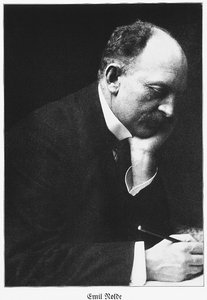
Emil Nolde
1867 - 1956 , Alemanha
Dados Rápidos
- Artistic Movement Or Style: Expressionismo, Die Brücke
- Artists Or Movements Influenced By This Artist: ['Die Brücke']
- Artists Who Influenced This Artist:
- Van Gogh
- Gauguin
- Date Of Birth: 7 de Agosto de 1867
- Date Of Death: 15 de Abril de 1956
- Full Name: Emil Nolde (Hans Emil Hansen)
- Nationality: Alemão-Dinamarquês
- Notable Artworks:
- O Profeta
- Mocionamento de Cristo
- Jardim de Flores
- Place Of Birth: Nolde, Alemanha
Artigos Relacionados

Fra Angelico: As 25 Obras-Primas que Definem a Arte Renascentista | OriginalUniqueArt
Descubra as 25 obras-primas de Fra Angelico, o mestre renascentista da arte sacra. Explore a beleza dos afrescos e pinturas que inspiram fé e contemplação. Reproduções de alta qualidade em OriginalUniqueArt.com!

The Enduring Legacy of Fine Art Prints: Technique, History & Aesthetic Impact
Explore the rich history & techniques of fine art prints. Discover investment potential, assess authenticity, and learn how to preserve your collection with expert guidance. Trusted insights for discerning collectors.

Andy Warhol: As 25 Obras Essenciais do Ícone da Pop Art | OriginalUniqueArt
Descubra as 25 obras mais emblemáticas de Andy Warhol, o ícone da Pop Art! Explore a história por trás de Marilyn Monroe, Campbell's Soup Cans e outras criações vibrantes. Encontre reproduções de arte exclusivas para decorar sua casa com estilo em OriginalUniqueArt.com.

Echoes of Time: Exploring the Enduring Appeal & Historical Context of Vintage Art Prints
Explore the captivating world of vintage art prints! Discover their history, collecting tips & enduring appeal. Expert insights on chromolithography and building a legacy collection with OriginalUniqueArt.

Giclée Prints: Archival Quality & Aesthetic Nuances for the Discerning Collector
Explore the world of giclée prints with OriginalUniqueArt. Learn about archival quality, aesthetic nuances & investment potential. Expert guidance for discerning art collectors seeking museum-quality reproductions and lasting value.

