
 Visualizar na parede
 Compartilhar
 Compartilhar
 Detalhes
 Guia
Guia

 Baixar imagem
 Semelhantes
 Raio X
 Ver diaporama
 Perguntas e Respostas
 Estatísticas
Interior with a Lady Playing the Virginal


 Ler mais
Giclée / Impressão de Arte
Impressão giclée ou em tela de qualidade de museu, com produção rápida e opções flexíveis de acabamento. ( Comprar pintura feita à mão Alternar para Imagem Digital)




P118B €10

P118H €10

P118W €10

P438Z €10

P508JH €12

P508YH €12

P805H €10

P805Z €10

P919BZ €10

P919G €10

P919XJ €10

P959ZH €10

P968JZ €12

W106C €8

W218G €10

W218JH €8

W218Y €10

W307PJ €10

W316G €10

W316PJ €8

W316Y €10

W398PJ €8

W4111J €10

W500HY €15

W500JH €15

W692G €12

W849H €8

W940BG €15

W953PJ €8




Escolha entre os nossos tamanhos pré-definidos que respeitam as proporções originais da obra de arte.

Insira a largura e a altura desejadas para se ajustarem à sua moldura ou parede. Uma impressão pode ser apenas cortada, nunca ampliada além da imagem original; portanto, um tamanho com proporções diferentes resultará na perda de parte da imagem. Enviamos uma maquete digital para sua aprovação antes de realizarmos a impressão. A imagem exibida nesta página não mostra o corte real — apenas a maquete o faz.
Entrega mundial () em 2 semanas, em vez das 4/5 semanas padrão. (7 Novembro)

Envio expresso gratuito para todo o mundo

Tela de Linho de Alta Qualidade

Seguro de transporte completo

Garantia de Reembolso de Impostos Alfandegários

Garantia de Fidelidade Cromática

Política de Devolução em 100 Dias (Apenas para Defeitos)

Garantia de reembolso de 100%

Oferta de desconto por quantidade
 A opção de vidro está disponível apenas para tamanhos inferiores a 110 cm

Interior with a Lady Playing the Virginal
Giclée / Impressão de Arte
Tamanho da Reprodução
-


Preço Total
€ 72
A Glimpse into Dutch Golden Age Intimacy
Emanuel de Witte’s “Interior with a Lady Playing the Virginal” isn't merely a painting; it’s a carefully constructed invitation. Completed around 1665, this oil on canvas transports us to a private chamber within a grand Dutch house, radiating an atmosphere of quiet contemplation and subtle drama. De Witte, a master of capturing the essence of space and light, eschews the meticulous architectural documentation favored by his contemporary, Pieter Saenredam, instead focusing on the *feeling* of being present within this intimate scene. The painting whispers stories of domestic life, musical performance, and perhaps even a touch of melancholy – all rendered with an exquisite sensitivity to color, texture, and the play of light.
The composition is immediately arresting. A woman, elegantly dressed and absorbed in her music, dominates the central space. She plays a virginal, a keyboard instrument popular during the period, its intricate workings hinted at by the surrounding instruments – a violin resting against a wall and a harpsichord subtly visible in the background. The room itself is richly detailed: a checkered floor suggesting a sense of order, a chandelier casting a warm glow, and two figures observing the performance from doorways—one standing, one seated. De Witte’s skill lies not just in depicting these objects but in creating an illusion of depth and perspective that draws us into the scene.
The Language of Light and Shadow
De Witte's mastery of chiaroscuro – the dramatic contrast between light and shadow – is central to the painting’s power. He doesn’t simply illuminate the room; he sculpts it with light, creating a sense of intimacy and drawing our attention to key elements. The light source, unseen but implied, casts long shadows that define the forms of the furniture and figures, adding a layer of mystery and sophistication. Notice how the light catches the woman's face, highlighting her expression of concentration, while leaving other areas in soft shadow. This technique isn’t just aesthetic; it contributes to the painting’s overall mood – a blend of serenity and quiet introspection.
The use of color is equally deliberate. De Witte employs a restrained palette of browns, golds, and reds, creating a harmonious and refined atmosphere. The rich hues of the fabrics and furniture are subtly contrasted with the cooler tones of the walls and floor, further enhancing the sense of depth and perspective. He avoids bright, flashy colors, opting instead for muted shades that evoke the warmth and comfort of a domestic setting.
Symbolism and Context
“Interior with a Lady Playing the Virginal” is more than just a snapshot of 17th-century life; it’s laden with symbolism. The virginal itself represents refinement, education, and musical skill – qualities highly valued in aristocratic society. The presence of multiple instruments suggests a gathering or performance, hinting at social interaction and cultural pursuits. Some art historians interpret the scene as a meditation on love and erotic melancholy, perhaps referencing the fleeting nature of beauty and pleasure. The figure observing from the doorway could represent an unspoken longing or a detached contemplation of domestic life.
Created during the Dutch Golden Age, a period of unprecedented prosperity and artistic flourishing, the painting reflects the values and sensibilities of the time. De Witte’s work aligns with the broader trends of the era – a fascination with interior spaces, an interest in capturing fleeting moments of everyday life, and a commitment to realism and naturalism. The painting is currently housed at the Museum Boijmans Van Beuningen in Rotterdam, offering visitors a chance to experience this remarkable masterpiece firsthand.
A Timeless Masterpiece
Emanuel de Witte’s “Interior with a Lady Playing the Virginal” remains a captivating work of art, demonstrating his exceptional skill and artistic vision. Its evocative atmosphere, masterful use of light and shadow, and subtle symbolism continue to resonate with viewers today. Whether you're an art enthusiast, a collector seeking a piece of Dutch history, or simply someone looking for a beautiful addition to your home, this painting offers a glimpse into a bygone era – a world of refined elegance, quiet contemplation, and enduring artistic beauty.
Perguntas e Respostas
Qual é o nível de contraste de "Interior with a Lady Playing the Virginal", de Emanuel De Witte?
O nível de contraste de "Interior with a Lady Playing the Virginal", de Emanuel De Witte é Serene.
Como "Interior with a Lady Playing the Virginal", de Emanuel De Witte pode ser utilizado na decoração de interiores?
"Interior with a Lady Playing the Virginal" é sugerida para Statement, e o espaço recomendado é um(a) Living Room.
Como posso adquirir uma impressão de "Interior with a Lady Playing the Virginal", de Emanuel De Witte?
Para obter uma impressão de "Interior with a Lady Playing the Virginal", de Emanuel De Witte, basta encomendá-la na sua página de Impressão Fine Art: uma impressão fine art em tela de algodão ou papel canvas de arquivo.
Biografia do Artista
A Life in Perspective: The World of Emanuel de Witte
Emanuel de Witte, um nome talvez menos imediatamente reconhecível do que alguns de seus contemporâneos da Era de Ouro Holandesa, ocupa, no entanto, um nicho significativo e fascinante dentro do panteão dos mestres do século XVII. Nascido em Alkmaar em 1617, a jornada artística de De Witte foi marcada por um talento notável e, ao mesmo tempo, por uma turbulência pessoal considerável – uma dualidade que parece sutilmente infundir-se na própria atmosfera de seus quadros. Ele não era impulsionado pela documentação arquitetônica meticulosa como Pieter Saenredam; em vez disso, buscava capturar a *sensação* do espaço, a qualidade da luz e o drama sutil se desenrolando dentro dos interiores sagrados. Suas telas não são meras representações de igrejas; são experiências imersivas, convidando os espectadores a entrar em um mundo de contemplação silenciosa e ressonância espiritual.De Delft para a Abraço de Amsterdã
A vida inicial de De Witte forneceu uma base sólida para seus empreendimentos artísticos. Seu pai, um professor, inculcou nele um apreço pelo aprendizado e pela curiosidade intelectual – qualidades que se manifestariam posteriormente em sua cuidadosa observação da perspectiva e da luz. Ele ingressou formalmente no mundo da arte ao se juntar à Guilda de São Lucas em Alkmaar em 1636, mas foi seu subsequente aprendizado com Evert van Aelst em Delft que provou ser particularmente formativo. Van Aelst, um renomado pintor de naturezas mortas, transmitiu a De Witte um olhar aguçado para o detalhe e um domínio magistral da luz e da sombra – habilidades que se tornariam marcas registradas de seu estilo maduro. Inicialmente, De Witte explorou vários gêneros—retratos, cenas mitológicas, narrativas religiosas—mas foi somente ao se mudar para Amsterdã em 1651 que ele realmente encontrou sua vocação. A riqueza da cidade proporcionava uma fonte inexaurível de inspiração, e ele começou a se especializar na representação de seus deslumbrantes interiores.Mestre da Atmosfera e Espaços Imaginários
Amsterdã provou ser crucial para o desenvolvimento artístico de De Witte. Ele não simplesmente replicava igrejas existentes; em vez disso, sintetizava habilmente elementos de diferentes edifícios, criando interiores idealizados que pareciam ao mesmo tempo familiares e sutilmente outros. A Oude Kerk em Amsterdã tornou-se um assunto frequente em seus quadros, aparecendo repetidamente em várias perspectivas. Mas estes não eram representações literais. De Witte manipulava a perspectiva, brincava com a luz e a sombra e povoava os espaços com figuras cuidadosamente dispostas para evocar uma sensação ou atmosfera específica. Como Walter Liedtke observou, seu principal interesse não era a arquitetura em si, mas sim “o espaço em si – sua luz, cor, extensão pura e humor”. Esta ênfase no efeito atmosférico o diferencia de pintores mais rigidamente topográficos da época. Ele não estava preocupado com a precisão; ele estava interessado em criar uma *sensação* de grandeza, reverência e profundidade espiritual.Uma Vida Marcada por Sombras
Apesar do sucesso artístico, a vida pessoal de De Witte foi marcada por dificuldades. A morte de sua primeira esposa trouxe profunda tristeza, e problemas legais subsequentes envolvendo sua segunda esposa e filha lançaram uma longa sombra sobre seus anos posteriores. Dificuldades financeiras levaram-no à humilhante posição de servidão para o negociante de arte Joris de Wijs, uma situação que ele acabou por violar, levando a mais complicações. Relatos contemporâneos pintam um retrato de um temperamento volátil – um homem propenso a gritar com clientes e a se envolver em disputas. Essa turbulência interior pode ter contribuído para a irregularidade de seu trabalho posterior, mas também adiciona uma camada extra de complexidade à nossa compreensão do artista e de suas criações. Tragicamente, a vida de De Witte chegou a um fim devastador em 1692 quando se acredita que tentou cometer suicídio enforcando-se em uma ponte do canal; a corda se rompeu e ele afogou-se. Um final sombrio para um homem que dedicou sua vida a capturar a beleza e a serenidade dos espaços sagrados.Legado e Influência Duradoura
Emanuel de Witte ocupa um lugar importante na última fase da pintura arquitetônica nos Países Baixos, conectando-se entre a documentação meticulosa e a interpretação atmosférica. Seu uso inovador da luz e da perspectiva influenciou gerações posteriores de artistas, e suas pinturas continuam a oferecer insights valiosos sobre a vida religiosa e social holandesa do século XVII. Hoje, as obras de De Witte são mantidas em coleções prestigiadas – no Metropolitan Museum of Art, na National Gallery of Art e no Rijksmuseum, entre outras—testemunhando seu legado duradouro como mestre da perspectiva, atmosfera e ressonância emocional. Ele nos lembra que a arte não é apenas o que vemos, mas como *sentimos* quando olhamos.
Emanuel De Witte
1617 - 1692 , Países Baixos
Dados Rápidos
- Artistic Movement Or Style: Barroco holandês
- Artists Or Movements Influenced By This Artist: ['Artistas posteriores']
- Artists Who Influenced This Artist: ['Evert van Aelst']
- Date Of Birth: 1617
- Date Of Death: 1692
- Full Name: Emanuel de Witte
- Nationality: Holandês
- Notable Artworks:
- Interior Oude Kerk
- Interiores igrejas
- Place Of Birth: Alkmaar, Holanda
Artigos Relacionados

A Era de Ouro Holandesa: 10 Mestras-Obras Imperdíveis para Decorar com Arte
Descubra as 10 obras-primas da Era de Ouro Holandesa! Explore a história, técnica e beleza atemporal de Rembrandt, Vermeer e outros mestres. Encontre reproduções de arte exclusivas para decorar sua casa com elegância em OriginalUniqueArt.com.

Mastering Light & Shadow: A Journey Through the Dutch Golden Age's Luminous Legacy
Embark on a cultural journey through the Dutch Golden Age. Explore the masterful interplay of light and shadow in 17th-century masterpieces, from Rembrandt to Vermeer, and discover how this era of profound realism continues to inspire fine art collectors today.

Golden Light & Dutch Skies: The Timeless Magic of Dutch Golden Age Landscapes
Discover the breathtaking beauty of Dutch Golden Age landscapes. Explore the mastery of light, chiaroscuro, and 17th-century realism through an expert art history lens, celebrating the enduring legacy of the Dutch Masters for discerning collectors and art lovers.

Golden Age Reflections: Dutch Baroque Painting & Cultural Innovation
Explore the Dutch Golden Age of painting! Discover key artists like Vermeer & ter Borch, their innovative techniques, and the rich cultural context behind these Baroque masterpieces. Learn about collecting & appreciating this iconic art period.
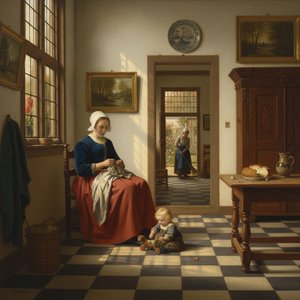
Pieter de Hooch: Illuminating Dutch Domestic Life & Golden Age Charm
Explore the captivating world of Pieter de Hooch, a master of Dutch Golden Age painting. Discover his innovative use of light, intimate domestic scenes, and lasting influence on art history. Learn more at OriginalUniqueArt.