Pictorialism · 1920
Sunflower (Edward Steichen, 1920)
Edward Steichen (1900–1973) criou Sunflower. Data de 1920. Pertence ao movimento Pictorialism. É feito em Acrylic On Canvas. Está conservada no Museu George Eastman, em Rochester, Estados Unidos da América. Mede 19 × 24 cm.
- 1920
- Acrylic On Canvas
- 19 × 24 cm
- Museu George Eastman, Rochester

 Visualizar na parede

 Pintura a Óleo Feita à Mão
 Compartilhar
 Compartilhar
 Ficha técnica


 Baixar imagem
 Semelhantes
 Raio X
 Ver diaporama
 Perguntas e Respostas

 Estatísticas
Sunflower, em resumo
- Título
- Sunflower
- Artista
- Edward Steichen (1900–1973)
- Artista nascido em
- Bivange, Luxemburgo
- Data
- 1920
- Técnica
- Acrylic On Canvas
- Dimensões
- 19 × 24 cm
- Onde ver
- Museu George Eastman, Rochester, Estados Unidos da América
- Movimento
- Pictorialism
- Período
- 19th Century
- Tema
- sunflower, edward steichen, photography, art, landscape, composition
O que Sunflower retrata?
A Luxembourgian Seed Takes Root: The Genesis of “Sunflower”
Edward Steichen’s 1920 painting, "Sunflower," isn’t merely a depiction of a flower; it's a poignant distillation of memory, displacement, and the enduring search for belonging. Born in the small, unassuming village of Bivange, Luxembourg, in 1879 – a region steeped in history and shadowed by the shifting borders of Europe – Steichen’s early life was marked by an emigration to America at just eighteen months old. This relocation, a common experience for Luxembourgers facing economic hardship, instilled within him a profound sense of rootlessness, a feeling that would subtly permeate his artistic vision throughout his career. The painting itself emerges from this context; it's not simply a botanical study but a visual echo of a past left behind, a yearning for stability amidst constant change.
Steichen’s journey to America was fueled by the hope of opportunity and a desire to escape the limitations imposed by his birthplace. He quickly immersed himself in the vibrant artistic scene of Milwaukee, Wisconsin, where he honed his skills as a lithographer and began experimenting with photography – a medium that would ultimately become his defining voice. This early exposure to both visual arts laid the groundwork for his later ability to capture light, texture, and emotion with remarkable precision.
The Pictorialist’s Palette: Technique and Style
“Sunflower” exemplifies Steichen's mastery of the pictorialist style – a movement that sought to elevate photography to the level of fine art. The painting is rendered in tempera and oil on canvas, utilizing a muted palette dominated by earthy browns, ochres, and subtle greens. These colors evoke the rich soil from which the sunflower springs, grounding the image in a sense of naturalism while simultaneously lending it an air of quiet contemplation. Steichen’s brushwork is deliberately soft and blended, creating a hazy, dreamlike quality that obscures sharp details and invites the viewer to lose themselves within the scene.
The composition itself is carefully constructed. The sunflower dominates the center of the frame, its broad petals radiating outwards in an explosion of color and form. Steichen employs a technique known as *sfumato*, borrowed from Renaissance painting, to soften edges and create a sense of atmospheric perspective. This blurring effect not only adds depth but also contributes to the painting’s overall mood of melancholy and nostalgia. The lighting is particularly noteworthy – a diffused, almost ethereal glow that seems to emanate from within the flower itself, suggesting an inner life and vitality.
Symbolism in Bloom: Memory, Displacement, and Resilience
The sunflower, as a symbol, carries layers of meaning. Historically, it has represented adoration, loyalty, and longevity – qualities that resonate deeply with Steichen’s own experiences. The flower's tendency to follow the sun is often interpreted as a metaphor for seeking guidance and direction in life, a theme particularly relevant to an artist grappling with displacement and uncertainty. The painting can be seen as a visual representation of Steichen’s own journey – his departure from Luxembourg, his struggles to find acceptance in America, and his ongoing quest for artistic fulfillment.
Furthermore, the sunflower's association with remembrance is significant. It’s often used as a symbol of mourning and remembrance, connecting to the broader context of Steichen’s life – marked by personal loss and the challenges of adapting to a new culture. Despite these hardships, however, “Sunflower” ultimately conveys a sense of resilience and hope. The flower's vibrant colors and upward-reaching form suggest an enduring spirit, a testament to the human capacity for growth and renewal.
A Legacy in Light: Steichen’s Enduring Influence
Edward Steichen’s “Sunflower” stands as a powerful example of his artistic vision – a synthesis of technique, symbolism, and personal experience. His pioneering work in photography and painting profoundly influenced generations of artists, shaping the course of modern visual culture. Today, reproductions of this evocative image continue to captivate viewers with their quiet beauty and poignant message. It serves as a reminder that even amidst displacement and hardship, there is always room for growth, remembrance, and the enduring pursuit of light.
Em qual museu se encontra Sunflower?
Museu George Eastman
Rochester, Estados Unidos da América
Um Legado Esculpido em Luz Aninhado na serena e verdejante paisagem de Rochester, Nova York, ergue-se um monumento não apenas à arte, mas à própria invenção da narrativa visual. O George Eastman Museum é muito mais do que um repositório de fotografias e filmes; é um testemunho vivo do desejo humano ilimitado de capturar momentos fugazes, preservar memórias efêmeras e compartilhar visões profundas. Fundada pelo visionário empreendedor George Eastman — o homem que democratizou a fotografia por meio de suas revolucionárias câmeras Kodak — esta instituição incorpora uma extraordinária confluência de inovação tecnológica, expressão artística e grandiosidade arquitetônica.


Imagens em alta resolução de Sunflower

Protected by copyright: these files are for personal reference, not a licence to republish.
Edward Steichen, Sunflower (1920), Museu George Eastman.
Perguntas sobre Sunflower respondidas
Onde "Sunflower", de Edward Steichen está em exibição hoje?
A obra original "Sunflower" pode ser vista no Museu George Eastman, Rochester, Estados Unidos da América.
Em que ano foi criada a obra "Sunflower", de Edward Steichen?
"Sunflower", de Edward Steichen foi criado em 1920.
De que técnica é feita a obra "Sunflower"?
"Sunflower" é executada em Acrylic On Canvas.
Quais são as dimensões de "Sunflower", de Edward Steichen na vida real?
A obra original "Sunflower", de Edward Steichen mede 24 x 19 cm.
O que "Sunflower", de Edward Steichen retrata?
Os temas presentes em "Sunflower", de Edward Steichen incluem sunflower, edward steichen, photography, art, landscape, composition, color, 1920. Juntos, eles sintetizam o assunto da obra.
A imagem de "Sunflower", de Edward Steichen pode ser reproduzida livremente?
"Sunflower", de Edward Steichen está em ainda protegido por direitos autorais. Este status determina como a imagem da obra pode ser reproduzida.
Quem é o artista por trás de "Sunflower"?
O artista por trás de "Sunflower" é Edward Steichen. A obra está catalogada sob o nome de Edward Steichen.
A qual estilo pertence "Sunflower"?
"Sunflower" é uma obra do Pictorialism. O movimento indica a tradição artística da qual a obra faz parte.
A que fase da trajetória de Edward Steichen "Sunflower" pertence?
Dentro da trajetória de Edward Steichen, "Sunflower" pertence ao período Early Period. Esta fase permite compará-la com outras obras do artista.
Sobre o artista, Edward Steichen

1900–1973, Luxemburgo
Edward Steichen
Uma Vida que Une Mundos: A Odisseia Artística de Edward Steichen Édouard Jean Steichen, mais tarde conhecido como Edward Steichen, foi uma figura que transcendeu simples categorizações. Nascido em 1879, na pequena aldeia de Bivange, Luxemburgo, sua vida tornou-se uma jornada extraordinária, partindo de suas raízes europeias para se tornar um dos artistas mais influentes da América – não apenas como fotógrafo, mas como pintor, curador e um visionário que remodelou a nossa percepência da cultura visual. Seus primeiros anos foram marcados por uma mudança significativa; em 1881, a família Steichen emigrou para Hancock, Michigan, em busca de novas oportunidades. Esse movimento instilou no jovem Edward um senso de deslocamento e, talvez, uma sensibilidade aguçada à observação – qualidades que moldariam profundamente sua visão artística.
Também de Edward Steichen
 Le Tournesol (The Sunflower)1920
 Behind-the-scenes photograph, Paying the Piper1921
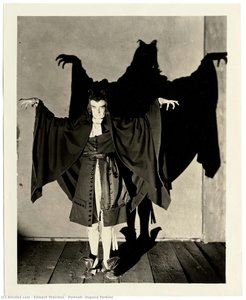 Portrait, Osgood Perkins1923
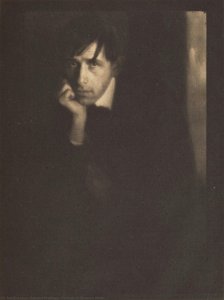 Portrait of Clarence White1905
Ensaios sobre Sunflower
 Pictorialism Unveiled: How the Aesthetic Revolution Transformed Photography into Fine ArtExplore the revolution of Pictorialism. Discover how visionary photographers moved beyond documentation to transform the lens into a fine a…
 Século XIX na Arte: 10 Obras que Definem uma Era | OriginalUniqueArtMergulhe no século XIX com 10 obras de arte icônicas! Explore Monet, Renoir e Van Gogh. Descubra a história, técnica e emoção por trás dos …
 Sunlight on Canvas: The Radiant Symbolism of Yellow Flowers in Impressionist ArtExplore the profound symbolism of yellow flowers in Impressionist art through expert analysis. Discover the light of the masters today.