

 Visualizar em escala
 Enviar
 Compartilhar
 Ver detalhes
 Guia de Obras do Aluno

 Baixar imagem
 Semelhantes
 Raio X
 Apresentação de slides
 Estatísticas
Preview slide, O Garoto


 Ver mais
A obra de arte exibida nesta página é protegida por leis de direitos autorais, o que significa que não podemos criar ou vender legalmente uma reprodução idêntica. Esta proteção é aplicada por meio de acordos internacionais, tais como a Convenção de Berna e pelas leis nacionais, incluindo as estabelecidas por Lei de Direitos Autorais dos EUA - Título 17.
Como uma alternativa respeitosa e legal, oferecemos obras de arte personalizadas e pintadas à mão, inspiradas na obra original. Nossos artistas profissionais e experientes estudam cuidadosamente o estilo, a atmosfera e a essência artística da obra original para criar uma peça nova e única que evoque a mesma sensação — permanecendo como uma criação original por direito próprio.
Este método cumpre plenamente as regulamentações de direitos autorais, pois não envolve a cópia ou duplicação da obra protegida. Em vez disso, trata-se de uma reinterpretação criativa — uma nova pintura que é influenciada pela original, mas não idêntica a ela.
Reprodução em Óleo Feita à Mão
Óleo sobre tela pintado à mão no tamanho e moldura de sua escolha, feito sob encomenda pelos nossos artistas. ( Alternar para Impressão Ver Imagem Digital)




P118B €10

P118H €10

P118W €10

P438Z €10

P508JH €12

P508YH €12

P805H €10

P805Z €10

P919BZ €10

P919G €10

P919XJ €10

P959ZH €10

P968JZ €12

W106C €8

W218G €10

W218JH €8

W218Y €10

W307PJ €10

W316G €10

W316PJ €8

W316Y €10

W398PJ €8

W4111J €10

W500HY €15

W500JH €15

W692G €12

W849H €8

W940BG €15

W953PJ €8




Escolha entre os nossos tamanhos pré-definidos que respeitam as proporções originais da obra de arte.

Digite a largura e a altura de que necessita, para se ajustar à sua moldura ou à sua parede. Esta obra é pintada à mão, por isso, para um tamanho com uma proporção diferente, o artista pode pintar um pouco mais ao redor da imagem ou cortar um pouco — você escolhe. Enviamos-lhe uma maquete digital para aprovação antes de a pintura começar. A imagem exibida nesta página não mostra o resultado real — apenas a maquete mostra.
Após o pedido, a equipa OriginalUniqueArt.com enviará um e-mail ao cliente para solicitar instruções e fornecer uma prévia do esboço.
Entrega mundial () em 3 a 4 semanas, em vez das 5 semanas padrão. (21 Outubro). Sem comprometer a qualidade.

Envio expresso gratuito para todo o mundo

Tela de Linho Premium

Seguro de transporte total

Garantia de Reembolso de Impostos Alfandegários

Garantia de Fidelidade de Cor

Política de Devolução em 100 Dias (Apenas para Defeitos)

Garantia de reembolso de 100%

Desconto para múltiplas unidades
 A opção de vidro está disponível apenas para tamanhos inferiores a 110 cm

Preview slide, O Garoto
Técnica de Reprodução
Dimensões da Reprodução
-


Preço Total
€ 284
Preview slide, The Kid – Uma Jornada Art Deco para Além da Tela
Edward Steichen, um nome que transcende categorias tradicionais na arte moderna, é celebrado por sua capacidade de capturar o espírito de uma época e influenciar gerações futuras. Sua obra "The Kid" (1921), uma colaboração entre o renomado artista Charles Chaplin e o jovem Jackie Coogan, exemplifica essa maestria em uma estética Art Deco que combina linhas geométricas ousadas com uma composição dinâmica e cores vibrantes. Esta imagem promocional para o filme de Chaplin não apenas anuncia um marco do cinema silencioso, mas também oferece um vislumbre profundo da visão artística de Steichen e das convenções culturais da década de 1920.- Estilo Art Deco: A influência do movimento Art Deco é evidente na escolha dos materiais – uma parede de tijolos que adiciona textura e profundidade à cena – e na aplicação meticulosa de linhas geométricas em elementos como o texto e os detalhes arquitetônicos. Essa estética reflete a confiança nas formas modernas e um desejo por beleza simplificada, características marcantes da época.
- Composição Centrada: O artista emprega uma composição equilibrada onde Chaplin e Coogan ocupam o ponto focal, criando uma sensação de ordem e controle visual que é comum na arte Art Deco. Essa estratégia comunicativa reforça a mensagem do filme e demonstra o domínio técnico de Steichen em criar imagens impactantes.
- Fotografia como Técnica: A imagem foi produzida utilizando técnicas fotográficas tradicionais da época, evidenciando o compromisso de Steichen com métodos inovadores para registrar o mundo ao seu redor. Essa escolha técnica permite uma reprodução fiel das cores e texturas originais, garantindo que a beleza do filme seja preservada em suas obras de arte.
Perguntas e Respostas
De que forma o tema de "Preview slide, O Garoto" se relaciona com os temas habituais de Edward Steichen?
Entre os temas registrados de Edward Steichen — pictorialism, fashion photography, silent film era, human experience, iconic image — "Preview slide, O Garoto" traz seu próprio foco em chaplin, film poster, vintage advertising, silent cinema, edward steichen, geometric design, black and white.
Posso ver "Preview slide, O Garoto" de Edward Steichen na minha própria parede antes de comprar?
A página de Visualização em RA de "Preview slide, O Garoto" de Edward Steichen utiliza realidade aumentada para mostrar a obra em seu próprio espaço, em um dispositivo compatível.
Que sentimento transmite "Preview slide, O Garoto" de Edward Steichen?
Em "Preview slide, O Garoto", um clima Elegante acompanha uma emoção Romântico.
Biografia do Artista
Uma Vida que Une Mundos: A Odisseia Artística de Edward Steichen
Édouard Jean Steichen, mais tarde conhecido como Edward Steichen, foi uma figura que transcendeu simples categorizações. Nascido em 1879, na pequena aldeia de Bivange, Luxemburgo, sua vida tornou-se uma jornada extraordinária, partindo de suas raízes europeias para se tornar um dos artistas mais influentes da América – não apenas como fotógrafo, mas como pintor, curador e um visionário que remodelou a nossa percepência da cultura visual. Seus primeiros anos foram marcados por uma mudança significativa; em 1881, a família Steichen emigrou para Hancock, Michigan, em busca de novas oportunidades. Esse movimento instilou no jovem Edward um senso de deslocamento e, talvez, uma sensibilidade aguçada à observação – qualidades que moldariam profundamente sua visão artística. Mesmo ainda criança, seu talento inato para o desenho era evidente, nutrido por pais dedicados que reconheceram e incentivaram suas inclinações criativas. O momento crucial chegou aos dezesseis anos, quando recebeu sua primeira câmera, iniciando um período de aprendizado amplamente autodidata através de uma experimentação incansável. Não se tratava apenas de dominar a técnica; era sobre descobrir uma nova linguagem, uma forma de capturar o mundo com uma imediação e intimidade antes inalcançáveis. Uma mudança subsequente para Milwaukee permitiu que ele trabalhasse como aprendiz de litógrafo, proporcionando-lhe habilidades técnicas valiosas enquanto, simultaneamente, permitia que suas buscas artísticas florescessem.Do Pictorialismo à Visão Moderna: A Evolução Artística de Steichen
A emergência de Steichen coincidiu com o florescente movimento Pictorialista, uma tentativa de elevar a fotografia ao status de belas artes. Ele rapidamente se tornou uma figura central, adotando o foco suave e efeitos pictóricos para criar imagens que evocavam humor e atmosfera, em vez de simplesmente documentar a realidade. Essa busca o levou a Alfred Stieglitz, uma alma gêmea que reconheceu o talento excepcional de Steichen. Juntos, eles cofundaram a Photo-Secession em 1902, um grupo dedicado a promover a fotografia como uma forma de arte legítima. A publicação da Camera Work, um periódico fotográfico altamente influente, tornou-se sua plataforma para disseminar ideias e exibir trabalhos inovadores. O estabelecimento da galeria 291 na cidade de Nova York consolidou ainda mais sua influência, proporcionando um espaço onde a vanguarda artística europeia – Picasso, Matisse, Cézanne – era exibida ao lado da fotografia, fomentando o diálogo intercultural e desafiando as fronteiras artísticas convencionais. No entanto, a jornada artística de Steichen não foi de adesão estática a um único estilo. As turbulências da Primeira Guerra Mundial provaram ser catalisadoras. Ele abandonou as qualidades etéreas do Pictorialismo, abraçando, em vez disso, uma estética de “Fotografia Direta” – caracterizada pelo foco nítido, detalhes precisos e uma representação despojada da realidade. Essa mudança refletiu um movimento cultural mais amplo em direção à modernidade e uma rejeição ao sentimentalismo em favor da clareza e da objetividade.Um Mestre de Muitas Linguagens: Moda, Cinema e a Condição Humana
A versatilidade de Steichen era notável. Ele não se limitou a um único domínio artístico; transitou perfeitamente entre a fotografia, a pintura e até o cinema. Sua incursão na fotografia de moda durante as décadas de 1920 e 1930 revolucionou a indústria. Trabalhando para a Vogue e a Vanity Fair, ele foi além da mera documentação de vestuário para criar imagens sofisticadas, glamorosas e imbuídas de um senso narrativo. Ele compreendeu como usar a luz, a pose e a composição para transmitir não apenas estilo, mas também personalidade e emoção. Esse período o estabeleceu como um pioneiro no campo, definindo padrões para gerações futuras de fotógrafos de moda. Durante a Segunda Guerra Mundial, Steichen serviu ao seu país adotivo ao dirigir The Fighting Lady (1944), um aclamado documentário para a Marinha dos EUA que ofereceu um retrato visceral do combate aéreo. Mas talvez seu legado mais duradouro resida em The Family of Man, curada no Museum of Modern Art em 1955. Esta exposição monumental, apresentando fotografias de sessenta e oito países, foi uma poderosa declaração sobre as experiências humanas universais – amor, nascimento, morte, alegria, tristeza – transcendendo fronteiras culturais e geográficas. Reconhecida pelo Registro Memória do Mundo da UNESCO, a obra permanece como um testemunho da crenidade de Steichen no poder unificador da fotografia.Legado e Influência: Um Impacto Duradouro na Cultura Visual
Edward Steichen faleceu em 1973, deixando para trás um corpo extraordinário de trabalho que continua a inspirar e provocar. Sua influência é multifacetada. Ele alterou fundamentalmente as percepções sobre a fotografia, elevando-a de um processo puramente técnico para uma forma de arte reconhecida. Seu trabalho pioneiro na fotografia de moda não apenas definiu a estética de uma era, mas também estabeleceu novos padrões para a narrativa visual dentro da indústria. A galeria 291, através de seu apoio ao modernismo europeu, desempenhou um papel crucial na introdução de movimentos artísticos inovadores ao público americano. E The Family of Man, com sua mensagem de humanidade compartilhada, permanece profundamente relevante em um mundo cada vez mais fragmentado. Sua habilidade de navegar sem esforço entre as buscas comerciais e artísticas demonstrou que a criatividade poderia prosperar em contextos diversos. A carreira de Steichen foi um testemunho do poder da experimentação, da inovação e de uma busca incansável pela visão artística. Ele não estava simplesmente documentando o mundo; ele o estava interpretando, moldando e, por fim, mudando a forma como o vemos.Obras Notáveis
- The Pond–Moonlight (1904): Uma fotografia landmark do Pictorialismo, celebrada por sua profundidade atmosférica e riqueza tonal; um preço recorde em leilão atesta seu apelo duradouro.
- The Flatiron (1904): Outra obra inicial significativa que demonstra seu domínio da técnica fotográfica e composição, também alcançando um valor notável em leilão.
- Retratos de Celebridades: Uma vasta coleção que captura a essência de figuras proeminentes na arte, literatura e entretenimento com uma sensibilidade perspicaz.
- The Fighting Lady (1944): Um aclamado documentário da Segunda Guerra Mundial, oferecendo um vislumbre impactante do combate aéreo.
- The Family of Man (1955): Uma exposição revolucionária no MoMA, apresentando fotografias de todo o globo que exploraram experiências humanas universais e receberam reconhecimento da UNESCO.

Edward Steichen
1900 - 1973 , Luxemburgo
Informações Rápidas
- Artistic Movement Or Style: Pictorialismo; Fotografia Direta
- Artists Or Movements Influenced By This Artist: ['Fotografia']
- Artists Who Influenced This Artist: ['Alfred Stieglitz']
- Date Of Birth: 27 de março de 1879
- Full Name: Edward Jean Steichen
- Nationality: Americano
- Notable Artworks:
- O Lago – Lua Cheia
- O Flatiron
- Retratos de Celebridades
- Place Of Death: West Redding, Connecticut
Artigos Relacionados
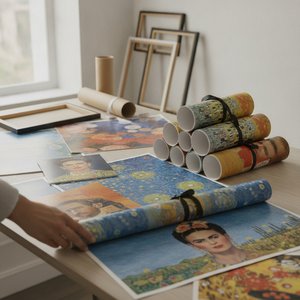
OriginalUniqueArt.com F.A.Q.: Premium Art Poster Prints – Vivid Colors & Versatile Sizing
Discover OriginalUniqueArt.com's premium art poster prints. Featuring 12-color archival pigments for vivid color fidelity and versatile sizing for bespoke decor. Expertly crafted museum-quality reproductions designed for discerning collectors and professional decorators.


