1923
Lobby card, Java Head (Edward Steichen, 1923)
Edward Steichen (1900–1973) criou Lobby card, Java Head. Data de 1923. É feito em Print. Está conservada no Museum of the Moving Image, em Astoria, Estados Unidos da América.
- 1923
- Museum of the Moving Image, Astoria

 Visualizar na parede

 Pintura a Óleo Feita à Mão
 Compartilhar
 Compartilhar
 Ficha técnica


 Baixar imagem
 Semelhantes
 Raio X
 Ver diaporama
 Perguntas e Respostas

 Estatísticas
Lobby card, Java Head, em resumo
- Título
- Lobby card, Java Head
- Artista
- Edward Steichen (1900–1973)
- Artista nascido em
- Bivange, Luxemburgo
- Data
- 1923
- Técnica
- Onde ver
- Museum of the Moving Image, Astoria, Estados Unidos da América
- Período
- Early Modern
- Tema
- movie poster, vintage art, lobby card, indian culture, nautical theme, drama scene
O que Lobby card, Java Head retrata?
A Glimpse into Cinematic Drama: The Allure of the Lobby Card
This evocative lobby card for "Java Head," dating back to 1923, transports us directly into the vibrant, dramatic heart of early cinema. It is more than just a promotional piece; it is a carefully constructed tableau vivant, capturing the charged atmosphere that defined silent film epics. The composition immediately draws the eye to the intense interaction between the two central figures. On the left, the gentleman, clad in the formal attire of the era—a suit and tie—leans into the scene with an air of grave seriousness, his posture suggesting a pivotal moment of revelation or confrontation. His gaze seems fixed upon the woman, anchoring the narrative tension.
The Symbolism of Culture and Mystery
The woman on the right introduces layers of exotic mystery to this dramatic exchange. Her adornment, featuring what appears to be elaborate traditional Indian jewelry, immediately suggests a cross-cultural narrative—a common trope in early Hollywood melodramas that allowed for rich visual storytelling. Her head is turned slightly away from the viewer, lending her an air of enigmatic contemplation; she seems caught between the man's intensity and some internal deliberation. The background reinforces this sense of journey and scope with its stylized depiction of a ship upon the ocean. This nautical element hints at themes of passage, separation, or perhaps even escape, grounding the personal drama within a grander, sweeping adventure.
Technique and Vintage Allure
The aesthetic quality of this piece is deeply rooted in the illustrative traditions of the early 20th century. The color palette—dominated by rich blues, warm yellows, and deep reds—is characteristic of period printing techniques, lending the entire image a beautiful patina of age that collectors so adore. While the original medium was likely lithography or high-quality printmaking for theatrical display, its reproduction offers us the chance to own this specific visual language. The overall style is illustrative yet highly polished, embodying the grand spectacle promised by "A Paramount Picture."
Emotional Resonance for the Modern Collector
For the discerning collector or interior designer, this artwork serves as a potent piece of decorative storytelling. It doesn't merely hang on a wall; it narrates a moment suspended in time—a breath held just before the climax. The blend of formal Western attire with richly detailed Eastern costume creates an immediate visual dialogue, sparking conversation and contemplation within any sophisticated space. Owning this reproduction allows one to curate an environment steeped in cinematic romance and historical grandeur, making it a captivating focal point that speaks volumes about an appreciation for art history and dramatic flair.
Em qual museu se encontra Lobby card, Java Head?
Museum of the Moving Image
Astoria, Estados Unidos da América
Um Portal para os Pixels: A Alma Cinemática de Astoria Aninhado no pulso vibrante do bairro de Astoria, no Queens, o Museum of the Moving Image ergue-se como um cruzamento singular e cativante onde a arte, a tecnologia e a narrativa convergem. É muito mais do que um mero repositório de artefatos; é uma experiência imersiva que respira com a própria essência da vida moderna. Acolhido pelas paredes históricas dos Kaufman Astoria Studios — um marco que outrora ecoou com a energia criativa da era de ouro de Hollywood — o próprio museu serve como um testemunho vivo da história cinematográfica.
Imagens em alta resolução de Lobby card, Java Head

Protegida por direitos de autor: a imagem é apresentada apenas para fins de referência.
Outros tamanhos, cortes e citação →Edward Steichen, Lobby card, Java Head (1923), Museum of the Moving Image.
Perguntas sobre Lobby card, Java Head respondidas
Onde posso ver a obra original "Lobby card, Java Head", de Edward Steichen?
A obra original "Lobby card, Java Head" pode ser vista no Museum of the Moving Image, Astoria, Estados Unidos da América.
Em que ano foi criado "Lobby card, Java Head", de Edward Steichen?
"Lobby card, Java Head", de Edward Steichen foi criado em 1923.
De que técnica é feita a obra "Lobby card, Java Head"?
A técnica de "Lobby card, Java Head", de Edward Steichen é Print. As reproduções visam reproduzir a aparência desta técnica.
O que representa "Lobby card, Java Head"?
Os temas de "Lobby card, Java Head" são movie poster, vintage art, lobby card, indian culture, nautical theme, drama scene, silent film.
"Lobby card, Java Head", de Edward Steichen está em domínio público?
"Lobby card, Java Head", de Edward Steichen está em ainda protegido por direitos autorais. Este status determina como a imagem da obra pode ser reproduzida.
A qual artista "Lobby card, Java Head" é atribuída?
"Lobby card, Java Head" é atribuída a Edward Steichen.
Qual era a idade de Edward Steichen ao criar "Lobby card, Java Head" em 1923?
Edward Steichen criou "Lobby card, Java Head" aos 23 anos. O artista nasceu em 1900 e a obra data de 1923.
Por que o status de direitos autorais de "Lobby card, Java Head" é como é?
"Lobby card, Java Head", de Edward Steichen está em ainda protegido por direitos autorais. O período de direitos autorais conta a partir do falecimento do artista, ocorrido em 1973.
"Lobby card, Java Head" encontra-se no país de seu criador?
Não – a obra de arte encontra-se no exterior. Edward Steichen nasceu em Luxemburgo, e o original de "Lobby card, Java Head" encontra-se num museu em Estados Unidos da América.
Sobre o artista, Edward Steichen

1900–1973, Luxemburgo
Edward Steichen
Uma Vida que Une Mundos: A Odisseia Artística de Edward Steichen Édouard Jean Steichen, mais tarde conhecido como Edward Steichen, foi uma figura que transcendeu simples categorizações. Nascido em 1879, na pequena aldeia de Bivange, Luxemburgo, sua vida tornou-se uma jornada extraordinária, partindo de suas raízes europeias para se tornar um dos artistas mais influentes da América – não apenas como fotógrafo, mas como pintor, curador e um visionário que remodelou a nossa percepência da cultura visual. Seus primeiros anos foram marcados por uma mudança significativa; em 1881, a família Steichen emigrou para Hancock, Michigan, em busca de novas oportunidades. Esse movimento instilou no jovem Edward um senso de deslocamento e, talvez, uma sensibilidade aguçada à observação – qualidades que moldariam profundamente sua visão artística.
Também de Edward Steichen
 Le Tournesol (The Sunflower)1920
 Behind-the-scenes photograph, Paying the Piper1921
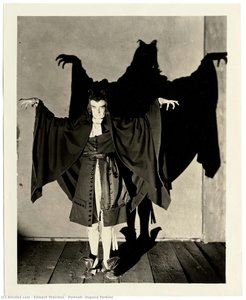 Portrait, Osgood Perkins1923
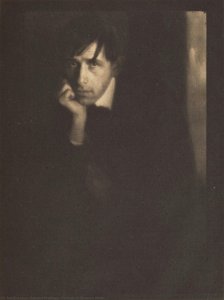 Portrait of Clarence White1905
Ensaios sobre Lobby card, Java Head
 Pictorialism: A Search for Artistic Photography's Soul – Aesthetics, Techniques & LegacyExplore the captivating world of Pictorialism – a pivotal movement that transformed photography into fine art. Discover key artists like St…
 Crowns of Creativity: A Visual Journey Through History's Most Iconic Headdresses and Artful AdornmentsEmbark on a visual journey through history's most stunning headdresses. From royal crowns to sacred feathers, explore the artistry of iconi…
 25 Must-See Masterpieces at the Smithsonian American Art MuseumExplore 25 iconic works from the Smithsonian American Art Museum. From Hopper to O'Keeffe, find masterpieces on OriginalUniqueArt.com.