1925
Herald, The Ten Commandments (Edward Steichen, 1925)
Edward Steichen (1900–1973) criou Herald, The Ten Commandments. Data de 1925. É feito em Print. Está conservada no Museum of the Moving Image, em Astoria, Estados Unidos da América.
- 1925
- Museum of the Moving Image, Astoria

 Visualizar na parede

 Pintura a Óleo Feita à Mão
 Compartilhar
 Compartilhar
 Ficha técnica


 Baixar imagem
 Semelhantes
 Raio X
 Ver diaporama
 Perguntas e Respostas

 Estatísticas
Herald, The Ten Commandments, em resumo
- Título
- Herald, The Ten Commandments
- Artista
- Edward Steichen (1900–1973)
- Artista nascido em
- Bivange, Luxemburgo
- Data
- 1925
- Técnica
- Onde ver
- Museum of the Moving Image, Astoria, Estados Unidos da América
- Período
- Early Modern
- Tema
- biblical scene, red sea parting, moses, movie poster, religious art, dramatic illustration
O que Herald, The Ten Commandments retrata?
The Grand Spectacle of Divine Power
This evocative piece captures not merely an event, but a monumental moment in human mythology—the parting of the Red Sea. The composition immediately plunges the viewer into a scene of overwhelming drama and divine intervention. One can almost hear the roar of the receding waters and feel the tension gripping the figures on the shore. It is a visual narrative rendered with epic scope, designed to transport the observer across millennia to a pivotal moment in religious scripture. The sheer scale suggested by the illustration—the vast expanse of water cleaved apart, the multitude of people following through the dry passage—speaks to the enduring power of foundational stories.
A Study in Cinematic Grandeur and Illustration
While the subject matter is deeply sacred, the presentation itself carries the unmistakable weight of early 20th-century cinematic promotion. The text elements, proclaiming "The Mightiest Spectacle of All the Ages," anchor the piece within a context of popular, large-scale spectacle, characteristic of grand movie posters from the era of Cecil B. DeMille. This blending of high religious narrative with the visual language of blockbuster cinema creates a fascinating tension. Artistically, the style is highly illustrative and dramatic, utilizing strong contrasts between the earthy tones of the desert and the deep blues and reds of the tumultuous sea. The technique employed suggests rich, layered printing processes common to vintage ephemera, giving the reproduction an immediate sense of historical patina.
Symbolism and Emotional Resonance
At its heart, this artwork is a profound meditation on liberation, faith, and divine promise. The parting waters are more than just water; they symbolize passage—the transition from bondage to freedom. Moses leading his people through the breach represents guidance through seemingly insurmountable obstacles. For the modern collector or designer, owning such a piece offers an immediate connection to themes of resilience and breakthrough. It is inherently dramatic art, capable of infusing any space with a sense of awe and monumental significance.
Historical Context for the Connoisseur
Dating from around 1925, this poster serves as a fascinating artifact bridging early cinema history with biblical storytelling. It speaks to a time when Hollywood was mastering the art of myth-making on a grand scale. The visible credits and studio markings ground the piece in a specific cultural moment—the burgeoning power of the motion picture industry to interpret and disseminate epic narratives. For those who appreciate decorative arts that tell stories, this reproduction offers not just decoration, but a tangible piece of cinematic history.
Em qual museu se encontra Herald, The Ten Commandments?
Museum of the Moving Image
Astoria, Estados Unidos da América
Um Portal para os Pixels: A Alma Cinemática de Astoria Aninhado no pulso vibrante do bairro de Astoria, no Queens, o Museum of the Moving Image ergue-se como um cruzamento singular e cativante onde a arte, a tecnologia e a narrativa convergem. É muito mais do que um mero repositório de artefatos; é uma experiência imersiva que respira com a própria essência da vida moderna. Acolhido pelas paredes históricas dos Kaufman Astoria Studios — um marco que outrora ecoou com a energia criativa da era de ouro de Hollywood — o próprio museu serve como um testemunho vivo da história cinematográfica.
Imagens em alta resolução de Herald, The Ten Commandments

Protected by copyright: these files are for personal reference, not a licence to republish.
Edward Steichen, Herald, The Ten Commandments (1925), Museum of the Moving Image.
Perguntas sobre Herald, The Ten Commandments respondidas
Onde "Herald, The Ten Commandments", de Edward Steichen está em exibição hoje?
A obra original "Herald, The Ten Commandments", de Edward Steichen encontra-se no Museum of the Moving Image, Astoria, Estados Unidos da América. Uma reprodução permite que a obra seja exibida em sua casa.
Em que ano foi criado "Herald, The Ten Commandments"?
"Herald, The Ten Commandments" data de 1925. A data situa a obra na carreira de Edward Steichen e em sua época.
Qual técnica foi utilizada em "Herald, The Ten Commandments", de Edward Steichen?
"Herald, The Ten Commandments" é executada em Print.
O que representa "Herald, The Ten Commandments"?
Os temas presentes em "Herald, The Ten Commandments", de Edward Steichen incluem biblical scene, red sea parting, moses, movie poster, religious art, dramatic illustration. Juntos, eles sintetizam o assunto da obra.
"Herald, The Ten Commandments", de Edward Steichen está em domínio público?
Quanto aos direitos autorais, "Herald, The Ten Commandments" está em ainda protegido por direitos autorais.
Quem criou "Herald, The Ten Commandments"?
O artista por trás de "Herald, The Ten Commandments" é Edward Steichen. A obra está catalogada sob o nome de Edward Steichen.
Qual era a idade de Edward Steichen quando "Herald, The Ten Commandments" foi criada?
Quando "Herald, The Ten Commandments" foi criada em 1925, Edward Steichen — nascido(a) em 1900 — tinha 25 anos.
Por que o status de direitos autorais de "Herald, The Ten Commandments" é como é?
"Herald, The Ten Commandments", de Edward Steichen está em ainda protegido por direitos autorais. O período de direitos autorais conta a partir do falecimento do artista, ocorrido em 1973.
"Herald, The Ten Commandments" encontra-se no país de seu criador?
Não – a obra de arte encontra-se no exterior. "Herald, The Ten Commandments" está guardada em Estados Unidos da América, enquanto Edward Steichen nasceu em Luxemburgo.
Sobre o artista, Edward Steichen

1900–1973, Luxemburgo
Edward Steichen
Uma Vida que Une Mundos: A Odisseia Artística de Edward Steichen Édouard Jean Steichen, mais tarde conhecido como Edward Steichen, foi uma figura que transcendeu simples categorizações. Nascido em 1879, na pequena aldeia de Bivange, Luxemburgo, sua vida tornou-se uma jornada extraordinária, partindo de suas raízes europeias para se tornar um dos artistas mais influentes da América – não apenas como fotógrafo, mas como pintor, curador e um visionário que remodelou a nossa percepência da cultura visual. Seus primeiros anos foram marcados por uma mudança significativa; em 1881, a família Steichen emigrou para Hancock, Michigan, em busca de novas oportunidades. Esse movimento instilou no jovem Edward um senso de deslocamento e, talvez, uma sensibilidade aguçada à observação – qualidades que moldariam profundamente sua visão artística.
Também de Edward Steichen
 Le Tournesol (The Sunflower)1920
 Behind-the-scenes photograph, Paying the Piper1921
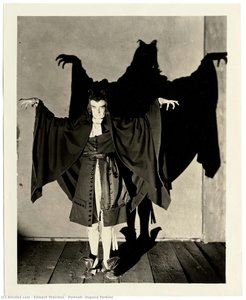 Portrait, Osgood Perkins1923
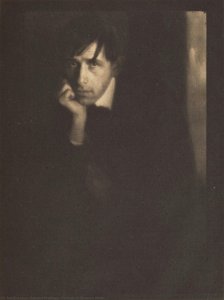 Portrait of Clarence White1905
Ensaios sobre Herald, The Ten Commandments
 Divine Drama on Canvas: The Enduring Presence of Greek Mythological NarrativesExplore the mastery of Greek myths through Botticelli, Rubens, and Raphael. Discover the power of classical narrative today.
 Unveiling the Dreamer: The 25 Most Iconic Masterpieces by Gustave MoreauStep into the mystical world of Gustave Moreau. Explore 25 iconic Symbolist masterpieces, from mythic tales to ethereal dreamscapes. Find i…
 Gothic Grandeur: Decoding the Visual Power of Medieval Manuscripts and CathedralsExplore the architectural shift from Romanesque shadows to Gothic light. Discover the power of medieval masterpieces now.