

 Visualizar na parede
 Compartilhar
 Compartilhar
 Detalhes

 Baixar imagem
 Semelhantes
 Raio X
 Slideshow
 Estatísticas
The City
 Acrylic On Canvas
- WallArt
- Contemporary Realism
 1927
1927- Modern
 93.0 x 69.0 cm
 Ler mais
Adquira uma imagem digital de alta resolução e aprimorada, muito superior à prévia online.
Cada arquivo é meticulosamente preparado por nossos especialistas internos, utilizando ferramentas avançadas e retoques manuais de alta precisão. Garantimos que cada imagem apresente clareza excepcional, fidelidade de cores e detalhes minuciosos.
O arquivo final é entregue por e-mail em até 72 horas, otimizado para uso imediato em ambientes profissionais, editoriais e de impressão. Esta é a mesma qualidade utilizada por estúdios de design de alto nível, editoras e galerias.
Imagem Digital
Baixe um arquivo de alta resolução para exibição pessoal, impressão e projetos criativos. ( Alternar para Impressão Comprar pintura feita à mão)
Incluído em cada compra de imagem digital
Entrega Digital Especializada e Garantida
Ao escolher o OriginalUniqueArt.com, você não está apenas adquirindo uma imagem — você está recebendo uma obra de arte digital profissionalmente aprimorada, elaborada com precisão e com garantia de satisfação. Aqui está tudo o que acompanha seu pedido, automaticamente:

Entrega rápida por e-mail
O seu arquivo de imagem digital em alta resolução será enviado por e-mail em até 72 horas após o pedido — pronto para uso imediato.

Arquivo Digital com IA Otimizado
Sua obra de arte é otimizada profissionalmente por meio de ferramentas avançadas de IA e edição manual, garantindo o máximo de detalhes, clareza e precisão de cores.

Reenvio gratuito vitalício
Apagou ou perdeu o seu ficheiro acidentalmente? Não se preocupe – nós reenviamos para si a qualquer momento, gratuitamente.

Sem Taxas de Importação - Sempre
Desfrute da sua obra de arte instantaneamente, sem taxas alfandegárias, impostos ou custos de entrega — downloads digitais são sempre isentos de taxas.

Garantia de Fidelidade de Cores
Garantimos que sua imagem digital reflita as cores originais com a maior fidelidade possível, utilizando ferramentas profissionais e gerenciamento de cores.

Garantia de Satisfação de 100 Dias
Se não estiver satisfeito com a sua imagem digital, nós a revisaremos ou reembolsaremos 100% dentro de 100 dias — sem perguntas.

Garantia de Reembolso 100%
Não está satisfeito? Receba o reembolso total em até 100 dias após o recebimento do seu arquivo digital — sem perguntas.

Descontos para pedidos em lote
Compre 3 imagens, economize 10% - Compre 5, economize 15% - Compre 10+, economize 20%. Ideal para projetos criativos, galerias e agências.
A Quiet Vision of Urban Life: Edward Hopper’s “The City” (1927)
- Subject and Composition: “The City” presents a strikingly composed street corner scene, a quintessential example of Edward Hopper's mastery in capturing the essence of early 20th-century American urban life. The painting isn’t about bustling activity; rather, it focuses on the *architecture* of the city itself – imposing buildings rendered with precise geometry and a sense of verticality. A strong diagonal line draws the viewer’s eye into the distance, suggesting an expansive cityscape beyond the immediate view. The composition feels deliberately constructed to emphasize form over narrative.
- Style and Technique: Hopper's signature Realist style is fully evident here. He doesn’t aim for photographic accuracy but instead uses simplified forms and a limited color palette – primarily blacks, whites, and grays – to convey mood and atmosphere. The technique relies heavily on brushwork that suggests both solidity *and* a certain flatness, creating a unique visual tension. Notice the careful rendering of light and shadow; while not dramatic, it’s used effectively to define the buildings' shapes and create depth.
- Historical Context: Created in 1927, “The City” reflects a period of rapid urbanization and social change in America. The aftermath of World War I and the burgeoning industrial age led to significant shifts in population and lifestyle. Hopper’s work often grapples with the alienation and isolation that can accompany modern life, even within densely populated urban environments. This painting predates his more famous works like “Nighthawks,” but establishes many of the themes he would continue to explore.
- Symbolism and Emotional Impact: The emptiness of the street and the distant, almost anonymous figures contribute to a sense of solitude and detachment. Hopper wasn’t necessarily trying to depict a specific place; instead, he aimed to capture a *feeling* – the quiet melancholy that can pervade even the most vibrant cities. The buildings themselves become symbolic of the impersonal nature of modern urban existence. The painting invites contemplation on themes of loneliness, anonymity, and the human condition within the built environment.
- Hopper’s Artistic Vision: Edward Hopper (1882-1967) was a pivotal figure in American Realism. Influenced by artists like Edgar Degas and Édouard Manet, he developed a uniquely American style characterized by its starkness, emotional depth, and focus on everyday scenes. His paintings are renowned for their ability to evoke a powerful sense of mood and atmosphere, often tinged with nostalgia and introspection.
- For Collectors & Designers: “The City” is an exceptional example of Hopper’s early work, offering a compelling visual statement that resonates even today. Its muted color palette and strong geometric forms make it a versatile piece for both modern and traditional interiors. A reproduction of this painting would add a touch of sophisticated melancholy and timeless elegance to any space.
Biografia do Artista
A Solitude Observed: The Life and Art of Edward Hopper
Edward Hopper, um nome inextricavelmente ligado à quietude e à melancolia sutil que permeavam a vida americana do século XX, não foi simplesmente um pintor de cenas; ele foi um poeta da luz e das sombras, um cronista da solidão moderna. Nascido em Nyack, Nova York, em 1882, filho de pais de origem holandesa de classe média, os primeiros anos de Hopper foram marcados por uma criação estável que nutria suas inclinações artísticas. Desde esboços infantis meticulosamente datados e assinados, tornou-se evidente que a observação aguçada e o talento inato para o desenho eram centrais em sua essência. Embora inicialmente encorajado a seguir uma carreira como ilustrador comercial – uma sugestão pragmática de seus pais –, as ambições de Hopper se inclinavam à arte fina, levando-o à New York School of Art, onde estudou sob William Merritt Chase e Robert Henri. Esses anos formativos não apenas lhe transmitiram habilidade técnica, mas também um apreço pelo realismo e um compromisso em retratar o mundo como ele o via – sem adornos e honesto. As escritas de Ralph Waldo Emerson ressoaram profundamente com Hopper, reforçando seu senso de individualismo e observação aguda – qualidades que se tornariam marcas registradas de sua visão artística. Viagens iniciais a Paris expuseram Hopper ao Impressionismo, mas ele rapidamente divergiu de suas pinceladas fugazes, forjando um caminho singularmente seu.Encontrando Sua Voz: Realismo e a Cena Americana
A jornada artística de Hopper não foi imediata nem fácil. Ele lutou para descobrir sua voz distinta, experimentando com vários estilos antes de se estabelecer no realismo que definiria sua carreira. Isso não era mera reprodução da realidade; era uma destilação de sua essência, removendo detalhes desnecessários para revelar verdades emocionais subjacentes. Seus quadros começaram a se concentrar em cenas cotidianas – casas, lanchonetes, escritórios, quartos de hotel – imbuídas de um senso de quietude e, frequentemente, solidão. Ele possuía uma capacidade extraordinária de capturar os estados psicológicos de seus sujeitos, insinuando narrativas sem declará-las explicitamente. A renderização precisa da luz e das sombras tornou-se crucial, não apenas como elementos descritivos, mas como pistas emocionais, criando atmosferas que eram ao mesmo tempo cativantes e perturbadoras. *House by the Railroad* (1925), uma obra-prima precoce, exemplifica essa abordagem – uma composição aparentemente simples irradiando um profundo senso de isolamento e mistério. A influência de Robert Henri, um dos seus professores, foi fundamental para Hopper, encorajando-o a usar as suas artes para “fazer um movimento no mundo”. Os estudantes de Henri, muitos dos quais desenvolveram-se artistas importantes, tornaram-se conhecidos como Escola Ashcan de arte norte-americana.Visões Icônicas: Nighthawks e Além
Embora a carreira de Hopper tenha se desenvolvido gradualmente, certos quadros catapultaram-no para o reconhecimento generalizado. *Nighthawks* (1942), possivelmente sua obra mais famosa, tornou-se um ícone da cultura americana instantaneamente. A cena noturna do restaurante, banhada em luz fluorescente forte, encapsula perfeitamente a alienação e a anonimidade da vida urbana moderna. As figuras dentro estão perdidas em seus próprios pensamentos, desconectadas umas das outras apesar de sua proximidade – um comentário pungente sobre a condição humana. *Gas* (1940), com sua representação marcante de uma posto de gasolina, demonstra a fascinação de Hopper por paisagens americanas e pela cultura automobilística emergente. Outras obras notáveis como *Automat*, *Office in a Small City* e *Summertime* oferecem cada uma insights únicos sobre as complexidades da sociedade americana do século XX. Esses quadros não eram meras representações de lugares; eles eram explorações de humor, psicologia e os dramas sutis que se desenrolavam em ambientes cotidianos. Sua esposa, Josephine Nivison Hopper, desempenhou um papel vital não apenas como sua companheira de vida, mas também como modelo frequente, contribuindo significativamente para a caracterização de suas figuras femininas.Temas e Legado: Uma Influência Duradoura
Vários temas recorrentes permeiam a obra de Hopper. A solidão urbana é talvez o mais proeminente – o senso de isolamento experimentado por indivíduos mesmo em meio à multidão. Ele explorou a paisagem americana, tanto rural quanto urbana, frequentemente enfatizando sua severidade e vazio. Sua obra investiga o realismo psicológico, sondando as vidas interiores de seus sujeitos com uma sensibilidade que transcende a mera representação. Há também um pressentimento de nostalgia por um passado mais simples, contraposto à consciência das complexidades e ansiedades da vida moderna. Hopper não foi apenas um pintor; ele foi um filósofo visual, oferecendo insights profundos sobre a condição humana através de seu domínio único da luz, sombra e composição. Sua capacidade de capturar a essência da vida americana com honestidade, sensibilidade e um estilo artístico distinto garante seu lugar como um dos artistas mais importantes do século XX.- Sua herança não reside apenas na beleza de seus quadros, mas também em sua capacidade duradoura de provocar o pensamento, evocar emoções e nos lembrar da solidão silenciosa que muitas vezes define nossas vidas.
- A obra de Hopper continua a cativar públicos porque fala sobre temas universais de solidão, isolamento e a busca por significado em um mundo em rápida mudança.
- Seus quadros tornaram-se representações icônicas da cultura americana, frequentemente usados para simbolizar as ansiedades e aspirações do século XX – e além.
- A estética de Hopper influenciou artistas subsequentes, incluindo Pierre Sanford Ross, e continua a ressoar com artistas contemporâneos que buscam capturar a essência da experiência humana.
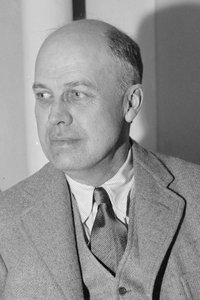
Edward Hopper
1931 - 1967 , Estados Unidos da América
Breve Biografia
- Artistic Movement Or Style: Realismo
- Artists Or Movements Influenced By This Artist: ['Ross']
- Artists Who Influenced This Artist:
- Chase
- Henri
- Date Of Birth: 22 de julho de 1882
- Date Of Death: 15 de maio de 1967
- Full Name: Edward Hopper
- Nationality: Americano
- Notable Artworks:
- Nighthawks
- House
- Gas
- Place Of Birth: Nyack, EUA