

 Visualizar em escala
 Enviar
 Compartilhar
 Ver detalhes
 Guia de Obras do Aluno

 Baixar imagem
 Semelhantes
 Raio X
 Apresentação de slides
 Estatísticas
Eleven AM


 Ver mais
Adquira uma imagem digital de alta resolução e aprimorada, muito superior à prévia online.
Cada arquivo é meticulosamente preparado por nossos especialistas internos, utilizando ferramentas avançadas e retoques manuais de alta precisão. Garantimos que cada imagem apresente clareza excepcional, fidelidade de cores e detalhes minuciosos.
O arquivo final é entregue por e-mail em até 72 horas, otimizado para uso imediato em ambientes profissionais, editoriais e de impressão. Esta é a mesma qualidade utilizada por estúdios de design de alto nível, editoras e galerias.
Imagem Digital
Baixe um arquivo de alta resolução para exibição pessoal, impressão e projetos criativos. ( Alternar para Impressão Encomendar reprodução pintada à mão)
Incluído em cada pedido de imagem digital
Entrega Digital Especializada e Garantida
Ao escolher o OriginalUniqueArt.com, você não está apenas adquirindo uma imagem — você está recebendo uma obra de arte digital profissionalmente aprimorada, elaborada com precisão e com garantia de satisfação. Aqui está tudo o que acompanha seu pedido, automaticamente:

Entrega rápida por e-mail
O seu arquivo de imagem digital em alta resolução será enviado por e-mail em até 72 horas após o pedido — pronto para uso imediato.

Arquivo Digital com IA Otimizado
Sua obra de arte é otimizada profissionalmente por meio de ferramentas avançadas de IA e edição manual, garantindo o máximo de detalhes, clareza e precisão de cores.

Reenvio gratuito vitalício
Apagou ou perdeu o seu ficheiro acidentalmente? Não se preocupe – nós reenviamos para si a qualquer momento, gratuitamente.

Sem Taxas de Importação - Sempre
Desfrute da sua obra de arte instantaneamente, sem taxas alfandegárias, impostos ou custos de entrega — downloads digitais são sempre isentos de taxas.

Garantia de Precisão de Cores
Garantimos que sua imagem digital reflita as cores originais com a maior fidelidade possível, utilizando ferramentas profissionais e gerenciamento de cores.

Garantia de satisfação de 100 dias
Se não estiver satisfeito com a sua imagem digital, nós a revisaremos ou reembolsaremos 100% dentro de 100 dias — sem perguntas.

Garantia de Reembolso 100%
Não está satisfeito? Receba o reembolso total em até 100 dias após o recebimento do seu arquivo digital — sem perguntas.

Descontos para pedidos em lote
Compre 3 imagens, economize 10% - Compre 5, economize 15% - Compre 10+, economize 20%. Ideal para projetos criativos, galerias e agências.
A Quiet Moment of Urban Solitude: Exploring Edward Hopper’s “Eleven AM”
Edward Hopper, a master of American realism, possessed an uncanny ability to distill the essence of modern life – its quiet desperation, its pervasive loneliness, and its fleeting moments of beauty – onto canvas. “Eleven A.M.”, painted in 1926, is a particularly poignant example of this skill. The painting depicts a solitary woman seated by a window, bathed in a soft yet revealing light that seems to simultaneously illuminate and isolate her. It’s not a scene of dramatic action, but rather one of profound stillness, inviting the viewer into an intimate contemplation of interiority and the human condition.
The composition is deceptively simple: a woman in a blue armchair, positioned near a window that offers a glimpse of the world outside. However, it’s within this simplicity that Hopper's genius resides. The room itself is modestly furnished – a dresser, a framed picture, and a lamp all contribute to a sense of everyday life, yet they also underscore the woman’s isolation. She isn’t actively engaged with her surroundings; instead, she appears lost in thought, her gaze directed outwards but seemingly unfocused. The careful arrangement of objects within the room doesn’t feel cluttered or busy, but rather deliberately sparse, emphasizing the emptiness that surrounds the figure. Hopper masterfully uses light and shadow to sculpt the form of the woman and define the space around her, creating a dramatic contrast that draws the eye and heightens the emotional impact.
The Language of Light and Shadow: Hopper’s Technical Brilliance
Hopper's technique in “Eleven A.M.” is characterized by a meticulous attention to detail and a masterful command of oil paint. His brushstrokes are relatively smooth, creating a realistic depiction of form and texture. The light streaming through the window isn’t merely illumination; it’s a character in itself, shaping the mood and revealing subtle nuances of emotion. Notice how the light catches on the woman's skin, highlighting her vulnerability, while simultaneously casting deep shadows that suggest a sense of melancholy or introspection. The color palette is restrained – blues, browns, and muted reds dominate the scene – further contributing to the painting’s somber atmosphere. This isn’t a vibrant, celebratory depiction of life; it’s a quiet, introspective study of human emotion.
Echoes of Modern Life: Context and Symbolism
To understand “Eleven A.M.” fully, it's essential to consider the historical context in which it was created. The 1920s were a period of rapid social change in America – urbanization, industrialization, and shifting societal norms all contributed to a sense of alienation and disillusionment. Hopper’s work often reflects these anxieties, capturing the loneliness and isolation that many people experienced in the modern world. The window in “Eleven A.M.” is particularly symbolic; it represents a connection to the outside world, yet the woman's position within the room suggests a barrier between her and that world. She is both present and absent, connected and disconnected. The painting invites us to consider the complexities of human experience – our longing for connection, our fear of isolation, and our search for meaning in a rapidly changing world.
Hopper's artistic influences are also apparent in “Eleven A.M.”. While he developed his own unique style, he was deeply influenced by French Impressionists like Édouard Manet and Edgar Degas, as well as American artists such as Robert Henri. Like these predecessors, Hopper sought to capture the realities of modern life with honesty and sensitivity. However, he went beyond mere representation; he imbued his paintings with a psychological depth that resonated with viewers on an emotional level. “Eleven A.M.” is not simply a depiction of a woman in a room; it’s a powerful exploration of the human condition – a timeless meditation on solitude, introspection, and the search for meaning.
A Detailed Examination: Hopper's Technique and Composition
Hopper’s meticulous approach to painting is evident in every aspect of Eleven AM. He utilized oil paints on canvas with remarkable precision, layering thin glazes to achieve subtle tonal variations that convey a palpable sense of atmosphere. The artist’s brushstrokes are deliberate and controlled, creating a surface texture that enhances the realism of the scene. Hopper skillfully employed chiaroscuro—the dramatic interplay between light and shadow—to sculpt the woman's form and delineate the room’s spatial boundaries. This technique emphasizes the isolation of the subject by highlighting her vulnerability against the backdrop of darkness.
The composition is carefully balanced, with the window dominating the upper portion of the canvas and anchoring the scene. The woman’s posture—seated in profile—further contributes to the feeling of stillness and contemplation. Hopper’s use of perspective subtly diminishes depth, creating a sense of intimacy and drawing the viewer into the woman's inner world.
The muted color palette—primarily blues, browns, and reds—reinforces the painting’s melancholic mood. Hopper’s restrained coloration avoids distracting from the emotional core of the artwork, allowing viewers to focus on the woman’s gaze and her internal state.
Perguntas e Respostas
Sobre o que trata "Eleven AM" e qual é a sua atmosfera?
"Eleven AM" de Edward Hopper retrata urban landscape, interior space, solitude, light & shadow, female figure, domestic scene, realism, reflection, em uma atmosfera Calma. O tema e a ambientação descrevem, juntos, a obra.
Que sentimento transmite "Eleven AM" de Edward Hopper?
"Eleven AM" de Edward Hopper transmite um sentimento Melancólico dentro de uma atmosfera geral Calma.
Como "Eleven AM" equilibra luz e sombra?
Os valores registrados para "Eleven AM" de Edward Hopper são: sombras profundas de brilho, Escura de luminância.
Biografia do Artista
A Solitude Observed: The Life and Art of Edward Hopper
Edward Hopper, um nome inextricavelmente ligado à quietude e à melancolia sutil que permeavam a vida americana do século XX, não foi simplesmente um pintor de cenas; ele foi um poeta da luz e das sombras, um cronista da solidão moderna. Nascido em Nyack, Nova York, em 1882, filho de pais de origem holandesa de classe média, os primeiros anos de Hopper foram marcados por uma criação estável que nutria suas inclinações artísticas. Desde esboços infantis meticulosamente datados e assinados, tornou-se evidente que a observação aguçada e o talento inato para o desenho eram centrais em sua essência. Embora inicialmente encorajado a seguir uma carreira como ilustrador comercial – uma sugestão pragmática de seus pais –, as ambições de Hopper se inclinavam à arte fina, levando-o à New York School of Art, onde estudou sob William Merritt Chase e Robert Henri. Esses anos formativos não apenas lhe transmitiram habilidade técnica, mas também um apreço pelo realismo e um compromisso em retratar o mundo como ele o via – sem adornos e honesto. As escritas de Ralph Waldo Emerson ressoaram profundamente com Hopper, reforçando seu senso de individualismo e observação aguda – qualidades que se tornariam marcas registradas de sua visão artística. Viagens iniciais a Paris expuseram Hopper ao Impressionismo, mas ele rapidamente divergiu de suas pinceladas fugazes, forjando um caminho singularmente seu.Encontrando Sua Voz: Realismo e a Cena Americana
A jornada artística de Hopper não foi imediata nem fácil. Ele lutou para descobrir sua voz distinta, experimentando com vários estilos antes de se estabelecer no realismo que definiria sua carreira. Isso não era mera reprodução da realidade; era uma destilação de sua essência, removendo detalhes desnecessários para revelar verdades emocionais subjacentes. Seus quadros começaram a se concentrar em cenas cotidianas – casas, lanchonetes, escritórios, quartos de hotel – imbuídas de um senso de quietude e, frequentemente, solidão. Ele possuía uma capacidade extraordinária de capturar os estados psicológicos de seus sujeitos, insinuando narrativas sem declará-las explicitamente. A renderização precisa da luz e das sombras tornou-se crucial, não apenas como elementos descritivos, mas como pistas emocionais, criando atmosferas que eram ao mesmo tempo cativantes e perturbadoras. *House by the Railroad* (1925), uma obra-prima precoce, exemplifica essa abordagem – uma composição aparentemente simples irradiando um profundo senso de isolamento e mistério. A influência de Robert Henri, um dos seus professores, foi fundamental para Hopper, encorajando-o a usar as suas artes para “fazer um movimento no mundo”. Os estudantes de Henri, muitos dos quais desenvolveram-se artistas importantes, tornaram-se conhecidos como Escola Ashcan de arte norte-americana.Visões Icônicas: Nighthawks e Além
Embora a carreira de Hopper tenha se desenvolvido gradualmente, certos quadros catapultaram-no para o reconhecimento generalizado. *Nighthawks* (1942), possivelmente sua obra mais famosa, tornou-se um ícone da cultura americana instantaneamente. A cena noturna do restaurante, banhada em luz fluorescente forte, encapsula perfeitamente a alienação e a anonimidade da vida urbana moderna. As figuras dentro estão perdidas em seus próprios pensamentos, desconectadas umas das outras apesar de sua proximidade – um comentário pungente sobre a condição humana. *Gas* (1940), com sua representação marcante de uma posto de gasolina, demonstra a fascinação de Hopper por paisagens americanas e pela cultura automobilística emergente. Outras obras notáveis como *Automat*, *Office in a Small City* e *Summertime* oferecem cada uma insights únicos sobre as complexidades da sociedade americana do século XX. Esses quadros não eram meras representações de lugares; eles eram explorações de humor, psicologia e os dramas sutis que se desenrolavam em ambientes cotidianos. Sua esposa, Josephine Nivison Hopper, desempenhou um papel vital não apenas como sua companheira de vida, mas também como modelo frequente, contribuindo significativamente para a caracterização de suas figuras femininas.Temas e Legado: Uma Influência Duradoura
Vários temas recorrentes permeiam a obra de Hopper. A solidão urbana é talvez o mais proeminente – o senso de isolamento experimentado por indivíduos mesmo em meio à multidão. Ele explorou a paisagem americana, tanto rural quanto urbana, frequentemente enfatizando sua severidade e vazio. Sua obra investiga o realismo psicológico, sondando as vidas interiores de seus sujeitos com uma sensibilidade que transcende a mera representação. Há também um pressentimento de nostalgia por um passado mais simples, contraposto à consciência das complexidades e ansiedades da vida moderna. Hopper não foi apenas um pintor; ele foi um filósofo visual, oferecendo insights profundos sobre a condição humana através de seu domínio único da luz, sombra e composição. Sua capacidade de capturar a essência da vida americana com honestidade, sensibilidade e um estilo artístico distinto garante seu lugar como um dos artistas mais importantes do século XX.- Sua herança não reside apenas na beleza de seus quadros, mas também em sua capacidade duradoura de provocar o pensamento, evocar emoções e nos lembrar da solidão silenciosa que muitas vezes define nossas vidas.
- A obra de Hopper continua a cativar públicos porque fala sobre temas universais de solidão, isolamento e a busca por significado em um mundo em rápida mudança.
- Seus quadros tornaram-se representações icônicas da cultura americana, frequentemente usados para simbolizar as ansiedades e aspirações do século XX – e além.
- A estética de Hopper influenciou artistas subsequentes, incluindo Pierre Sanford Ross, e continua a ressoar com artistas contemporâneos que buscam capturar a essência da experiência humana.
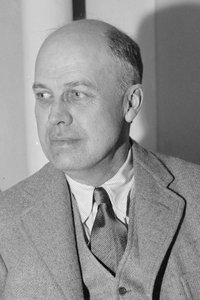
Edward Hopper
1931 - 1967 , Estados Unidos da América
Informações Rápidas
- Artistic Movement Or Style: Realismo
- Artists Or Movements Influenced By This Artist: ['Ross']
- Artists Who Influenced This Artist:
- Chase
- Henri
- Date Of Birth: 22 de julho de 1882
- Date Of Death: 15 de maio de 1967
- Full Name: Edward Hopper
- Nationality: Americano
- Notable Artworks:
- Nighthawks
- House
- Gas
- Place Of Birth: Nyack, EUA