
 Visualizar em escala
 Enviar
 Compartilhar
 Ver detalhes

 Baixar
 Semelhantes
 Raio X
 Apresentação de slides
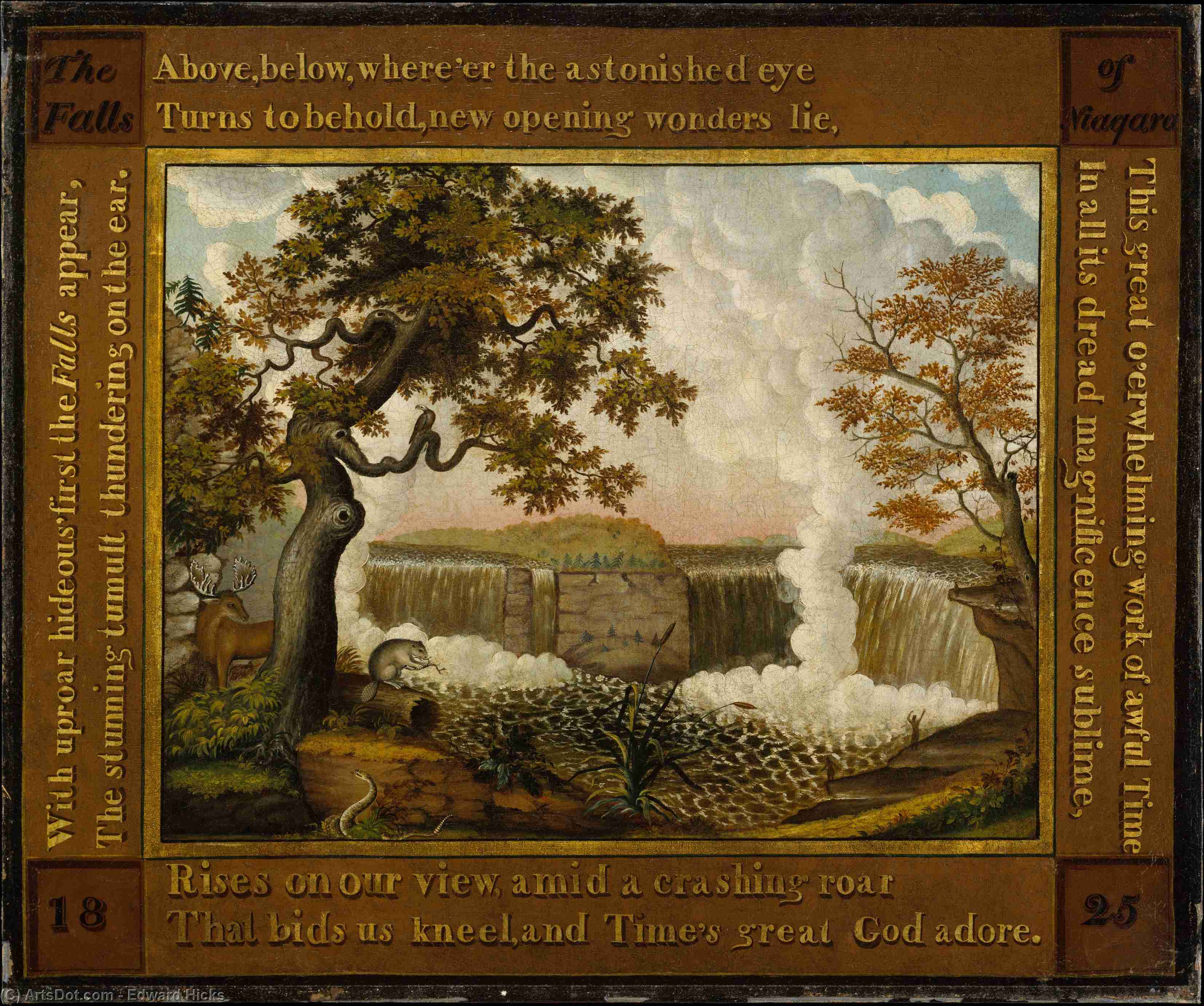
The Falls of Niagara


 Ver mais
Reprodução em Óleo Feita à Mão
Óleo sobre tela pintado à mão no seu tamanho e moldura, feito sob encomenda pelos nossos artistas. ( Encomendar impressão Comprar imagem em alta resolução)




P118B $10

P118H $10

P118W $10

P438Z $10

P508JH $12

P508YH $12

P805H $10

P805Z $10

P919BZ $10

P919G $10

P919XJ $10

P959ZH $10

P968JZ $12

W106C $8

W218G $10

W218JH $8

W218Y $10

W307PJ $10

W316G $10

W316PJ $8

W316Y $10

W398PJ $8

W4111J $10

W500HY $15

W500JH $15

W692G $12

W849H $8

W940BG $15

W953PJ $8




Escolha entre os nossos tamanhos pré-definidos que respeitam as proporções originais da obra de arte.

Pode inserir as suas próprias dimensões para se adequar a uma moldura ou espaço específico. Se o tamanho selecionado não corresponder às proporções da imagem original, iremos cortar a obra de arte ou estender a pintura com elementos adicionais pintados à mão. Um esboço digital será enviado para sua aprovação antes do início da produção.
Tenha em atenção que a pré-visualização no ecrã não reflete o corte ou extensão real. Apenas o esboço mostrará com precisão a composição final.
Embora tamanhos personalizados estejam disponíveis, recomendamos selecionar uma dimensão da lista predefinida para preservar as proporções originais.
Após o pedido, a equipa OriginalUniqueArt.com enviará um e-mail ao cliente para solicitar instruções e fornecer uma prévia do esboço.
Entrega mundial () em 3 a 4 semanas, em vez das 5 semanas padrão. (20 Agosto). Sem comprometer a qualidade.

Envio Expresso Gratuito para todo o Mundo

Tela de Linho Premium

Seguro de transporte total

Garantia de Reembolso de Impostos Alfandegários

Garantia de Fidelidade de Cor

Política de Devolução de 60 Dias (Apenas para Defeitos)

Garantia de reembolso de 100%

Desconto para múltiplas unidades
 A opção de vidro está disponível apenas para tamanhos inferiores a 110 cm

The Falls of Niagara
Técnica de Reprodução
Dimensões da Reprodução
-


Preço Total
$ 300
Descrição da Obra
A Symphony of Serenity and Spiritual Grandeur
In the vast tapestry of American Romanticism, few works capture the intersection of natural majesty and spiritual devotion as profoundly as Edward Hicks’ "The Falls of Niagara." Completed around 1825, this oil on canvas is far more than a mere topographical record of one of the world's most famous landmarks; it is a window into the soul of a Quaker minister. While the painting presents the breathtaking vista of the Canadian side of the falls, Hicks imbues the scene with a sense of divine presence. The composition is masterfully balanced, anchored by sturdy trees in the foreground that frame the cascading torrent, guiding the viewer's eye through a landscape that feels both intimately accessible and cosmically vast. For the discerning collector or interior designer, this piece offers a rare equilibrium between the untamed power of nature and a profound, meditative stillness.
The technique employed by Hicks reveals a meticulous hand, likely informed by his early years as a decorative sign painter. Through the careful application of oil paint, he achieves a remarkable luminosity, particularly in the way light filters through a heavy, cloud-swept sky to illuminate the mist rising from the churning waters below. There is a tactile quality to the work—the textured bark of the foreground trees and the rhythmic, white energy of the falling water create a sensory experience that transcends the flat surface of the canvas. This layering of light and shadow allows the painting to breathe, offering a depth that makes it an ideal centerpiece for a room designed for contemplation or sophisticated elegance.
Symbolism and the American Wilderness
Beyond its visual splendor, "The Falls of Niagara" serves as a rich symbolic lexicon of the 19th-century American identity. Hicks strategically populated the banks with animals that acted as emblems of the "New World": the moose, the beaver, the eagle, and the rattlesnake. These figures are not merely decorative; they represent the raw, uncolonized spirit of the North American continent. Furthermore, the painting is framed by a literal and interpretive border—inscribed extracts from Alexander Wilson’s poem, "The Foresters." This poetic framework transforms the landscape into a religious experience, urging the viewer to behold the "dread magnificence sublime" and recognize it as a manifestation of God’s greatness. To possess a reproduction of this work is to invite not just a beautiful landscape into a home, but a piece of historical narrative that celebrates the awe-inspiring scale of creation.
An Eternal Inspiration for Modern Spaces
For those seeking to curate an environment of inspiration, "The Falls of Niagara" provides an unparalleled emotional resonance. Its ability to evoke both the sublime—that overwhelming feeling of greatness and even a hint of terror in the face of nature—and a deep sense of peace makes it a versatile choice for various interior aesthetics. Whether placed in a contemporary gallery-style living room or a classic, library-inspired study, the painting acts as a focal point that encourages slow looking and deep thought. It is a testament to the enduring power of the American landscape and a timeless tribute to the vision of an artist who saw the divine in every crashing wave and every shadowed forest.
Biografia do Artista
A Life Rooted in Faith and Vision
Edward Hicks, born April 4th, 1780, in the tranquil landscape of Attleboro (now Langhorne), Bucks County, Pennsylvania, was a figure uniquely positioned at the intersection of religious conviction and artistic expression. His story is not simply that of a self-taught painter, but of a dedicated Quaker minister whose spiritual journey profoundly shaped his distinctive visual language. Though born to Anglican parents, young Edward’s life took a pivotal turn when he came under the care of Matron Elizabeth Twining, a devout Quaker who instilled in him the core tenets of this faith – simplicity, peace, and an unwavering belief in the “inner light.” This early exposure would become the bedrock upon which his artistic vision was built. From the age of thirteen, Hicks apprenticed with coach makers William and Henry Tomlinson, mastering the techniques of decorative painting that would initially sustain him. However, even as he honed his skills in rendering ornate designs on carriages, a deeper calling resonated within him, one that would ultimately lead him down a path less traveled – a path where faith and artistry converged. By 1803, Hicks had fully embraced the Society of Friends, marrying Sarah Worstall and embarking on a life of itinerant preaching throughout Philadelphia, all while continuing to support his growing family through his painting skills.The Evolving Canvas: From Coachwork to Spiritual Landscapes
Hicks’s artistic development was far from conventional. He wasn't formally trained in the academic traditions of the time; instead, he cultivated a distinctly American folk art style born from observation, necessity, and deeply held beliefs. Initially, his paintings served practical purposes – house painting, coach decoration, tavern signs, and even decorative work on furniture and farm equipment. These early commissions provided financial stability but often conflicted with the Quaker emphasis on plainness and eschewal of worldly vanities. A period of hardship in 1815 saw Hicks briefly abandon ornamental painting for farming, a venture that proved unsuccessful. It was through encouragement from friends that he returned to his brushes in 1816, a turning point that allowed him to reconcile his artistic talents with his spiritual calling. He began to imbue his paintings with symbolic meaning, reflecting his Quaker worldview and personal interpretations of scripture. His canvases became vehicles for conveying messages of peace, harmony, and the promise of a divinely ordained order.The Peaceable Kingdom: A Vision of Harmony
Edward Hicks is most celebrated today for his series of paintings known collectively as *The Peaceable Kingdom*. Comprising over sixty variations created throughout his life, these works are arguably the most iconic examples of American folk art. Inspired by Isaiah 11:6-9 – a passage foretelling a time when natural predators would coexist peacefully – Hicks depicted scenes of wild animals and children living in idyllic harmony. The paintings often feature figures from colonial Pennsylvania history, such as William Penn negotiating treaties with Native Americans, further grounding the biblical vision within an American context. *The Peaceable Kingdom* is not simply a charming depiction of animal life; it’s a powerful statement about Hicks's belief that Pennsylvania represented a fulfillment of this prophetic ideal – a place where peace and justice could prevail. Each version of *The Peaceable Kingdom* possesses subtle variations in composition, color palette, and detail, reflecting Hicks’s evolving artistic sensibilities and deepening spiritual understanding. Notable examples include *Peaceable Kingdom (31)* housed at Yale University Art Gallery, and *Peaceable Kingdom (34)* which portrays Noah's Ark amidst a serene landscape.Beyond the Kingdom: A Broader Artistic Scope
While *The Peaceable Kingdom* remains his signature achievement, Hicks’s artistic output extended beyond this celebrated series. He painted landscapes, portraits, and historical scenes, each imbued with his characteristic folk art style and Quaker sensibility. His *Falls of Niagara*, now at the Abby Aldrich Rockefeller Folk Art Center, demonstrates his ability to capture the grandeur of nature while maintaining a sense of simplicity and reverence. Similarly, his depiction of *George Washington crossing...* – also held at the Abby Aldrich Rockefeller Folk Art Center – offers a unique folk perspective on this iconic moment in American history. Even seemingly mundane subjects like *Grave of William Penn at Jordans in England*, reveal Hicks’s deep connection to Quaker heritage and his ability to find spiritual significance in everyday scenes. These works, taken together, demonstrate the breadth of Hicks's artistic vision and his commitment to using art as a means of expressing his faith and values.A Lasting Legacy: The Folk Art Icon
Edward Hicks passed away on August 23rd, 1849, in Newtown, Pennsylvania, leaving behind a body of work that continues to resonate with audiences today. He is now recognized as a pivotal figure in American folk art, celebrated for his distinctive style, recurring themes, and profound spiritual depth. His paintings offer invaluable insights into the beliefs and values of the Society of Friends during the 19th century, providing a visual record of their commitment to peace, simplicity, and social justice. Hicks’s unique ability to blend religious faith with artistic expression created a body of work that is both visually compelling and spiritually meaningful. He remains a testament to the power of self-taught artistry and the enduring influence of Quaker ideals on American art history. His legacy continues to inspire artists and scholars alike, ensuring that his vision of harmony—both earthly and divine—will endure for generations to come.
Edward Hicks
1780 - 1849 , Estados Unidos da América
Informações Rápidas
- Artistic Movement Or Style: Folk Art
- Artists Who Influenced This Artist: ['']
- Date Of Birth: April 4, 1780
- Date Of Death: August 23, 1849
- Full Name: Edward Hicks
- Nationality: American
- Notable Artworks:
- Peaceable Kingdom (31)
- Falls of Niagara
- George Washington crossing...
- Peaceable Kingdom (34)
- Place Of Birth: Langhorne, USA
Artigos Relacionados
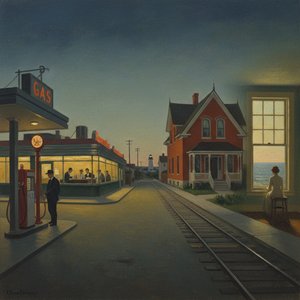
Edward Hopper: As 25 Obras-Primas que Definem a Alma Americana | OriginalUniqueArt
Descubra as 25 obras-primas de Edward Hopper, o mestre do realismo americano. Explore a atmosfera melancólica, luz e sombra em quadros icônicos como 'Nighthawks'. Encontre reproduções de arte exclusivas para decorar sua casa com OriginalUniqueArt.com.

Edward Hicks’ ‘Peaceable Kingdom’: American Folk Art & the Shaping of a National Identity
Explore the profound symbolism & historical context of Edward Hicks’ ‘Peaceable Kingdom.’ Discover how this iconic American folk art masterpiece reflects Quaker values and shaped a nation's identity. Learn more at OriginalUniqueArt.

Realismo Americano: 10 Obras-Primas que Moldaram a Arte e Decoram o Lar
Descubra as 10 obras-primas do Realismo Americano! Explore a história de Hopper, Homer e Cassatt. Encontre reproduções de arte com qualidade museológica para decorar sua casa. Inspire-se em cores vibrantes e atmosferas únicas. Explore a coleção completa na OriginalUniqueArt.com.

Grant Wood & American Regionalism: Identity, Myth & the Rural Landscape
Explore the world of Grant Wood & American Regionalism with OriginalUniqueArt. Discover the symbolism behind 'American Gothic', recurring themes, and the movement's lasting impact on art history. High-quality reproductions available.
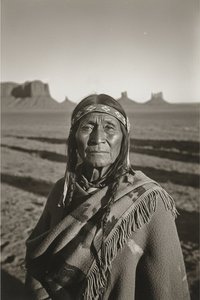
Shadow Catcher: Edward S. Curtis & the Ethnographic Portraiture of a Vanishing West
Explore the life & work of Edward S. Curtis, the 'Shadow Catcher,' and his groundbreaking photographic documentation of Native American cultures. Discover iconic images from *The North American Indian* and a critical look at his lasting legacy.

