
 Visualizar na parede
 Compartilhar
 Compartilhar
 Detalhes
 Guia
Guia

 Baixar imagem
 Semelhantes
 Raio X
 Ver diaporama
 Perguntas e Respostas
 Estatísticas
Peaceable Kingdom (31)


 Ler mais
Giclée / Impressão de Arte
Impressão giclée ou em tela de qualidade de museu, com produção rápida e opções flexíveis de acabamento. ( Comprar pintura feita à mão Alternar para Imagem Digital)




P118B €10

P118H €10

P118W €10

P438Z €10

P508JH €12

P508YH €12

P805H €10

P805Z €10

P919BZ €10

P919G €10

P919XJ €10

P959ZH €10

P968JZ €12

W106C €8

W218G €10

W218JH €8

W218Y €10

W307PJ €10

W316G €10

W316PJ €8

W316Y €10

W398PJ €8

W4111J €10

W500HY €15

W500JH €15

W692G €12

W849H €8

W940BG €15

W953PJ €8




Escolha entre os nossos tamanhos pré-definidos que respeitam as proporções originais da obra de arte.

Insira a largura e a altura desejadas para se ajustarem à sua moldura ou parede. Uma impressão pode ser apenas cortada, nunca ampliada além da imagem original; portanto, um tamanho com proporções diferentes resultará na perda de parte da imagem. Enviamos uma maquete digital para sua aprovação antes de realizarmos a impressão. A imagem exibida nesta página não mostra o corte real — apenas a maquete o faz.
Entrega mundial () em 2 semanas, em vez das 4/5 semanas padrão. (10 Novembro)

Envio expresso gratuito para todo o mundo

Tela de Linho de Alta Qualidade

Seguro de transporte completo

Garantia de Reembolso de Impostos Alfandegários

Garantia de Fidelidade Cromática

Política de Devolução em 100 Dias (Apenas para Defeitos)

Garantia de reembolso de 100%

Oferta de desconto por quantidade
 A opção de vidro está disponível apenas para tamanhos inferiores a 110 cm

Peaceable Kingdom (31)
Giclée / Impressão de Arte
Tamanho da Reprodução
-


Preço Total
€ 73
The Serene Harmony of “Peaceable Kingdom”
Edward Hicks’ “Peaceable Kingdom” (31), painted in 1845, isn't merely a pastoral scene; it’s a profound meditation on faith, community, and the enduring hope for a world united. This iconic work, currently residing within the Yale University Art Gallery in Hartford, Connecticut, transcends its simple depiction of animals and humans coexisting peacefully to become a powerful symbol of Quaker ideals and American identity. Hicks, a devout Quaker minister and self-taught artist, imbued this canvas with layers of meaning drawn from Isaiah 11:6 – “The wolf also shall dwell with the lamb…” – transforming a biblical prophecy into a tangible representation of his spiritual vision. The painting’s enduring appeal lies not just in its aesthetic beauty but in its ability to resonate deeply with viewers seeking solace and inspiration in an often-turbulent world.A Testament to Quaker Belief
At the heart of “Peaceable Kingdom” is the unwavering commitment to peace that defined the Society of Friends, or Quakers. Hicks’ artistic choices—the deliberate inclusion of diverse species, the gentle expressions on the animals' faces, and the harmonious arrangement of figures – all speak to this core belief. The painting isn’t a utopian fantasy; it acknowledges the presence of conflict (represented subtly by the fractured tree trunk in the background), yet firmly asserts that true peace is attainable through understanding, compassion, and a shared commitment to justice. The inclusion of indigenous people alongside European settlers underscores Hicks' broader vision of a nation built on principles of equality and mutual respect – a sentiment remarkably forward-thinking for its time. The painting’s composition deliberately avoids hierarchy, presenting all creatures as equals within this idyllic realm.Technique and Style: A Masterful Blend
Hicks’ distinctive style is immediately recognizable—a blend of folk art simplicity and meticulous detail. Executed in oil on canvas, the piece showcases his remarkable ability to render textures with astonishing realism, from the soft fur of a lamb to the rough bark of a tree. The color palette is muted yet vibrant, dominated by earthy tones punctuated by splashes of warm yellows and greens, creating a sense of warmth and tranquility. Notably, Hicks employed a technique known as “grisaille,” using monochrome underpainting to establish values before adding color, which contributes significantly to the painting’s depth and luminosity. The figures are rendered with a gentle humanity, their expressions conveying a quiet contentment that invites the viewer into this peaceful scene.Symbolism and Historical Context
Beyond its immediate depiction of animals and people, “Peaceable Kingdom” is rich in symbolism. The fractured tree trunk represents the divisions within Quaker society at the time – the Hicksite and Orthodox factions – while the harmonious gathering of creatures symbolizes the hope for reconciliation and unity. The inclusion of figures reminiscent of William Penn’s treaty with Native American tribes adds a layer of historical significance, reflecting Hicks' commitment to social justice and his belief in the importance of peaceful coexistence between cultures. The painting emerged during a period of significant social and political upheaval in America, marked by growing tensions over slavery and westward expansion. “Peaceable Kingdom” offered a powerful counter-narrative—a vision of a nation founded on principles of peace, equality, and respect for all living beings.A Legacy Enduring Through Reproductions
Today, Edward Hicks’ "Peaceable Kingdom" continues to captivate audiences worldwide. High-quality reproductions, meticulously crafted by OriginalUniqueArt.com, allow art enthusiasts to bring this timeless masterpiece into their homes and offices. Owning a reproduction is not merely acquiring an image; it's embracing the enduring message of peace, harmony, and hope that Hicks so eloquently conveyed over 175 years ago. The painting’s continued popularity speaks volumes about its universal appeal—a testament to the power of art to inspire, uplift, and remind us of our shared humanity.Perguntas e Respostas
Como o movimento e a época se encontram em "Peaceable Kingdom (31)", de Edward Hicks?
"Peaceable Kingdom (31)" pertence ao movimento Quaker Folk Art, e seu criador atuou na era Século XIX.
Para quem "Peaceable Kingdom (31)", de Edward Hicks é recomendado como presente?
"Peaceable Kingdom (31)", de Edward Hicks é uma recomendação de presente para Wedding. Uma reprodução desta obra pode ser oferecida como um presente.
Qual é a atmosfera de "Peaceable Kingdom (31)"?
"Peaceable Kingdom (31)" possui uma atmosfera Calm.
Biografia do Artista
A Life Rooted in Faith and Vision
Edward Hicks, born April 4th, 1780, in the tranquil landscape of Attleboro (now Langhorne), Bucks County, Pennsylvania, was a figure uniquely positioned at the intersection of religious conviction and artistic expression. His story is not simply that of a self-taught painter, but of a dedicated Quaker minister whose spiritual journey profoundly shaped his distinctive visual language. Though born to Anglican parents, young Edward’s life took a pivotal turn when he came under the care of Matron Elizabeth Twining, a devout Quaker who instilled in him the core tenets of this faith – simplicity, peace, and an unwavering belief in the “inner light.” This early exposure would become the bedrock upon which his artistic vision was built. From the age of thirteen, Hicks apprenticed with coach makers William and Henry Tomlinson, mastering the techniques of decorative painting that would initially sustain him. However, even as he honed his skills in rendering ornate designs on carriages, a deeper calling resonated within him, one that would ultimately lead him down a path less traveled – a path where faith and artistry converged. By 1803, Hicks had fully embraced the Society of Friends, marrying Sarah Worstall and embarking on a life of itinerant preaching throughout Philadelphia, all while continuing to support his growing family through his painting skills.The Evolving Canvas: From Coachwork to Spiritual Landscapes
Hicks’s artistic development was far from conventional. He wasn't formally trained in the academic traditions of the time; instead, he cultivated a distinctly American folk art style born from observation, necessity, and deeply held beliefs. Initially, his paintings served practical purposes – house painting, coach decoration, tavern signs, and even decorative work on furniture and farm equipment. These early commissions provided financial stability but often conflicted with the Quaker emphasis on plainness and eschewal of worldly vanities. A period of hardship in 1815 saw Hicks briefly abandon ornamental painting for farming, a venture that proved unsuccessful. It was through encouragement from friends that he returned to his brushes in 1816, a turning point that allowed him to reconcile his artistic talents with his spiritual calling. He began to imbue his paintings with symbolic meaning, reflecting his Quaker worldview and personal interpretations of scripture. His canvases became vehicles for conveying messages of peace, harmony, and the promise of a divinely ordained order.The Peaceable Kingdom: A Vision of Harmony
Edward Hicks is most celebrated today for his series of paintings known collectively as *The Peaceable Kingdom*. Comprising over sixty variations created throughout his life, these works are arguably the most iconic examples of American folk art. Inspired by Isaiah 11:6-9 – a passage foretelling a time when natural predators would coexist peacefully – Hicks depicted scenes of wild animals and children living in idyllic harmony. The paintings often feature figures from colonial Pennsylvania history, such as William Penn negotiating treaties with Native Americans, further grounding the biblical vision within an American context. *The Peaceable Kingdom* is not simply a charming depiction of animal life; it’s a powerful statement about Hicks's belief that Pennsylvania represented a fulfillment of this prophetic ideal – a place where peace and justice could prevail. Each version of *The Peaceable Kingdom* possesses subtle variations in composition, color palette, and detail, reflecting Hicks’s evolving artistic sensibilities and deepening spiritual understanding. Notable examples include *Peaceable Kingdom (31)* housed at Yale University Art Gallery, and *Peaceable Kingdom (34)* which portrays Noah's Ark amidst a serene landscape.Beyond the Kingdom: A Broader Artistic Scope
While *The Peaceable Kingdom* remains his signature achievement, Hicks’s artistic output extended beyond this celebrated series. He painted landscapes, portraits, and historical scenes, each imbued with his characteristic folk art style and Quaker sensibility. His *Falls of Niagara*, now at the Abby Aldrich Rockefeller Folk Art Center, demonstrates his ability to capture the grandeur of nature while maintaining a sense of simplicity and reverence. Similarly, his depiction of *George Washington crossing...* – also held at the Abby Aldrich Rockefeller Folk Art Center – offers a unique folk perspective on this iconic moment in American history. Even seemingly mundane subjects like *Grave of William Penn at Jordans in England*, reveal Hicks’s deep connection to Quaker heritage and his ability to find spiritual significance in everyday scenes. These works, taken together, demonstrate the breadth of Hicks's artistic vision and his commitment to using art as a means of expressing his faith and values.A Lasting Legacy: The Folk Art Icon
Edward Hicks passed away on August 23rd, 1849, in Newtown, Pennsylvania, leaving behind a body of work that continues to resonate with audiences today. He is now recognized as a pivotal figure in American folk art, celebrated for his distinctive style, recurring themes, and profound spiritual depth. His paintings offer invaluable insights into the beliefs and values of the Society of Friends during the 19th century, providing a visual record of their commitment to peace, simplicity, and social justice. Hicks’s unique ability to blend religious faith with artistic expression created a body of work that is both visually compelling and spiritually meaningful. He remains a testament to the power of self-taught artistry and the enduring influence of Quaker ideals on American art history. His legacy continues to inspire artists and scholars alike, ensuring that his vision of harmony—both earthly and divine—will endure for generations to come.
Edward Hicks
1780 - 1849 , Estados Unidos da América
Dados Rápidos
- Artistic Movement Or Style: Folk Art
- Artists Who Influenced This Artist: ['']
- Date Of Birth: April 4, 1780
- Date Of Death: August 23, 1849
- Full Name: Edward Hicks
- Nationality: American
- Notable Artworks:
- Peaceable Kingdom (31)
- Falls of Niagara
- George Washington crossing...
- Peaceable Kingdom (34)
- Place Of Birth: Langhorne, USA
Artigos Relacionados

Realismo Americano: 10 Obras-Primas que Moldaram a Arte e Decoram o Lar
Descubra as 10 obras-primas do Realismo Americano! Explore a história de Hopper, Homer e Cassatt. Encontre reproduções de arte com qualidade museológica para decorar sua casa. Inspire-se em cores vibrantes e atmosferas únicas. Explore a coleção completa na OriginalUniqueArt.com.

Edward Hicks’ ‘Peaceable Kingdom’: American Folk Art & the Shaping of a National Identity
Explore the profound symbolism & historical context of Edward Hicks’ ‘Peaceable Kingdom.’ Discover how this iconic American folk art masterpiece reflects Quaker values and shaped a nation's identity. Learn more at OriginalUniqueArt.

Grant Wood & American Regionalism: Identity, Myth & the Rural Landscape
Explore the world of Grant Wood & American Regionalism with OriginalUniqueArt. Discover the symbolism behind 'American Gothic', recurring themes, and the movement's lasting impact on art history. High-quality reproductions available.

Edward Hopper: As 25 Obras-Primas que Definem a Alma Americana | OriginalUniqueArt
Descubra as 25 obras-primas de Edward Hopper, o mestre do realismo americano. Explore a atmosfera melancólica, luz e sombra em quadros icônicos como 'Nighthawks'. Encontre reproduções de arte exclusivas para decorar sua casa com OriginalUniqueArt.com.
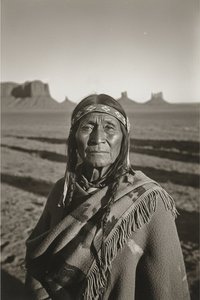
Shadow Catcher: Edward S. Curtis & the Ethnographic Portraiture of a Vanishing West
Explore the life & work of Edward S. Curtis, the 'Shadow Catcher,' and his groundbreaking photographic documentation of Native American cultures. Discover iconic images from *The North American Indian* and a critical look at his lasting legacy.