- Início

- Impressão em tela
- Edward Dalton Marchant
- Andrew Jackson
 Preview
 Enviar
 Compartilhar
 Detalhes da obra

 Baixar
 Semelhantes
 Raio X
 Slideshow
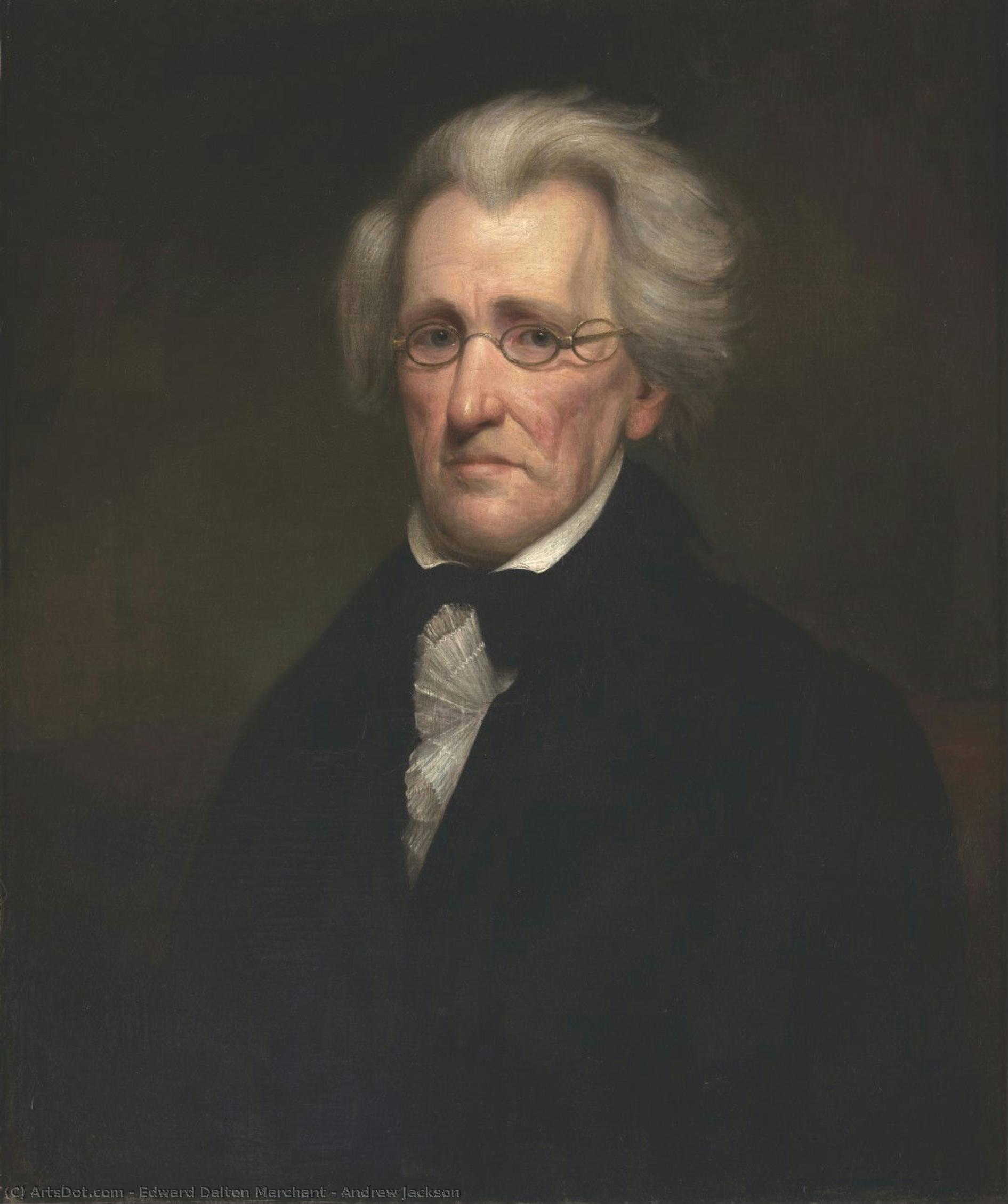
Andrew Jackson
 Oil On Canvas
- WallArt
- Contemporary Realism
 1840
1840- 19th Century
 The Abraham Lincoln Foundation of The Union League of Philadelphia
 Ver mais
Giclê / Impressão de Arte
Impressão giclée ou em tela de qualidade de museu, com produção rápida e opções flexíveis de acabamento. ( Switch to hand made Painting Switch to Image)




P118B $10

P118H $10

P118W $10

P438Z $10

P508JH $12

P508YH $12

P805H $10

P805Z $10

P919BZ $10

P919G $10

P919XJ $10

P959ZH $10

P968JZ $12

W106C $8

W218G $10

W218JH $8

W218Y $10

W307PJ $10

W316G $10

W316PJ $8

W316Y $10

W398PJ $8

W4111J $10

W500HY $15

W500JH $15

W692G $12

W849H $8

W940BG $15

W953PJ $8




Escolha entre os nossos tamanhos pré-definidos que respeitam as proporções originais da obra de arte.

Você pode inserir suas próprias dimensões para se ajustar a uma moldura ou espaço específico. Se o tamanho selecionado não corresponder às proporções da imagem original, iremos recortar a obra de arte ou estender a imagem com uma borda espelhada ou preenchimento sólido. Um mockup digital será enviado para sua aprovação antes do início da produção.
Por favor, observe que a visualização na tela não reflete o recorte ou a extensão real. Apenas o mockup mostrará com precisão a composição final.
Embora tamanhos personalizados estejam disponíveis, recomendamos selecionar uma dimensão da lista predefinida para preservar as proporções originais.
Entrega mundial () em 2 semanas, em vez das 4/5 semanas padrão. (29 Julho)

Envio Expresso Gratuito para todo o Mundo

Tela de Linho Premium

Seguro de envio completo

Garantia de Reembolso de Impostos Alfandegários

Garantia de Fidelidade de Cores

Política de Devolução de 60 Dias (Apenas para Defeitos)

Garantia de 100% de Reembolso

Desconto para múltiplas unidades
 A opção de vidro está disponível apenas para tamanhos inferiores a 110 cm

Andrew Jackson
Giclê / Impressão de Arte
Dimensões da Reprodução
-


Preço Total Final
$ 80
Descrição da Obra
Andrew Jackson by Edward Dalton Marchant: A Portrait of Power and Dignity
- Artist: edward dalton marchant
- Birth Year: 1806
- Death Year: 1887
- Date: 1840
- Medium: Oil on canvas
- Size: Unknown
Subject and Historical Context
This striking portrait depicts Andrew Jackson, the seventh President of the United States (1767-1845). Painted in 1840 by Edward Dalton Marchant, it captures Jackson during a period of significant political influence. The year itself is notable; it coincided with the silver jubilee celebrating the American victory at the Battle of New Orleans, an event that solidified Jackson's image as a national hero. Marchant’s portrait was created amidst this celebratory atmosphere and reflects the respect and admiration Jackson commanded at the time.
Style and Technique
The artwork exemplifies the style of 19th-century American portraiture, characterized by realism and an emphasis on accurately representing the subject's likeness. Marchant’s technique demonstrates a skilled hand in rendering textures – observe the detailed depiction of Jackson’s suit fabric, his skin tone, and the individual strands of his gray hair. The use of light and shadow is particularly effective; the illumination from the left subtly highlights Jackson’s face, creating depth and emphasizing his authoritative presence. The dark background serves to isolate the subject, drawing all attention to him.
Symbolism and Emotional Impact
Beyond a mere likeness, this portrait conveys a sense of seriousness, dignity, and experience. Jackson's direct gaze suggests strength and resolve, while his formal attire underscores his position as a leader. The spectacles, depicting the latest fashion in bifocals, add a touch of realism and subtly hint at Jackson’s age and wisdom. The overall impression is one of a man who has weathered many storms and possesses an unwavering determination. It's a portrait designed to inspire respect and project an image of power.
About the Artist: Edward Dalton Marchant
- Largely self-taught, he briefly studied with Gilbert Stuart.
- He established a portrait studio in Edgartown, Massachusetts.
- Marchant was active in New York City and completed commissions across several states.
- Known for both oil portraits and miniatures.
- An ardent opponent of slavery who painted Abraham Lincoln during the Civil War.
Biografia do Artista
Edward Dalton Marchant: A Portraitist of Victorian America
Edward Dalton Marchant (1806-1887), also known as Edward D. Marchant and E. D. Marchant, was an American artist who carved out a distinctive niche in the landscape of 19th-century portraiture. Born in Edgartown, Massachusetts, he emerged from humble beginnings—a house painter—to become one of his era’s most prolific and respected artists, particularly celebrated for his depictions of prominent figures during the Civil War period. Unlike many of his contemporaries who pursued grand narratives or ambitious landscapes, Marchant focused intently on capturing the essence of individuals, crafting meticulously rendered portraits that conveyed both physical likeness and psychological depth.- Early Life & Training: Marchant’s artistic journey began organically. Largely self-taught, he honed his skills through observation and experimentation before receiving brief instruction from Gilbert Stuart in Boston in 1825—a formative encounter that instilled him with Stuart's mastery of tonal modeling and compositional balance.
- Early Career & Travels: Demonstrating entrepreneurial spirit early on, Marchant advertised his services in Charleston’s newspaper as young as 1826, embarking upon a restless exploration of the American frontier. He returned to Edgartown in 1828-1829 and subsequently relocated to Worcester, Massachusetts, where he established a studio and produced portraits of influential citizens—a testament to his adaptability and responsiveness to local demand.
- New York City & Expanding Horizons: Marchant’s ambition propelled him eastward to New York City in 1832, cementing his reputation as a portraitist amongst the city's elite merchants and political leaders. Commissions spanned Ohio cities and ventured into Nashville and New Orleans, showcasing his versatility and broadening his artistic reach.
- The Lincoln Portrait & Artistic Legacy: Perhaps Marchant’s most enduring achievement was his monumental portrait of Abraham Lincoln commissioned by the Union League in December 1862. Executed during the Civil War, this painting—a collaborative effort with artist George Caleb Bingham—captured Lincoln's solemn gaze and dignified posture as he signed the Emancipation Proclamation. Marchant famously declared that his depiction “triumphantly gives lie to those hideous caricatures of Mr. Lincoln,” reflecting a profound conviction in Lincoln’s moral leadership and skillfully countering prevailing anti-Lincoln sentiment.
- Miniature Artist & Recognition: Beyond oil paintings, Marchant excelled as a miniaturist, producing exquisitely detailed portraits that commanded considerable prestige. Elected to several arts academies and consistently exhibiting his work throughout his lifetime, he secured a place among the leading artists of his time—a legacy solidified by the widespread circulation of reproductions of his Lincoln portrait prior to the 1864 election.
Technique & Style: Impressionistic Influences Marchant’s artistic style evolved over time, reflecting influences from Romanticism and increasingly embracing elements of Impressionism. He favored tonal modeling—a technique championed by Stuart—to create luminous surfaces and convey atmospheric effects. However, as he matured, Marchant experimented with looser brushstrokes and brighter palettes, mirroring the burgeoning Impressionist movement's emphasis on capturing fleeting moments of light and color. This stylistic shift is particularly evident in his landscapes and contributes to the evocative quality of his artistic output.
Notable Works: Beyond Lincoln Marchant’s oeuvre encompassed a diverse range of subjects—from portraits of presidents and industrialists to depictions of everyday life—demonstrating his ability to engage with both formal grandeur and intimate human experience. Among his most celebrated paintings are portraits of Andrew Jackson, capturing the statesman's commanding presence and weathered countenance; and numerous miniatures documenting the lives of prominent families across New England. His meticulous attention to detail and masterful rendering of texture ensured that these artworks would endure as treasured representations of their respective eras.
Historical Significance Edward Dalton Marchant’s contribution to American art history extends beyond his artistic accomplishments. He served as a visual chronicler of the Civil War era, documenting pivotal moments in national history—most notably Lincoln's signing of the Emancipation Proclamation—and shaping public perception through carefully crafted portraits that championed Lincoln’s moral authority. His unwavering advocacy for abolition and his involvement with organizations like the Union League underscore his commitment to social justice and solidify his place as a figure of considerable cultural importance.

Edward Dalton Marchant
1806 - 1887 , United States of America
Informações Rápidas
- Artistic Movement Or Style: Portraiture
- Artists Or Movements Influenced By This Artist: Victorian art
- Artists Who Influenced This Artist: Gilbert Stuart
- Date Of Birth: 1806
- Full Name: Edward Dalton Marchant
- Nationality: American
- Notable Artworks:
- Lincoln portraits
- Andrew Jackson
- Place Of Birth: Edgartown, United States
Artigos Relacionados
A Alma em Cada Pincelada: Um Legado de Arte e Memórias para Sua Família
Transforme suas memórias em arte atemporal com OriginalUniqueArt! Reproduções fiéis e retratos personalizados feitos por artistas experientes. Crie um legado familiar duradouro e decore sua casa com obras de arte únicas e de alta qualidade.
John George Brown: Capturing American Life & Sentiment in 19th-Century Genre Painting
Explore the captivating genre paintings of John George Brown, celebrated for his realistic depictions of 19th-century American life. Discover his legacy & find museum-quality reproductions at OriginalUniqueArt.

Da Selfie ao Retrato de Estúdio: Uma Transformação Moderna na Pintura a Óleo
Descubra a arte de transformar memórias em retratos a óleo personalizados e reproduções de alta qualidade. Artistas experientes, técnicas clássicas e investimento seguro para colecionadores exigentes. OriginalUniqueArt.com.
The Enduring Gaze: A Historical & Artistic Exploration of Portrait Painting Across Cultures
Explore the rich history of portrait painting with expert insights into Renaissance masterpieces & modern innovations. Discover artists, movements & commission a custom oil painting at OriginalUniqueArt.
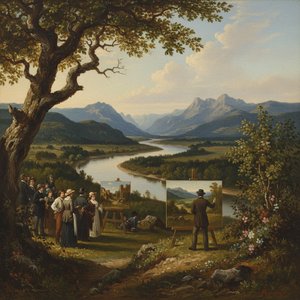
Thomas George Webster: Navigating Genre Boundaries & American Identity in 19th-Century Landscape Painting
Explore the captivating genre scenes of Thomas George Webster, a Victorian painter bridging British traditions with American themes. Discover his style, influences & legacy in 19th-century art history.

