
 Visualizar na parede
 Compartilhar
 Compartilhar
 Detalhes
 Guia
Guia

 Baixar imagem
 Semelhantes
 Raio X
 Ver diaporama
 Perguntas e Respostas
 Estatísticas
Anglesey Abbey, Spring 1949

- 11.0 x 15.0 cm


 Ler mais
A obra de arte exibida nesta página é protegida por leis de direitos autorais, o que significa que não podemos criar ou vender legalmente uma reprodução idêntica. Esta proteção é aplicada por meio de acordos internacionais, tais como a Convenção de Berna e pelas leis nacionais, incluindo as estabelecidas por Lei de Direitos Autorais dos EUA - Título 17.
Este método cumpre plenamente as regulamentações de direitos autorais, pois não envolve a cópia ou duplicação da obra protegida. Em vez disso, trata-se de uma reinterpretação criativa — uma nova pintura que é influenciada pela original, mas não idêntica a ela.
Giclée / Impressão de Arte
Impressão giclée ou em tela de qualidade de museu, com produção rápida e opções flexíveis de acabamento. ( Comprar pintura feita à mão Alternar para Imagem Digital)




































Escolha entre os nossos tamanhos pré-definidos que respeitam as proporções originais da obra de arte.

Insira a largura e a altura desejadas para se ajustarem à sua moldura ou parede. Uma impressão pode ser apenas cortada, nunca ampliada além da imagem original; portanto, um tamanho com proporções diferentes resultará na perda de parte da imagem. Enviamos uma maquete digital para sua aprovação antes de realizarmos a impressão. A imagem exibida nesta página não mostra o corte real — apenas a maquete o faz.
Entrega mundial () em 2 semanas, em vez das 4/5 semanas padrão. (5 Novembro)

Envio expresso gratuito para todo o mundo

Tela de Linho de Alta Qualidade

Seguro de transporte completo

Garantia de Reembolso de Impostos Alfandegários

Garantia de Fidelidade Cromática

Política de Devolução em 100 Dias (Apenas para Defeitos)

Garantia de reembolso de 100%

Oferta de desconto por quantidade
 A opção de vidro está disponível apenas para tamanhos inferiores a 110 cm

Anglesey Abbey, Spring 1949
Giclée / Impressão de Arte
Tamanho da Reprodução
-


Preço Total
€ 72
Biografia do Artista
The Soul of the English Landscape: The Life and Legacy of Edward Brian Seago
To wander through the works of Edward Brian Seago is to embark on a journey through the very heart of the British landscape, captured with a luminous clarity that transcends mere representation. Born in 1910 in the historic city of Norwich, Norfolk, Seago was destined for a life shaped by the textures and light of the countryside. His early years were nurtured by a father who recognized the boy's burgeoning creative spirit, providing the foundation for a formal education at the Chelsea School of Art and later the prestigious Slade School of Fine Art in London. It was during these formative years that Seago began to develop his signature approach—a disciplined mastery of technique blended with an almost poetic sensitivity to the atmosphere of the natural world.
The trajectory of Seago’s career was profoundly altered by the shadows of World War II. Serving in the Auxiliary Territorial Service (ATS), he found himself tasked with a unique and vital mission: acting as a camouflage artist. This period of his life, while born of conflict, became a crucible for his artistic vision. Tasked with transforming military structures to blend into their surroundings, Seago developed an unparalleled eye for detail and an intimate understanding of how light, shadow, and color can manipulate the perception of space. His wartime murals, particularly those at RAF Bawtry and RAF Wickham Priory, stand as enduring testaments to his ability to infuse even the most utilitarian settings with a sense of beauty and resilience.
A Journey Through Light and Color
Following the cessation of hostilities, Seago’s artistry underwent a magnificent expansion. No longer confined to the necessity of concealment, he turned his gaze outward toward the vast horizons of Europe and North Africa. His travels became the lifeblood of his oeuvre; he was an artist who sought the essence of place through direct observation. Whether capturing the sun-drenched tranquility of a Moroccan Landscape with cattle grazing in the desert or documenting the quiet, frost-kissed serenity of The River at Earlham, Norfolk, Seago possessed a rare ability to translate the ephemeral qualities of light into permanent oil and watercolor.
His stylistic evolution was deeply informed by the masters of the Post-Impressionist movement. One can detect the structural integrity of Cézanne in his compositions and a profound respect for the interplay of light reminiscent of the Impressionists. Yet, Seago remained quintessentially himself. His work is characterized by:
- Meticulous Detail: A commitment to capturing the intricate textures of foliage, water, and stone.
- Luminous Palettes: An expert use of color that evokes the warmth of a Mediterranean afternoon or the cool mist of an English morning.
- Atmospheric Depth: The ability to create a palpable sense of air and moisture within the frame, making the viewer feel the temperature of the scene.
Enduring Significance and Royal Recognition
Seago’s mastery did not merely earn him acclaim within the artistic community; it garnered the admiration of the highest echelons of British society. His ability to capture the dignity of the landscape and the quiet beauty of domestic life—seen in evocative works such as The East Window—endeared him to the Royal Family, establishing him as a painter of significant national importance. He became a bridge between the traditional landscape traditions of Britain and the more modern, expressive sensibilities of the mid-20th century.
Today, the legacy of Edward Brian Seago lives on through his prolific body of work, which continues to resonate with collectors and art lovers worldwide. His paintings are more than mere windows into the past; they are emotional evocations of a world that celebrates the enduring beauty of nature. Through his eyes, we see the Norfolk countryside not just as a location, but as a living, breathing entity, forever preserved in the golden light of his masterful brushstrokes.

Edward Brian Seago
1910 - 1974
Dados Rápidos
- Artistic Movement Or Style: Post-Impressionism
- Artists Who Influenced This Artist:
- Claude Monet
- Vincent van Gogh
- Date Of Birth: 1910
- Date Of Death: 1974
- Full Name: Edward Brian Seago
- Nationality: English
- Notable Artworks:
- The Moorhens
- The Old Mill
- The Shepherdess
- Place Of Birth: Norfolk, England
Artigos Relacionados
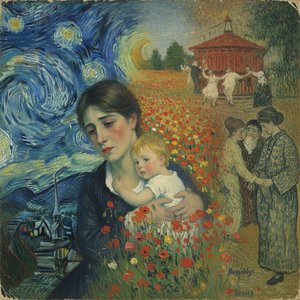
Capturing the Soul: The Most Emotionally Moving Impressionist and Post-Impressionist Masterpieces
Discover the profound emotional depth of Impressionist and Post-Impressionist masterpieces. Explore how legends like Monet, Van Gogh, and Gauguin captured light and soul through evocative landscapes and vibrant brushwork for a timeless connection to art history.

Edward Hopper: As 25 Obras-Primas que Definem a Alma Americana | OriginalUniqueArt
Descubra as 25 obras-primas de Edward Hopper, o mestre do realismo americano. Explore a atmosfera melancólica, luz e sombra em quadros icônicos como 'Nighthawks'. Encontre reproduções de arte exclusivas para decorar sua casa com OriginalUniqueArt.com.

Os 10 Mestres do Impressionismo e a Paisagem que Mudou a Arte | OriginalUniqueArt
Descubra os 10 quadros impressionistas que revolucionaram a arte! Explore Monet, Renoir e outros mestres da paisagem francesa. Encontre reproduções de alta qualidade para decorar sua casa com beleza e história em OriginalUniqueArt.com.

Paisagens Impressionistas Icônicas: 10 Obras que Mudaram a Arte | OriginalUniqueArt
Descubra as 10 obras impressionistas que revolucionaram a arte! Explore Monet, Renoir e outros mestres da paisagem. Encontre reproduções de alta qualidade para decorar sua casa com a beleza do Impressionismo em OriginalUniqueArt.com.

Edward Seago: A Life Painted in Light – Nostalgia & the British Landscape Tradition
Explore the life & art of Edward Seago, a celebrated British Impressionist painter known for evocative landscapes & seascapes. Discover his captivating works and find high-quality reproductions at OriginalUniqueArt.