 Alternar para Impressão
 Ler mais







































 Para obras de arte ou reproduções com mais de 105 cm (aproximadamente 41 polegadas) em qualquer um dos lados, a moldura será enviada como um kit desmontado. Este método garante uma entrega segura e evita danos durante o transporte.


A Parisian Rebel: The Life and Art of Édouard Manet
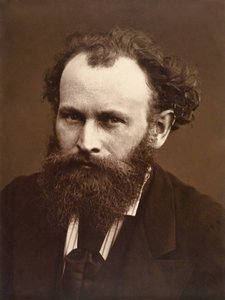
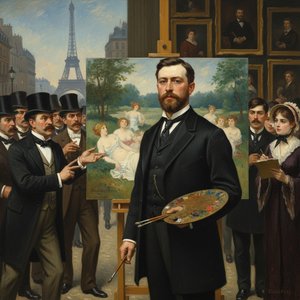
Édouard Manet, born in 1832 into a comfortable bourgeois family in Paris, was hardly destined for the life of a revolutionary artist. His father, a respected judge, envisioned a secure future for his son in law or perhaps naval service – respectable professions befitting their social standing. Yet, even as a young boy, Manet’s heart belonged to art. At eleven, he began formal drawing lessons, and though briefly apprenticed to the academic painter Thomas Couture, he quickly found Couture's rigid methods stifling. This early resistance foreshadowed a lifetime spent challenging artistic conventions. He wasn’t interested in simply replicating the past; he sought to capture the vibrancy – and sometimes the unsettling realities – of modern Parisian life. He frequented the Louvre, not merely to copy Old Masters, but to dissect their techniques, learning from artists like Caravaggio and Rembrandt. This intellectual curiosity would fuel his artistic endeavors for decades to come.The Painting and Its Context
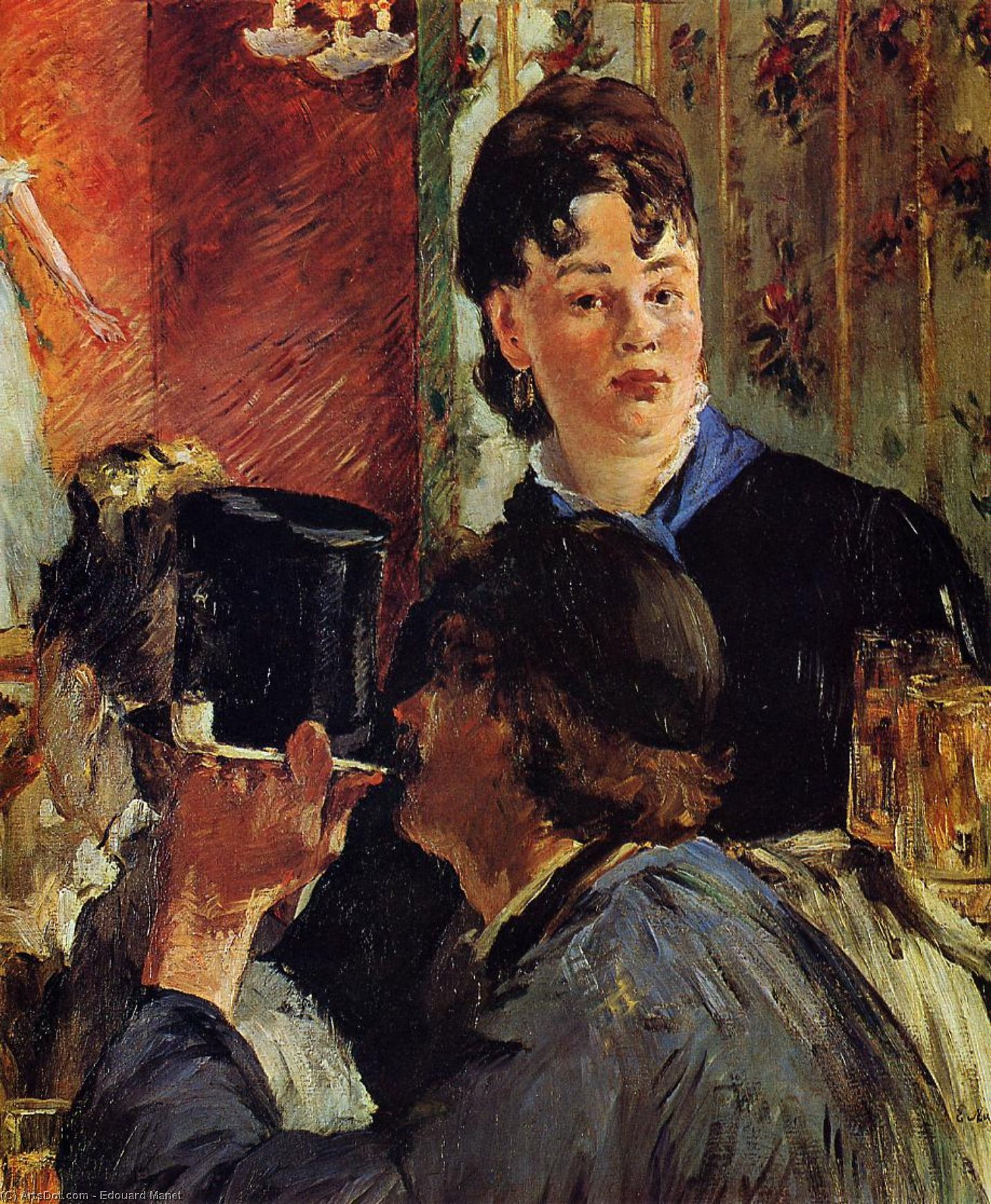
“The Waitress” (also known as “The Beer Serving Girl”), created in 1878, exemplifies Manet’s groundbreaking approach to painting. Housed at the Musée du Louvre, this artwork represents a pivotal moment in art history—a decisive step away from academic tradition toward Impressionism and Realism. The painting depicts a scene within a Parisian café-concert, capturing the everyday life of ordinary people during the Belle Époque. Manet’s intention wasn't to glorify heroic narratives or idealized beauty; instead, he aimed to portray reality as he perceived it, infused with light and atmosphere—a daring ambition for his time. The painting sparked considerable debate among critics and intellectuals who questioned its stylistic choices and its depiction of contemporary society.The Composition and Details
Manet’s masterful composition centers around three figures: a woman serving drinks at a dining table, a seated gentleman observing her actions, and another man standing behind him. The artist skillfully utilizes light to illuminate the scene, creating a sense of immediacy and capturing the fleeting effects of natural illumination—a hallmark of Impressionist technique. Notice the careful placement of objects – bottles on the table – contributing to the overall realism of the composition. Manet’s brushstrokes are loose and visible, prioritizing color and tonal variation over precise detail, reflecting his commitment to conveying sensory experience rather than photographic accuracy. The woman's gaze directly engages the viewer, inviting contemplation about her role in this social tableau.Artistic Significance
Manet’s blending of Realism and Impressionism marks him as a pivotal figure in artistic transition. Unlike academic painters who meticulously rendered idealized forms and backgrounds, Manet embraced spontaneity and observation—methods championed by artists like Claude Monet and Pierre-Auguste Renoir. “The Waitress” demonstrates this fusion beautifully, presenting a recognizable scene with an atmospheric quality that transcends mere representation. It’s considered one of the most important paintings of Impressionism because it captures the spirit of its time – a desire to depict modern life authentically while experimenting with innovative artistic techniques.Other Notable Works by Manet
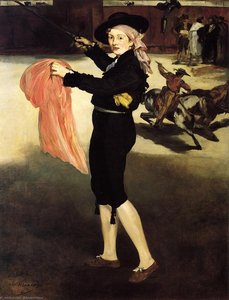
Manet's legacy extends far beyond “The Waitress.” His unflinching portrayal of nude figures in “Le Déjeuner sur l’herbe” caused uproar due to its challenge to societal norms and its rejection of classical ideals. Now residing at the Musée d’Orsay, this painting remains a powerful symbol of artistic rebellion. Similarly, “The Balcony,” completed in 1868-69, showcases Manet's fascination with capturing fleeting moments of urban life—a subject explored again in his depiction of Berthe Morisot on a balcony. These works solidified Manet’s reputation as an artist who dared to confront convention and explore the complexities of human experience.- Painting by 'Edouard Manet' | Edouard Manet:The Waitress (also known as The Beer Serving Girl)
- Painting by 'Peter Paul Rubens' | Peter Paul Rubens:Landscape with a Watering Place
- The Balcony (Manet)
- Le Déjeuner sur l’herbe
Perguntas e Respostas
Quem é o artista por trás de "A Servidora"?
O artista por trás de "A Servidora" é Édouard Manet. A obra está catalogada sob o nome de Édouard Manet.
Qual é a data e o estilo de "A Servidora", de Édouard Manet?
"A Servidora", de Édouard Manet é datada de 1878 e pertence ao Impressionist Realism.
Qual tamanho de reprodução é sugerido para "A Servidora", de Édouard Manet?
O tamanho de impressão recomendado para "A Servidora", de Édouard Manet é Grande formato.
 Visualizar na parede
 Compartilhar
 Compartilhar
 Detalhes
 Guia
Guia

 Baixar imagem
 Semelhantes
 Raio X
 Ver diaporama
 Q&A
Q&A Estatísticas