
 Visualizar na parede
 Compartilhar
 Compartilhar
 Detalhes
 Guia
Guia

 Baixar imagem
 Semelhantes
 Raio X
 Ver diaporama
 Estatísticas
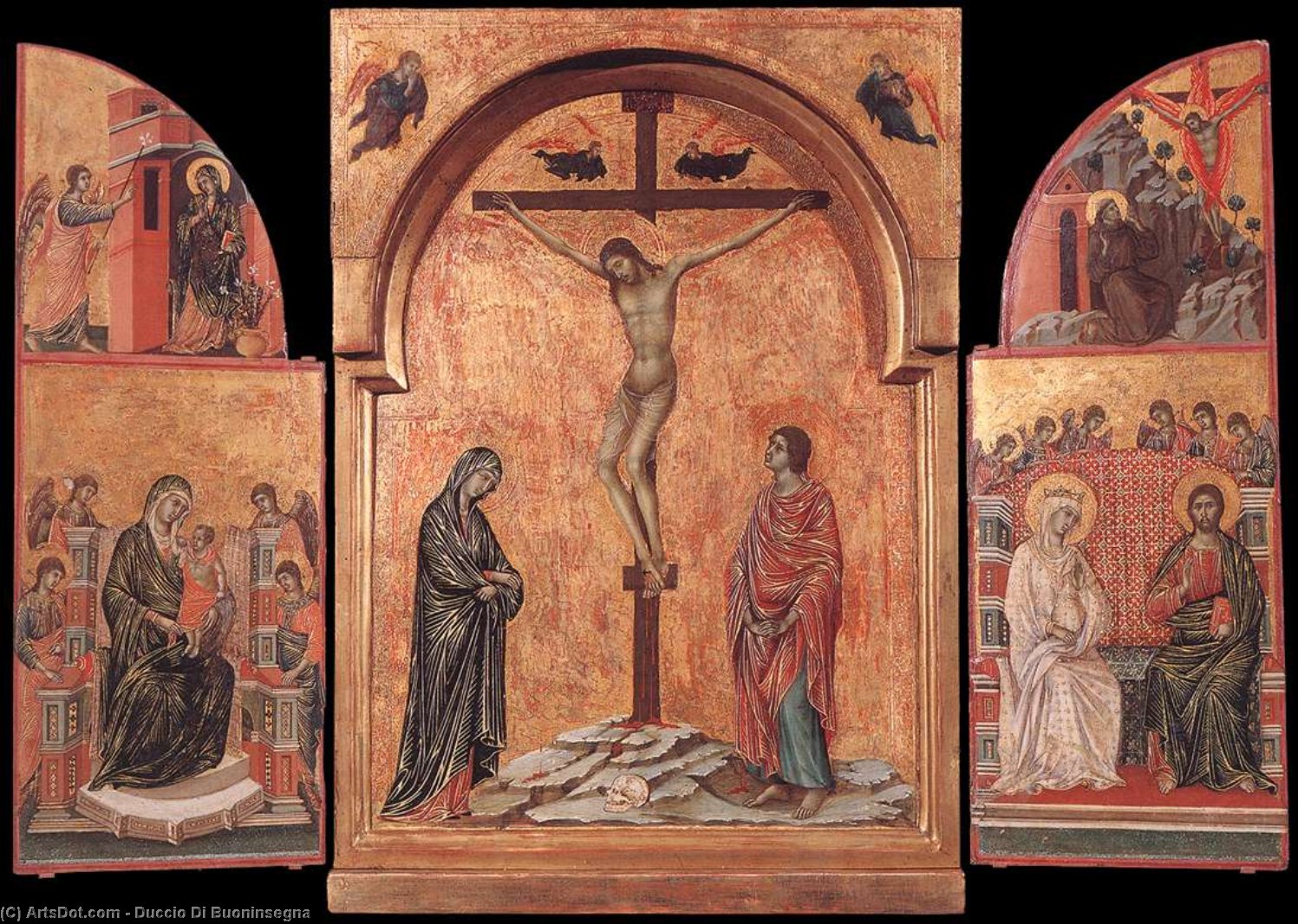
Tríptico
 Acrílico sobre tela
- Arte de Parede
- Início do Renascimento
 1305
1305- Renascimento
 44.0 x 31.0 cm
 Royal Collection
 Ler mais
Adquira uma imagem digital de alta resolução e aprimorada, muito superior à prévia online.
Cada arquivo é meticulosamente preparado por nossos especialistas internos, utilizando ferramentas avançadas e retoques manuais de alta precisão. Garantimos que cada imagem apresente clareza excepcional, fidelidade de cores e detalhes minuciosos.
O arquivo final é entregue por e-mail em até 72 horas, otimizado para uso imediato em ambientes profissionais, editoriais e de impressão. Esta é a mesma qualidade utilizada por estúdios de design de alto nível, editoras e galerias.
Imagem Digital
Baixe um arquivo de alta resolução para exibição pessoal, impressão e projetos criativos. ( Alternar para Impressão Comprar pintura feita à mão)
Incluído em cada compra de imagem digital
Entrega Digital Especializada e Garantida
Ao escolher o OriginalUniqueArt.com, você não está apenas adquirindo uma imagem — você está recebendo uma obra de arte digital profissionalmente aprimorada, elaborada com precisão e com garantia de satisfação. Aqui está tudo o que acompanha seu pedido, automaticamente:

Entrega rápida por e-mail
O seu arquivo de imagem digital em alta resolução será enviado por e-mail em até 72 horas após o pedido — pronto para uso imediato.

Arquivo Digital com IA Otimizado
Sua obra de arte é otimizada profissionalmente por meio de ferramentas avançadas de IA e edição manual, garantindo o máximo de detalhes, clareza e precisão de cores.

Reenvio gratuito vitalício
Apagou ou perdeu o seu ficheiro acidentalmente? Não se preocupe – nós reenviamos para si a qualquer momento, gratuitamente.

Sem Taxas de Importação - Sempre
Desfrute da sua obra de arte instantaneamente, sem taxas alfandegárias, impostos ou custos de entrega — downloads digitais são sempre isentos de taxas.

Garantia de Fidelidade de Cores
Garantimos que sua imagem digital reflita as cores originais com a maior fidelidade possível, utilizando ferramentas profissionais e gerenciamento de cores.

Garantia de satisfação de 100 dias
Se não estiver satisfeito com a sua imagem digital, nós a revisaremos ou reembolsaremos 100% dentro de 100 dias — sem perguntas.

Garantia de Reembolso 100%
Não está satisfeito? Receba o reembolso total em até 100 dias após o recebimento do seu arquivo digital — sem perguntas.

Descontos para pedidos em lote
Compre 3 imagens, economize 10% - Compre 5, economize 15% - Compre 10+, economize 20%. Ideal para projetos criativos, galerias e agências.
Um Vislumbre do Sofrimento Divino: O Tríptico de Duccio (1305)
Este requintado tríptico, criado em 1305 pelo mestre sienense Duccio di Buoninsegna, oferece uma profunda meditação sobre a Paixão de Cristo. Com dimensões de 44 x 31 cm, este painel devocional exemplifica a transição das tradições artísticas bizantinas para o florescente estilo renascentista na Itália.Tema e Narrativa
O tríptico desenrola-se como uma narrativa visual através de três painéis articulados por dobradiças. O foco central é, inegavelmente, a Crucifixão, retratando Cristo na cruz, ladeado pela Virgem Maria em luto e por João Evangelista. À esquerda, um anjo entrega uma mensagem divina – talvez anunciando o destino de Cristo – diante de um pano de fundo arquitetónico estilizado. No painel direito, testemunhamos a Coroação de Cristo no Céu, uma visão esperançosa de redenção e glória eterna. A composição guia meticulosamente o espectador através de momentos cruciais de sacrifício e salvação.Estilo e Técnica: Uma Fusão de Mundos
O estilo de Duccio caracteriza-se por uma mistura cativante da formalidade bizantina com o naturalismo emergente do Renascimento. Embora mantenha os icónicos fundos de folha de ouro e a perspetiva achatada comum na arte medieval, o artista introduz modelados subtis e detalhes delicados que conferem às suas figuras uma maior profundidade emocional. A técnica parece ser têmpera ou óleo sobre painel de madeira, permitindo linhas precisas e uma rica saturação de cores. Nota-se a predominância de linhas retas e geométricas que definem os elementos arquitetónicos – uma marca distintiva do período.Simbolismo e Iconografia
Cada elemento dentro deste tríptico carrega um peso simbólico. A própria cruz representa o sacrifício supremo e a redenção. A figura de Maria encarna a dor, a fé e o sofrimento maternal. João Evangelista serve como testemunha do sofrimento de Cristo. A cena da coroação celestial significa o triunfo divino sobre a morte. O uso extensivo de folha de ouro não é meramente decorativo; simboliza a divindade, a luz e a transcendência espiritual.Contexto Histórico: Siena e o Trecento
Duccio di Buoninsegna (1255-1319) foi uma figura fundamental na pintura sienense durante o período do Trecento (século XIV). Siena, como uma república independente e rival de Florença, desenvolveu o seu próprio estilo artístico distinto. A obra de Duccio personifica esta estética única – caracterizada pela elegância, pelo detalhe refinado e por uma profunda sensibilidade espiritual. Ele era altamente requisitado para encomendas por toda a Itália, estabelecendo-se como um dos artistas mais importantes do seu tempo.Impacto Emocional e Interpretação
Este tríptico evoca um poderoso sentido de reverência, tristeza e esperança. A iluminação dramática, particularmente focada na cena central da crucificação, intensifica o impacto emocional. Embora adira à iconografia religiosa estabelecida, Duccio infunde as suas figuras com uma qualidade humana que convida à empatia e à contemplação. A obra serve não apenas como uma representação de eventos bíblicos, mas também como uma expressão profundamente pessoal de fé e devoção.Colecionismo e Design de Interiores
Uma reprodução deste tríptico seria uma adição deslumbrante a qualquer coleção de arte ou espaço interior. As suas cores ricas, detalhes intrincados e temática profunda adaptam-se bem tanto a ambientes tradicionais como contemporâneos. Considere exibi-lo numa área devocional, numa biblioteca ou como ponto focal numa sala de estar – a sua beleza intemporal irá, sem dúvida, inspirar reflexão e conversa.Perguntas e Respostas
"Tríptico", de Duccio di Buoninsegna, está em domínio público? E por quê?
"Tríptico", de Duccio di Buoninsegna está em em domínio público — seus direitos autorais expiraram. O período de direitos autorais conta a partir do falecimento do artista, ocorrido em 1319.
Com qual sentimento "Tríptico" está associada?
"Tríptico", de Duccio di Buoninsegna transmite um tom emocional Misterioso.
A que período pertence a obra "Tríptico", de Duccio di Buoninsegna?
O período histórico de "Tríptico", de Duccio di Buoninsegna é Renascimento. Esta classificação situa a obra na história da arte.
Biografia do Artista
The Sienese Luminary: Duccio di Buoninsegna and the Dawn of a New Italian Vision
Duccio di Buoninsegna, born in Siena around 1255, stands as a pivotal figure bridging the stylistic chasm between the Byzantine world and the burgeoning artistic sensibilities of Italy. While biographical details remain frustratingly scarce—the man himself often obscured by the brilliance of his art—his impact on the Sienese School and the trajectory of Italian painting is undeniable. He emerged during a period where religious iconography was deeply entrenched, yet a yearning for greater naturalism and emotional resonance was beginning to stir within artistic circles. Duccio wasn’t merely a painter; he was an innovator who dared to infuse sacred narratives with human feeling, subtly shifting the focus from rigid formality towards a more intimate connection between the divine and the earthly realm. His early training remains somewhat mysterious, though speculation suggests possible influences ranging from Florentine masters to direct exposure to Byzantine artistry—perhaps even travels to Constantinople itself. Whatever his formative experiences, they coalesced into a unique style that would define an era.
A Synthesis of Tradition and Innovation
Duccio’s artistic development wasn't a sudden rupture with the past but rather a graceful evolution. His initial works were deeply rooted in Byzantine conventions: the lavish use of gold leaf to evoke celestial light, stylized figures possessing an ethereal quality, and a meticulous attention to religious symbolism. However, even within these established parameters, Duccio began to subtly introduce elements that foreshadowed his later innovations. He experimented with spatial arrangements, hinting at depth where flatness had previously reigned supreme. His color palettes, while still vibrant, gained a newfound subtlety and harmony. More importantly, he started imbuing his figures with a nascent sense of humanity—a gentle curve of the mouth suggesting a smile, a slight tilt of the head conveying contemplation. This wasn’t a rejection of Byzantine ideals but a refinement, an infusion of life into what had often been static representations. He skillfully blended tradition and innovation, creating a style that was both reverent and remarkably fresh.
Masterpieces of Faith and Artistry
Two works stand as testaments to Duccio’s genius: the *Rucellai Madonna* (1285) and, most famously, the *Maestà* (1308-1311). The *Rucellai Madonna*, commissioned for a chapel in Florence, marked a significant departure from conventional Byzantine iconography. Its composition, while still adhering to traditional forms, displayed a greater sense of spatial organization and a more naturalistic depiction of the Virgin Mary and Child. But it was the *Maestà*—a monumental altarpiece created for Siena Cathedral—that truly cemented Duccio’s legacy. This sprawling masterpiece comprises numerous panels depicting scenes from the life of the Virgin Mary and Christ, each one a miniature work of art in itself. The Maestà is not merely a collection of paintings; it's a visual narrative, unfolding with breathtaking detail and emotional depth. Duccio’s mastery of light and shadow, his ability to convey complex emotions through subtle gestures, and his innovative use of perspective all converge in this single, awe-inspiring work. Beyond these monumental pieces, works like *Polyptych No. 28* demonstrate his continued compositional skill and meticulous attention to detail.
Influences and Legacy
Duccio’s artistic journey was shaped by a complex interplay of influences. While deeply rooted in Byzantine tradition—particularly the luminosity and stylized figures characteristic of that era—he also absorbed elements from Florentine art, notably the naturalism and psychological depth championed by Giotto. Some scholars suggest he may have spent time in Paris, encountering the Gothic style prevalent there at the time. This synthesis of influences resulted in a uniquely Sienese style characterized by its elegance, emotional intensity, and innovative use of space. His work profoundly impacted subsequent generations of Italian painters, shaping the development of the Sienese School and contributing to the broader evolution of Italian painting. He helped define the Trecento art movement, leaving an indelible mark on the history of Western painting.
A Lasting Legacy: Shaping the Future of Italian Art
Duccio di Buoninsegna’s influence extended far beyond his lifetime. He revolutionized Italian painting, paving the way for the development of the Sienese School—a distinct artistic tradition characterized by its elegance, refinement, and emotional intensity. His emphasis on naturalism, spatial depth, and human emotion directly impacted subsequent generations of artists, influencing not only those within Siena but also painters in Florence and beyond. While Giotto is often credited with initiating the Renaissance style, Duccio’s contributions were equally crucial, laying the groundwork for the artistic innovations that would define the 14th century and beyond.
- He pioneered new approaches to depicting space and perspective.
- His paintings are renowned for their vibrant and harmonious color schemes.
- He infused his figures with a sense of humanity and emotional resonance.
Despite facing financial hardships during his life, Duccio’s artistic legacy endures. His masterpieces continue to inspire awe and admiration, serving as a powerful reminder of the transformative power of art. He helped define the Trecento art movement, leaving an indelible mark on the history of Western painting.

Duccio di Buoninsegna
1255 - 1319 , Itália
Breve Biografia
- Artistic Movement Or Style: Gótico Sienês
- Artists Or Movements Influenced By This Artist: ['Escola Sienesa']
- Artists Who Influenced This Artist: ['Arte Bizantina']
- Date Of Birth: c. 1255
- Date Of Death: 1319
- Full Name: Duccio di Buoninsegna
- Nationality: Italiano
- Notable Artworks:
- Maestà
- Rucellai Madonna
- Place Of Birth: Siena, Itália