
 Visualizar na parede
 Compartilhar
 Compartilhar
 Detalhes
 Guia
Guia

 Baixar imagem
 Semelhantes
 Raio X
 Ver diaporama
 Perguntas e Respostas
 Estatísticas
Agony in the Garden


 Ler mais
Giclée / Impressão de Arte
Impressão giclée ou em tela de qualidade de museu, com produção rápida e opções flexíveis de acabamento. ( Comprar pintura feita à mão Alternar para Imagem Digital)




P118B €10

P118H €10

P118W €10

P438Z €10

P508JH €12

P508YH €12

P805H €10

P805Z €10

P919BZ €10

P919G €10

P919XJ €10

P959ZH €10

P968JZ €12

W106C €8

W218G €10

W218JH €8

W218Y €10

W307PJ €10

W316G €10

W316PJ €8

W316Y €10

W398PJ €8

W4111J €10

W500HY €15

W500JH €15

W692G €12

W849H €8

W940BG €15

W953PJ €8




Escolha entre os nossos tamanhos pré-definidos que respeitam as proporções originais da obra de arte.

Insira a largura e a altura desejadas para se ajustarem à sua moldura ou parede. Uma impressão pode ser apenas cortada, nunca ampliada além da imagem original; portanto, um tamanho com proporções diferentes resultará na perda de parte da imagem. Enviamos uma maquete digital para sua aprovação antes de realizarmos a impressão. A imagem exibida nesta página não mostra o corte real — apenas a maquete o faz.
Entrega mundial () em 2 semanas, em vez das 4/5 semanas padrão. (8 Novembro)

Envio expresso gratuito para todo o mundo

Tela de Linho de Alta Qualidade

Seguro de transporte completo

Garantia de Reembolso de Impostos Alfandegários

Garantia de Fidelidade Cromática

Política de Devolução em 100 Dias (Apenas para Defeitos)

Garantia de reembolso de 100%

Oferta de desconto por quantidade
 A opção de vidro está disponível apenas para tamanhos inferiores a 110 cm

Agony in the Garden
Giclée / Impressão de Arte
Tamanho da Reprodução
-


Preço Total
€ 72
Donatello’s Agony in the Garden: A Renaissance Echo of Sorrow
Giovanni Bellini's "Agony in the Garden," housed within the venerable halls of the National Gallery, London, isn’t merely a depiction of a biblical scene; it’s a profound meditation on faith, doubt, and the weight of human suffering. Painted around 1459-1465 during the High Renaissance, this tempera panel offers a remarkably intimate glimpse into Christ's final hours before his arrest – a moment steeped in both spiritual anguish and impending doom. Bellini masterfully captures the atmosphere of profound sorrow, utilizing a subtle interplay of light, shadow, and meticulously rendered figures to evoke an emotional resonance that continues to captivate viewers centuries later.
The scene unfolds with arresting clarity: Christ, kneeling upon a natural rock formation resembling an altar, is enveloped in prayer. His posture—head bowed, hands raised—conveys a palpable sense of desperation as he wrestles with the knowledge of his impending sacrifice. Around him, his disciples – Peter, James, and John – slumber peacefully, oblivious to the turmoil consuming their master. The backdrop, featuring three distant hill settlements characteristic of Venetian landscapes, grounds the narrative in a recognizable earthly reality while simultaneously elevating it to a realm of spiritual significance. Bellini’s deliberate choice of composition—a carefully orchestrated balance between the divine and the human—is central to the painting's enduring power.
A Masterclass in Renaissance Technique
Bellini’s approach to this challenging subject matter is characterized by a remarkable sensitivity to light and texture. Unlike the more stark, geometrically precise style prevalent at the time, Bellini employs a technique that imbues the scene with an ethereal quality. He utilizes *tempera*, a fast-drying paint mixed with egg yolk, allowing for incredibly fine detail and subtle gradations of color. The layering of thin glazes creates a luminous surface, capturing the play of light on Christ’s garments and the surrounding landscape with breathtaking realism. Notice particularly the meticulous rendering of the tunic—its folds and textures conveying both its weight and the vulnerability of the figure within.
The artist's use of *gesso*, a plaster-like ground applied to the wooden panel, is equally noteworthy. This technique creates a smooth, reflective surface that enhances the vibrancy of the colors and contributes to the painting’s overall sense of depth. Bellini’s skill in manipulating these materials—tempera, gesso, and pigment—demonstrates his mastery of Renaissance artistic techniques and his ability to translate complex emotions onto a two-dimensional surface.
Symbolism and Emotional Resonance
Beyond its technical brilliance, “Agony in the Garden” is rich in symbolic meaning. The rock formation upon which Christ kneels serves as a potent metaphor for both sacrifice and divine grounding. The sleeping disciples represent humanity’s inability to fully comprehend or share in Christ's suffering—a poignant reminder of the limitations of human perception. The dawn light, subtly filtering through the scene, suggests not only the impending arrival of a new day but also the promise of redemption offered through Christ’s sacrifice.
The painting’s emotional impact is profound and enduring. Bellini doesn't simply depict an event; he conveys the *feeling* of anguish—the weight of responsibility, the fear of betrayal, and the acceptance of a predetermined fate. It’s a scene that invites contemplation on themes of faith, mortality, and the human condition. The painting resonates with viewers not just as a historical record but as a timeless expression of universal sorrow and hope.
Historical Context and Legacy
“Agony in the Garden” stands as a pivotal work within Bellini’s oeuvre and a significant example of Renaissance art. It reflects the artistic trends of Venice during this period, characterized by a synthesis of classical influences with a deep appreciation for naturalism and emotional expression. The painting's close relationship to Andrea Mantegna’s version—a work also housed in the National Gallery—highlights the shared artistic lineage and intellectual currents that shaped Renaissance art.
Bellini’s masterful depiction of this pivotal biblical scene has cemented its place as a cornerstone of Western art history. It continues to inspire artists, scholars, and viewers alike, serving as a powerful reminder of the enduring relevance of faith, suffering, and the human spirit. The painting's evocative atmosphere and technical brilliance ensure that “Agony in the Garden” will remain a treasured masterpiece for generations to come.
Perguntas e Respostas
Qual tamanho de reprodução é sugerido para "Agony in the Garden", de Donatello?
O tamanho de impressão recomendado para "Agony in the Garden", de Donatello é Large.
Quais são os direitos de reprodução de "Agony in the Garden" no Basílica de São Lourenço?
O status de direitos autorais de "Agony in the Garden", de Donatello é claro: a obra está em em domínio público — seus direitos autorais expiraram. Sua presença no Basílica de São Lourenço não altera esse status.
Onde posso comprar uma imagem digital de "Agony in the Garden", de Donatello?
Uma imagem digital de "Agony in the Garden", de Donatello pode ser adquirida em sua página de Imagem Digital de Alta Resolução: download de imagem digital em alta resolução.
Biografia do Artista
Early Life and Artistic Beginnings
Donato di Niccolò di Betto Bardi, universally known as Donatello, emerged from the bustling heart of Florence around 1386 – a city already brimming with artistic innovation and ambition. His early life remains somewhat shrouded in mystery, yet it’s clear that his formative years were deeply intertwined with the burgeoning world of Florentine sculpture. Unlike many artists of his time who benefited from established family legacies, Donatello's origins were modest; his father, Niccolò di Betto Bardi, was a wool carder – a profession rooted in commerce rather than artistic tradition. However, this seemingly unremarkable background provided him with access to the workshops and studios where young sculptors honed their skills. Donatello’s formal training likely began around 1400, finding employment within the workshop of Lorenzo Ghiberti, a master sculptor renowned for his groundbreaking bronze doors for the Florence Cathedral (the Duomo). Ghiberti's studio served as a crucible of artistic experimentation, and Donatello absorbed countless techniques and principles during his time there. He was exposed to the intricate details of classical sculpture – a cornerstone of Renaissance art – alongside the established conventions of Gothic style prevalent at the time. This exposure would profoundly shape his future work, leading him to blend classical ideals with innovative approaches that distinguished him from his contemporaries.Key Works and Artistic Innovations
Donatello’s artistic trajectory truly began to unfold in the mid-1420s, marked by a series of groundbreaking works that challenged established norms and captivated audiences. His most celebrated achievement, undoubtedly, is the bronze *David* – a monumental figure that redefined the representation of the male nude in Western art. Unlike previous depictions of David, which often portrayed him as a youthful shepherd boy, Donatello’s version captured the hero at the moment of confronting Goliath, radiating an aura of intense determination and physical prowess. This wasn't merely a replication of biblical narrative; it was a profound exploration of human potential and courage – a testament to Donatello’s ability to infuse his sculptures with psychological depth. Beyond *David*, Donatello produced a remarkable array of works that showcased his versatility and technical mastery. The *St. Louis of Toulouse* at the Basilica di Santa Croce, for instance, exemplifies his command of classical forms and architectural integration. The sculpture's elegant drapery and serene expression are complemented by a carefully designed classical frame, demonstrating Donatello’s willingness to borrow from antiquity while maintaining his own distinctive style. Similarly, his *Sacrifice of Isaac* for the campanile of Santa Maria del Fiore in Florence is characterized by strikingly realistic portrait details – a departure from the idealized figures common in earlier Renaissance sculpture. The work's dramatic composition and emotional intensity further solidified Donatello’s reputation as a sculptor capable of capturing the essence of human experience.Artistic Style and Historical Context
Donatello’s artistic style evolved through distinct phases, reflecting both his personal development and the broader currents of the Italian Renaissance. Initially, his work exhibited a strong influence from Ghiberti's International Gothic style – characterized by graceful lines and subtle details. However, as he matured, Donatello increasingly embraced classical ideals, incorporating elements of Roman sculpture into his own creations. This shift is particularly evident in *David*, where the figure’s contrapposto stance (a naturalistic pose with weight shifted to one leg) and muscular anatomy are clearly indebted to ancient Greek models. Furthermore, Donatello's style was marked by a willingness to experiment with new techniques and materials. He pioneered the use of “rilievo schiacciato” – a shallow relief technique that created an illusion of depth and volume. This approach allowed him to achieve remarkable detail in smaller works while maintaining a sense of dynamism and spatial awareness. His innovative use of bronze, particularly his mastery of lost-wax casting, further distinguished his work from that of his contemporaries. Donatello’s artistic legacy extends far beyond his individual masterpieces. He profoundly influenced subsequent generations of sculptors, including Michelangelo Buonarroti, who famously declared that “all the artists of Christendom have been imitating Donatello.” His emphasis on realism, psychological depth, and classical ideals helped to shape the course of Renaissance art, leaving an indelible mark on Western artistic tradition.Museums and Artistic Legacy
Donatello’s sculptures are scattered across numerous museums and collections throughout Italy and beyond. The Museo della Collegiata in Empoli houses a remarkable collection of early Italian Renaissance art, including works by Francesco Botticini and Raffaello Botticini – providing valuable insights into Donatello's artistic development. The Museo Nazionale del Bargello in Florence proudly displays *St. George*, a testament to Donatello’s mastery of bronze sculpture. Similarly, the Basilica di Santa Croce in Venice houses the iconic *St. Louis of Toulouse*. The Baptistery of Siena features his relief work, including the dramatic depiction of *The Sacrifice of Isaac*. Finally, the Palazzo Vecchio in Florence retains *Judith Slaying Holofernes*, a powerful and unsettling portrayal of violence and triumph. Donatello’s impact on art history is undeniable. His innovative techniques, expressive figures, and profound understanding of human nature continue to inspire artists and captivate audiences today. He remains one of the most celebrated sculptors of all time – a true pioneer of the Renaissance and a master of his craft.
Donatello
1386 - 1466 , Itália
Dados Rápidos
- Artistic Movement Or Style: Renascimento Italiano
- Artists Or Movements Influenced By This Artist: ['Renascimento Florentino']
- Artists Who Influenced This Artist: ['Escultores clássicos']
- Date Of Birth: c. 1386
- Date Of Death: 1466
- Full Name: Donatello di Niccolò
- Nationality: Italiano
- Notable Artworks:
- David
- São Lourenço
- Sacrifício de Isaac
- Place Of Birth: Florença, Itália
Artigos Relacionados

As 10 Obras em Bronze Mais Icônicas que Transformaram a História da Arte | OriginalUniqueArt
Descubra as 10 esculturas em bronze mais influentes da história! Explore a arte de Rodin, Michelangelo e outros mestres. Reproduções de alta qualidade para decorar sua casa com elegância. OriginalUniqueArt.

The Enduring Legacy of Bronze: A Historical & Artistic Exploration for the Collector
Explore the rich history & enduring appeal of bronze sculpture with expert insights for collectors at OriginalUniqueArt. Learn about casting techniques, iconic artists, collecting tips & contemporary interpretations.
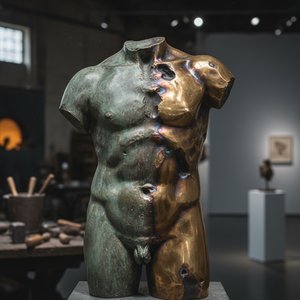
O Legado Duradouro da Escultura em Bronze: História, Técnicas e Interpretações Contemporâneas
Explore o legado da escultura em bronze: história, técnicas milenares como a cera perdida e tendências contemporâneas. Guia para colecionadores e apreciadores de arte.

Esculturas em Bronze Icônicas: 10 Obras que Revolucionaram a Arte | OriginalUniqueArt
Descubra as 10 esculturas em bronze mais icônicas da história! Explore a arte de Rodin, Michelangelo e outros mestres. Encontre reproduções de alta qualidade para sua casa em OriginalUniqueArt.com.

The Enduring Legacy of Bronze: History, Technique & Artistic Expression for the Collector
Explore the rich history & enduring appeal of bronze sculpture with expert insights for collectors at OriginalUniqueArt. Learn about casting techniques, iconic artists, and collecting tips.
