

 Visualizar em escala
 Enviar
 Compartilhar
 Ver detalhes
 Guia de Obras do Aluno

 Baixar imagem
 Semelhantes
 Raio X
 Apresentação de slides
 Estatísticas
Interface 27-28
 Contemporary
 1979
1979 44.0 x 61.0 cm
 Fundação de Serralves
 Ver mais
A obra de arte exibida nesta página é protegida por leis de direitos autorais, o que significa que não podemos criar ou vender legalmente uma reprodução idêntica. Esta proteção é aplicada por meio de acordos internacionais, tais como a Convenção de Berna e pelas leis nacionais, incluindo as estabelecidas por Lei de Direitos Autorais dos EUA - Título 17.
Como uma alternativa respeitosa e legal, oferecemos obras de arte personalizadas e pintadas à mão, inspiradas na obra original. Nossos artistas profissionais e experientes estudam cuidadosamente o estilo, a atmosfera e a essência artística da obra original para criar uma peça nova e única que evoque a mesma sensação — permanecendo como uma criação original por direito próprio.
Este método cumpre plenamente as regulamentações de direitos autorais, pois não envolve a cópia ou duplicação da obra protegida. Em vez disso, trata-se de uma reinterpretação criativa — uma nova pintura que é influenciada pela original, mas não idêntica a ela.
Reprodução em Óleo Feita à Mão
Óleo sobre tela pintado à mão no tamanho e moldura de sua escolha, feito sob encomenda pelos nossos artistas. ( Alternar para Impressão Ver Imagem Digital)




P118B €10

P118H €10

P118W €10

P438Z €10

P508JH €12

P508YH €12

P805H €10

P805Z €10

P919BZ €10

P919G €10

P919XJ €10

P959ZH €10

P968JZ €12

W106C €8

W218G €10

W218JH €8

W218Y €10

W307PJ €10

W316G €10

W316PJ €8

W316Y €10

W398PJ €8

W4111J €10

W500HY €15

W500JH €15

W692G €12

W849H €8

W940BG €15

W953PJ €8




Escolha entre os nossos tamanhos pré-definidos que respeitam as proporções originais da obra de arte.

Digite a largura e a altura de que necessita, para se ajustar à sua moldura ou à sua parede. Esta obra é pintada à mão, por isso, para um tamanho com uma proporção diferente, o artista pode pintar um pouco mais ao redor da imagem ou cortar um pouco — você escolhe. Enviamos-lhe uma maquete digital para aprovação antes de a pintura começar. A imagem exibida nesta página não mostra o resultado real — apenas a maquete mostra.
Após o pedido, a equipa OriginalUniqueArt.com enviará um e-mail ao cliente para solicitar instruções e fornecer uma prévia do esboço.
Entrega mundial () em 3 a 4 semanas, em vez das 5 semanas padrão. (22 Outubro). Sem comprometer a qualidade.

Envio expresso gratuito para todo o mundo

Tela de Linho Premium

Seguro de transporte total

Garantia de Reembolso de Impostos Alfandegários

Garantia de Fidelidade de Cor

Política de Devolução em 100 Dias (Apenas para Defeitos)

Garantia de reembolso de 100%

Desconto para múltiplas unidades
 A opção de vidro está disponível apenas para tamanhos inferiores a 110 cm

Interface 27-28
Técnica de Reprodução
Dimensões da Reprodução
-


Preço Total
€ 263
Biografia do Artista
The Alchemy of Impermanence: The Life and Vision of Dieter Roth
Born in Hanover, Germany, on April 21, 1930, Dieter Roth—often referred to by the variation Diter Rot—emerged as one of the most radical and boundary-pushing figures of the twentieth-century avant-garde. His artistic journey was never a linear progression toward perfection, but rather a profound exploration of decay, transformation, and the beautiful instability of existence. Moving through the cultural landscapes of Europe, Roth developed a practice that defied the static nature of traditional fine art, choosing instead to embrace the organic processes of life and death. His work serves as a visceral meditation on the passage of time, where the boundaries between the creator, the medium, and the environment are perpetually blurred.
Roth’s creative evolution was deeply intertwined with the experimental spirit of the Fluxus movement. As a co-founder of the magazine Spirale, he became a central node in a network of artists dedicated to breaking down the walls between high art and everyday life. This period of his life was marked by an intense curiosity regarding how objects interact with their surroundings. He did not merely seek to represent reality; he sought to engage with its physical degradation. His fascination with found materials—ranging from discarded newspapers and magazines to the much more provocative use of organic matter—allowed him to create works that were living, breathing, and ultimately, dying.
Materiality and the Aesthetics of Decay
What truly distinguishes Roth’s oeuvre is his fearless approach to medium. While many artists of his era sought permanence through oil on canvas or carved stone, Roth found profound meaning in the ephemeral. He became renowned for his sculptures that incorporated rotting foodstuffs, a technique that challenged the very notion of what an art object could be. In pieces such as Insel, the artist utilized decomposing organic elements to create a sensory experience that engaged not just the eyes, but the sense of smell and the awareness of biological change. This focus on impermanence turned his sculptures into performances of natural entropy, where the artwork changed shape, color, and texture every day it remained on display.
Beyond his sculptural experiments, Roth revolutionized the concept of the book. His artist's books were far from passive objects of reading; they were tactile, interactive landscapes. By designing books with pages that readers could rearrange or manipulate, he dismantled the traditional hierarchy of narrative and structure. This approach mirrored his interest in Concrete Art and the deconstruction of form, inviting a participatory experience that transformed the viewer into an active collaborator. His editioned prints and works on paper further showcased this mastery of technique, blending experimental textures with a deep-seated connection to the raw materials of the modern world.
Legacy and Artistic Influence
The historical significance of Dieter Roth lies in his ability to expand the vocabulary of contemporary art. He drew inspiration from the psychological depth of Expressionism, finding echoes of the raw emotion found in the works of Edvard Munch and Francis Bacon, yet he applied these influences to a much more physical, materialist framework. His legacy is felt in every movement that seeks to challenge the sanctity of the museum object and every artist who finds beauty in the discarded or the decomposing.
Throughout his career, Roth’s work was celebrated in prestigious institutions, including the Museum Folkwang in Essen, Germany, ensuring that his radical experiments were documented within the canon of art history. Though he passed away in 1998, his impact remains undiminished. He left behind a body of work that continues to provoke thought about the nature of creation and the inevitability of dissolution, reminding us that there is a profound, haunting beauty to be found in the very process of falling apart.

Dieter Rot, Diter Rot
1930 - 1998 , Germany
Informações Rápidas
- Date Of Birth: 1930
- Date Of Death: 1998
- Place Of Birth: Hanover, Germany
Artigos Relacionados

Possua o Inigualável: A Nova Era de NFTs e Obras Digitais Exclusivas na OriginalUniqueArt
Descubra a exclusividade dos NFTs e obras digitais na OriginalUniqueArt. Oferecemos edições únicas de arte digital de alta resolução e transformamos visões tecnológicas em pinturas a óleo inigualáveis. Eleve sua coleção com o prestígio da maestria artística e do luxo contemporâneo.
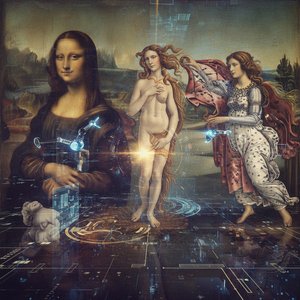
Digital Collage: Merging Art History and Technological Innovation into Modern Masterpieces
Explore the profound evolution of digital collage, where art history meets modern technology. Discover how contemporary masters merge classical techniques with digital innovation to create breathtaking new masterpieces for the modern collector.

Mastering Digital Collage: An Expert Guide to Layering Art, Texture, and Imagination
Elevate your digital artistry with our expert guide to mastering collage. Learn professional techniques for layering textures, blending imagery, and creating profound visual narratives through advanced digital composition and modern creative workflows.

Top 10 Obras-Primas do Expressionismo Abstrato: Arte para Decorar e Inspirar | OriginalUniqueArt.com
Descubra as 10 obras-primas do Expressionismo Abstrato com Jackson Pollock, Mark Rothko e mais! Explore a história, técnica e emoção por trás de cada pintura. Encontre reproduções de arte exclusivas para decorar sua casa em OriginalUniqueArt.com.
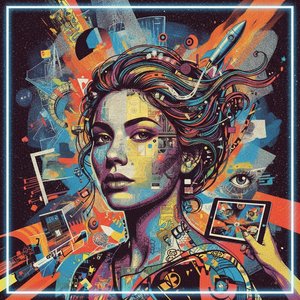
Digital Collage Unleashed: How to Remix Reality into High-Impact Pop Art
Master the art of digital collage. Discover how to remix pop culture icons, glitch aesthetics, and vibrant textures into high-impact Pop Art for modern urban spaces. Elevate your collection with bold, trend-setting visual strategies from the experts in contemporary graphic art.