 Visualizar em escala
 Enviar
 Compartilhar
 Ver detalhes

 Baixar
 Semelhantes
 Raio X
 Apresentação de slides
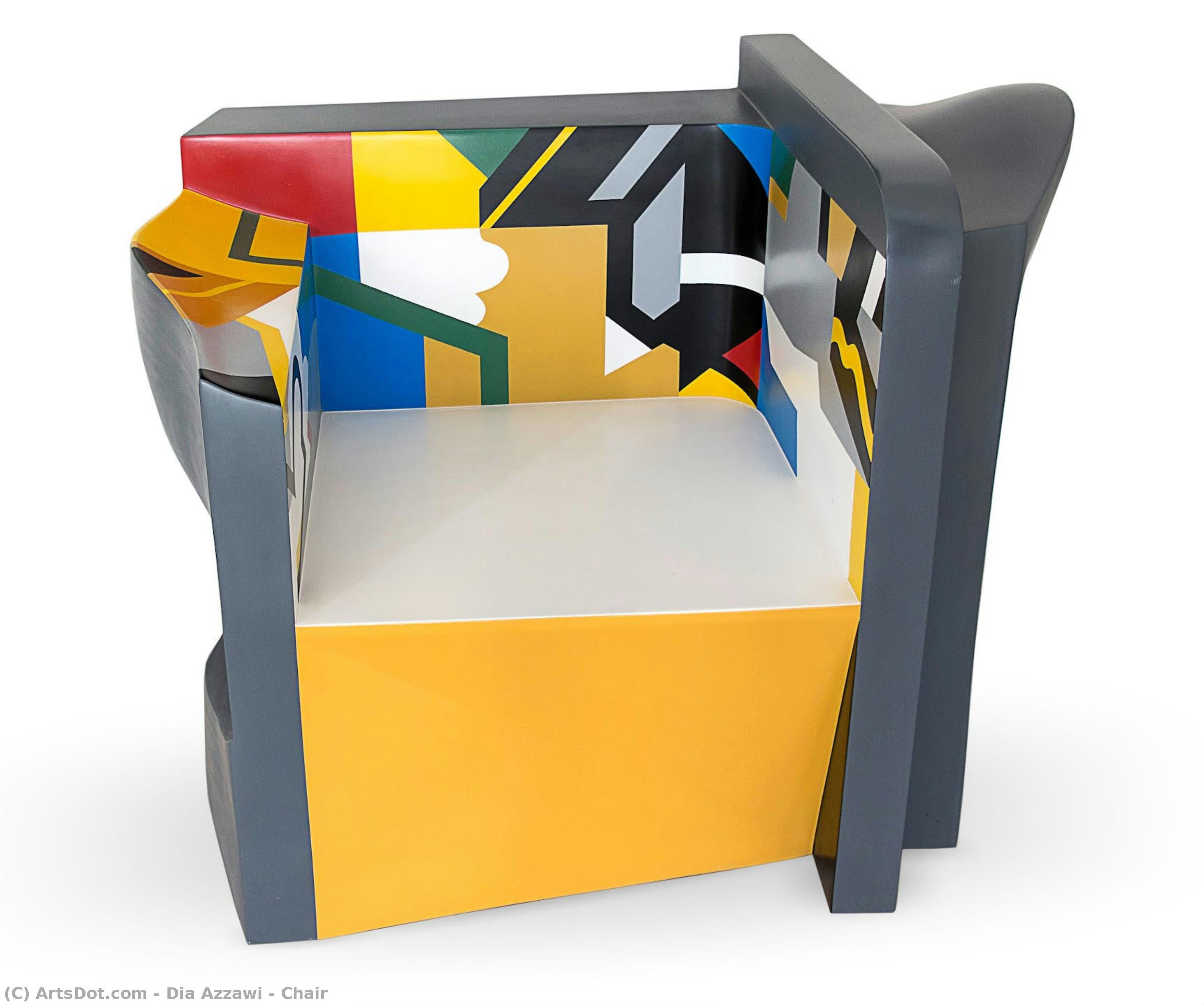
Chair
 Oil On Canvas
- WallArt
- Cubism
 2008
2008 77.0 x 76.0 cm
 Ibrahimi Collection
 Ver mais
Giclée / Impressão de Arte
Impressão giclée ou em tela de qualidade de museu, com produção rápida e opções flexíveis de acabamento. ( Encomendar reprodução pintada à mão Comprar imagem em alta resolução)




P118B $10

P118H $10

P118W $10

P438Z $10

P508JH $12

P508YH $12

P805H $10

P805Z $10

P919BZ $10

P919G $10

P919XJ $10

P959ZH $10

P968JZ $12

W106C $8

W218G $10

W218JH $8

W218Y $10

W307PJ $10

W316G $10

W316PJ $8

W316Y $10

W398PJ $8

W4111J $10

W500HY $15

W500JH $15

W692G $12

W849H $8

W940BG $15

W953PJ $8




Escolha entre os nossos tamanhos pré-definidos que respeitam as proporções originais da obra de arte.

Você pode inserir suas próprias dimensões para se ajustar a uma moldura ou espaço específico. Se o tamanho selecionado não corresponder às proporções da imagem original, iremos recortar a obra de arte ou estender a imagem com uma borda espelhada ou preenchimento sólido. Um mockup digital será enviado para sua aprovação antes do início da produção.
Por favor, observe que a visualização na tela não reflete o recorte ou a extensão real. Apenas o mockup mostrará com precisão a composição final.
Embora tamanhos personalizados estejam disponíveis, recomendamos selecionar uma dimensão da lista predefinida para preservar as proporções originais.
Entrega mundial () em 2 semanas, em vez das 4/5 semanas padrão. (19 Agosto)

Envio Expresso Gratuito para todo o Mundo

Tela de Linho Premium

Seguro de transporte total

Garantia de Reembolso de Impostos Alfandegários

Garantia de Fidelidade de Cor

Política de Devolução de 60 Dias (Apenas para Defeitos)

Garantia de reembolso de 100%

Desconto para múltiplas unidades
 A opção de vidro está disponível apenas para tamanhos inferiores a 110 cm

Chair
Giclée / Impressão de Arte
Dimensões da Reprodução
-


Preço Total
$ 80
Descrição do Item
The Geometry of Being: Deconstructing Form in Dia al-Azzawi's "Chair"
To stand before Dia al-Azzawi’s Chair is not merely to observe an object, but to witness a profound intellectual dismantling of perception itself. This piece transcends the mere function of furniture; it becomes a vibrant meditation on structure, viewpoint, and the very act of seeing. The artist has taken something utterly commonplace—a chair—and subjected it to the rigorous, exhilarating logic of Cubism. What greets the eye is not the comforting solidity of reality, but an energetic constellation of overlapping planes and sharp, defined angles. It forces the viewer into a dynamic relationship with the canvas, suggesting that any single viewpoint is inherently incomplete.
A Dialogue Between Culture and Modernism
Dia al-Azzawi’s artistic journey is deeply rooted in the rich, complex tapestry of Mesopotamian culture, yet his language speaks fluently in the dialect of global modernism. Born in Baghdad, his formative years provided him with an innate understanding of deep symbolism drawn from ancient civilizations. When he engages with a style like Cubism—a movement born from early 20th-century European upheaval—it is never a mere imitation. Instead, it becomes a powerful synthesis. The fragmentation seen here echoes the historical turbulence that has shaped his homeland; it suggests resilience found within deconstruction. The chair, therefore, carries the weight of cultural memory, rendered through a lens of geometric dynamism.
Technique and Visual Energy
The execution is masterful in its apparent simplicity and profound complexity. Al-Azzawi employs a palette that sings with bold, unmodulated primary and secondary colors. There is no gentle blending here; instead, the paint is applied in flat, graphic planes, allowing each geometric facet to assert its presence independently. This technique emphasizes line—the sharp delineation between one plane and the next—creating an optical vibration across the surface. The overall effect is startlingly vibrant, a controlled explosion of color contained within the rigid framework of abstraction. It speaks to a painter who commands both technical precision and emotional abandon.
Symbolism and Emotional Resonance for the Collector
For the collector or designer seeking an anchor piece that sparks conversation, Chair offers immense depth. Symbolically, the work invites contemplation on multiple perspectives—the idea that truth, like a chair viewed from every angle, is multifaceted. Emotionally, the painting pulses with energy; it is intellectually stimulating and visually exhilarating. Reproducing this artwork allows one to bring this controlled burst of sophisticated energy into a contemporary space. It functions as both a brilliant piece of abstract art and a thoughtful cultural artifact, suggesting that even the most mundane aspects of life can be elevated to realms of profound artistic inquiry.
Biografia do Artista
A Life Forged in Mesopotamian Echoes
Dia al-Azzawi, born in Baghdad in 1939, is more than just a painter; he’s a visual poet of the Arab world, an artist inextricably linked to the turbulent history and enduring cultural heritage of Iraq. His formative years unfolded amidst profound political and social change – a backdrop that deeply informed his artistic vision. From early childhood experiences steeped in Iraqi folklore and the majestic remnants of Mesopotamia’s ancient civilizations, al-Azzawi developed an acute sensitivity to symbolism and narrative. This foundation led him to the Institute of Fine Arts in Baghdad, where he mastered technical skills while absorbing the currents of art history – a knowledge base he brilliantly synthesized with his unique aesthetic language. Even then, it was clear that al-Azzawi wasn’t simply replicating existing styles; he sought to excavate and revitalize the visual culture of his ancestors.The Birth of a Distinctive Vision
Al-Azzawi's artistic journey began with explorations in abstract expressionism, but this phase proved merely a stepping stone towards something far more distinctive. He quickly gravitated toward an innovative style that boldly integrated Arabic calligraphy into his compositions. This wasn’t mere ornamentation; it was a deliberate act of reclamation – a powerful assertion of Arab identity within the global art landscape. Al-Azzawi became a central figure in the *Hurufiyya* movement, a collective endeavor to liberate Arabic letters from their traditional linguistic function and explore their inherent aesthetic potential as abstract forms. His canvases began to pulse with the energy of ancient scripts, transformed into dynamic shapes and patterns that resonated with both historical weight and contemporary relevance. The palette he employed was often vibrant and emotionally charged, reflecting not only his personal intensity but also a deep engagement with the political realities surrounding him. He didn’t shy away from confronting difficult themes; instead, he channeled them into works of profound beauty and unsettling power.Forging New Paths: The New Vision Group
In 1963, recognizing the need for a more progressive artistic voice in Iraq, al-Azzawi co-founded the New Vision group (Jama’at al-Ru’ya al-Jadida). This collective of Iraqi artists aimed to break free from conventional norms and modernize Arab art. It was a bold undertaking, challenging established institutions and advocating for experimentation. Al-Azzawi’s leadership within the group proved instrumental in fostering a vibrant artistic community and inspiring a new generation of creatives. The New Vision group wasn’t simply about stylistic innovation; it was about redefining what it meant to be an Arab artist in a rapidly changing world, forging a path toward greater cultural autonomy and self-expression. Through exhibitions, publications, and collaborative projects, they sought to elevate the profile of modern Iraqi art both domestically and internationally.Themes of Heritage, Conflict, and Exile
Throughout his prolific career, Dia al-Azzawi has consistently addressed themes of heritage, identity, conflict, and exile – subjects deeply resonant with the experiences of the Arab world. His work serves as a poignant reflection of the political turmoil and social upheaval that have marked Iraq’s history and continue to shape its present. He masterfully navigates diverse media – painting, sculpture, printmaking, and digital art – demonstrating an unwavering commitment to artistic innovation. Notable works like “Amin Hasanain Al-Ibrahimy,” a moving tribute to the renowned Iraqi poet, and the harrowing “Nasheed Al Jassad (Bodily Anthem) Tel el Zaatar” series, commemorating the victims of the Tel al-Zaatar refugee camp massacre in Lebanon, stand as powerful testaments to his artistic conscience. His collaborative spirit is also evident in projects like the Nabu Museum in Lebanon, a testament to his dedication to preserving and promoting Arab art and culture for future generations.A Legacy Etched in Calligraphy and Courage
Today, Dia al-Azzawi is rightfully regarded as one of the most important and influential artists of the modern Arab world. His pioneering use of Arabic calligraphy, coupled with his unflinching exploration of complex socio-political themes, has left an indelible mark on subsequent generations of artists. Though he now resides in London, he remains a vital voice in contemporary art, continuing to advocate for Arab artistic expression on a global stage. His work is exhibited internationally and held in numerous prestigious collections, solidifying his place as a significant figure not only within the context of Middle Eastern art but also within the broader narrative of global art history. Dia al-Azzawi’s legacy isn't just about aesthetic innovation; it’s about courage – the courage to confront difficult truths, to reclaim cultural identity, and to use art as a powerful tool for social change.
Dia al-Azzawi
1939 - , Iraque
Informações Rápidas
- Artistic Movement Or Style: Hurufiyya, Expressionismo Abstrato
- Artists Or Movements Influenced By This Artist: ['Artistas modernos árabes']
- Date Of Birth: 1939
- Full Name: Dia al-Azzawi
- Nationality: Iraquês
- Notable Artworks:
- Amin Hasanain Al-Ibrahimy
- Nasheed Al Jassad
- Pleasure to the Eye
- We Are Not Seen But Corpses
- Place Of Birth: Bagdá, Iraque
Artigos Relacionados

Abstração Geométrica: 10 Obras-Primas que Moldaram a Arte Moderna | OriginalUniqueArt.com
Descubra as 10 obras-primas da Abstração Geométrica que revolucionaram a arte moderna! Explore Kandinsky, Mondrian e outros artistas icônicos. Encontre reproduções de alta qualidade para decorar sua casa com OriginalUniqueArt.com.
Beyond Form & Color: Geometric Abstraction's Enduring Legacy in Art History
Explore the captivating world of geometric abstraction! Discover its origins, key artists like Malevich & Mondrian, and why this movement remains highly valued by art collectors today. Expert insights at OriginalUniqueArt.

Neo-Abstract Art: The High-Impact Evolution of Modern Visual Energy and Geometric Sophistication
Discover the power of Neo-Abstract art. Explore how bold geometric forms and high-impact visual energy are redefining modern design. Learn to curate sophisticated, high-energy spaces with the latest trends in contemporary abstraction and structural color.

Beyond Form & Color: Geometric Abstraction's Evolution in 20th/21st Century Art
Explore the evolution of geometric abstraction from Cubism to contemporary art. Discover key artists like Malevich & Mondrian, investment insights, and expert collecting advice at OriginalUniqueArt.

Kandinsky: As 25 Obras-Primas que Definem o Abstracionismo | OriginalUniqueArt
Descubra as 25 obras-primas de Wassily Kandinsky, pioneiro da arte abstrata! Explore a história, cores e significado por trás de cada pintura. Encontre reproduções de alta qualidade e inspire sua decoração em OriginalUniqueArt.com.