() ·

Uma pintura feita para você, à mão

The Surgeon

Reprodução em Óleo Feita à Mão

Óleo sobre tela pintado à mão no tamanho e moldura de sua escolha, feito sob encomenda pelos nossos artistas. ( Alternar para Impressão Alternar para Imagem Digital)

Descrição do Item

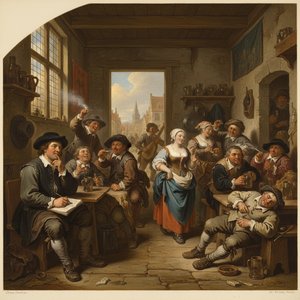
David Teniers the Younger's "The Surgeon" (1670s) captures a bustling 17th-century medical scene with remarkable detail and realism, showcasing Flemish genre painting at its finest.

Biografia do Artista

David Teniers, o Jovem (1610-1690): Mestre flamengo do Barroco em cenas de gênero e paisagens. Um artista influente!

de ·

Capítulo 1

Qual deve ser o tamanho?

Deslize para alterar o tamanho; a imagem à esquerda mostra a moldura em sua largura real. As proporções originais são mantidas.

Tamanho padrão
personalizado
CM
INCH

Escolha entre os nossos tamanhos pré-definidos que respeitam as proporções originais da obra de arte.

largura
altura

Insira a largura e a altura desejadas para se ajustarem à sua moldura ou parede. Como esta obra é pintada à mão, para um tamanho com proporções diferentes, o artista poderá pintar um pouco mais ao redor da imagem ou reduzir ligeiramente a composição — você escolhe. Enviamos uma maquete digital para sua aprovação antes de iniciar a pintura. A imagem exibida nesta página não representa o resultado real — apenas a maquete mostra o resultado final.

Capítulo 2

Como deve chegar?

Escolha as bordas da tela esticada

Escolha sua moldura

Corner sample of the WhiteWrap canvas edge finish, stretched on madeira maciça bars
Branco €1
Corner sample of the BlurSideWrap canvas edge finish, stretched on madeira maciça bars
Bordas esfumaçadas €1
Corner sample of the ExtendedWrap canvas edge finish, stretched on madeira maciça bars
Bordas estendidas €1
Corner sample of the P118B picture frame: poliestireno moldado, 5 cm wide and 3 cm thick
P118B €10
Corner sample of the P118H picture frame: poliestireno moldado, 5 cm wide and 3 cm thick
P118H €10
Corner sample of the P118W picture frame: poliestireno moldado, 5 cm wide and 3 cm thick
P118W €10
Corner sample of the P438Z picture frame: poliestireno moldado, 5.5 cm wide and 3.5 cm thick
P438Z €10
Corner sample of the P508JH picture frame: poliestireno moldado, 7 cm wide and 3.5 cm thick
P508JH €12
Corner sample of the P508YH picture frame: poliestireno moldado, 7 cm wide and 3.5 cm thick
P508YH €12
Corner sample of the P805H picture frame: poliestireno moldado, 5 cm wide and 3.5 cm thick
P805H €10
Corner sample of the P805Z picture frame: poliestireno moldado, 5 cm wide and 3.5 cm thick
P805Z €10
Corner sample of the P919BZ picture frame: poliestireno moldado, 7 cm wide and 3.5 cm thick
P919BZ €10
Corner sample of the P919G picture frame: poliestireno moldado, 7 cm wide and 3.5 cm thick
P919G €10
Corner sample of the P919XJ picture frame: poliestireno moldado, 7 cm wide and 3.5 cm thick
P919XJ €10
Corner sample of the P959ZH picture frame: poliestireno moldado, 5 cm wide and 3 cm thick
P959ZH €10
Corner sample of the P968JZ picture frame: poliestireno moldado, 6 cm wide and 4 cm thick
P968JZ €12
Corner sample of the W106C picture frame: madeira maciça, 5 cm wide and 3 cm thick
W106C €8
Corner sample of the W218G picture frame: madeira maciça, 5 cm wide and 3 cm thick
W218G €10
Corner sample of the W218JH picture frame: madeira maciça, 5 cm wide and 3 cm thick
W218JH €8
Corner sample of the W218Y picture frame: madeira maciça, 5 cm wide and 3 cm thick
W218Y €10
Corner sample of the W307PJ picture frame: madeira maciça, 6 cm wide and 3 cm thick
W307PJ €10
Corner sample of the W316G picture frame: madeira maciça, 6 cm wide and 3 cm thick
W316G €10
Corner sample of the W316PJ picture frame: madeira maciça, 6 cm wide and 3 cm thick
W316PJ €8
Corner sample of the W316Y picture frame: madeira maciça, 6 cm wide and 3 cm thick
W316Y €10
Corner sample of the W398PJ picture frame: madeira maciça, 5 cm wide and 3 cm thick
W398PJ €8
Corner sample of the W4111J picture frame: madeira maciça, 6.5 cm wide and 3.5 cm thick
W4111J €10
Corner sample of the W500HY picture frame: madeira maciça, 7 cm wide and 5 cm thick
W500HY €15
Corner sample of the W500JH picture frame: madeira maciça, 7 cm wide and 5 cm thick
W500JH €15
Corner sample of the W692G picture frame: madeira maciça, 8 cm wide and 4 cm thick
W692G €12
Corner sample of the W849H picture frame: madeira maciça, 5 cm wide and 3 cm thick
W849H €8
Corner sample of the W940BG picture frame: madeira maciça, 7.5 cm wide and 4.5 cm thick
W940BG €15
Corner sample of the W953PJ picture frame: madeira maciça, 6 cm wide and 3.5 cm thick
W953PJ €8
Corner sample of the H24-GOLD picture frame: madeira entalhada com gesso, 10 cm wide and 6 cm thick
H24-GOLD €30
Corner sample of the H24-SILVER picture frame: madeira entalhada com gesso, 10 cm wide and 6 cm thick
H24-SILVER €30
Corner sample of the H36-GOLD picture frame: madeira entalhada com gesso, 15 cm wide and 6.5 cm thick
H36-GOLD €45
Corner sample of the H36-SILVER picture frame: madeira entalhada com gesso, 15 cm wide and 6.5 cm thick
H36-SILVER €45
Prévia da moldura
Com moldura

Moldura: . Dimensões totais com a moldura: .

Capítulo 3

Quem o pinta, e deveria algo mudar?

Exemplos do que pode ser alterado: Substituir o rosto pela foto do cliente; Adicionar um animal de estimação (ex: substituir gato por cachorro); Incluir uma mensagem oculta no fundo; Alterar a paisagem ou elementos do fundo.
Após o pedido, a equipe da OriginalUniqueArt.com enviará um e-mail ao cliente para instruções e fornecerá uma prévia da montagem

Entrega mundial () em 3 a 4 semanas, em vez das 5 semanas padrão. (7 Novembro). Sem comprometer a qualidade.

Capítulo 4

Os retoques finais

Uma placa de identificação, como em um museu?

Detalhes da Placa de Bronze Gravada

This elegant plaque features the artist's name and the title of the artwork, finely engraved for a timeless presentation.

It is made from bronze with a refined, elegant finish. The text is precisely laser-engraved for a sharp and permanent result. Measuring 9x2 cm, the plaque is compact yet easy to read. It's built to be durable and scratch-resistant, offering a professional, museum-quality look. Mounting is simple thanks to the included adhesive backing.

Detalhes da Placa de Acrílico Transparente

The plaque includes essential engraved details such as the artist's name, the title of the artwork, the date it was created, the type of media used-like oil on canvas or watercolor-a brief description of the piece, and a QR code that links to the complete artwork information.

It is crafted from clear acrylic, offering a sleek, modern appearance. The text is UV-engraved in black to ensure strong visual contrast. With a size of 10x15 cm, it ensures optimal readability. It comes equipped with two metal hooks for secure wall mounting. The plaque is designed to be weather-resistant, making it suitable for various environments, and it includes interactive features that work seamlessly with smartphone scanning.

Detalhes da Placa de Acrílico Preto

This elegant plaque includes engraved information such as the artist's name, the title of the artwork, the date it was created, the type of media used (like oil on canvas or watercolor), a short description of the artwork, and a QR code for quick access to more information.

The plaque itself is made from refined black acrylic with a premium finish. The text is laser-engraved in white for high contrast and readability. Its size is 10x15 cm, designed to be easy to read. It comes with two metal hooks for professional mounting. The design is sleek and fits any interior style. It is also weather-resistant and durable, with built-in digital integration for mobile compatibility.

Um verniz protetor?

Para quando você precisa?

Capítulo 5

A sua pintura, conforme encomendada

The Surgeon

Técnica de Reprodução

Tamanho da Reprodução

-

Artista Sênior de Elite

Mais detalhes, refinamento e tempo de produção adicional

-

Moldura para Reprodução

-

-

Para obras de arte ou reproduções com mais de 105 cm (aproximadamente 41 polegadas) em qualquer um dos lados, a moldura será enviada como um kit desmontado. Este método garante uma entrega segura e evita danos durante o transporte.

Montagem profissional necessária — este não é um produto DIY (faça você mesmo).
O kit deve ser montado e a tela esticada por um profissional de molduraria experiente, utilizando cola de madeira (não inclusa), um alicate de esticar tela e grampos para manter as travessas alinhadas enquanto a cola seca. A montagem incorreta ou a tensão desigual da tela podem danificar permanentemente a obra de arte e não estão cobertas pela nossa garantia.

  • Todas as barras de madeira maciça estão incluídas, precisamente cortadas ao tamanho certo.

  • Montado com os parafusos fornecidos, além de cola para madeira para as junções dos cantos, que não está inclusa e deve ser providenciada pelo seu moldurista.

  • São necessárias ferramentas profissionais não incluídas: um alicate de estiramento de tela (esticador) e grampos para manter as ripas alinhadas enquanto a cola seca.

Importante:
As junções dos cantos requerem cola para madeira, as ripas devem ser mantidas com grampos até que a cola esteja completamente seca, e o estiramento da tela na moldura montada requer um alicate de esticar tela. Nenhum destes itens está incluído no kit. Por favor, certifique-se de contar com um profissional de molduraria experiente antes de encomendar este tamanho.

Etiqueta de identificação

-

-

Verniz de Proteção

Verniz brilhante (realça as cores e protege contra a luz e a umidade)

-

Personalizar minha obra

Exemplos de alterações possíveis: Substituir o rosto por uma foto do cliente; Adicionar um animal de estimação (ex.: substituir gato por cachorro); Incluir uma mensagem oculta no fundo; Alterar a paisagem ou os elementos do fundo.

-

Urgente

Entrega mundial () em 3 a 4 semanas, em vez das 5 semanas padrão. (7 Novembro). Sem comprometer a qualidade.

-

Envio Expresso

Entrega mundial para em 5 semanas. (14 Novembro).

Com envio incluído

Preço Total

€ 446

Preço Total € 446

A opção de vidro está disponível apenas para tamanhos inferiores a 110 cm

Incluído em todos os pedidos

  • Envio expresso gratuito para todo o mundo
  • Tela de Linho de Alta Qualidade
  • Seguro de transporte completo
  • Garantia de Reembolso de Impostos Alfandegários
  • Garantia de Fidelidade Cromática
  • Política de Devolução em 100 Dias (Apenas para Defeitos)
  • Garantia de reembolso de 100%
  • Oferta de desconto por quantidade

A Glimpse into a World of Healing and Observation

David Teniers the Younger’s “The Surgeon,” painted around 1670, isn't merely a depiction of a medical scene; it’s a meticulously rendered snapshot of daily life within a bustling apothecary and surgical workshop. The painting immediately draws the eye into a crowded room filled with figures engaged in various activities – a surgeon intently focused on his patient, assistants tending to instruments, and onlookers observing the procedure. This isn't a grand portrait of heroic medicine; instead, it offers an intimate, almost voyeuristic view of the practical realities of medical practice during the Dutch Golden Age. The composition is deliberately dense, reflecting the organized chaos inherent in a working environment where life and death were intimately intertwined.

The scene unfolds within a space defined by earthy tones – browns, ochres, and muted greens dominate the palette, lending an air of realism and groundedness to the portrayal. Subtle touches of red appear in clothing and bandages, providing visual contrast and drawing attention to the act of healing itself. Teniers’ masterful use of hatching and cross-hatching creates a remarkable sense of texture, from the rough wool of garments to the smooth surfaces of porcelain jars filled with medicinal ingredients. The artist skillfully employs light – primarily emanating from a window on the left – to sculpt forms and cast shadows, adding depth and drama to the composition. The limited perspective, while somewhat flattened, effectively guides the viewer’s eye through the crowded room, emphasizing key figures and details.

The Artist's Hand: Technique and Style

“The Surgeon” is a prime example of David Teniers the Younger’s signature style – a blend of meticulous observation and genre painting. He was renowned for his ability to capture the nuances of everyday life, imbuing even mundane scenes with a sense of vitality and interest. The brushwork is visible yet controlled, contributing to the overall realism of the piece. Notice how Teniers renders the folds in clothing, the textures of skin, and the details of surgical instruments – each element meticulously rendered with careful attention to detail. The painting’s foundation lies in oil paints applied to canvas, a technique that allowed for layering and blending, creating rich colors and subtle gradations of tone.

Furthermore, Teniers' work reflects the influence of his mentor, Peter Paul Rubens, particularly in his use of vibrant color and dynamic composition. However, unlike Rubens’ grand historical scenes, Teniers focused on capturing the immediacy of a domestic setting. The painting is not just a record of events; it’s an invitation to step into a world where medicine was practiced within the familiar confines of a workshop, alongside the rhythms of daily life.

Symbolism and Context: A Window into 17th-Century Medicine

Beyond its immediate visual appeal, “The Surgeon” offers a fascinating glimpse into the cultural attitudes surrounding medicine during the 17th century. The presence of anatomical tools, surgical instruments, and even a monkey – often associated with alchemy and medical knowledge – hints at the prevailing fascination with the human body and the pursuit of healing. Skulls are also present, serving as stark reminders of mortality and the fragility of life. These elements collectively evoke a sense of both wonder and apprehension regarding the practice of medicine.

The painting’s historical context is crucial to understanding its significance. During this period, medical knowledge was still evolving, often blending traditional remedies with emerging scientific discoveries. The scene depicted reflects the collaborative nature of medical care, where surgeons relied on assistants and apprentices to aid in their procedures. “The Surgeon” isn't a celebration of surgical prowess; it’s a testament to the shared experience of healing within a community.

A Timeless Masterpiece: Reproduction and Legacy

David Teniers the Younger’s “The Surgeon” remains a captivating work of art, offering a rare glimpse into the world of 17th-century medicine. Reproductions capture the painting's rich detail and evocative atmosphere, making it an ideal addition to any home or office. Its enduring appeal lies in its ability to transport viewers back in time, inviting them to contemplate the complexities of human health, knowledge, and the ever-present pursuit of healing.

Perguntas e Respostas

Como posso visualizar "The Surgeon", de David Teniers, O Jovem em formato de apresentação de slides?

O diaporama de "The Surgeon" pode ser visualizado na página Apresentação de imagens da obra.

Qual é a técnica utilizada em "The Surgeon", de David Teniers, O Jovem?

"The Surgeon" é executada em Oil On Canvas.

Onde posso encontrar estatísticas sobre "The Surgeon", de David Teniers, O Jovem?

As estatísticas sobre "The Surgeon", de David Teniers, O Jovem encontram-se na página de Estatísticas da obra: visitas mensais da obra, visitas às obras do artista e o detalhamento por país e idioma dos visitantes recentes.

Saiba mais sobre esta pintura

Visualizar na parede Visualizar em RA Alternar para Impressão Alternar para Imagem Digital Compartilhar
Detalhes Guia Adicionar aos favoritos Baixar imagem Semelhantes Raio X Ver diaporama Perguntas e Respostas Estatísticas

Em números

  • 1670o ano em que foi pintada
  • 29molduras para escolher
  • tamanhos padrão, em suas próprias proporções
  • 5semanas para pintar e entregar
David Teniers, O Jovem

David Teniers, O Jovem

1610 - 1690, Bélgica

Informações rápidas sobre David Teniers, O Jovem

  • Date Of Birth: 1610
  • Date Of Death: 1690
  • Place Of Birth: Antuérpia, Bélgica
  • Place Of Death: Bruxelas, Bélgica
  • Birth Date: 1610
  • Birth Place: Antuérpia, Bélgica
  • Death Date: 1690
  • Influenced By: Adriaen Brouwer, Adam Elsheimer, Peter Paul Rubens
  • Movement: Barroco
  • Name: David Teniers, O Jovem
  • Nationality: Flamengo
  • Notable Works:
    • Dois Bêbados
    • Cena de Aldeia
    • Cena de Cozinha
    • Kermess Flamenga

Biografia do Artista

Primeiros Anos e Origens Familiares

  • Nascimento: Antuérpia, então parte dos Países Baixos Espanhóis, batizado em 15 de dezembro de 1610.
  • David Teniers, O Jovem, provinha de uma família profundamente enraizada na tradição artística de Flandres. Seu pai, David Teniers, o Velho, também era pintor, e seus irmãos mais novos, Juliaan, Theodoor e Abraham, seguiram o mesmo caminho artístico.
  • Formação: Estudou sob a tutela de seu pai a partir de 1626, onde recebeu sua formação fundamental em técnicas e estilos de pintura.
  • Seu pai enfrentava frequentes dívidas, chegando a ser preso por elas; por isso, o jovem David realizava cópias de pinturas de mestres antigos para ajudar no sustento da família.
  • Guilda de Antuérpia: Tornou-se mestre na Guilda de Santo Lucas de Antuérpia entre 1632 e 1633, servindo como seu decano no período de 1644–1645.

Desenvolvimento Artístico e Influências

  • Influências Iniciais: Sua obra primitiva seguia as pequenas pinturas de gabinete de seu pai e, através dele, o exemplo de Adam Elsheimer. Até o final da década de 1630, suas telas eram muito próximas às de Adriaen Brouwer em termos de temática, técnica, cor e composição.
  • O Círculo de Rubens: Em 1637, casou-se com Anna Brueghel, filha de Jan Brueghel, o Velho. Peter Paul Rubens, que fora tutor dela após a morte do pai, foi testemunha do matrimônio, integrando Teniers ao círculo dos principais pintores de Antuérpia.
  • Especialização em Gênero: Gradualmente, Teniers especializou-se na pintura de gênero — representações da vida cotidiana — tornando-se renomado por suas cenas vibrantes de festas camponesas (kermesses), interiores de tavernas e paisagens de aldeia.

Principais Obras e Estilo Artístico

  • Cenas de Gênero: Suas obras mais celebradas são as pinturas de gênero, que frequentemente retratam cenas movimentadas da vida camorrista, repletas de alegria, danças, bebidas e jogos.
  • Pinturas de Kermess: Festividades rurais como A Kermess Flamenga exemplificam seu estilo — cores vibrantes, composições detalhadas e uma observação aguçada do comportamento humano.
  • Interiores de Tavernas: Suas cenas de taverna são particularmente notáveis pelo retrato realista da vida cotidiana e pela atmosfera vívida dentro desses estabelecimentos.
  • Além da Aldeia: Ele também pintou paisagens, cenas de quartéis, alquimistas e médicos em trabalho, além das espirituosas singeries, nas quais macacos encenam assuntos humanos.
  • Pinturas de Galerias: Suas visões da galeria de quadros do Arquiduque, com paredes repletas de obras-primas identificáveis, tornaram-no uma figura central deste gênero distintamente flamengo.

Pintor da Corte e Curador

  • Serviço ao Arquiduque Leopoldo Guilherme: Por volta de 1650, Teniers mudou-se para Bruxelas para servir ao Arquidulação Leopoldo Guilherme, Governador dos Países Baixos Espanhóis, como pintor da corte e guardião de sua coleção de arte.
  • Gestão de Coleção: Ele auxiliou o Arquiduque na aquisição de obras-primas, incluindo pinturas da dispersa coleção real inglesa e da coleção Hamilton. A coleção cresceu para cerca de 1.300 obras, formando posteriormente a base do Kunsthistorisches Museum em Viena.
  • Theatrum Pictorium: Publicado em Bruxelas em 1660, reproduziu 246 pinturas italianas da coleção do Arquiduque através de gravuras — o primeiro catálogo ilustrado de uma coleção de mestres antigos.
  • Pupilos: Acredita-se que Gillis van Tilborgh tenha treinado com ele em Bruxelas e, mais tarde, ocupou o mesmo cargo de guardião da coleção da corte.
  • Vida Posterior: Após a morte de Anna, casou-se com Isabella de Fren em 1656. Ele chegou a peticionar ao rei da Espanha por um título de nobreza, mas desistiu quando foi informado de que teria que interromper a venda de suas pinturas.
  • A Academia de Antuérpia: Teniers foi o grande impulsionador da fundação da Academia de Belas Artes em Antuérpia, obtendo sua carta régia em 1663, com o objetivo de revitalizar a pintura flamenga após as mortes de Rubens e Van Dyck.

Significância Histórica e Legado

  • Líder da Pintura de Gênero: David Teniers, O Jovem, é considerado o principal pintor de gênero flamengo de sua época, capturando a essência da vida do século XVII com uma habilidade extraordinária.
  • Influência em Artistas Posteriores: Seu trabalho influenciou gerações subsequentes de pintores do norte da Europa e chegou a impactar artistas do Rococó francês, como Antoine Watteau.
  • Produção Prolífica: Teniers foi um artista incrivelmente prolífico, produzindo um vasto corpo de obras que continua sendo admirado por seu charme, detalhamento e percepção histórica.
  • Morte: Faleceu em Bruxelas em 25 de abril de 1690, deixando um legado duradouro como um dos mais importantes pintores barrocos de Flandres.

Informações Rápidas

  • Artistic style: Realism, detailed observation
  • Year: 1670
  • Title: The Surgeon
  • Medium: Oil on canvas
  • Artist: David Teniers the Younger

Quiz de Arte

Cada pergunta possui apenas uma resposta correta.

Pergunta 1:
What is the primary subject matter depicted in ‘The Surgeon’?
Pergunta 2:
The painting ‘The Surgeon’ is characteristic of which artistic movement?
Pergunta 3:
According to the description, what is a prominent feature of the painting’s color palette?
Pergunta 4:
David Teniers the Younger was primarily known for his work in which genre?
Pergunta 5:
What technique is most evident in the rendering of textures within ‘The Surgeon’?