Visualizar em escala
 Enviar
 Compartilhar
 Ver detalhes
 Guia de Obras do Aluno

 Baixar imagem
 Semelhantes
 Raio X
 Apresentação de slides
 Estatísticas
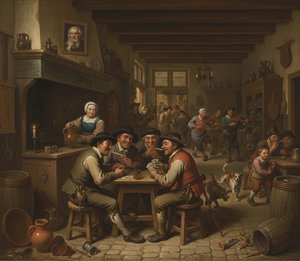
The Kitchen
 Acrylic On Canvas
- WallArt
- Baroque
 1646
1646 171.0 x 237.0 cm
 Museu Hermitage
 Ver mais
Reprodução em Óleo Feita à Mão
Óleo sobre tela pintado à mão no tamanho e moldura de sua escolha, feito sob encomenda pelos nossos artistas. ( Alternar para Impressão Ver Imagem Digital)




P118B €10

P118H €10

P118W €10

P438Z €10

P508JH €12

P508YH €12

P805H €10

P805Z €10

P919BZ €10

P919G €10

P919XJ €10

P959ZH €10

P968JZ €12

W106C €8

W218G €10

W218JH €8

W218Y €10

W307PJ €10

W316G €10

W316PJ €8

W316Y €10

W398PJ €8

W4111J €10

W500HY €15

W500JH €15

W692G €12

W849H €8

W940BG €15

W953PJ €8




Escolha entre os nossos tamanhos pré-definidos que respeitam as proporções originais da obra de arte.

Digite a largura e a altura de que necessita, para se ajustar à sua moldura ou à sua parede. Esta obra é pintada à mão, por isso, para um tamanho com uma proporção diferente, o artista pode pintar um pouco mais ao redor da imagem ou cortar um pouco — você escolhe. Enviamos-lhe uma maquete digital para aprovação antes de a pintura começar. A imagem exibida nesta página não mostra o resultado real — apenas a maquete mostra.
Após o pedido, a equipa OriginalUniqueArt.com enviará um e-mail ao cliente para solicitar instruções e fornecer uma prévia do esboço.
Entrega mundial () em 3 a 4 semanas, em vez das 5 semanas padrão. (23 Outubro). Sem comprometer a qualidade.

Envio expresso gratuito para todo o mundo

Tela de Linho Premium

Seguro de transporte total

Garantia de Reembolso de Impostos Alfandegários

Garantia de Fidelidade de Cor

Política de Devolução em 100 Dias (Apenas para Defeitos)

Garantia de reembolso de 100%

Desconto para múltiplas unidades
 A opção de vidro está disponível apenas para tamanhos inferiores a 110 cm

The Kitchen
Técnica de Reprodução
Dimensões da Reprodução
-


Preço Total
€ 264
A Snapshot of Everyday Life: David Teniers the Younger’s “The Kitchen”
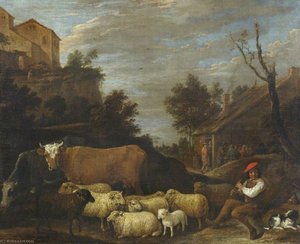
David Teniers the Younger's "The Kitchen," painted in 1646, isn’t merely a depiction of a domestic scene; it’s a vibrant tableau brimming with life, humor, and an astute observation of Flemish society. This remarkable work transcends simple genre painting, offering a glimpse into the heart of a bustling household—a microcosm reflecting the rhythms and relationships of everyday existence. Measuring 171 x 237 cm, the canvas explodes with activity, populated by thirteen individuals engaged in various tasks within a richly detailed kitchen environment. The sheer number of figures, coupled with their diverse interactions – from children playfully chasing birds to adults tending hearths and tables – immediately draws the viewer into this immersive world.
The painting’s Baroque style is evident in its dynamic composition, dramatic lighting, and meticulous attention to detail. Teniers masterfully employs a technique of *alla prima*, working directly onto the wet canvas without underdrawing, resulting in a sense of immediacy and spontaneity. Notice how he captures the textures of rough-hewn wooden furniture, the glint of metal tools, and the folds of fabric with remarkable precision. The artist’s use of color is equally noteworthy – warm earth tones dominate, punctuated by brighter accents that draw attention to key elements within the scene, such as a vibrant red tablecloth or the gleam of copper pots.
A Window into 17th-Century Flanders
To understand “The Kitchen,” it’s crucial to situate it within its historical context. The painting was created during a period of significant artistic and social change in the Netherlands, following the decline of the High Renaissance and the rise of Baroque styles. David Teniers the Younger emerged as a leading figure in this transition, skillfully blending influences from his father's earlier work with contemporary trends. His subject matter often revolved around scenes of rural life, domestic interiors, and tavern gatherings – themes that resonated deeply with the burgeoning middle class.
The inclusion of numerous animals—a dog, two cats, and a flock of birds—adds another layer of interest to the composition. Animals were frequently depicted in Flemish art, often serving as symbols of fertility, abundance, or domesticity. In “The Kitchen,” they seamlessly integrate into the human drama, contributing to the overall sense of lively chaos. The presence of books suggests an appreciation for learning and intellectual pursuits within the household, while the scattered bottles and bowls hint at a life filled with simple pleasures and convivial gatherings.
Symbolism and Social Commentary
Beyond its immediate visual appeal, “The Kitchen” offers subtle insights into 17th-century Flemish society. The scene’s bustling energy reflects the importance of family and community in this era. The various activities taking place—cooking, eating, cleaning, and socializing—highlighted the central role of the home as a focal point for social interaction. The inclusion of both adults and children underscores the multi-generational nature of Flemish households. Furthermore, the painting’s depiction of everyday life provides a valuable glimpse into the material culture and social customs of the time.
Interestingly, Teniers' career was marked by a remarkable versatility. He served as a court painter, a printmaker, and even a curator for Archduke Leopold Wilhelm, demonstrating a broad range of artistic skills and interests. His ability to capture both the grandeur of formal portraits and the intimacy of genre scenes cemented his reputation as one of the most prolific and influential artists of his generation. “The Kitchen” stands as a testament to this remarkable talent, offering a captivating window into a bygone era.
Perguntas e Respostas
Quem criou "The Kitchen" e em que ano?
O autor de "The Kitchen" é David Teniers o Jovem, e a obra data de 1646.
Qual é a tonalidade predominante que percorre "The Kitchen" de David Teniers o Jovem?
A tonalidade dominante de "The Kitchen" de David Teniers o Jovem é Golden Yellow Range. A tonalidade é o tom subjacente da paleta.
"The Kitchen" de David Teniers o Jovem é uma obra de arte conhecida?
"The Kitchen" é classificada como Recognized.
Biografia do Artista
David Teniers the Younger: A Master of Flemish Life
David Teniers the Younger, born in Antwerp on December 15th, 1610, was a pivotal figure in the vibrant artistic landscape of 17th-century Flanders. His life and career were inextricably linked to his family’s rich artistic heritage – his father, David Teniers the Elder, was himself a respected painter, and several siblings followed suit into the world of art. From an early age, young David received invaluable training under his father's tutelage, absorbing not only painting techniques but also the stylistic nuances that would define his own distinctive approach. The family’s financial circumstances were often precarious, leading to a pragmatic solution: David began producing meticulous copies of older masterworks – a testament to both his skill and his family’s resourcefulness. This early experience undoubtedly honed his observational abilities and deepened his understanding of artistic principles.A Painter Shaped by Rubens and Bruegel
Teniers' artistic development was profoundly influenced by two towering figures: Peter Paul Rubens and Jan Brueghel the Elder. His marriage to Anna Brueghel, daughter of Jan Brueghel, brought him into close contact with Rubens, who served as a witness at their wedding – an event that cemented a lasting connection between the artists. Rubens’ dynamic compositions, masterful use of color, and dramatic lighting undoubtedly left an indelible mark on Teniers' style. Simultaneously, he absorbed the spirit of Jan Brueghel the Elder, particularly in his early works, which often featured smaller-scale cabinet paintings depicting idyllic scenes of rural life. This combination of influences – Rubens’ grandeur and Brueghel’s earthy realism – formed the bedrock of Teniers’ artistic vision. He skillfully blended these elements, creating a unique style characterized by both elegance and warmth.The Rise of Genre Painting: Peasant Festivals and Tavern Scenes
Teniers distinguished himself as one of the foremost practitioners of genre painting in Flanders during his era. Rather than focusing on grand historical narratives or religious subjects, he turned his attention to the everyday lives of ordinary people – peasants, farmers, tavern patrons, and village residents. His paintings are brimming with life, capturing the boisterous energy of peasant festivals (kermesses), the convivial atmosphere of taverns, and the simple pleasures of rural existence. These scenes were rendered with remarkable detail and a keen eye for human behavior; he wasn’t merely depicting events but conveying the spirit and character of his subjects. The “Flemish Kermess” series stands as a prime example of this style – vibrant colors, intricate compositions, and a palpable sense of joy and merriment. He also excelled at capturing the details of tavern interiors, portraying them with an honesty that revealed both the beauty and the rough edges of these vital community spaces.Court Painter and Curator: A Patron’s Vision
Teniers' artistic reputation reached its zenith when he was appointed as a court painter and curator for Archduke Leopold Wilhelm, the powerful Governor General of the Spanish Netherlands. This appointment marked a significant turning point in his career, providing him with access to considerable wealth and influence. As curator, he was entrusted with managing the Archduke’s vast collection of art, meticulously cataloging and documenting each piece. This role not only enhanced his artistic skills but also exposed him to a wider range of influences and techniques. He further solidified his position by establishing the Antwerp Academy of Fine Arts in 1680, an institution dedicated to training young artists in the traditions of Flemish painting – a bold initiative aimed at reviving the region’s artistic heritage after a period of decline following the deaths of Rubens and Van Dyck.A Lasting Legacy: Influence and Artistic Significance
David Teniers the Younger remains one of the most celebrated figures in Flemish Baroque art. His prolific output, encompassing a diverse range of subjects – from historical scenes to landscapes to portraits – demonstrates his versatility as an artist. His work profoundly influenced subsequent generations of Northern European painters, including those working in the Rococo style, such as Antoine Watteau, who admired his ability to capture fleeting moments and evoke a sense of atmosphere. Teniers’ legacy extends beyond his individual works; he embodies the spirit of Flemish painting during a crucial period of transition, bridging the gap between the Mannerist and Baroque eras. He died in Antwerp on April 25th, 1690, leaving behind a rich artistic heritage that continues to captivate viewers today – a testament to his skill, vision, and enduring contribution to the world of art.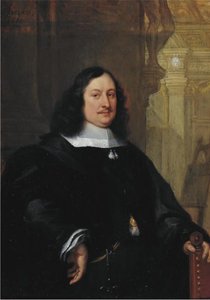
David Teniers o Jovem
1610 - 1690 , Bélgica
Informações Rápidas
- Artistic Movement Or Style: Barroco
- Artists Or Movements Influenced By This Artist: ['Watteau']
- Artists Who Influenced This Artist:
- Rubens
- Brouwer
- Date Of Birth: 1610
- Date Of Death: 1690
- Full Name: David Teniers the Younger
- Nationality: Flemish
- Notable Artworks:
- Kermess
- Taverna
- Paisagem
- Place Of Birth: Antuérpia, Bélgica
Artigos Relacionados
Jacob Jordaens: Baroque Dynamism & Genre Innovation of the Antwerp School
Discover Jacob Jordaens, a leading Flemish Baroque painter renowned for his dynamic compositions & realistic genre scenes. Explore his life, art, and lasting influence with OriginalUniqueArt.
David Teniers the Younger: Genre Painting & Social Commentary in Baroque Flanders
Explore the captivating world of David Teniers the Younger, a leading Flemish Baroque painter. Discover his genre scenes, social commentary, and lasting influence on 17th-century art. Learn about his life, techniques & legacy.
David Teniers II: Master of Flemish Genre & Social Commentary
Explore the captivating world of David Teniers II, a leading Flemish Baroque painter renowned for his lively genre scenes & insightful social commentary. Discover his masterpieces and legacy with OriginalUniqueArt.

The Visceral Stage: Exploring Dramatic Narratives & Emotional Intensity in Baroque Art
Explore the dramatic world of Baroque art! Discover iconic masters like Caravaggio & Rembrandt, their techniques, and the movement's lasting impact. Expert insights for collectors & enthusiasts at OriginalUniqueArt.

Mastering Drama and Light: A Definitive Guide to the Flemish Baroque Art Movement
Explore the dramatic brilliance of the Flemish Baroque movement. Discover how masters like Peter Paul Rubens utilized chiaroscuro and dynamic composition to redefine art history through light, shadow, and unparalleled emotion.