Visualizar na parede
 Compartilhar
 Compartilhar
 Detalhes
 Guia
Guia

 Baixar imagem
 Semelhantes
 Raio X
 Ver diaporama
 Perguntas e Respostas
 Estatísticas
Smoker

- 19.0 x 23.0 cm


 Ler mais
Giclée / Impressão de Arte
Impressão giclée ou em tela de qualidade de museu, com produção rápida e opções flexíveis de acabamento. ( Comprar pintura feita à mão Alternar para Imagem Digital)




P118B €10

P118H €10

P118W €10

P438Z €10

P508JH €12

P508YH €12

P805H €10

P805Z €10

P919BZ €10

P919G €10

P919XJ €10

P959ZH €10

P968JZ €12

W106C €8

W218G €10

W218JH €8

W218Y €10

W307PJ €10

W316G €10

W316PJ €8

W316Y €10

W398PJ €8

W4111J €10

W500HY €15

W500JH €15

W692G €12

W849H €8

W940BG €15

W953PJ €8




Escolha entre os nossos tamanhos pré-definidos que respeitam as proporções originais da obra de arte.

Insira a largura e a altura desejadas para se ajustarem à sua moldura ou parede. Uma impressão pode ser apenas cortada, nunca ampliada além da imagem original; portanto, um tamanho com proporções diferentes resultará na perda de parte da imagem. Enviamos uma maquete digital para sua aprovação antes de realizarmos a impressão. A imagem exibida nesta página não mostra o corte real — apenas a maquete o faz.
Entrega mundial () em 2 semanas, em vez das 4/5 semanas padrão. (7 Novembro)

Envio expresso gratuito para todo o mundo

Tela de Linho de Alta Qualidade

Seguro de transporte completo

Garantia de Reembolso de Impostos Alfandegários

Garantia de Fidelidade Cromática

Política de Devolução em 100 Dias (Apenas para Defeitos)

Garantia de reembolso de 100%

Oferta de desconto por quantidade
 A opção de vidro está disponível apenas para tamanhos inferiores a 110 cm

Smoker
Giclée / Impressão de Arte
Tamanho da Reprodução
-


Preço Total
€ 72
David Teniers the Younger’s “Smoker”: A Window into Seventeenth-Century Flemish Life
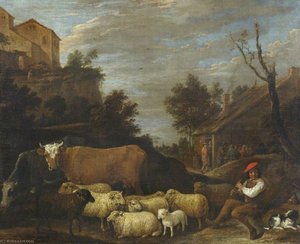
David Teniers the Younger's "Smoker," painted in 1645, offers a remarkably intimate glimpse into the domestic life of 17th-century Flanders. This unassuming genre scene, rendered in a masterful blend of realism and Baroque charm, transcends mere portraiture to become a poignant study of human interaction and the quiet pleasures of everyday existence. Measuring just 19 x 23 cm, the painting’s diminutive scale belies its rich detail and profound observation – it's a testament to Teniers’ skill in capturing fleeting moments and conveying subtle emotional nuances within a confined space.
The central figure is a man seated comfortably in a chair, his legs crossed with an air of relaxed contemplation. He’s deeply engrossed in the act of smoking a pipe, a simple yet significant gesture that immediately draws us into his world. The red hat he wears adds a touch of vibrancy to the predominantly dark palette, hinting at personality and perhaps even social standing. A second figure stands nearby, partially obscured but clearly engaged in conversation with the smoker – their posture suggests a shared moment of camaraderie or perhaps a more formal exchange. This dynamic interaction is crucial; it’s not simply a solitary portrait, but a tableau vivant, a snapshot of human connection.
Baroque Detail and Flemish Tradition
Teniers' style firmly anchors this work within the Baroque tradition, yet he skillfully integrates elements of his earlier training under his father, David Teniers the Elder. The painting is characterized by meticulous detail – observe the textures of the clothing, the worn wood of the chair, and the subtle folds in the fabric. The artist’s use of light and shadow creates a sense of depth and volume, enhancing the realism of the scene. Notice how the light falls across the figures, highlighting their features and casting gentle shadows that add to the painting's atmosphere.
However, Teniers isn’t merely replicating his father’s style; he elevates it with a heightened sense of observation and psychological insight. He captures not just the appearance of the subjects but also hints at their inner lives – the smoker’s contemplative gaze, the listener's attentive posture. This is further reinforced by the inclusion of domestic objects: the vases and bowls scattered around the room are not merely decorative elements; they contribute to the overall sense of a lived-in space, suggesting a comfortable routine and a certain degree of prosperity.
Symbolism and Context
The act of smoking itself carries significant symbolic weight. In 17th-century Flanders, pipe smoking was a common pastime, often associated with leisure, contemplation, and social interaction. It represented a moment of respite from the demands of daily life – a chance to slow down, reflect, and connect with others. The inclusion of multiple objects—the vases, bowls, and the conversation between the figures—further contextualizes the scene, placing it firmly within the domestic sphere.
Considering Teniers’ background as a copyist for wealthy patrons, it's likely that this painting reflects a trend in his work – depicting scenes of everyday life, often with a focus on the middle class. His association with Peter Paul Rubens, particularly through his marriage to Rubens’ daughter Anna Brueghel, undoubtedly influenced his artistic development, introducing him to new techniques and perspectives. The painting stands as a beautiful example of how Teniers skillfully blended traditional Flemish artistry with contemporary subject matter.
A Reproduction for Your Collection
OriginalUniqueArt offers meticulously hand-painted reproductions of David Teniers the Younger’s “Smoker,” capturing the essence of this captivating artwork in stunning detail. Each reproduction is created by skilled artisans using archival-quality materials, ensuring that it will endure for generations to come. Whether you're an art collector, interior designer seeking a touch of historical charm, or simply someone who appreciates fine art, our “Smoker” reproduction provides a beautiful and authentic representation of this remarkable piece.
Perguntas e Respostas
Quem é o autor e qual é a data de "Smoker"?
"Smoker" foi criado por David Teniers, O Jovem em 1645.
Existem obras semelhantes a "Smoker"?
Obras de arte semelhantes a "Smoker", de David Teniers, O Jovem podem ser encontradas na página de Obras semelhantes desta obra.
Posso encomendar uma reprodução a óleo de "Smoker"?
Reproduções pintadas à mão de "Smoker", de David Teniers, O Jovem podem ser adquiridas no este site: uma reprodução a óleo pintada à mão sobre tela de linho, através da sua página de encomendas Reprodução Pintada à Mão.
Biografia do Artista
Primeiros Anos e Origens Familiares
- Nascimento: Antuérpia, então parte dos Países Baixos Espanhóis, batizado em 15 de dezembro de 1610.
- David Teniers, O Jovem, provinha de uma família profundamente enraizada na tradição artística de Flandres. Seu pai, David Teniers, o Velho, também era pintor, e seus irmãos mais novos, Juliaan, Theodoor e Abraham, seguiram o mesmo caminho artístico.
- Formação: Estudou sob a tutela de seu pai a partir de 1626, onde recebeu sua formação fundamental em técnicas e estilos de pintura.
- Seu pai enfrentava frequentes dívidas, chegando a ser preso por elas; por isso, o jovem David realizava cópias de pinturas de mestres antigos para ajudar no sustento da família.
- Guilda de Antuérpia: Tornou-se mestre na Guilda de Santo Lucas de Antuérpia entre 1632 e 1633, servindo como seu decano no período de 1644–1645.
Desenvolvimento Artístico e Influências
- Influências Iniciais: Sua obra primitiva seguia as pequenas pinturas de gabinete de seu pai e, através dele, o exemplo de Adam Elsheimer. Até o final da década de 1630, suas telas eram muito próximas às de Adriaen Brouwer em termos de temática, técnica, cor e composição.
- O Círculo de Rubens: Em 1637, casou-se com Anna Brueghel, filha de Jan Brueghel, o Velho. Peter Paul Rubens, que fora tutor dela após a morte do pai, foi testemunha do matrimônio, integrando Teniers ao círculo dos principais pintores de Antuérpia.
- Especialização em Gênero: Gradualmente, Teniers especializou-se na pintura de gênero — representações da vida cotidiana — tornando-se renomado por suas cenas vibrantes de festas camponesas (kermesses), interiores de tavernas e paisagens de aldeia.
Principais Obras e Estilo Artístico
- Cenas de Gênero: Suas obras mais celebradas são as pinturas de gênero, que frequentemente retratam cenas movimentadas da vida camorrista, repletas de alegria, danças, bebidas e jogos.
- Pinturas de Kermess: Festividades rurais como A Kermess Flamenga exemplificam seu estilo — cores vibrantes, composições detalhadas e uma observação aguçada do comportamento humano.
- Interiores de Tavernas: Suas cenas de taverna são particularmente notáveis pelo retrato realista da vida cotidiana e pela atmosfera vívida dentro desses estabelecimentos.
- Além da Aldeia: Ele também pintou paisagens, cenas de quartéis, alquimistas e médicos em trabalho, além das espirituosas singeries, nas quais macacos encenam assuntos humanos.
- Pinturas de Galerias: Suas visões da galeria de quadros do Arquiduque, com paredes repletas de obras-primas identificáveis, tornaram-no uma figura central deste gênero distintamente flamengo.
Pintor da Corte e Curador
- Serviço ao Arquiduque Leopoldo Guilherme: Por volta de 1650, Teniers mudou-se para Bruxelas para servir ao Arquidulação Leopoldo Guilherme, Governador dos Países Baixos Espanhóis, como pintor da corte e guardião de sua coleção de arte.
- Gestão de Coleção: Ele auxiliou o Arquiduque na aquisição de obras-primas, incluindo pinturas da dispersa coleção real inglesa e da coleção Hamilton. A coleção cresceu para cerca de 1.300 obras, formando posteriormente a base do Kunsthistorisches Museum em Viena.
- Theatrum Pictorium: Publicado em Bruxelas em 1660, reproduziu 246 pinturas italianas da coleção do Arquiduque através de gravuras — o primeiro catálogo ilustrado de uma coleção de mestres antigos.
- Pupilos: Acredita-se que Gillis van Tilborgh tenha treinado com ele em Bruxelas e, mais tarde, ocupou o mesmo cargo de guardião da coleção da corte.
- Vida Posterior: Após a morte de Anna, casou-se com Isabella de Fren em 1656. Ele chegou a peticionar ao rei da Espanha por um título de nobreza, mas desistiu quando foi informado de que teria que interromper a venda de suas pinturas.
- A Academia de Antuérpia: Teniers foi o grande impulsionador da fundação da Academia de Belas Artes em Antuérpia, obtendo sua carta régia em 1663, com o objetivo de revitalizar a pintura flamenga após as mortes de Rubens e Van Dyck.
Significância Histórica e Legado
- Líder da Pintura de Gênero: David Teniers, O Jovem, é considerado o principal pintor de gênero flamengo de sua época, capturando a essência da vida do século XVII com uma habilidade extraordinária.
- Influência em Artistas Posteriores: Seu trabalho influenciou gerações subsequentes de pintores do norte da Europa e chegou a impactar artistas do Rococó francês, como Antoine Watteau.
- Produção Prolífica: Teniers foi um artista incrivelmente prolífico, produzindo um vasto corpo de obras que continua sendo admirado por seu charme, detalhamento e percepção histórica.
- Morte: Faleceu em Bruxelas em 25 de abril de 1690, deixando um legado duradouro como um dos mais importantes pintores barrocos de Flandres.
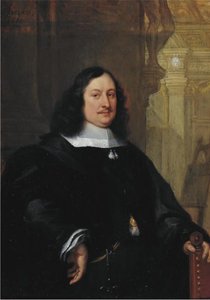
David Teniers, O Jovem
1610 - 1690 , Bélgica
Dados Rápidos
- Date Of Birth: 1610
- Date Of Death: 1690
- Place Of Birth: Antuérpia, Bélgica
- Place Of Death: Bruxelas, Bélgica
- Birth Date: 1610
- Birth Place: Antuérpia, Bélgica
- Death Date: 1690
- Influenced By: Adriaen Brouwer, Adam Elsheimer, Peter Paul Rubens
- Movement: Barroco
- Name: David Teniers, O Jovem
- Nationality: Flamengo
- Notable Works:
- Dois Bêbados
- Cena de Aldeia
- Cena de Cozinha
- Kermess Flamenga
Artigos Relacionados

A Estética do Drama: A Grandiosidade e a Técnica da Arte Barroca no Século XVII
Descubra o drama e a técnica dos mestres do Barroco, de Caravaggio a Rubens. Explore a grandiosidade desta era agora.
David Teniers II: Master of Flemish Genre & Social Commentary
Explore the captivating world of David Teniers II, a leading Flemish Baroque painter renowned for his lively genre scenes & insightful social commentary. Discover his masterpieces and legacy with OriginalUniqueArt.
David Teniers the Younger: Genre Painting & Social Commentary in Baroque Flanders
Explore the captivating world of David Teniers the Younger, a leading Flemish Baroque painter. Discover his genre scenes, social commentary, and lasting influence on 17th-century art. Learn about his life, techniques & legacy.

Baroque Classicism: The Grandeur of Order and Drama in 17th-Century Art History
Explore the profound elegance of Baroque Classicism. Discover how 17th-century masters synthesized dramatic emotion with classical order through the lens of the Counter-Reformation and the works of legends like Carlo Maratta and Andrea Sacchi.

The Dramatic Flourish: Exploring the Baroque Movement's Enduring Legacy in Art History
Explore the dramatic world of Baroque art! Discover iconic artists like Caravaggio & Rubens, defining techniques, and its lasting impact on art history. Expert insights for collectors & enthusiasts at OriginalUniqueArt.