1953
Beach Profile (David Park, 1953)
David Park (1911–1960) criou Beach Profile. Data de 1953. Mede 85 × 76 cm.
- 1953
- 85 × 76 cm

 Visualizar na parede

 Pintura a Óleo Feita à Mão
 Compartilhar
 Compartilhar
 Ficha técnica


 Baixar imagem
 Semelhantes
 Raio X
 Ver diaporama
 Perguntas e Respostas

 Estatísticas
Beach Profile, em resumo
- Título
- Beach Profile
- Artista
- David Park (1911–1960)
- Artista nascido em
- Boston, United States
- Data
- 1953
- Dimensões
- 85 × 76 cm
Imagens em alta resolução de Beach Profile

Protegido por direitos de autor: estes ficheiros são para referência pessoal, não constituem uma licença para republicação.
David Park, Beach Profile (1953).
Perguntas sobre Beach Profile respondidas
Em que ano foi criado "Beach Profile", de David Park?
"Beach Profile" data de 1953. A data situa a obra na carreira de David Park e em sua época.
Quais são as dimensões da obra original "Beach Profile"?
"Beach Profile" mede 85 x 76 cm em sua forma original. As dimensões originais são uma referência útil ao escolher o tamanho de uma reprodução.
"Beach Profile", de David Park está em domínio público?
Informação de direitos autorais para "Beach Profile", de David Park: a obra está em ainda protegido por direitos autorais. Isso determina se reproduções da imagem podem ser feitas livremente.
Quem criou "Beach Profile"?
O artista por trás de "Beach Profile" é David Park. A obra está catalogada sob o nome de David Park.
Com que idade David Park criou "Beach Profile"?
Quando "Beach Profile" foi criada em 1953, David Park — nascido(a) em 1911 — tinha 42 anos.
Qual é a situação dos direitos autorais de "Beach Profile", de David Park?
"Beach Profile", de David Park, está em ainda protegido por direitos autorais. Os termos de direitos autorais são calculados a partir do falecimento do artista, e David Park faleceu em 1960.
Sobre o artista, David Park
1911–1960, United States
David Park
The Genesis of a VisionaryBorn in the historic atmosphere of Boston in 1911, David Park’s artistic journey was anchored by a profound respect for the structural essence of life. His early years at Boston University, studying under the legendary George Bridgman, instilled in him an unparalleled understanding of anatomy and the rhythmic power of gesture. This foundational discipline provided the skeletal strength upon which he would later drape his most vibrant explorations of color. As he moved westward to the Otis Art Institute in Los Angeles, Park began to absorb the expansive light and energy of the American West, setting the stage for a transformation that would eventually challenge the very foundations of contemporary painting.The Great Stylistic RevolutionFor much of his early career, Park navigated the complex territories of abstraction, yet the year 1949 marked a seismic turning point in both his practice and his soul.
Também de David Park
 The Jazz Musicians1954
 Sunbather1953
 Woman with Red Mouth1955
 Two Bathers1958
Ensaios sobre Beach Profile
 Premium Beach Scene Artworks: A Professional Guide to Hand-Painted Oils & Custom Coastal Prints for High-End Hotel InteriorsElevate hospitality interiors with premium beach scene artworks. We provide professional procurement of hand-painted oil reproductions and …
 Sun, Sand & Soul: Bold Beach Landscape Art to Transform Your SpaceElevate your space with bold beach landscape art. From vibrant Pop Art to soulful Impressionist reproductions, discover hand-painted master…
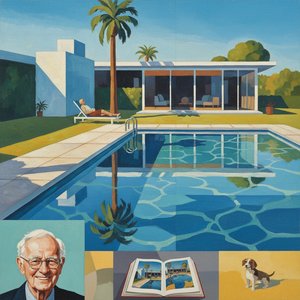 David Hockney: A Retrospective on Pop Art's Chronicler of Light, Space, and the EverydayExplore the life & work of David Hockney, Pop Art's master chronicler. Discover his iconic paintings, Californian landscapes, and lasting i…