
 Visualizar na parede
 Compartilhar
 Compartilhar
 Detalhes
 Guia
Guia

 Baixar imagem
 Semelhantes
 Raio X
 Ver diaporama
 Estatísticas
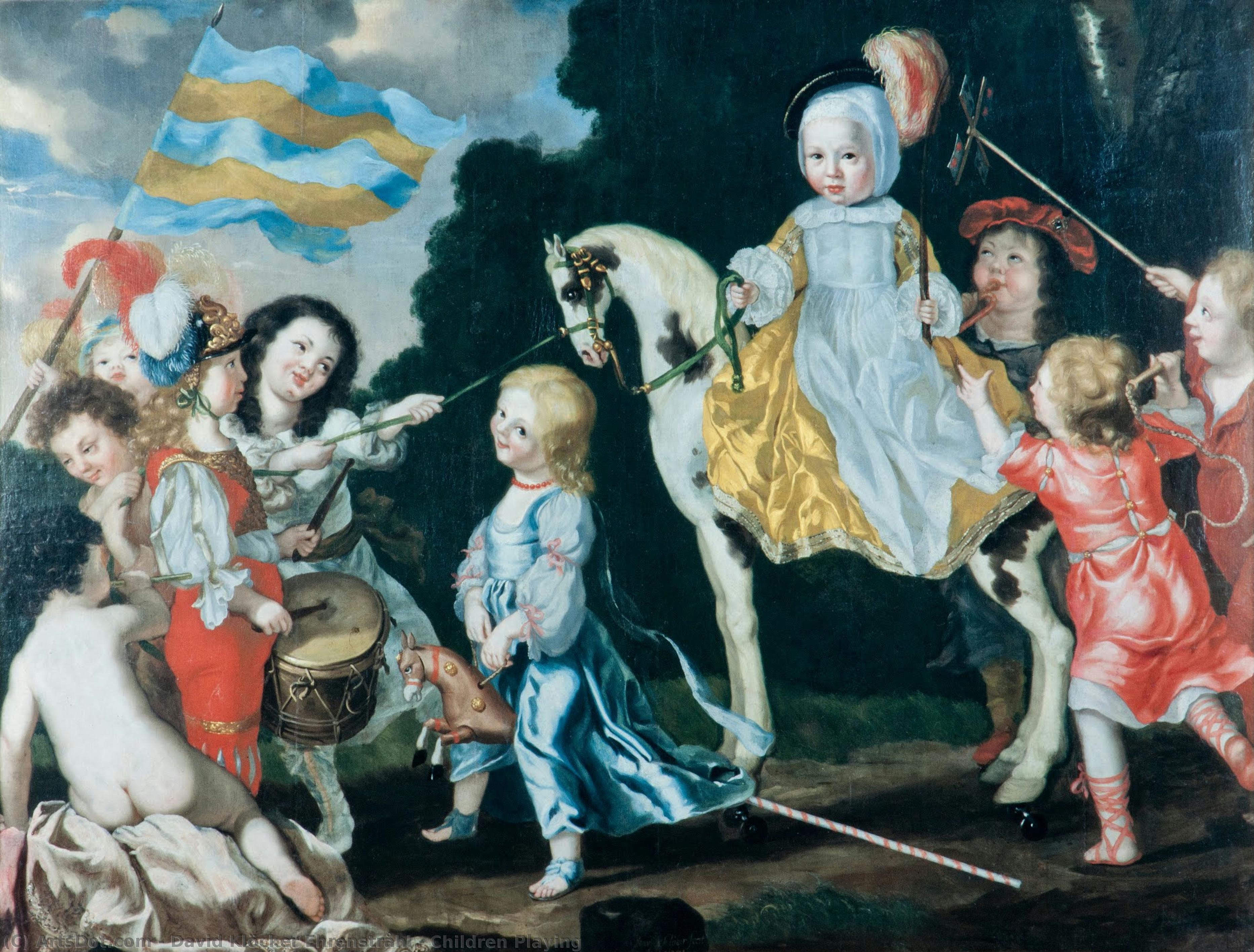
Children Playing


 Ler mais
Giclée / Impressão de Arte
Impressão giclée ou em tela de qualidade de museu, com produção rápida e opções flexíveis de acabamento. ( Comprar pintura feita à mão Alternar para Imagem Digital)




P118B €10

P118H €10

P118W €10

P438Z €10

P508JH €12

P508YH €12

P805H €10

P805Z €10

P919BZ €10

P919G €10

P919XJ €10

P959ZH €10

P968JZ €12

W106C €8

W218G €10

W218JH €8

W218Y €10

W307PJ €10

W316G €10

W316PJ €8

W316Y €10

W398PJ €8

W4111J €10

W500HY €15

W500JH €15

W692G €12

W849H €8

W940BG €15

W953PJ €8




Escolha entre os nossos tamanhos pré-definidos que respeitam as proporções originais da obra de arte.

Insira a largura e a altura desejadas para se ajustarem à sua moldura ou parede. Uma impressão pode ser apenas cortada, nunca ampliada além da imagem original; portanto, um tamanho com proporções diferentes resultará na perda de parte da imagem. Enviamos uma maquete digital para sua aprovação antes de realizarmos a impressão. A imagem exibida nesta página não mostra o corte real — apenas a maquete o faz.
Entrega mundial () em 2 semanas, em vez das 4/5 semanas padrão. (26 Outubro)

Envio expresso gratuito para todo o mundo

Tela de Linho de Alta Qualidade

Seguro de transporte completo

Garantia de Reembolso de Impostos Alfandegários

Garantia de Fidelidade Cromática

Política de Devolução em 100 Dias (Apenas para Defeitos)

Garantia de reembolso de 100%

Oferta de desconto por quantidade
 A opção de vidro está disponível apenas para tamanhos inferiores a 110 cm

Children Playing
Giclée / Impressão de Arte
Tamanho da Reprodução
-


Preço Total
€ 70
A Symphony of Youth and Nobility
In the soft, golden light of 1651, a moment of pure, unadulterated joy was captured on canvas by the burgeoning hand of David Klöcker Ehrenstrahl. Children Playing is not merely a depiction of pastoral leisure; it is a vibrant window into the aristocratic life of the Swedish Baroque era. The composition breathes with a lively energy, centering on the young Eleonora Sophia, daughter of the powerful Carl Gustaf Wrangel, perched gracefully upon her horse. Beside her, the rhythmic pulse of childhood is felt through her brother, Carl Philip Wragtel, whose focused attention on his drum adds a percussive heartbeat to the visual melody. This masterpiece serves as an intimate glimpse into a world where the innocence of youth meets the structured grandeur of nobility.
The scene unfolds within a sprawling, sun-drenched field, where the boundaries between nature and domesticity blur beautifully. As one wanders through the painting, the eye is led across a tapestry of interaction: at least nine figures, ranging from tender toddlers to watchful adults, weave a narrative of companionship. The presence of three horses—positioned strategically to guide the viewer's gaze from the center to the periphery—adds a sense of movement and scale to the landscape. Ehrenstrahl’s early mastery is evident in how he captures the tactile reality of the scene, from the sheen on the horses' coats to the spirited expressions of children lost in the magic of their surroundings.
Symbolism and the Allegory of Life
Beyond its surface charm, Children Playing functions as a profound allegory of existence. Painted during Ehrenstrahl’s influential stay at the Wrangel residence in Wolgast, the work is deeply layered with meaning. It is often interpreted as a meditation on the life of Eleonora Sophia herself, surrounded by her siblings—both those present in the flesh and those perhaps lost to time. This interplay between the living and the non-living creates a poignant tension, transforming a simple afternoon of play into a reflection on legacy, family lineage, and the fleeting nature of childhood. The painting captures a sense of "memento vivere"—a reminder to live—while subtly acknowledging the weight of the history that surrounds these young heirs.
For the discerning collector or interior designer, this work offers an unparalleled emotional depth. It possesses the ability to anchor a room with its historical gravity while simultaneously infusing a space with warmth and light. The Baroque technique, characterized by its dramatic use of light and shadow and its emphasis on movement, ensures that the piece remains dynamic regardless of the setting. Whether placed in a grand library or a contemporary living space, a high-quality reproduction of this work invites conversation, evoking a sense of nostalgia for a lost era of elegance and the timeless, universal spirit of play.
Perguntas e Respostas
O que retrata "Children Playing" e qual é a sua atmosfera?
"Children Playing", de David Klöcker Ehrenstråhl retrata children, horses, field, boy playing drum, girl on horse, landscape, em uma atmosfera Playful. O tema e a ambientação descrevem, juntos, a obra.
A que fase da carreira de David Klöcker Ehrenstråhl pertence "Children Playing" (1651)?
"Children Playing", criado em 1651, pertence ao Early Period da carreira de David Klöcker Ehrenstråhl.
Onde posso ver a obra original "Children Playing", de David Klöcker Ehrenstråhl?
"Children Playing", de David Klöcker Ehrenstråhl está em exibição no Skokloster Castle, Skokloster, Sweden. A referência ao museu diz respeito à obra original, não a reproduções.
Biografia do Artista
um nobre sueco e o despertar de um mestre do retrato
david klöcker ehrenstråhl, nobre sueco e pintor de retratos, deixou uma marca indelével no mundo da arte com suas obras cativantes. Nascido em 23 de setembro de 1628, em hamburgo, na alemanha, a jornada artística de ehrenstråhl é um testemunho de seu talento inato e dedicação profunda.primeiros anos e formação artística
ehrenstråhl era filho de johann klöcker e cresceu entre oito irmãos. Em 1648, partiu em uma viagem transformadora para amsterdã, onde mergulhou nos segredos da pintura sob a orientação magistral de juriaen jacobsze (1624–1685). Este treinamento fundamental estabeleceu os alicerces para todos os seus futuros empreendimentos artísticos, moldando sua visão técnica e estética.obras notáveis e conquistas
Entre suas realizações mais marcantes, destaca-se a obra conde wrangel a cavalo (castelo de skokloster, suécia, óleo sobre tela), assinada e datada de 1652, que surge como um dos primeiros retratos equestres de uma figura não real realizados por ehrenstråhl. Mais tarde, entre 1670 e 1675, ele alcançou o ápice de sua maestria ao criar o afresco de teto as grandes façanhas dos reis suecos no palácio dos cavaleiros suecos (riddarhuspalatset), obra considerada sua maior realização artística.legado artístico e influência
O legado de ehrenstråhl transcende suas próprias telas, pois sua influência se espalhou através do ensino de alunos notáveis, incluindo mikael dahl e david von krafft, além de sua própria filha, anna maria ehrenstrahl. Sua presença duradoura no mundo da arte permanece como um testemunho de seu impacto inestimável.- veja as obras de david klöcker ehrenstråhl em OriginalUniqueArt.com
- explore a biografia de ehrenstråhl na wikipedia
- descubra mais sobre conde wrangel a cavalo em OriginalUniqueArt.com
23 de setembro de 1628: nascimento em hamburgo, alemanha
1648: viagem a amsterdã para formação artística
1670-1675: criação do afresco de teto as grandes façanhas dos reis suecos
23 de outubro de 1698: falecimento em estocolmo, suécia

David Klöcker Ehrenstråhl
1628 - 1698 , Alemanha
Artigos Relacionados

Os 10 Mestres do Barroco: Obras-Primas que Moldaram a Arte e Decoram o Lar
Descubra os 10 maiores ícones do Barroco! Explore a história, técnica e emoção por trás de Caravaggio, Rembrandt, Bernini e outros mestres. Encontre reproduções de arte barroca para decorar seu lar com luxo em OriginalUniqueArt.com.

The Equine Muse: A Historical & Artistic Exploration of Horses in Painting
Explore the captivating history of horses in painting! Discover Renaissance masterpieces, Baroque grandeur & expert insights for collecting equestrian art. Learn about symbolism, techniques & lasting value with OriginalUniqueArt.

The Dramatic Flourish: Exploring the Baroque Movement's Enduring Legacy in Art History
Explore the dramatic world of Baroque art! Discover iconic artists like Caravaggio & Rubens, defining techniques, and its lasting impact on art history. Expert insights for collectors & enthusiasts at OriginalUniqueArt.

Barroco Brasileiro: Opulência e Emoção para Interiores Contemporâneos
Descubra como o Barroco brasileiro pode transformar seus interiores! Explore a história, elementos-chave e dicas para integrar este estilo luxuoso e cheio de emoção em sua casa.
The Noble Steed on Canvas: A Historical & Artistic Exploration of Horse Painting Across Cultures
Explore the rich history of horse painting! Discover masterpieces from Stubbs to Munnings & learn about symbolism, techniques & artists. Find museum-quality reproductions at OriginalUniqueArt.