
 Visualizar na parede
 Compartilhar
 Compartilhar
 Detalhes
 Guia
Guia

 Baixar imagem
 Semelhantes
 Raio X
 Ver diaporama
 Perguntas e Respostas
 Estatísticas
The Road to York through Sledmere


 Ler mais
A obra de arte exibida nesta página é protegida por leis de direitos autorais, o que significa que não podemos criar ou vender legalmente uma reprodução idêntica. Esta proteção é aplicada por meio de acordos internacionais, tais como a Convenção de Berna e pelas leis nacionais, incluindo as estabelecidas por Lei de Direitos Autorais dos EUA - Título 17.
Este método cumpre plenamente as regulamentações de direitos autorais, pois não envolve a cópia ou duplicação da obra protegida. Em vez disso, trata-se de uma reinterpretação criativa — uma nova pintura que é influenciada pela original, mas não idêntica a ela.
Giclée / Impressão de Arte
Impressão giclée ou em tela de qualidade de museu, com produção rápida e opções flexíveis de acabamento. ( Comprar pintura feita à mão Alternar para Imagem Digital)




































Escolha entre os nossos tamanhos pré-definidos que respeitam as proporções originais da obra de arte.

Insira a largura e a altura desejadas para se ajustarem à sua moldura ou parede. Uma impressão pode ser apenas cortada, nunca ampliada além da imagem original; portanto, um tamanho com proporções diferentes resultará na perda de parte da imagem. Enviamos uma maquete digital para sua aprovação antes de realizarmos a impressão. A imagem exibida nesta página não mostra o corte real — apenas a maquete o faz.
Entrega mundial () em 2 semanas, em vez das 4/5 semanas padrão. (5 Novembro)

Envio expresso gratuito para todo o mundo

Tela de Linho de Alta Qualidade

Seguro de transporte completo

Garantia de Reembolso de Impostos Alfandegários

Garantia de Fidelidade Cromática

Política de Devolução em 100 Dias (Apenas para Defeitos)

Garantia de reembolso de 100%

Oferta de desconto por quantidade
 A opção de vidro está disponível apenas para tamanhos inferiores a 110 cm

The Road to York through Sledmere
Giclée / Impressão de Arte
Tamanho da Reprodução
-


Preço Total
€ 72
A Snapshot of Yorkshire Life – The Vision of David Hockney
David Hockney’s “The Road to York through Sledmere” isn't merely a depiction of a rural English scene; it’s a vibrant distillation of light, color, and the rhythms of everyday life. Painted with Hockney’s signature boldness, this artwork captures a fleeting moment in time – a small town bathed in the golden hues of a late afternoon, brimming with activity and an undeniable sense of warmth. The painting immediately draws the viewer into its heart, offering a glimpse of a world both familiar and wonderfully transformed through the artist's discerning eye.
Composition and Technique: A Pop Art Approach
- Color as Narrative: Hockney’s masterful use of color is central to the painting’s impact. The saturated reds of the brick houses contrast dramatically with the lush greens of the surrounding trees, creating a visual dynamism that pulls the eye across the canvas. This isn't a naturalistic representation; it’s an amplified, almost theatrical, rendering of light and hue – a hallmark of Hockney’s Pop Art influences.
- Simplified Forms: The composition is characterized by simplified forms and clear lines, reflecting Hockney’s interest in graphic design and his desire to capture the essence of a scene rather than its intricate details. This approach lends the painting a sense of immediacy and clarity.
- Acrylic on Canvas: Executed with acrylic paint on canvas, the technique allows for rapid layering and vibrant color mixing – essential elements in Hockney’s process. The surface texture is subtly visible, adding to the painting's tactile quality.
Historical Context & The A166 Landscape
Created by David Hockney, this artwork reflects a pivotal moment in British art history – the rise of Pop Art and its embrace of everyday subjects. Painted around the same time as his iconic swimming pool series, “The Road to York through Sledmere” demonstrates Hockney’s ongoing exploration of light, color, and human experience. The painting's subject matter—a small town along the A166 road in Yorkshire—is deeply rooted in the region’s history. As detailed in the Wikipedia entry on the A166 road, this route has been a vital artery for centuries, dating back to Roman times with its connection between York and Stamford Bridge. The painting captures a slice of life along this historic thoroughfare, reflecting the enduring character of rural England.
Symbolism & Emotional Resonance – A Journey of Observation
Beyond its technical brilliance, “The Road to York through Sledmere” evokes a powerful sense of nostalgia and tranquility. The scene is alive with movement—people walking, dogs playing, buildings bustling with activity—suggesting a vibrant community connected by this simple road. As noted in the "Purpose and Meaning" exhibition page, Hockney intended for these paintings to replicate the feeling of going on a journey. The painting’s warmth and optimism invite the viewer to share in this moment of quiet observation, prompting reflection on the beauty of everyday life and the enduring appeal of rural landscapes. It's a testament to Hockney’s ability to transform a simple scene into a profound meditation on time, place, and human connection.
Perguntas e Respostas
"The Road to York through Sledmere" é típico do que David Hockney costumava criar?
Os temas recorrentes de David Hockney incluem yorkshire landscape influence, pop art color palette, observational, everyday scenes, exploring british identity, pool paintings legacy; "The Road to York through Sledmere" foca em yorkshire town, david hockney art, small town scene, red brick houses, english landscape, colorful painting, sledmere road.
Como o contraste e a harmonia se combinam em "The Road to York through Sledmere"?
A composição cromática de "The Road to York through Sledmere", de David Hockney combina um contraste Bold com uma harmonia Discordant Palette.
Qual é a cor predominante de "The Road to York through Sledmere", de David Hockney?
A cor dominante de "The Road to York through Sledmere", de David Hockney é Phthalo Green (#0f2e09).
Biografia do Artista
A Life Painted in Light: The World of David Hockney
David Hockney, born July 9, 1937, in Bradford, England, is more than simply a painter; he’s a visual polymath whose career has spanned painting, drawing, printmaking, stage design, and photography. His story begins amidst the grit and determination of Bradford, a landscape that instilled within him a keen observational eye, even as his father, Kenneth Hockney, fostered a spirit of independent thought through conscientious objection during World War II. This early environment shaped a young artist who would consistently challenge conventions and forge his own path. Formal education at Wellington Primary School and Bradford Grammar School laid the foundation for a career that would redefine British art in the 20th and 21st centuries, culminating in studies at Bradford College of Art and later, the prestigious Royal College of Art in London. It was during these formative years that Hockney began to articulate a unique artistic voice, one that blended Pop sensibilities with a distinctly British perspective.The Rise of a Pop Icon and Beyond
The 1960s witnessed Hockney’s ascent as a pivotal figure within the burgeoning Pop Art movement. However, unlike some contemporaries who wholeheartedly embraced American commercial culture, Hockney brought a uniquely British sensibility to the genre. His work exploded with vibrant color and bold lines, depicting scenes that were both familiar and subtly subversive. A Bigger Splash (1966), perhaps his most iconic early piece, encapsulates this perfectly – a seemingly simple depiction of a swimming pool becomes a meditation on Californian leisure, artifice, and the very act of seeing. This wasn’t merely representation; it was an exploration of how we perceive reality. Critics noted Hockney's masterful use of color theory, mirroring the influence of Bauhaus principles. His double portraits, like American Collectors (Fred and Marcia Weisman), demonstrate his remarkable ability to capture not just likeness but also the essence of personality and relationship—a technique that foreshadowed later explorations into psychological portraiture. Hockney’s artistic vision was profoundly shaped by artists such as Francis Bacon and Lucian Freud, whose unflinching depictions of human emotion served as inspiration for his own work.Experimentation, Innovation, and The Rescue Of Painting
Hockney's artistic curiosity has never been confined to a single medium. Throughout his career, he relentlessly experimented with new technologies and approaches. From his early embrace of lithography and etching to his later explorations of photography – particularly his use of Polaroid composites in the 1980s – Hockney consistently pushed the boundaries of what art could be. He famously declared painting wasn’t dead but needed “rescuing” from its own conventions, leading him to develop innovative techniques like perspective distortions and fragmented viewpoints. This desire to revitalize painting led to ambitious projects such as Pearblossom Hwy., 11–18th April 1986, a complex photomontage that challenged traditional notions of space and representation—a bold statement against the prevailing artistic trends of the time. His stage designs for opera, including sets for Mozart's The Magic Flute and Stravinsky’s The Rake’s Progress, further demonstrate his versatility and ability to translate his visual language into a different artistic realm.Recognition, Legacy, And Enduring Influence
David Hockney’s contributions to the art world have been widely recognized throughout his illustrious career. He was appointed Order of the Companion of Honour (CH) in 2018, a testament to his profound impact on British culture—a prestigious honor bestowed upon him for his lifetime achievements. Prior to that, he was elected a Fellow of the Royal Society (FRS) in 2003 and received the Laureate of the Praemium Imperiale for Painting in 2000—acknowledging his exceptional artistic talent and intellectual curiosity. His works are held in major museum collections worldwide, ensuring his art continues to inspire new generations. Hockney’s influence extends beyond the visual arts; he has become a cultural icon, celebrated for his wit, intelligence, and unwavering commitment to artistic exploration. He remains an active force in the art world, continually challenging expectations and inspiring artists across disciplines—a figure who embodies the spirit of innovation and artistic freedom.- Notable Works: Including *A Bigger Splash*, *American Collectors (Fred and Marcia Weisman)*, *Pearblossom Hwy., 11–18th April 1986*
- Influences: Artists like Francis Bacon and Lucian Freud profoundly impacted Hockney’s artistic vision.
- Techniques: Hockney pioneered innovative techniques such as perspective distortions and fragmented viewpoints, redefining how artists approached representation.
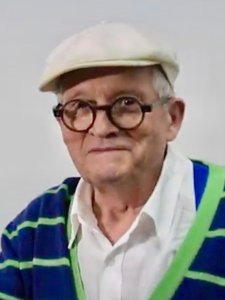
David Hockney
1937 - , Reino Unido
Dados Rápidos
- Artistic Movement Or Style: Pop Art
- Artists Or Movements Influenced By This Artist: ['']
- Artists Who Influenced This Artist:
- Pauline Boty
- Francis Bacon
- Date Of Birth: 9 Jul 1937
- Full Name: David Hockney
- Nationality: British
- Notable Artworks:
- A Bigger Splash
- Portrait of an Artist
- We Two Boys Together
- Place Of Birth: Bradford, UK
Artigos Relacionados

Crimson Threads of Narrative: Exploring Symbolism & Representation in Artworks Featuring the Red Dress
Explore the rich symbolism of the red dress in art history! From ancient power displays to iconic portraits like Cézanne’s 'Madame Cezanne', discover the cultural and artistic significance behind this captivating color. Expert analysis & insights.
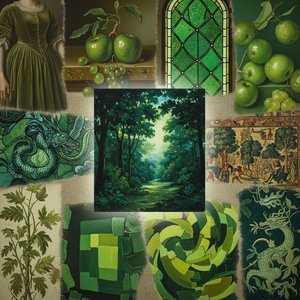
As 10 Obras Mais Famosas Dominadas pelo Verde Cromado: Arte e Decoração
Descubra as 10 pinturas mais famosas dominadas pelo verde cromado! Explore a história, artistas como Monet e Van Gogh, e o impacto da cor na arte clássica. Encontre reproduções de museu em OriginalUniqueArt.com.
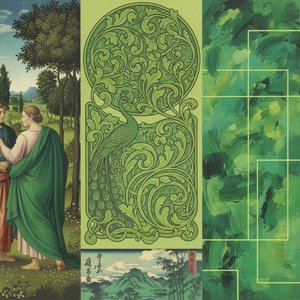
Verdant Visions: Exploring the Symbolism & Aesthetic Impact of Green in Art History
Explore the rich history & symbolism of green in art! Discover iconic paintings, techniques, and how to bring verdant harmony into your home with OriginalUniqueArt's expert guide.
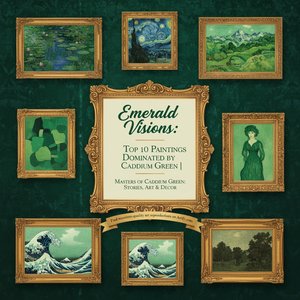
Os 10 Quadros Mais Famosos Dominados pelo Verde Cadmio | OriginalUniqueArt.com
Descubra os 10 quadros mais icônicos dominados pelo verde cadmio! Explore a história de Monet, Renoir e Van Gogh, e inspire-se com a beleza atemporal da arte. Reproduções de museu em OriginalUniqueArt.com.
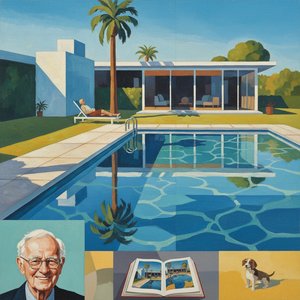
David Hockney: A Retrospective on Pop Art's Chronicler of Light, Space, and the Everyday
Explore the life & work of David Hockney, Pop Art's master chronicler. Discover his iconic paintings, Californian landscapes, and lasting influence on modern art. Expert analysis for collectors.


