

 Visualizar na parede
 Compartilhar
 Compartilhar
 Detalhes
 Guia
Guia

 Baixar imagem
 Semelhantes
 Raio X
 Ver diaporama
 Estatísticas
The Skylark


 Ler mais
Reprodução em Óleo Feita à Mão
Óleo sobre tela pintado à mão no tamanho e moldura de sua escolha, feito sob encomenda pelos nossos artistas. ( Alternar para Impressão Alternar para Imagem Digital)




P118B €10

P118H €10

P118W €10

P438Z €10

P508JH €12

P508YH €12

P805H €10

P805Z €10

P919BZ €10

P919G €10

P919XJ €10

P959ZH €10

P968JZ €12

W106C €8

W218G €10

W218JH €8

W218Y €10

W307PJ €10

W316G €10

W316PJ €8

W316Y €10

W398PJ €8

W4111J €10

W500HY €15

W500JH €15

W692G €12

W849H €8

W940BG €15

W953PJ €8




Escolha entre os nossos tamanhos pré-definidos que respeitam as proporções originais da obra de arte.

Insira a largura e a altura desejadas para se ajustarem à sua moldura ou parede. Como esta obra é pintada à mão, para um tamanho com proporções diferentes, o artista poderá pintar um pouco mais ao redor da imagem ou reduzir ligeiramente a composição — você escolhe. Enviamos uma maquete digital para sua aprovação antes de iniciar a pintura. A imagem exibida nesta página não representa o resultado real — apenas a maquete mostra o resultado final.
Após o pedido, a equipa OriginalUniqueArt.com enviará um e-mail ao cliente para solicitar instruções e fornecer uma prévia do esboço.
Entrega mundial () em 3 a 4 semanas, em vez das 5 semanas padrão. (26 Outubro). Sem comprometer a qualidade.

Envio expresso gratuito para todo o mundo

Tela de Linho de Alta Qualidade

Seguro de transporte completo

Garantia de Reembolso de Impostos Alfandegários

Garantia de Fidelidade Cromática

Política de Devolução em 100 Dias (Apenas para Defeitos)

Garantia de reembolso de 100%

Oferta de desconto por quantidade
 A opção de vidro está disponível apenas para tamanhos inferiores a 110 cm

The Skylark
Técnica de Reprodução
Tamanho da Reprodução
-


Preço Total
€ 307
A Vision of Tranquility: The Essence of The Skylark
In the vast tapestry of English landscape painting, few works capture the ephemeral beauty of the countryside with as much soul as David Cox’s The Skylark. Created in 1849, this masterpiece serves as a profound window into a serene, pastoral era, inviting the viewer to pause and breathe in the quietude of the rural landscape. The painting presents a sprawling field of grass that stretches toward a distant, hazy horizon, all under the watchful gaze of a soft, cloudy sky. Within this expansive vista, Cox introduces a sense of human connection through scattered figures—perhaps a family—positioned near a sturdy wooden fence in the middle ground. This deliberate arrangement creates a beautiful balance between the immense scale of nature and the intimate, shared moments of human life, establishing a composition that is as much about emotional harmony as it is about visual grandeur.
The technical execution of The Skylark reveals Cox’s mastery of the Birmingham School tradition, a style that prioritizes atmospheric truth over rigid topographical precision. Rather than relying on sharp, clinical lines, the artist employs loose, expressive brushstrokes that suggest form and texture through movement. A large, commanding tree anchors the left foreground, its foliage rendered with a rugged, tactile quality that contrasts beautifully against the softer, more blended strokes used for the sky. This interplay of textures creates a palpable sense of depth; as the eye moves toward the horizon, the landscape becomes paler and less defined, utilizing atmospheric perspective to evoke a feeling of infinite space. The color palette is a sophisticated study in muted tones—earthy browns, deep greens, and soft grevers—which work in concert with the diffused, overcast lighting to bathe the entire scene in a gentle, tranquil glow.
Symbolism and Emotional Resonance
Beyond its technical brilliance, The Skylark carries a profound symbolic weight that continues to captivate collectors and art enthusiasts alike. The very title suggests an upward gaze, a moment of sudden wonder as the viewer’s attention is drawn toward the heavens, mirroring the act of looking up at a bird in flight. This theme of observation and appreciation for the natural world imbes the work with a sense of spiritual peace. For the interior designer or art lover, the painting offers more than mere decoration; it provides an emotional anchor for a space. The lack of harsh shadows and the presence of soft, organic shapes—from the rounded clouds to the undulating fields—create an atmosphere of stability and calm. It is a piece that does not demand attention through spectacle, but rather earns it through a quiet, enduring grace, making it an ideal centerpiece for those seeking to infuse their surroundings with a sense of timelessness and pastoral beauty.
Perguntas e Respostas
Qual cor predomina na composição de "The Skylark", de David Cox?
A cor dominante de "The Skylark", de David Cox é Putty (#d3d6e0).
A obra "The Skylark", de David Cox, pertencente ao acervo do Birmingham Museum and Art Gallery, pode ser reproduzida legalmente?
"The Skylark", de David Cox, pertencente ao Birmingham Museum and Art Gallery, está em em domínio público — seus direitos autorais expiraram. Este status determina se reproduções da imagem podem ser feitas.
"The Skylark", de David Cox está em domínio público?
"The Skylark", de David Cox está em em domínio público — seus direitos autorais expiraram. Este status determina como a imagem da obra pode ser reproduzida.
Biografia do Artista
David Cox: Uma Vida em Paisagens
Primeiros Anos e Formação
- Nascimento: 29 de abril de 1783, em Deritend, Birmingham, Reino Unido.
- O pai de David Cox era ferreiro e artesão, fornecendo componentes para o comércio de armas de Birmingham. Sua mãe, vinda de uma origem rural, possuía uma educação superior e um caráter forte.
- Inicialmente, ele se matriculou na academia de Joseph Barber, na Great Charles Street, onde conheceu seus colegas de classe Charles Barber e William Radclyffe.
- Aos 15 anos, Cox tornou-se aprendiz de Albert Fielder, um pintor de Birmingham especializado em miniaturas de retratos e pinturas decorativas para objetos como caixas de rapé. Este treinamento precoce proporcionou-lhe as habilidades fundamentais de sua arte.
Desenvolvimento da Carreira e Jornada Artística
- Em 1804, Cox mudou-se para Londres e casou-se com Mary Ragg, filha de seu senhorio.
- Uma viagem crucial ao País de Gales em 1805, acompanhado por Charles Barber, marcou o início de inúmeras expedições de esboço ao longo de sua vida. Essas viagens influenciaram profundamente seu estilo artístico.
- Ele expôs regularmente na Royal Academy a partir de 1805, ganhando inicialmente a vida como mestre de desenho. O Coronel Hon. H. Windsor tornou-se um de seus primeiros alunos em 1808.
- O trabalho inicial de Cox concentrava-se em paisagens detalhadas em aquarela, frequentemente retratando cenas rurais e temas arquitetônicos.
Estilo Artístico e Influências
- O estilo de Cox evoluiu com o tempo. Ele transitou de representações topográficas precisas para uma abordagem mais expressiva e atmosférica.
- Influências: Embora as influências específicas sejam debatidas, sua obra demonstra afinidade com os pintores de paisagem holandeses do século XVII e uma observação aguçada da natureza que remete a Constable.
- Ele tornou-se conhecido por suas pinceladas soltas, cores vibrantes e pela habilidade de capturar os efeitos da luz e do clima. Suas pinturas a óleo tardias foram particularmente inovadoras.
Grandes Conquistas e Legado
- Cox pintou mais de 300 obras a óleo no final de sua carreira, hoje reconhecidas como “uma das maiores, porém menos reconhecidas, conquistas de qualquer pintor britânico”.
- Ele é considerado um dos maiores pintores de paisagem ingleses e uma figura central da Era de Ouro da Aquarela Inglesa.
- Sua obra influenciou significativamente as gerações subsequentes de artistas de paisagem.
- Obras Notáveis: The Wind on the Heath, Cottage in Herefordshire, Junction of the Severn and the Wye with Chepstow in the distance e Moonlight Landscape estão entre suas pinturas mais celebradas.
Significância Histórica
- David Cox é reconhecido como um precursor precoce do Impressionismo. Sua ênfase em capturar efeitos atmosféricos fugazes e suas pinceladas soltas anteciparam muitas das técnicas adotadas posteriormente pelos impressionistas.
- Ele desempenhou um papel crucial no estabelecimento da pintura de paisagem britânica como um gênero distinto, afastando-se de representações puramente topográficas em direção a interpretações mais expressivas e emocionais da natureza.
- Sua obra continua a ser admirada por sua beleza, sensibilidade e apelo duradouro.
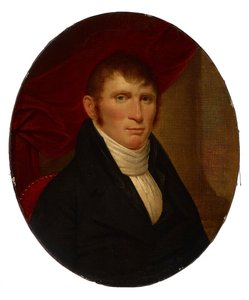
David Cox
1783 - 1859 , Reino Unido
Dados Rápidos
- Artistic Movement Or Style: Escola de Birmingham
- Artists Or Movements Influenced By This Artist: ['Impressionismo']
- Artists Who Influenced This Artist:
- Pintores holandeses
- Constable
- Date Of Birth: 29 abril 1783
- Date Of Death: 7 junho 1859
- Full Name: David Cox
- Nationality: Inglês
- Notable Artworks:
- Rhyl Sands
- Cozinha em Hereford
- Junção do Severn e do Wy com Chepstow
- Place Of Birth: Birmingham, Reino Unido
Artigos Relacionados

Evoking Nature's Sublime: A Comprehensive Exploration of 19th-Century Landscape Painting
Explore the captivating world of 19th-century landscape painting! Discover renowned artists like Friedrich & Monet, key movements, and find the perfect artwork to bring nature's serenity into your home. Expert insights at OriginalUniqueArt.

David Cox the Elder: Landscape, Light & the Romantic Vision of Rural England
Explore the captivating landscapes of David Cox the Elder, a pivotal figure in British Romanticism. Discover his masterful watercolour techniques, enduring legacy & find timeless art for your home at OriginalUniqueArt.

Paisagens Impressionistas Icônicas: 10 Obras que Mudaram a Arte | OriginalUniqueArt
Descubra as 10 obras impressionistas que revolucionaram a arte! Explore Monet, Renoir e outros mestres da paisagem. Encontre reproduções de alta qualidade para decorar sua casa com a beleza do Impressionismo em OriginalUniqueArt.com.

Os 10 Mestres da Paisagem Romântica: Arte para Inspirar a Sua Casa
Descubra os 10 quadros mais emblemáticos da Paisagem Romântica! Explore a história de Turner, Friedrich e outros mestres. Encontre reproduções de arte exclusivas para inspirar sua decoração em OriginalUniqueArt.com.

Os 10 Mestres do Impressionismo e a Paisagem que Mudou a Arte | OriginalUniqueArt
Descubra os 10 quadros impressionistas que revolucionaram a arte! Explore Monet, Renoir e outros mestres da paisagem francesa. Encontre reproduções de alta qualidade para decorar sua casa com beleza e história em OriginalUniqueArt.com.