

 Visualizar em escala
 Enviar
 Compartilhar
 Ver detalhes
 Guia de Obras do Aluno

 Baixar imagem
 Semelhantes
 Raio X
 Apresentação de slides
 Estatísticas
The Night Train
 Acrylic On Canvas
- WallArt
- Romanticism
 1849
1849 280.0 x 380.0 cm
 City Art Gallery
 Ver mais
Adquira uma imagem digital de alta resolução e aprimorada, muito superior à prévia online.
Cada arquivo é meticulosamente preparado por nossos especialistas internos, utilizando ferramentas avançadas e retoques manuais de alta precisão. Garantimos que cada imagem apresente clareza excepcional, fidelidade de cores e detalhes minuciosos.
O arquivo final é entregue por e-mail em até 72 horas, otimizado para uso imediato em ambientes profissionais, editoriais e de impressão. Esta é a mesma qualidade utilizada por estúdios de design de alto nível, editoras e galerias.
Imagem Digital
Baixe um arquivo de alta resolução para exibição pessoal, impressão e projetos criativos. ( Alternar para Impressão Encomendar reprodução pintada à mão)
Incluído em cada pedido de imagem digital
Entrega Digital Especializada e Garantida
Ao escolher o OriginalUniqueArt.com, você não está apenas adquirindo uma imagem — você está recebendo uma obra de arte digital profissionalmente aprimorada, elaborada com precisão e com garantia de satisfação. Aqui está tudo o que acompanha seu pedido, automaticamente:

Entrega rápida por e-mail
O seu arquivo de imagem digital em alta resolução será enviado por e-mail em até 72 horas após o pedido — pronto para uso imediato.

Arquivo Digital com IA Otimizado
Sua obra de arte é otimizada profissionalmente por meio de ferramentas avançadas de IA e edição manual, garantindo o máximo de detalhes, clareza e precisão de cores.

Reenvio gratuito vitalício
Apagou ou perdeu o seu ficheiro acidentalmente? Não se preocupe – nós reenviamos para si a qualquer momento, gratuitamente.

Sem Taxas de Importação - Sempre
Desfrute da sua obra de arte instantaneamente, sem taxas alfandegárias, impostos ou custos de entrega — downloads digitais são sempre isentos de taxas.

Garantia de Precisão de Cores
Garantimos que sua imagem digital reflita as cores originais com a maior fidelidade possível, utilizando ferramentas profissionais e gerenciamento de cores.

Garantia de satisfação de 100 dias
Se não estiver satisfeito com a sua imagem digital, nós a revisaremos ou reembolsaremos 100% dentro de 100 dias — sem perguntas.

Garantia de Reembolso 100%
Não está satisfeito? Receba o reembolso total em até 100 dias após o recebimento do seu arquivo digital — sem perguntas.

Descontos para pedidos em lote
Compre 3 imagens, economize 10% - Compre 5, economize 15% - Compre 10+, economize 20%. Ideal para projetos criativos, galerias e agências.
The Night Train: A Watercolor’s Evocative Journey
David Cox's "The Night Train," painted in 1849, isn’t merely a depiction of a locomotive traversing the countryside; it’s a profound meditation on movement, atmosphere, and the sublime power of nature. Created during a pivotal period of artistic evolution – bridging the Romantic era with nascent influences of Impressionism – this watercolor captures a fleeting moment imbued with both drama and tranquility. Cox, a key figure in the Birmingham School of painting, masterfully employed loose brushstrokes and a muted color palette to evoke not just what he saw, but how he *felt* observing the scene.
The composition immediately draws the eye into a dynamic landscape dominated by a swirling, almost turbulent sky. Dark, brooding clouds – rendered with remarkable sensitivity to light and shadow – press down upon the viewer, hinting at an impending storm while simultaneously illuminating the distant horizon. Below this dramatic expanse unfolds a rolling countryside, painted in washes of deep greens, browns, and blues. The artist’s technique is deliberately loose; individual brushstrokes are visible, contributing to the sense of movement and immediacy. This approach was revolutionary for its time, moving away from the rigid detail favored by earlier landscape painters.
A Glimpse into a Romantic Vision
“The Night Train” firmly resides within the Romantic tradition, a movement that prioritized emotion, imagination, and the awe-inspiring power of nature. Unlike the Neoclassical emphasis on reason and order, Romantic artists sought to capture subjective experiences – feelings of wonder, terror, and spiritual connection – in their work. Cox’s painting embodies this spirit perfectly. The train itself, a symbol of progress and industrialization, is presented not as a triumph but as an element within a larger, more ancient landscape. It's a reminder of humanity’s place within the vastness of nature.
The inclusion of figures on the train – two individuals observing the scene – adds another layer of interpretation. Are they travelers seeking adventure? Or perhaps simply observers contemplating the beauty and power of the natural world? Their presence invites the viewer to project their own experiences and emotions onto the scene, transforming it into a shared moment of contemplation.
Symbolism and Emotional Resonance
Beyond its immediate visual appeal, “The Night Train” is rich in symbolism. The train, as mentioned, represents progress but also carries an element of displacement – a journey away from familiar surroundings. The turbulent sky suggests both the potential for destruction and renewal, while the horses galloping across the foreground embody untamed energy and instinct. Cox’s masterful use of light and shadow creates a powerful emotional atmosphere, evoking feelings of mystery, anticipation, and perhaps even a touch of melancholy.
The painting's overall effect is one of profound beauty and quiet drama. It’s not simply a landscape; it’s an experience – a journey into the heart of nature’s power and the human spirit’s capacity for wonder. “The Night Train” remains a testament to David Cox’s artistic vision and his ability to capture the essence of a fleeting moment with remarkable skill and sensitivity.
Reproductions & Artistic Legacy
High-quality reproductions of “The Night Train” are available, offering art enthusiasts a chance to bring this evocative masterpiece into their homes. Considerations for framing should complement the painting’s atmospheric qualities – a simple, natural wood frame would best enhance its romantic feel. The watercolor's delicate washes and subtle details benefit from archival-quality paper and printing techniques to preserve its original beauty.
Cox’s influence extends beyond this single work; he is considered a precursor to Impressionism, paving the way for artists who sought to capture fleeting moments of light and color. Studying “The Night Train” provides valuable insight into the development of landscape painting and the enduring power of Romantic art.
Perguntas e Respostas
Qual é o tamanho de "The Night Train" de David Cox na vida real?
"The Night Train" mede 280 x 380 cm em sua forma original. As dimensões originais são uma referência útil ao escolher o tamanho de uma reprodução.
Qual tamanho e orientação são recomendados para uma impressão de "The Night Train" de David Cox?
Para "The Night Train", a configuração de impressão recomendada é o tamanho Medium e orientação Square.
Que atmosfera possui "The Night Train"?
"The Night Train" de David Cox é descrito como tendo um clima Romantic. Esta classificação pode ajudar a combinar a obra com um ambiente.
Biografia do Artista
David Cox: Uma Vida em Paisagens
Primeiros Anos e Formação
- Nascimento: 29 de abril de 1783, em Deritend, Birmingham, Reino Unido.
- O pai de David Cox era ferreiro e artesão, fornecendo componentes para o comércio de armas de Birmingham. Sua mãe, vinda de uma origem rural, possuía uma educação superior e um caráter forte.
- Inicialmente, ele se matriculou na academia de Joseph Barber, na Great Charles Street, onde conheceu seus colegas de classe Charles Barber e William Radclyffe.
- Aos 15 anos, Cox tornou-se aprendiz de Albert Fielder, um pintor de Birmingham especializado em miniaturas de retratos e pinturas decorativas para objetos como caixas de rapé. Este treinamento precoce proporcionou-lhe as habilidades fundamentais de sua arte.
Desenvolvimento da Carreira e Jornada Artística
- Em 1804, Cox mudou-se para Londres e casou-se com Mary Ragg, filha de seu senhorio.
- Uma viagem crucial ao País de Gales em 1805, acompanhado por Charles Barber, marcou o início de inúmeras expedições de esboço ao longo de sua vida. Essas viagens influenciaram profundamente seu estilo artístico.
- Ele expôs regularmente na Royal Academy a partir de 1805, ganhando inicialmente a vida como mestre de desenho. O Coronel Hon. H. Windsor tornou-se um de seus primeiros alunos em 1808.
- O trabalho inicial de Cox concentrava-se em paisagens detalhadas em aquarela, frequentemente retratando cenas rurais e temas arquitetônicos.
Estilo Artístico e Influências
- O estilo de Cox evoluiu com o tempo. Ele transitou de representações topográficas precisas para uma abordagem mais expressiva e atmosférica.
- Influências: Embora as influências específicas sejam debatidas, sua obra demonstra afinidade com os pintores de paisagem holandeses do século XVII e uma observação aguçada da natureza que remete a Constable.
- Ele tornou-se conhecido por suas pinceladas soltas, cores vibrantes e pela habilidade de capturar os efeitos da luz e do clima. Suas pinturas a óleo tardias foram particularmente inovadoras.
Grandes Conquistas e Legado
- Cox pintou mais de 300 obras a óleo no final de sua carreira, hoje reconhecidas como “uma das maiores, porém menos reconhecidas, conquistas de qualquer pintor britânico”.
- Ele é considerado um dos maiores pintores de paisagem ingleses e uma figura central da Era de Ouro da Aquarela Inglesa.
- Sua obra influenciou significativamente as gerações subsequentes de artistas de paisagem.
- Obras Notáveis: The Wind on the Heath, Cottage in Herefordshire, Junction of the Severn and the Wye with Chepstow in the distance e Moonlight Landscape estão entre suas pinturas mais celebradas.
Significância Histórica
- David Cox é reconhecido como um precursor precoce do Impressionismo. Sua ênfase em capturar efeitos atmosféricos fugazes e suas pinceladas soltas anteciparam muitas das técnicas adotadas posteriormente pelos impressionistas.
- Ele desempenhou um papel crucial no estabelecimento da pintura de paisagem britânica como um gênero distinto, afastando-se de representações puramente topográficas em direção a interpretações mais expressivas e emocionais da natureza.
- Sua obra continua a ser admirada por sua beleza, sensibilidade e apelo duradouro.
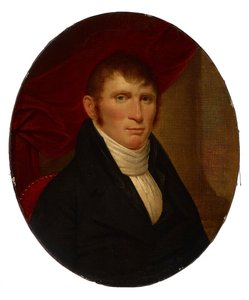
David Cox
1783 - 1859 , Reino Unido
Informações Rápidas
- Artistic Movement Or Style: Escola de Birmingham
- Artists Or Movements Influenced By This Artist: ['Impressionismo']
- Artists Who Influenced This Artist:
- Pintores holandeses
- Constable
- Date Of Birth: 29 abril 1783
- Date Of Death: 7 junho 1859
- Full Name: David Cox
- Nationality: Inglês
- Notable Artworks:
- Rhyl Sands
- Cozinha em Hereford
- Junção do Severn e do Wy com Chepstow
- Place Of Birth: Birmingham, Reino Unido