
 Visualizar na parede
 Compartilhar
 Compartilhar
 Detalhes
 Guia
Guia

 Baixar imagem
 Semelhantes
 Raio X
 Ver diaporama
 Q&A
Q&A Estatísticas
Going to the Hayfield


 Ler mais
Giclée / Impressão de Arte
Impressão giclée ou em tela de qualidade de museu, com produção rápida e opções flexíveis de acabamento. ( Comprar pintura feita à mão Alternar para Imagem Digital)




P118B €10

P118H €10

P118W €10

P438Z €10

P508JH €12

P508YH €12

P805H €10

P805Z €10

P919BZ €10

P919G €10

P919XJ €10

P959ZH €10

P968JZ €12

W106C €8

W218G €10

W218JH €8

W218Y €10

W307PJ €10

W316G €10

W316PJ €8

W316Y €10

W398PJ €8

W4111J €10

W500HY €15

W500JH €15

W692G €12

W849H €8

W940BG €15

W953PJ €8




Escolha entre os nossos tamanhos pré-definidos que respeitam as proporções originais da obra de arte.

Insira a largura e a altura desejadas para se ajustarem à sua moldura ou parede. Uma impressão pode ser apenas cortada, nunca ampliada além da imagem original; portanto, um tamanho com proporções diferentes resultará na perda de parte da imagem. Enviamos uma maquete digital para sua aprovação antes de realizarmos a impressão. A imagem exibida nesta página não mostra o corte real — apenas a maquete o faz.
Entrega mundial () em 2 semanas, em vez das 4/5 semanas padrão. (31 Outubro)

Envio expresso gratuito para todo o mundo

Tela de Linho de Alta Qualidade

Seguro de transporte completo

Garantia de Reembolso de Impostos Alfandegários

Garantia de Fidelidade Cromática

Política de Devolução em 100 Dias (Apenas para Defeitos)

Garantia de reembolso de 100%

Oferta de desconto por quantidade
 A opção de vidro está disponível apenas para tamanhos inferiores a 110 cm

Going to the Hayfield
Giclée / Impressão de Arte
Tamanho da Reprodução
-


Preço Total
€ 71
A Moment of Rural Tranquility: Exploring David Cox’s “Going to the Hayfield”
David Cox's "Going to the Hayfield," painted in 1849, isn’t merely a landscape; it’s a carefully constructed distillation of Romantic sensibility and a profound connection to the English countryside. This evocative piece, now beautifully reproduced, transports us to a specific moment – a quiet afternoon as figures journey towards a hayfield bathed in the diffused light of an overcast sky. Cox, a pivotal figure bridging the gap between earlier landscape traditions and the burgeoning Impressionism of his time, masterfully captures not just the visual elements but also the atmosphere and emotional resonance of rural life.
Cox’s style is distinctly Romantic, prioritizing mood and feeling over precise detail. He eschews sharp outlines and meticulous rendering in favor of loose, expressive brushstrokes that create a sense of movement and texture throughout the canvas. The painting feels less like a photographic representation and more like an emotional response to the scene – a memory imbued with tranquility and a subtle melancholy. The muted color palette—dominated by earthy greens, browns, and grays punctuated by hints of red in the figures’ clothing—further enhances this atmospheric effect, suggesting a timelessness that transcends any specific date or season.
Composition and Perspective: Framing a Pastoral Scene
The composition is deliberately horizontal, emphasizing the vast expanse of the sky which dominates nearly two-thirds of the canvas. This expansive view immediately establishes a sense of scale and invites the viewer to lose themselves in the landscape. A subtle foreground—a simple fence and patches of foliage—serves as a gentle guide, drawing our eye towards the middle ground where the figures are positioned. The low horizon line reinforces this feeling of openness and amplifies the drama of the sky. Cox skillfully employs atmospheric perspective; distant elements recede into a hazy blue distance, creating an illusion of depth and suggesting the immense scale of the countryside.
The placement of the figures – a small group riding horseback and walking alongside a fence – is crucial to the painting’s narrative. They are not imposing subjects but rather integrated seamlessly within the landscape, representing humanity's quiet interaction with nature. Their presence anchors the scene while simultaneously highlighting its inherent beauty and solitude.
Symbolism and Emotional Resonance: A Reflection of Romantic Ideals
“Going to the Hayfield” is rich in symbolic meaning, reflecting the core tenets of the Romantic movement. The overcast sky, often interpreted as a symbol of introspection or contemplation, lends a subtle melancholy to the scene. It’s not a bright, celebratory landscape; rather, it evokes a sense of quiet reflection and connection to something larger than oneself. The hayfield itself represents abundance and sustenance – a vital element of rural life and a reminder of nature's generosity. Cox’s choice of subject matter—a simple, everyday activity—elevates it to an artistic statement about the beauty and value of the natural world.
Technique and Materials: The Art of Layered Impressionism
Cox’s technique is characterized by a layering of colors applied with loose brushstrokes. He builds up the image gradually, creating a sense of depth and texture through subtle variations in tone and hue. The use of oil paint on canvas allows for rich color saturation and blending—essential to achieving the painting's atmospheric effect. The artist’s deliberate avoidance of sharp lines contributes to the overall feeling of softness and fluidity. It is a testament to Cox’s skill that this seemingly simple landscape feels so profoundly alive, capturing not just what he saw but also how he *felt* about it.
Perguntas e Respostas
Que sentimento transmite "Going to the Hayfield", de David Cox?
A atmosfera de "Going to the Hayfield", de David Cox é Calm, e seu tom emocional é Tranquil.
De que forma o estilo de "Going to the Hayfield" se relaciona com a época de seu criador?
"Going to the Hayfield" pertence ao movimento Romantic Landscape Painting, e seu criador atuou na era Século XIX.
Como posso visualizar "Going to the Hayfield", de David Cox em formato de apresentação de slides?
O diaporama de "Going to the Hayfield" pode ser visualizado na página Apresentação de imagens da obra.
Biografia do Artista
David Cox: Uma Vida em Paisagens
Primeiros Anos e Formação
- Nascimento: 29 de abril de 1783, em Deritend, Birmingham, Reino Unido.
- O pai de David Cox era ferreiro e artesão, fornecendo componentes para o comércio de armas de Birmingham. Sua mãe, vinda de uma origem rural, possuía uma educação superior e um caráter forte.
- Inicialmente, ele se matriculou na academia de Joseph Barber, na Great Charles Street, onde conheceu seus colegas de classe Charles Barber e William Radclyffe.
- Aos 15 anos, Cox tornou-se aprendiz de Albert Fielder, um pintor de Birmingham especializado em miniaturas de retratos e pinturas decorativas para objetos como caixas de rapé. Este treinamento precoce proporcionou-lhe as habilidades fundamentais de sua arte.
Desenvolvimento da Carreira e Jornada Artística
- Em 1804, Cox mudou-se para Londres e casou-se com Mary Ragg, filha de seu senhorio.
- Uma viagem crucial ao País de Gales em 1805, acompanhado por Charles Barber, marcou o início de inúmeras expedições de esboço ao longo de sua vida. Essas viagens influenciaram profundamente seu estilo artístico.
- Ele expôs regularmente na Royal Academy a partir de 1805, ganhando inicialmente a vida como mestre de desenho. O Coronel Hon. H. Windsor tornou-se um de seus primeiros alunos em 1808.
- O trabalho inicial de Cox concentrava-se em paisagens detalhadas em aquarela, frequentemente retratando cenas rurais e temas arquitetônicos.
Estilo Artístico e Influências
- O estilo de Cox evoluiu com o tempo. Ele transitou de representações topográficas precisas para uma abordagem mais expressiva e atmosférica.
- Influências: Embora as influências específicas sejam debatidas, sua obra demonstra afinidade com os pintores de paisagem holandeses do século XVII e uma observação aguçada da natureza que remete a Constable.
- Ele tornou-se conhecido por suas pinceladas soltas, cores vibrantes e pela habilidade de capturar os efeitos da luz e do clima. Suas pinturas a óleo tardias foram particularmente inovadoras.
Grandes Conquistas e Legado
- Cox pintou mais de 300 obras a óleo no final de sua carreira, hoje reconhecidas como “uma das maiores, porém menos reconhecidas, conquistas de qualquer pintor britânico”.
- Ele é considerado um dos maiores pintores de paisagem ingleses e uma figura central da Era de Ouro da Aquarela Inglesa.
- Sua obra influenciou significativamente as gerações subsequentes de artistas de paisagem.
- Obras Notáveis: The Wind on the Heath, Cottage in Herefordshire, Junction of the Severn and the Wye with Chepstow in the distance e Moonlight Landscape estão entre suas pinturas mais celebradas.
Significância Histórica
- David Cox é reconhecido como um precursor precoce do Impressionismo. Sua ênfase em capturar efeitos atmosféricos fugazes e suas pinceladas soltas anteciparam muitas das técnicas adotadas posteriormente pelos impressionistas.
- Ele desempenhou um papel crucial no estabelecimento da pintura de paisagem britânica como um gênero distinto, afastando-se de representações puramente topográficas em direção a interpretações mais expressivas e emocionais da natureza.
- Sua obra continua a ser admirada por sua beleza, sensibilidade e apelo duradouro.
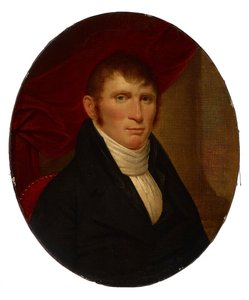
David Cox
1783 - 1859 , Reino Unido
Dados Rápidos
- Artistic Movement Or Style: Escola de Birmingham
- Artists Or Movements Influenced By This Artist: ['Impressionismo']
- Artists Who Influenced This Artist:
- Pintores holandeses
- Constable
- Date Of Birth: 29 abril 1783
- Date Of Death: 7 junho 1859
- Full Name: David Cox
- Nationality: Inglês
- Notable Artworks:
- Rhyl Sands
- Cozinha em Hereford
- Junção do Severn e do Wy com Chepstow
- Place Of Birth: Birmingham, Reino Unido
Artigos Relacionados

Os 10 Mestres da Paisagem Romântica: Arte para Inspirar a Sua Casa
Descubra os 10 quadros mais emblemáticos da Paisagem Romântica! Explore a história de Turner, Friedrich e outros mestres. Encontre reproduções de arte exclusivas para inspirar sua decoração em OriginalUniqueArt.com.

John Constable: As 25 Obras-Primas que Definem o Mestre da Paisagem Inglesa | OriginalUniqueArt
Descubra as 25 obras-primas de John Constable, o mestre da paisagem inglesa! Explore a arte romântica, cores vibrantes e histórias fascinantes por trás de 'Hay Wain' e outras pinturas icônicas. Encontre reproduções de alta qualidade para decorar sua casa com OriginalUniqueArt.com.

Aquarelas Imortais: 10 Obras-Primas que Revolucionaram a Arte | OriginalUniqueArt
Descubra as 10 obras-primas em aquarela que revolucionaram a arte! Explore a história de Turner, Cézanne e outros mestres. Encontre reproduções de alta qualidade para decorar sua casa com elegância. OriginalUniqueArt: arte atemporal ao seu alcance.

David Cox the Elder: Landscape, Light & the Romantic Vision of Rural England
Explore the captivating landscapes of David Cox the Elder, a pivotal figure in British Romanticism. Discover his masterful watercolour techniques, enduring legacy & find timeless art for your home at OriginalUniqueArt.

Ephemeral Visions: Exploring the Artistic Legacy & Contemporary Practice of Watercolor Painting
Explore the captivating world of watercolor painting! Discover its rich history, essential techniques, influential artists & collecting tips. A comprehensive guide for art enthusiasts from OriginalUniqueArt.