

 Visualizar em escala
 Enviar
 Compartilhar
 Ver detalhes
 Guia de Obras do Aluno

 Baixar imagem
 Semelhantes
 Raio X
 Apresentação de slides
 Estatísticas
Battle Abbey, Sussex


 Ver mais
Giclée / Impressão de Arte
Impressão giclée ou em tela de qualidade de museu, com produção rápida e opções flexíveis de acabamento. ( Encomendar reprodução pintada à mão Ver Imagem Digital)




P118B $10

P118H $10

P118W $10

P438Z $10

P508JH $12

P508YH $12

P805H $10

P805Z $10

P919BZ $10

P919G $10

P919XJ $10

P959ZH $10

P968JZ $12

W106C $8

W218G $10

W218JH $8

W218Y $10

W307PJ $10

W316G $10

W316PJ $8

W316Y $10

W398PJ $8

W4111J $10

W500HY $15

W500JH $15

W692G $12

W849H $8

W940BG $15

W953PJ $8




Escolha entre os nossos tamanhos pré-definidos que respeitam as proporções originais da obra de arte.

Você pode inserir suas próprias dimensões para se ajustar a uma moldura ou espaço específico. Se o tamanho selecionado não corresponder às proporções da imagem original, iremos recortar a obra de arte ou estender a imagem com uma borda espelhada ou preenchimento sólido. Um mockup digital será enviado para sua aprovação antes do início da produção.
Por favor, observe que a visualização na tela não reflete o recorte ou a extensão real. Apenas o mockup mostrará com precisão a composição final.
Embora tamanhos personalizados estejam disponíveis, recomendamos selecionar uma dimensão da lista predefinida para preservar as proporções originais.
Entrega mundial () em 2 semanas, em vez das 4/5 semanas padrão. (26 Setembro)

Envio expresso gratuito para todo o mundo

Tela de Linho Premium

Seguro de transporte total

Garantia de Reembolso de Impostos Alfandegários

Garantia de Fidelidade de Cor

Política de Devolução em 100 Dias (Apenas para Defeitos)

Garantia de reembolso de 100%

Desconto para múltiplas unidades
 A opção de vidro está disponível apenas para tamanhos inferiores a 110 cm

Battle Abbey, Sussex
Giclée / Impressão de Arte
Dimensões da Reprodução
-


Preço Total
$ 80
The Ruin's Silent Story: David Cox’s Battle Abbey
David Cox’s “Battle Abbey, Sussex” isn’t merely a depiction of crumbling stone; it’s a poignant meditation on time, power, and the enduring spirit of a landscape steeped in history. Painted around 1840-1850, during his most mature period, this watercolor captures a scene that resonates with both grandeur and melancholy – the skeletal remains of a once-mighty Benedictine abbey set against the muted palette of the Sussex countryside. The painting immediately draws the eye to the imposing silhouette of the castle ruins, their weathered walls hinting at centuries of stories whispered by wind and rain. Yet, it’s not simply a record of decay; Cox imbues the scene with a palpable sense of romanticism, suggesting a profound connection between the past and the present.

A Master of Atmospheric Watercolor
Cox’s skill lies not just in his subject matter but in his masterful manipulation of watercolor technique. The painting is characterized by loose, expressive brushstrokes—a hallmark of the Birmingham School to which he belonged. Layers of translucent washes create a remarkable sense of depth and atmosphere, blurring the lines between sky and earth, castle and hill. Notice how he uses dry brushwork to build texture onto the stone, suggesting the rough-hewn nature of the ancient walls while simultaneously softening their edges with delicate washes. The color palette is deliberately restrained – earthy browns, greys, and muted greens dominate—reflecting the somber beauty of a ruined structure and the overcast skies typical of the Sussex landscape. This careful control of color contributes significantly to the painting’s overall mood.
- Wet-on-wet technique: Cox expertly utilizes this method, allowing colors to blend seamlessly and creating soft, diffused effects.
- Loose brushwork: The expressive strokes convey a sense of movement and energy within the static scene.
- Subdued palette: Earth tones evoke a feeling of age, decay, and quiet contemplation.
Echoes of 1066 and Beyond
The location itself—Battle Abbey—holds immense historical significance. Built on the very site where William the Conqueror’s forces defeated King Harold in 1066, the abbey became a symbol of Norman power and piety. Cox's painting subtly references this pivotal moment in English history. The ruined walls stand as a silent testament to the battles fought and the lives lived within its walls. The inclusion of sheep in the foreground adds a layer of pastoral tranquility, juxtaposing the grandeur of the past with the everyday rhythms of rural life. It’s a deliberate choice that invites contemplation on the cyclical nature of time and the enduring presence of nature amidst human endeavor.
Furthermore, Cox's work aligns with the broader Romantic movement in art, which emphasized emotion, imagination, and the sublime beauty of the natural world. The painting captures not just the physical appearance of Battle Abbey but also its emotional resonance—a sense of loss, nostalgia, and a deep connection to the past.
A Legacy of Evocative Landscapes
David Cox’s “Battle Abbey, Sussex” is more than just a beautiful watercolor; it's a window into a bygone era. His ability to capture both the grandeur and the melancholy of historical sites, combined with his masterful use of watercolor technique, cemented his place as one of the most important landscape painters of the 19th century. Reproductions of this evocative work offer a chance to bring a piece of English history—and Cox’s artistic vision—into your own home, serving as a constant reminder of the enduring power of art and memory.
Biografia do Artista
David Cox: Uma Vida em Paisagens
Primeiros Anos e Formação
- Nascimento: 29 de abril de 1783, em Deritend, Birmingham, Reino Unido.
- O pai de David Cox era ferreiro e artesão, fornecendo componentes para o comércio de armas de Birmingham. Sua mãe, vinda de uma origem rural, possuía uma educação superior e um caráter forte.
- Inicialmente, ele se matriculou na academia de Joseph Barber, na Great Charles Street, onde conheceu seus colegas de classe Charles Barber e William Radclyffe.
- Aos 15 anos, Cox tornou-se aprendiz de Albert Fielder, um pintor de Birmingham especializado em miniaturas de retratos e pinturas decorativas para objetos como caixas de rapé. Este treinamento precoce proporcionou-lhe as habilidades fundamentais de sua arte.
Desenvolvimento da Carreira e Jornada Artística
- Em 1804, Cox mudou-se para Londres e casou-se com Mary Ragg, filha de seu senhorio.
- Uma viagem crucial ao País de Gales em 1805, acompanhado por Charles Barber, marcou o início de inúmeras expedições de esboço ao longo de sua vida. Essas viagens influenciaram profundamente seu estilo artístico.
- Ele expôs regularmente na Royal Academy a partir de 1805, ganhando inicialmente a vida como mestre de desenho. O Coronel Hon. H. Windsor tornou-se um de seus primeiros alunos em 1808.
- O trabalho inicial de Cox concentrava-se em paisagens detalhadas em aquarela, frequentemente retratando cenas rurais e temas arquitetônicos.
Estilo Artístico e Influências
- O estilo de Cox evoluiu com o tempo. Ele transitou de representações topográficas precisas para uma abordagem mais expressiva e atmosférica.
- Influências: Embora as influências específicas sejam debatidas, sua obra demonstra afinidade com os pintores de paisagem holandeses do século XVII e uma observação aguçada da natureza que remete a Constable.
- Ele tornou-se conhecido por suas pinceladas soltas, cores vibrantes e pela habilidade de capturar os efeitos da luz e do clima. Suas pinturas a óleo tardias foram particularmente inovadoras.
Grandes Conquistas e Legado
- Cox pintou mais de 300 obras a óleo no final de sua carreira, hoje reconhecidas como “uma das maiores, porém menos reconhecidas, conquistas de qualquer pintor britânico”.
- Ele é considerado um dos maiores pintores de paisagem ingleses e uma figura central da Era de Ouro da Aquarela Inglesa.
- Sua obra influenciou significativamente as gerações subsequentes de artistas de paisagem.
- Obras Notáveis: The Wind on the Heath, Cottage in Herefordshire, Junction of the Severn and the Wye with Chepstow in the distance e Moonlight Landscape estão entre suas pinturas mais celebradas.
Significância Histórica
- David Cox é reconhecido como um precursor precoce do Impressionismo. Sua ênfase em capturar efeitos atmosféricos fugazes e suas pinceladas soltas anteciparam muitas das técnicas adotadas posteriormente pelos impressionistas.
- Ele desempenhou um papel crucial no estabelecimento da pintura de paisagem britânica como um gênero distinto, afastando-se de representações puramente topográficas em direção a interpretações mais expressivas e emocionais da natureza.
- Sua obra continua a ser admirada por sua beleza, sensibilidade e apelo duradouro.
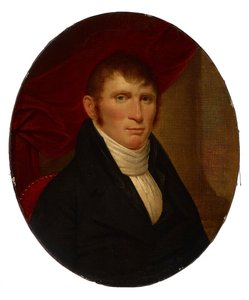
David Cox
1783 - 1859 , Reino Unido
Informações Rápidas
- Artistic Movement Or Style: Escola de Birmingham
- Artists Or Movements Influenced By This Artist: ['Impressionismo']
- Artists Who Influenced This Artist:
- Pintores holandeses
- Constable
- Date Of Birth: 29 abril 1783
- Date Of Death: 7 junho 1859
- Full Name: David Cox
- Nationality: Inglês
- Notable Artworks:
- Rhyl Sands
- Cozinha em Hereford
- Junção do Severn e do Wy com Chepstow
- Place Of Birth: Birmingham, Reino Unido
Artigos Relacionados

Ephemeral Visions: Exploring the Artistic Legacy & Contemporary Practice of Watercolor Painting
Explore the captivating world of watercolor painting! Discover its rich history, essential techniques, influential artists & collecting tips. A comprehensive guide for art enthusiasts from OriginalUniqueArt.

Ephemeral Visions: Exploring the Artistic Legacy & Nuances of Watercolor Painting
Explore the captivating world of watercolor painting! Discover its rich history, essential techniques, influential artists & collecting tips from art experts. A comprehensive guide for enthusiasts.

Ephemeral Visions: Exploring the History & Emotional Resonance of Watercolor Painting
Explore the captivating history of watercolor painting, from ancient techniques to modern masters like Kandinsky & Blake. Discover essential artists, collecting tips & the emotional power of this luminous medium. Expert insights for art enthusiasts.

Aquarelas Imortais: 10 Obras-Primas que Revolucionaram a Arte | OriginalUniqueArt
Descubra as 10 obras-primas em aquarela que revolucionaram a arte! Explore a história de Turner, Cézanne e outros mestres. Encontre reproduções de alta qualidade para decorar sua casa com elegância. OriginalUniqueArt: arte atemporal ao seu alcance.

Aquarela Através dos Séculos: História, Técnicas e Prática Contemporânea
Explore a história da aquarela, domine técnicas essenciais e descubra artistas renomados. Guia completo para iniciantes e profissionais apaixonados por esta arte!