

 Visualizar em escala
 Enviar
 Compartilhar
 Ver detalhes
 Guia de Obras do Aluno

 Baixar imagem
 Semelhantes
 Raio X
 Apresentação de slides
 Estatísticas
Study for Ghetto Theatre I


 Ver mais
A obra de arte exibida nesta página é protegida por leis de direitos autorais, o que significa que não podemos criar ou vender legalmente uma reprodução idêntica. Esta proteção é aplicada por meio de acordos internacionais, tais como a Convenção de Berna e pelas leis nacionais, incluindo as estabelecidas por Lei de Direitos Autorais dos EUA - Título 17.
Este método cumpre plenamente as regulamentações de direitos autorais, pois não envolve a cópia ou duplicação da obra protegida. Em vez disso, trata-se de uma reinterpretação criativa — uma nova pintura que é influenciada pela original, mas não idêntica a ela.
Giclée / Impressão de Arte
Impressão giclée ou em tela de qualidade de museu, com produção rápida e opções flexíveis de acabamento. ( Encomendar reprodução pintada à mão Ver Imagem Digital)




P118B €10

P118H €10

P118W €10

P438Z €10

P508JH €12

P508YH €12

P805H €10

P805Z €10

P919BZ €10

P919G €10

P919XJ €10

P959ZH €10

P968JZ €12

W106C €8

W218G €10

W218JH €8

W218Y €10

W307PJ €10

W316G €10

W316PJ €8

W316Y €10

W398PJ €8

W4111J €10

W500HY €15

W500JH €15

W692G €12

W849H €8

W940BG €15

W953PJ €8




Escolha entre os nossos tamanhos pré-definidos que respeitam as proporções originais da obra de arte.

Digite a largura e a altura de que necessita, para se ajustar à sua moldura ou à sua parede. Uma impressão só pode ser cortada, nunca ampliada além da imagem original, pelo que um tamanho com uma proporção diferente perderá parte da imagem. Enviamos-lhe uma maquete digital para aprovação antes de imprimirmos qualquer coisa. A imagem apresentada nesta página não mostra o corte real — apenas a maquete o faz.
Entrega mundial () em 2 semanas, em vez das 4/5 semanas padrão. (24 Outubro)

Envio expresso gratuito para todo o mundo

Tela de Linho Premium

Seguro de transporte total

Garantia de Reembolso de Impostos Alfandegários

Garantia de Fidelidade de Cor

Política de Devolução em 100 Dias (Apenas para Defeitos)

Garantia de reembolso de 100%

Desconto para múltiplas unidades
 A opção de vidro está disponível apenas para tamanhos inferiores a 110 cm

Study for Ghetto Theatre I
Giclée / Impressão de Arte
Dimensões da Reprodução
-


Preço Total
€ 70
A Fragmented Vision: David Bomberg's "Study for Ghetto Theatre I"
David Bomberg’s “Study for Ghetto Theatre I,” created in 1921, isn't merely a sketch; it is an intensely felt exploration of urban space and the human condition. This work, born from a period of profound personal and artistic transformation for Bomberg, offers a glimpse into his evolving style and his engagement with the social realities of post-war London. The piece exists as a study related to his larger series on the "Ghetto Theatre," specifically referencing the Pavilion Theatre in Whitechapel – a vibrant, albeit often overlooked, hub of working-class entertainment.
The Language of Line and Shadow
What immediately strikes the viewer is the artwork’s stark simplicity. Bomberg eschews color almost entirely, relying instead on a monochromatic palette of greys, blacks, and whites to convey depth and emotion. This deliberate limitation amplifies the power of line – the dominant element in this composition. Bold, thick lines crisscross the canvas, not defining forms with precision but rather suggesting them through overlapping planes and angular shapes. These aren't neat, predictable lines; they are jagged, broken, almost frantic, conveying a sense of urgency and instability. The technique employed suggests rapid execution, likely charcoal or ink on paper, capturing a fleeting impression rather than meticulous detail. This gestural quality imbues the work with an immediacy, as if we’re witnessing the raw process of Bomberg's creative thought unfolding before our eyes. The varying density of these lines creates implied lighting and shadow, adding another layer of complexity to the fragmented space.
Echoes of Modernism and Social Commentary
“Study for Ghetto Theatre I” firmly resides within the currents of early 20th-century modern art. Influenced by Cubism and Futurism – movements that sought to break from traditional representational forms – Bomberg’s work shares their interest in geometric abstraction and dynamic composition. However, he transcends mere stylistic imitation. While echoes of Cézanne's exploration of form and Sickert's focus on urban life are evident, Bomberg infuses his work with a uniquely personal expression. The fragmented nature of the composition, the distorted perspective, and the overall sense of unease speak to a deeper social commentary. The "Ghetto Theatre" itself was a symbol of working-class culture, a place of escape and entertainment amidst poverty and hardship. Bomberg’s study doesn't depict a picturesque scene; it captures the raw energy, the confined space, and perhaps even the underlying tension inherent in such an environment.
A Legacy of Expression
Bomberg’s artistic journey was marked by periods of both recognition and obscurity. After experiencing the trauma of World War I, he moved away from abstraction towards a more figurative style, but this early work demonstrates his remarkable ability to convey complex emotions through seemingly simple means. “Study for Ghetto Theatre I” stands as a testament to Bomberg’s pioneering spirit – a bold exploration of form and expression that anticipates later developments in British art. The piece invites viewers not just to observe a scene, but to feel the weight of its atmosphere, to sense the pulse of urban life, and to contemplate the complexities of human experience within a rapidly changing world. It is a powerful reminder of Bomberg’s enduring legacy as one of Britain's most innovative and influential artists.
Perguntas e Respostas
Qual era a idade de David Bomberg ao criar "Study for Ghetto Theatre I" em 1921?
David Bomberg tinha 31 anos quando criou "Study for Ghetto Theatre I" em 1921. A idade é calculada a partir do ano de nascimento do artista, 1890.
"Study for Ghetto Theatre I" de David Bomberg é uma composição em formato retrato, paisagem ou quadrada?
O formato de "Study for Ghetto Theatre I" é Portrait. Isso é útil ao planejar onde uma reprodução será colocada.
Para qual tom se inclina "Study for Ghetto Theatre I"?
A tonalidade dominante de "Study for Ghetto Theatre I" de David Bomberg é Green to Violet Spectrum. A tonalidade é o tom subjacente da paleta.
Biografia do Artista
Primeiros Anos e Formação Artística
- Nascimento: Birmingham, Reino Unido (5 de dezembro de 1890)
- Falecimento: Londres, Reino Unido (19 de agosto de 1957)
- Um dos 'Whitechapel Boys' – um grupo de artistas do East End que emergiu no início do século XX.
Nascido de pais imigrantes polaco-judeus, Abraham e Rebecca Bomberg, estudou inicialmente na City and Guilds Technical Art School antes de se formar como litógrafo em Birmingham.
Estudou sob a tutela de Walter Sickert na Westminster School of Art (190los-1910), influenciado pelo foco de Sickert na forma e na vida urbana. Teve uma exposição significativa à obra de Paul Cézanne através da exposição de 1910 de Roger Fry, "Manet and the Post-Impressionists". Frequentou a Slade School of Art (1911), onde conquistou o Prêmio Tonks pelo seu desenho do colega de turma Isaac Rosenberg.
Os Anos de Vanguarda: Cubismo, Futurismo e Controvérsia
- Na Slade, Bomberg integrou uma geração notável que incluía Mark Gertler, Stanley Spencer, C.R.W. Nevinson e Dora Carrington.
- Influenciado pelas exposições de 1912 em Londres dos Futuristas Italianos e pela segunda exposição pós-impressionista de Fry (Picasso, Matisse, Fauvistas, Wyndham Lewis).
- Desenvolveu um estilo distinto que combinava o Cubismo e o Futurismo – caracterizado por composições geométricas, paletas de cores limitadas, figuras angulares e estruturas em grelha.
- A sua abordagem radical levou à sua expulsão da Slade School of Art em 1913, considerada demasiado audaciosa para os métodos convencionais da instituição.
- Esteve brevemente associado aos Omega Workshops do Grupo Bloomsbury e expôs com o Camden Town Group. Demonstrou afinidade com o movimento Vorticista de Wyndham Lewis, mas manteve-se independente, recusando um envolvimento total.
Da Guerra à Paisagem: Uma Mudança de Estilo
As experiências como soldado raso durante a Primeira Guerra Mundial impactaram profundamente a sua visão artística, levando-o a afastar-se da abstração.
A década de 1920 viu Bomberg adotar um estilo mais figurativo, focando-se em retratos e paisagens extraídas diretamente da natureza. Desenvolveu uma técnica cada vez mais expressionista, marcada pelo impasto texturizado e pela intensidade emocional.
As extensas viagens pelo Médio Oriente (particularmente na Palestina) e pela Europa influenciaram significativamente a sua obra tardia. As suas representações de Jerusalém são particularmente notáveis.
Anos Tardios e Legado
- De 1945 a 1953, lecionou no Borough Polytechnic (atualmente London South Bank University), influenciando uma geração de artistas, incluindo Frank Auerbach, Leon Kossoff, Philip Holmes, Cliff Holden, Edna Mann, Dorothy Mead, Gustav Metzger, Dennis Creffield, Cecil Bailey e Miles Richmond.
- Casou-se com a pintora de paisagens Lilian Holt.
- Apesar de períodos de relativo obscurantismo durante a sua vida, a obra de Bomberg ganhou um reconhecimento crescente nas últimas décadas como uma contribuição significativa para a arte moderna britânica.
- A David Bomberg House na London South Bank University foi nomeada em sua honra.
- O seu legado reside na síntese única dos movimentos de vanguarda europeus e no seu desenvolvimento posterior de um estilo de paisagem poderoso e expressivo, que capturou a essência do lugar e da experiência humana.

David Bomberg
1890 - 1957 , Reino Unido
Informações Rápidas
- Artistas Ou Movimentos Influenciados Por Este Artista:
- Frank Auerbach
- Leon Kossoff
- Artistas Que Influenciaram Este Artista:
- Paul Cézanne
- Walter Sickert
- Wyndham Lewis
- Data De Falecimento: 19 de agosto de 1957
- Data De Nascimento: 5 de dezembro de 1890
- Local De Nascimento: Birmingham, Reino Unido
- Movimento Ou Estilo Artístico:
- Cubismo
- Futurismo
- Expressionismo
- Nacionalidade: Britânico
- Nome Completo: David Garshen Bomberg
- Obras De Arte Notáveis:
- Autorretrato (1937)
- Kitty, a irmã do artista (1929)
- Estudo para uma pintura
- Jerusalém
Artigos Relacionados
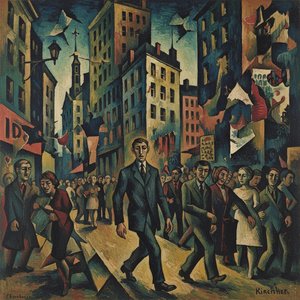
Ernst Ludwig Kirchner: Expressionism's Urban Anxiety & the Fragmentation of Modern Identity
Explore the powerful world of Ernst Ludwig Kirchner and German Expressionism. Discover his iconic paintings, Die Brücke group, and the movement's exploration of urban anxiety & modern identity. Expert analysis for collectors & enthusiasts.
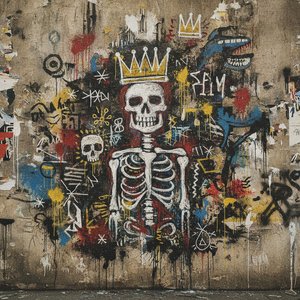
Basquiat and Raw Pop: The High-Energy Rebellion of Neo-Expressionism and the Legacy of Urban Street Art
Explore the raw energy of Jean-Michel Basquiat and the Neo-Expressionist movement. Discover how urban rebellion and SAMO© transformed 1980s New York art history through deep academic insight and visual analysis.
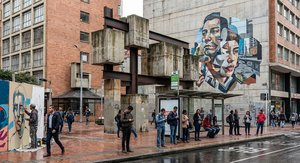
Concrete Narratives: Exploring Urban Life in Modern & Contemporary Art
Explore the evolution of cityscape painting with OriginalUniqueArt. Discover key artists from Realism to contemporary movements & invest in timeless urban visions. Expert guidance, museum-quality reproductions.
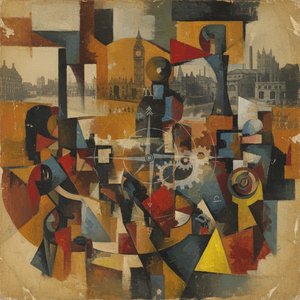
David Bomberg: Reassessing the Pioneering Spirit of Early British Abstraction
Explore the groundbreaking work of David Bomberg, a pivotal figure in British abstraction. Discover his artistic evolution, influences, and lasting legacy through insightful analysis & expert commentary.
The Raw Emotion of Expressionism: A Deep Dive into its History, Characteristics & Enduring Influence
Explore the raw emotion of Expressionism with OriginalUniqueArt. Discover its history, key artists like Kirchner & Munch, and lasting influence on modern art. Expert insights for collectors & enthusiasts.


