Visualizar em escala
 Enviar
 Compartilhar
 Ver detalhes
 Guia de Obras do Aluno

 Baixar imagem
 Semelhantes
 Raio X
 Apresentação de slides
 Estatísticas
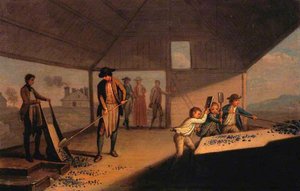
Processamento de Chumbo na Mina de Leadhills Batendo o Ouro


 Ver mais
Giclée / Impressão de Arte
Impressão giclée ou em tela de qualidade de museu, com produção rápida e opções flexíveis de acabamento. ( Encomendar reprodução pintada à mão Ver Imagem Digital)




P118B €10

P118H €10

P118W €10

P438Z €10

P508JH €12

P508YH €12

P805H €10

P805Z €10

P919BZ €10

P919G €10

P919XJ €10

P959ZH €10

P968JZ €12

W106C €8

W218G €10

W218JH €8

W218Y €10

W307PJ €10

W316G €10

W316PJ €8

W316Y €10

W398PJ €8

W4111J €10

W500HY €15

W500JH €15

W692G €12

W849H €8

W940BG €15

W953PJ €8




Escolha entre os nossos tamanhos pré-definidos que respeitam as proporções originais da obra de arte.

Digite a largura e a altura de que necessita, para se ajustar à sua moldura ou à sua parede. Uma impressão só pode ser cortada, nunca ampliada além da imagem original, pelo que um tamanho com uma proporção diferente perderá parte da imagem. Enviamos-lhe uma maquete digital para aprovação antes de imprimirmos qualquer coisa. A imagem apresentada nesta página não mostra o corte real — apenas a maquete o faz.
Entrega mundial () em 2 semanas, em vez das 4/5 semanas padrão. (24 Outubro)

Envio expresso gratuito para todo o mundo

Tela de Linho Premium

Seguro de transporte total

Garantia de Reembolso de Impostos Alfandegários

Garantia de Fidelidade de Cor

Política de Devolução em 100 Dias (Apenas para Defeitos)

Garantia de reembolso de 100%

Desconto para múltiplas unidades
 A opção de vidro está disponível apenas para tamanhos inferiores a 110 cm

Processamento de Chumbo na Mina de Leadhills Batendo o Ouro
Giclée / Impressão de Arte
Dimensões da Reprodução
-


Preço Total
€ 70
David Allan e o Processamento do Chumbo em Leadhills: Uma Jornada ao Coração da Ilustração Escocesa
O ano é 1789, e a paisagem industrial escocesa testemunha um esforço conjunto para transformar matéria-prima bruta em produto valioso. É nesse contexto histórico que David Allan apresenta sua obra mais emblemática: “Lead Processing at Leadhills Pounding the Ore”, uma pintura que transcende o mero registro documental para se tornar um símbolo da busca pela beleza e pelo conhecimento na época do Iluminismo.
- O Tema Histórico: Leadhills, uma região rica em jazidas de chumbo, fervilhava com atividade mineradora. Allan capturou um momento crucial nesse processo, onde homens trabalhavam incansavelmente para extrair o metal precioso das profundezas da terra.
- Estilo e Técnica: O estilo neoclássico de Allan domina a tela, buscando inspiração nas esculturas gregas e romanas clássicas. Sua maestria na pintura à óleo permite uma reprodução fiel das texturas do trabalho manual – o impacto dos martelos sobre o ore, o brilho da água utilizada na limpeza das peças – criando uma sensação de presença física que convida o espectador a entrar no ambiente da mina.
- Detalhes Significativos: Observe atentamente os elementos da composição: o grupo de trabalhadores em diversas atividades demonstra força e colaboração, valores centrais do pensamento iluminista. Uma cadeira próxima ao centro sugere um breve descanso entre as tarefas árduas, enquanto duas bancadas oferecem apoio físico aos homens envolvidos no trabalho.
Allan não apenas retratou uma cena cotidiana; ele comunicou uma mensagem profunda sobre o poder da observação e a importância da beleza como instrumento de compreensão do mundo. O pintor utilizou cores suaves para criar uma atmosfera calma, apesar da atividade frenética dos trabalhadores, enfatizando a luz natural que ilumina o espaço da mina.
- Simbolismo: O trabalho árduo e repetitivo dos homens pode ser interpretado como uma metáfora da busca pelo progresso científico e filosófico. Além disso, o próprio chumbo – um metal pesado associado à força física e à resistência – simboliza a determinação dos mineradores em superar obstáculos e alcançar seus objetivos.
- Impacto Emocional: A pintura evoca sentimentos de admiração pela habilidade humana e pelo esforço coletivo em face das dificuldades. Ela nos lembra que mesmo nas atividades mais prosaicas podem existir elementos de beleza e significado, enriquecendo nossa percepção da história e da cultura.
Uma reprodução de alta qualidade deste quadro pode trazer para o ambiente doméstico uma sensação de autenticidade e conexão com o passado iluminista. É um convite à contemplação estética e à reflexão sobre os valores que moldaram a sociedade escocesa do século XVIII.
Perguntas e Respostas
Como "Processamento de Chumbo na Mina de Leadhills Batendo o Ouro" equilibra luz e sombra?
"Processamento de Chumbo na Mina de Leadhills Batendo o Ouro" possui sombras profundas de brilho geral, e sua luminância é Escura.
Para que tipo de uso é recomendada uma reprodução de "Processamento de Chumbo na Mina de Leadhills Batendo o Ouro" de David Allan?
Uma reprodução de "Processamento de Chumbo na Mina de Leadhills Batendo o Ouro" de David Allan é recomendada para Ponto de cor. Esta sugestão decorre do tema, do ambiente e das cores da obra.
Quem vende cópias pintadas à mão de "Processamento de Chumbo na Mina de Leadhills Batendo o Ouro" de David Allan?
Você pode encomendar uma reprodução pintada à mão de "Processamento de Chumbo na Mina de Leadhills Batendo o Ouro" de David Allan diretamente em sua página de Reprodução Pintada à Mão: uma reprodução a óleo pintada à mão sobre tela de linho, feita sob encomenda.
Biografia do Artista
A Scottish Voice in the Age of Enlightenment
David Allan, born in Alloa, Scotland, in 1744, emerged as a significant figure during a period of profound artistic and intellectual change. His father’s position as harbor master instilled an early connection to the world beyond Scotland's shores, hinting at influences that would later shape his artistic vision. Though details of his earliest training remain scarce, it is clear that a natural talent blossomed from youth, setting him on a path toward becoming one of Scotland’s most celebrated painters. This path led him, in 1764, to Rome – a pivotal journey for any aspiring artist of the time. For ten years, Allan immersed himself in the study of classical art and architecture, diligently copying masterpieces like the Borghese Gladiator, honing his skills in form and technique under the guidance of Gavin Hamilton. This Italian sojourn wasn’t merely about technical mastery; it was an immersion into a world of ideals that would subtly permeate his later work. The influence of Roman sculpture and painting is evident in his meticulous attention to detail and his embrace of classical composition, yet he never lost sight of his Scottish roots.Blending Worlds: Neoclassicism with Scottish Life
Upon returning to Scotland around 1770, Allan established himself in Edinburgh, quickly becoming a leading artist within the city’s vibrant cultural scene. His style is remarkable for its unique synthesis of Neoclassical precision and Rococo elegance. While embracing the classical ideals of order, balance, and clarity – hallmarks of the Neoclassicism movement – he retained a decorative sensibility evident in his use of color and composition. This wasn’t a rigid adherence to any single school but rather a thoughtful blending of influences. Allan excelled in both portraiture and genre painting, demonstrating a keen observational skill and an ability to capture the essence of his subjects. His portraits weren’t simply likenesses; they possessed psychological depth, revealing character and personality. He skillfully rendered the nuances of social standing and individual temperament, creating images that were both flattering and insightful. However, it was perhaps in his genre scenes that Allan truly distinguished himself, offering intimate glimpses into 18th-century Scottish life – from bustling market days to quiet domestic moments. Works like “Lead Processing at Leadhills Washing the Ore” are not merely depictions of industry but insightful social commentaries rendered with remarkable realism and attention to detail. He also ventured into historical subjects, such as "Hope (triptych, centre panel)", showcasing his ambition and versatility while skillfully integrating classical influences with religious themes.The ‘Scottish Hogarth’ and a Legacy Forged in Observation
Allan’s dedication to depicting contemporary life earned him the moniker “the Scottish Hogarth,” a comparison that highlights his contributions to genre painting and social commentary through art. While not directly emulating Hogarth’s often satirical style, Allan shared a similar interest in portraying everyday scenes with honesty and insight. He possessed an exceptional ability to capture the nuances of human interaction and the textures of daily life, elevating seemingly ordinary subjects to artistic significance. His association with the Foulis Academy, a prominent center for artistic training in Edinburgh, further solidified his role in shaping Scottish art during this period. Allan wasn’t just creating paintings; he was contributing to the development of a distinct national artistic identity. He influenced subsequent generations of Scottish artists, encouraging them to look inward and find inspiration in their own culture and surroundings.Major Works and Techniques
Allan’s oeuvre is characterized by a remarkable range of subjects and techniques. His portraits are renowned for their psychological depth and realistic portrayal of character, capturing not just physical likeness but also the inner lives of his sitters. His historical paintings demonstrate a mastery of classical composition and a keen understanding of narrative storytelling. However, it was in his genre scenes that he truly excelled – works such as “The Family of Procida”, “James Craig, Architect”, “The Children of David Allan” and “Lead Processing at Leadhills Washing the Ore” offer vivid glimpses into Scottish society, capturing the everyday lives of ordinary people with remarkable detail and sensitivity. He employed a meticulous technique, often utilizing oil paints on canvas to achieve a rich, textured surface. His use of light and shadow was particularly effective in creating a sense of depth and realism, while his color palette reflected both classical influences and the natural beauty of Scotland.A Lasting Impression
David Allan’s impact extends beyond his individual artworks. His illustrations for Allan Ramsay’s *The Gentle Shepherd* are particularly noteworthy, demonstrating a playful wit and an ability to capture the spirit of Scottish pastoral life. He was a master of both large-scale historical compositions and intimate domestic scenes, showcasing a remarkable range of skill and sensitivity. His death in 1796 marked the loss of a truly original voice in British art. Today, his paintings continue to be admired for their technical brilliance, insightful portrayals of Scottish society, and enduring artistic merit. Allan’s legacy lies not only in the beauty of his creations but also in his ability to bridge classical ideals with distinctly Scottish subject matter, leaving an indelible mark on the cultural landscape of his time and inspiring artists for generations to come. He remains a testament to the power of observation, the importance of artistic training, and the enduring appeal of capturing the human experience.
David Allan
1744 - 1796 , Escócia
Informações Rápidas
- Artistic Movement Or Style: Neoclassicismo & Rococó
- Artists Or Movements Influenced By This Artist: ['Artistas escoceses']
- Artists Who Influenced This Artist: ['Gavin Hamilton']
- Date Of Birth: 1744
- Date Of Death: 1796
- Full Name: David Allan
- Nationality: Escocês
- Notable Artworks:
- Leadhills Washing
- Família de Procida
- Esperança (triptico)
- James Craig
- Place Of Birth: Akron, EUA
Artigos Relacionados
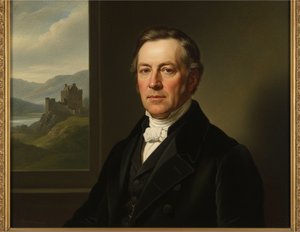
Henry Raeburn: A Scottish Portraitist's Mastery of Light, Character & National Identity
Explore the life & work of Henry Raeburn, a master Scottish portraitist. Discover his innovative techniques, captivating portraits of the Enlightenment era, and lasting legacy in art history. Learn more at OriginalUniqueArt.

Jacques-Louis David: Neoclassical Ideals & Revolutionary Witness
Explore the life & art of Jacques-Louis David, leading Neoclassical painter of the French Revolution. Discover iconic works like 'The Death of Marat' and his lasting impact on art history. Expert analysis & high-quality reproductions at OriginalUniqueArt.
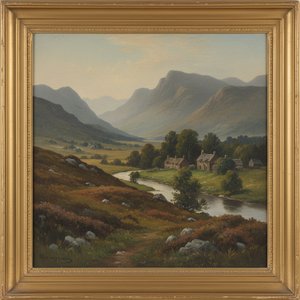
Sir John Watson Gordon: A Study in Scottish Landscape Painting & Tonal Impressionism
Explore the captivating portraits of Sir John Watson Gordon, a leading Scottish master. Discover his evolution from neoclassical style to atmospheric Tonalism and influence on 19th-century British art. Learn about his iconic sitters & legacy.
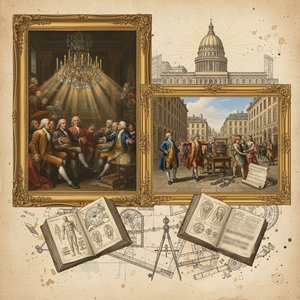
Illuminating the Enlightenment: Art & Sociopolitical Context of the 18th Century
Explore the art of the Enlightenment! Discover Rococo's elegance, Neoclassicism’s virtue, & David’s revolutionary masterpieces. Uncover the sociopolitical context shaping 18th-century European painting.
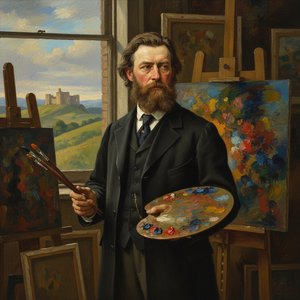
George Paul Chalmers: Rediscovering the Angus Rembrandt & Scottish Colourist Roots
Explore the captivating world of George Paul Chalmers (1833-1878), a pivotal Scottish painter. Discover his landscapes, portraits & connection to the Aesthetic Movement and Colourists. Learn about this 'Angus Rembrandt's' legacy with OriginalUniqueArt.