
 Visualizar em escala
 Enviar
 Compartilhar
 Ver detalhes

 Baixar
 Semelhantes
 Raio X
 Apresentação de slides
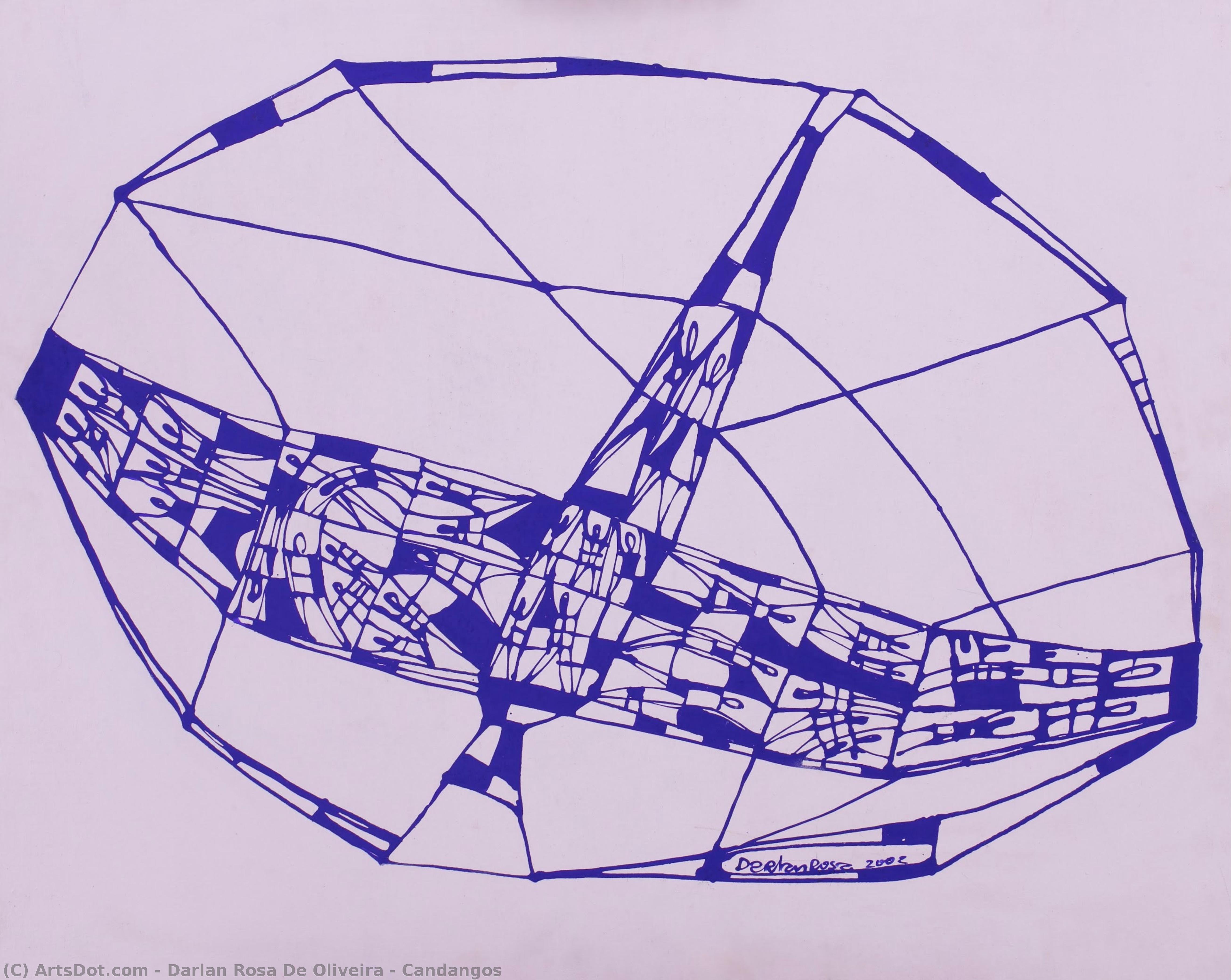
Candangos


 Ver mais
Reprodução em Óleo Feita à Mão
Óleo sobre tela pintado à mão no seu tamanho e moldura, feito sob encomenda pelos nossos artistas. ( Encomendar impressão Comprar imagem em alta resolução)




































Escolha entre os nossos tamanhos pré-definidos que respeitam as proporções originais da obra de arte.

Pode inserir as suas próprias dimensões para se adequar a uma moldura ou espaço específico. Se o tamanho selecionado não corresponder às proporções da imagem original, iremos cortar a obra de arte ou estender a pintura com elementos adicionais pintados à mão. Um esboço digital será enviado para sua aprovação antes do início da produção.
Tenha em atenção que a pré-visualização no ecrã não reflete o corte ou extensão real. Apenas o esboço mostrará com precisão a composição final.
Embora tamanhos personalizados estejam disponíveis, recomendamos selecionar uma dimensão da lista predefinida para preservar as proporções originais.
Após o pedido, a equipa OriginalUniqueArt.com enviará um e-mail ao cliente para solicitar instruções e fornecer uma prévia do esboço.
Entrega mundial () em 3 a 4 semanas, em vez das 5 semanas padrão. (21 Agosto). Sem comprometer a qualidade.

Envio Expresso Gratuito para todo o Mundo

Tela de Linho Premium

Seguro de transporte total

Garantia de Reembolso de Impostos Alfandegários

Garantia de Fidelidade de Cor

Política de Devolução de 60 Dias (Apenas para Defeitos)

Garantia de reembolso de 100%

Desconto para múltiplas unidades
 A opção de vidro está disponível apenas para tamanhos inferiores a 110 cm

Candangos
Técnica de Reprodução
Dimensões da Reprodução
-


Preço Total
$ 300
Biografia do Artista
The Emergence of a Minimalist Vision: Laurie Anderson’s Pioneering Career
Laurie Anderson, born Laura Phillips Anderson in Chicago on June 5, 1947, didn't initially envision herself as an artist; her early aspirations leaned towards the classical world. Growing up in Glen Ellyn, Illinois, she developed a deep appreciation for art history through visits to the Art Institute of Chicago and honed her musical skills playing violin with the Chicago Youth Symphony Orchestra. However, it was a pivotal move to New York City in 1966 that set her on a radically different path, leading her to study at Barnard College and ultimately embrace performance art as her primary medium. This shift wasn’t merely a career change; it represented a deliberate rejection of traditional artistic conventions and an exploration of new possibilities for expression – a spirit that would define her entire career. Early influences included the avant-garde movements of the 1960s, particularly Happenings and Fluxus, which encouraged audience participation and challenged established notions of art’s boundaries. Her initial foray into painting provided a crucial foundation in visual composition, while her musical training instilled an understanding of rhythm, texture, and sonic manipulation – skills she would later master with electronic instruments.Early Performances and the Rise of Electronic Art
Anderson's early performances were characterized by their experimental nature and incorporation of unconventional materials. She began utilizing tape recorders, synthesizers, and other technological devices to create soundscapes that defied traditional musical structures. These early works weren’t simply sonic explorations; they were often deeply personal narratives, exploring themes of loneliness, alienation, and the anxieties of modern life. A significant turning point came in 1972 with her performance of “O Superman,” a hauntingly simple song delivered through a distorted voice, which unexpectedly catapulted to number two on the UK singles chart. This success demonstrated the public’s appetite for innovative and challenging art forms – a recognition that would propel Anderson into the international spotlight. Crucially, she wasn't merely exploiting a trend; she was actively shaping it, pioneering the use of technology in performance and laying the groundwork for the development of electronic music as an artistic medium. Her work during this period reflected a growing fascination with language, its manipulation, and its potential to convey complex emotions and ideas.The Installation Era: Permanent Spaces and Conceptual Art
In 1968, Anderson made a transformative decision that would fundamentally alter the nature of her practice: she purchased a derelict cast-iron building in SoHo, New York City, and began converting it into a permanent installation space. This marked a shift from ephemeral performances to meticulously crafted environments – spaces designed not just for viewing but for inhabiting and experiencing. She collaborated with other artists, including Jeff Lew, Gordon Matta-Clark, and Vito Acconci, creating a vibrant community of creatives who challenged the conventional boundaries of art and architecture. The building became a hub for experimentation, activism, and social engagement, reflecting Anderson’s belief that art should be deeply intertwined with its surroundings and contribute to broader cultural conversations. This period saw the development of her signature “Judd-like” spaces – minimalist environments characterized by stark geometries, industrial materials, and a deliberate rejection of ornamentation. These installations weren't simply displays; they were carefully constructed propositions about space, perception, and the relationship between art and reality.Expanding Horizons: Film, Literature, and Continued Innovation
Anderson’s artistic vision extended far beyond performance and installation. In 1986, she directed *Home of the Brave*, a groundbreaking concert film that seamlessly blended music, visuals, and narrative, showcasing her ability to synthesize diverse media into a cohesive whole. She also ventured into electronic literature, creating interactive multimedia projects that explored themes of language, technology, and identity. Her work with CD-ROMs in the 1990s demonstrated her willingness to embrace new technologies and push the boundaries of artistic expression. Throughout her career, Anderson has remained committed to experimentation and innovation, constantly seeking out new ways to challenge conventional notions of art and engage audiences on a deeply personal level. Her influence can be seen across numerous fields, from music and performance art to film, literature, and technology – a testament to her pioneering spirit and enduring legacy.Legacy and Historical Significance
Laurie Anderson’s impact on the art world is undeniable. She stands as a pivotal figure in the development of electronic art, performance art, and multimedia installations. Her willingness to embrace new technologies, challenge established conventions, and engage with social and political issues has inspired generations of artists. Her work continues to be exhibited and studied worldwide, demonstrating its enduring relevance and significance. Beyond her individual achievements, Anderson played a crucial role in fostering a vibrant artistic community in New York City during the late 20th century – a period marked by experimentation, innovation, and social change. Her commitment to creating spaces for dialogue and collaboration has left an indelible mark on the cultural landscape, solidifying her position as one of the most important and influential artists of our time.
darlan rosa de oliveira
1947 - , Brazil
Informações Rápidas
- Artistic Movement Or Style:
- Avant-garde
- Performance art
- Electronic music
- Artists Or Movements Influenced By This Artist:
- Philip Glass
- Steve Reich
- Artists Who Influenced This Artist:
- John Cage
- Lucian Freud
- Date Of Birth: June 5, 1947
- Full Name: Laurie Phillips Anderson
- Nationality: American
- Notable Artworks:
- O Superman
- Home of the Brave
- Place Of Birth: Chicago, Illinois

