

 Visualizar em escala
 Enviar
 Compartilhar
 Ver detalhes

 Baixar
 Semelhantes
 Raio X
 Apresentação de slides
Annie Miller


 Ver mais
Giclée / Impressão de Arte
Impressão giclée ou em tela de qualidade de museu, com produção rápida e opções flexíveis de acabamento. ( Encomendar reprodução pintada à mão Comprar imagem em alta resolução)




P118B $10

P118H $10

P118W $10

P438Z $10

P508JH $12

P508YH $12

P805H $10

P805Z $10

P919BZ $10

P919G $10

P919XJ $10

P959ZH $10

P968JZ $12

W106C $8

W218G $10

W218JH $8

W218Y $10

W307PJ $10

W316G $10

W316PJ $8

W316Y $10

W398PJ $8

W4111J $10

W500HY $15

W500JH $15

W692G $12

W849H $8

W940BG $15

W953PJ $8




Escolha entre os nossos tamanhos pré-definidos que respeitam as proporções originais da obra de arte.

Você pode inserir suas próprias dimensões para se ajustar a uma moldura ou espaço específico. Se o tamanho selecionado não corresponder às proporções da imagem original, iremos recortar a obra de arte ou estender a imagem com uma borda espelhada ou preenchimento sólido. Um mockup digital será enviado para sua aprovação antes do início da produção.
Por favor, observe que a visualização na tela não reflete o recorte ou a extensão real. Apenas o mockup mostrará com precisão a composição final.
Embora tamanhos personalizados estejam disponíveis, recomendamos selecionar uma dimensão da lista predefinida para preservar as proporções originais.
Entrega mundial () em 2 semanas, em vez das 4/5 semanas padrão. (14 Agosto)

Envio Expresso Gratuito para todo o Mundo

Tela de Linho Premium

Seguro de transporte total

Garantia de Reembolso de Impostos Alfandegários

Garantia de Fidelidade de Cor

Política de Devolução de 60 Dias (Apenas para Defeitos)

Garantia de reembolso de 100%

Desconto para múltiplas unidades
 A opção de vidro está disponível apenas para tamanhos inferiores a 110 cm

Annie Miller
Giclée / Impressão de Arte
Dimensões da Reprodução
-


Preço Total
$ 80
Biografia do Artista
A Life Immersed in Beauty: The World of Dante Gabriel Rossetti
Dante Gabriel Rossetti, born May 12, 1828, in London, was a pivotal figure in the Pre-Raphaelite Brotherhood and a poet whose verses were as richly symbolic and evocative as his paintings. His life was deeply intertwined with aestheticism, a movement that championed “art for art’s sake,” and a passionate pursuit of beauty in all its forms. Rossetti wasn't merely an artist; he was a polymath—painter, illustrator, poet, translator—whose work consistently blurred the boundaries between these disciplines. His Italian heritage, stemming from his exiled political father, Gaetano Rossetti, instilled within him a lifelong fascination with Dante Alighieri and the Renaissance masters, influences that would profoundly shape his artistic vision. He received early training at Sass’s Academy, then entered the Royal Academy Schools in 1845, though he quickly became disillusioned with its conventional approach to art. This dissatisfaction led him, along with William Holman Hunt and John Everett Millais, to form the Pre-Raphaelite Brotherhood in 1848, a rebellious group seeking to revive the artistic principles of pre-Renaissance Italian painting—a time they believed possessed greater sincerity and spiritual depth than the academic styles prevalent during their era.The Early Years: From Literary Aspirations to Artistic Rebellion
Rossetti’s initial ambition wasn't primarily focused on painting; he began as a poet, deeply influenced by Keats, Shelley, and Tennyson. He translated early Italian poets, including Dante, which further cemented his connection to the artistic traditions of the Renaissance. However, his visual imagination proved equally compelling. His early paintings, such as *The Youthful Lady with Rosary* (1849), already demonstrate a meticulous attention to detail and a romantic sensibility. The formation of the Pre-Raphaelite Brotherhood marked a turning point. Rejecting the idealized forms and artificial lighting favored by academic painters, the Brotherhood sought truthfulness in representation—observing nature directly and employing vibrant colors. *Annunciation* (1850), painted with Holman Hunt, exemplifies this commitment to realism, though it also reveals Rossetti’s growing interest in symbolism and emotional intensity. The work was met with harsh criticism for its unconventional depiction of Mary and Joseph, highlighting the Brotherhood's deliberate challenge to established artistic norms. This early period saw a focus on religious themes, but even then, Rossetti infused his works with a personal, often melancholic, atmosphere.A Shifting Focus: The Rise of *Rossettian* Symbolism
Throughout the 1850s and 60s, Rossetti’s style evolved significantly. He moved away from overtly religious subjects towards more secular themes—often drawing inspiration from literature, mythology, and his own intensely personal life. His paintings became increasingly characterized by a dreamlike quality, rich symbolism, and an exploration of female beauty. *Proserpine* (1874) is a prime example; the goddess of the underworld is depicted with a hauntingly beautiful face, surrounded by wilting pomegranate blossoms—a symbol of her captivity and longing for freedom. This period also saw the emergence of his iconic depictions of red-haired women, inspired initially by his mother and later by his muses, Elizabeth Siddal and Jane Morris. These women weren’t simply portraits; they embodied Rossetti's ideal of feminine beauty—enigmatic, sensual, and often associated with themes of love, loss, and desire. He developed a distinctive technique characterized by layered glazes and a luminous quality that contributed to the ethereal atmosphere of his works. His poetry flourished alongside his painting, often serving as inspiration for his visual creations and vice versa. The collection *Poems* (1870) cemented his reputation as a major Victorian poet, exploring themes of passion, death, and spiritual longing.Later Life and Legacy: A Lasting Influence
The latter part of Rossetti’s life was marked by increasing seclusion and a growing obsession with aestheticism. He built Kelmscott Manor in the countryside with William Morris, creating a retreat dedicated to artistic pursuits. His later works, such as *La Pia de' Tolomei* (1868-81) and *Beatrice Portinari* (1879), demonstrate an even greater emphasis on symbolism and emotional depth. He became increasingly fascinated with the medieval world and incorporated elements of Gothic art into his paintings. The tragic death of Elizabeth Siddal in 1862 deeply affected Rossetti, leading to a period of intense grief and depression. His relationship with Jane Morris provided both artistic inspiration and personal solace. Rossetti’s influence on the Aesthetic movement was profound. Artists like Aubrey Beardsley and Edward Burne-Jones drew heavily from his style and themes. He championed the idea that art should exist solely for its own beauty, rejecting moral or didactic purposes. He died April 9, 1882, leaving behind a legacy of stunning paintings and evocative poetry that continues to captivate audiences today. His work remains a testament to the power of beauty, symbolism, and the enduring allure of the human imagination.Major Achievements & Historical Significance
- Founding Member of the Pre-Raphaelite Brotherhood: Rossetti’s role in establishing this influential artistic group revolutionized Victorian painting, challenging academic conventions and paving the way for modern art.
- Pioneering Symbolism in Art: His use of rich symbolism and dreamlike imagery profoundly influenced the Aesthetic movement and subsequent generations of artists.
- Integration of Poetry and Painting: Rossetti seamlessly blended his poetic vision with his visual creations, creating a unique artistic language that explored themes of love, loss, and spiritual longing.
- Elevation of Female Beauty: His iconic depictions of red-haired women redefined Victorian standards of beauty and challenged conventional representations of femininity.
- Championing “Art for Art’s Sake”: Rossetti’s advocacy for aestheticism helped to liberate art from moral constraints, emphasizing its intrinsic value and emotional power.

Artigos Relacionados
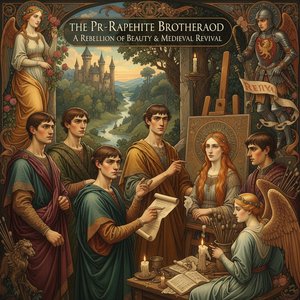
The Pre-Raphaelite Brotherhood: A Rebellion of Beauty & Medieval Revival
Explore the captivating world of the Pre-Raphaelite Brotherhood! Discover their rebellion against academic art, iconic masterpieces, and lasting influence on Victorian aesthetics. Learn about Rossetti, Burne-Jones & more.
Reinventando a Nobreza: O Retrato Histórico Contemporâneo como Expressão de Identidade e Legado
Descubra como reinventar a nobreza através do retrato histórico contemporâneo. Artistas renomados, técnicas exclusivas e reproduções de alta qualidade para eternizar sua história e legado. Solicite um orçamento!
The Enduring Gaze: A Historical & Artistic Exploration of Portrait Painting Across Cultures
Explore the rich history of portrait painting with expert insights into Renaissance masterpieces & modern innovations. Discover artists, movements & commission a custom oil painting at OriginalUniqueArt.

The Enduring Appeal of Figurative Painting: A Historical Survey of Representation, Emotion & Modern Interpretations
Explore the rich history of figurative painting, from ancient masterpieces to contemporary works. Discover key movements, artists & techniques shaping this enduring art form. Expert insights for collectors and enthusiasts.
Anthony Frederick Sandys: Pre-Raphaelite Vision & Victorian Aesthetic Exploration
Discover the captivating Pre-Raphaelite world of Anthony Frederick Sandys (1829-1904). Explore his mythological scenes, portraits & Victorian artistry. Learn about his influences and lasting legacy.

